
MAEZ insight
Driver-Facing Cameras: Road Safety and Transport Compliance in Australia
How driver-facing cameras improve road safety in the Australian transport sector: benefits, system types, selection criteria, implementation steps, and the Chain of Responsibility connection.
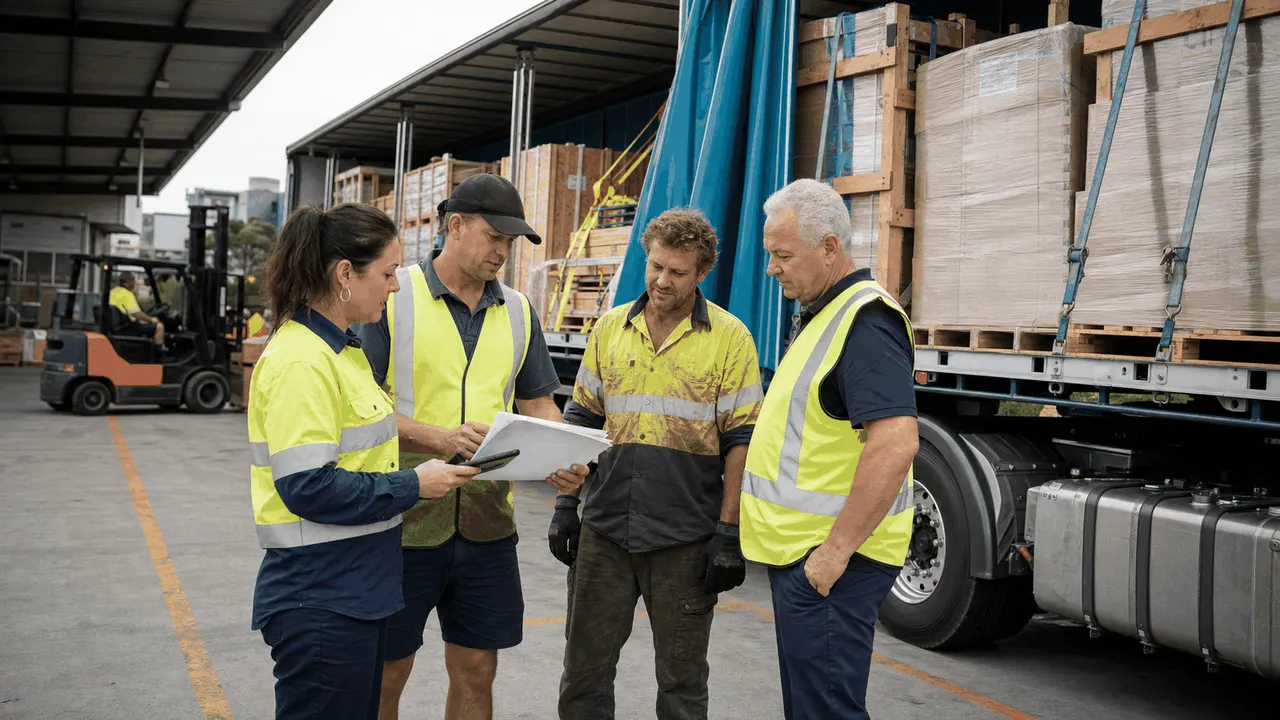
Loading controls need evidence, not assumptions.
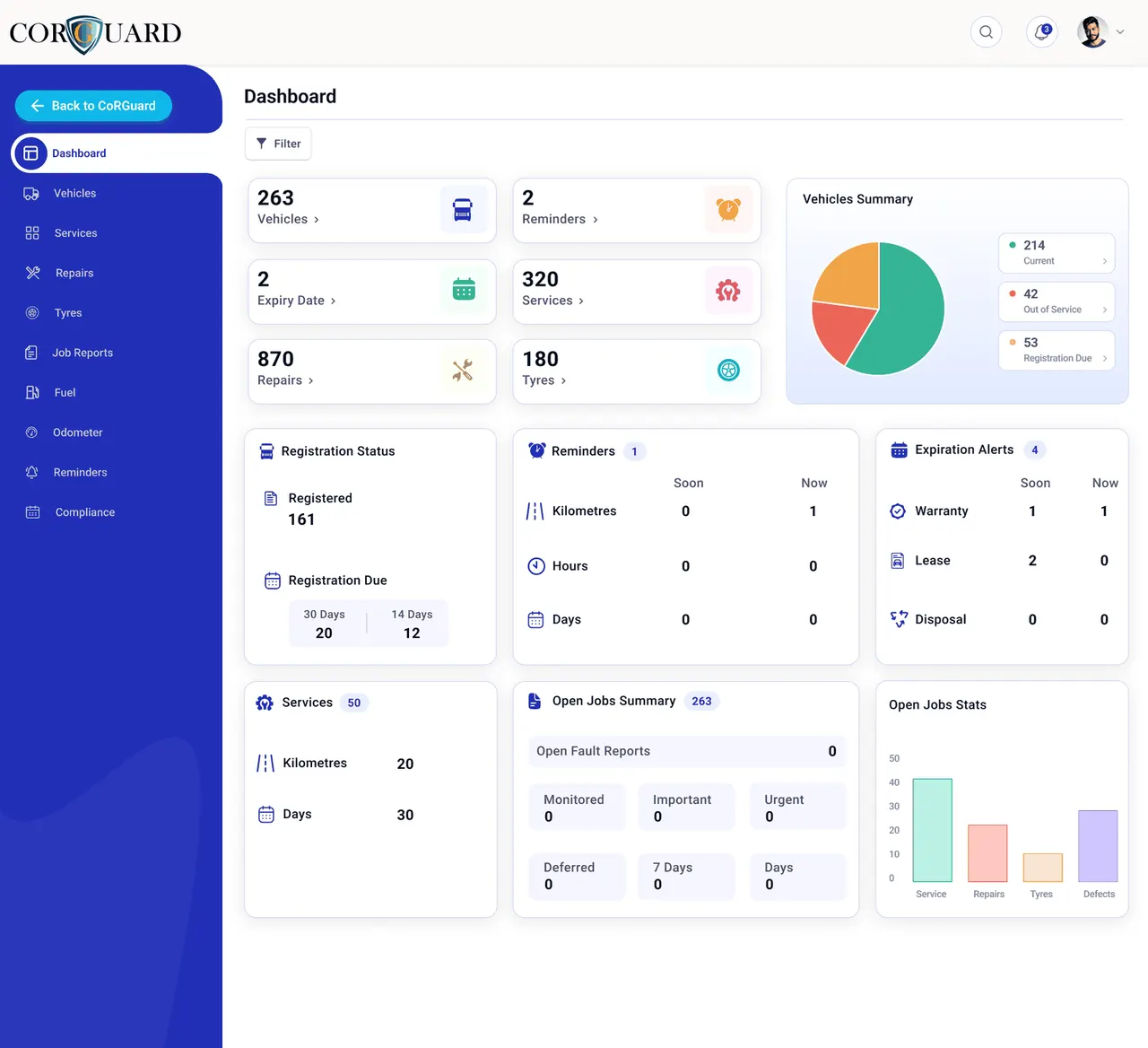
Daily fleet activity has to connect back to duties, controls, and review.

Due diligence means knowing whether the safety system is actually working.

Proof that freight promises do not create unsafe transport pressure.
Consignors
Freight terms, delivery windows, and KPIs must not push drivers into speed, fatigue, or mass breaches.
Consignees
Receiving rules, site access, and unloading delays are CoR controls that need to be set and evidenced.
Loaders
Mass, dimension, and load restraint decisions need documented checks, not assumptions.
Managers
Executives and managers need due-diligence evidence that the Safety Management System is actually working.
Why driver-facing cameras matter for Australian transport
HVNL duties, road safety, and the case for in-cab visibility
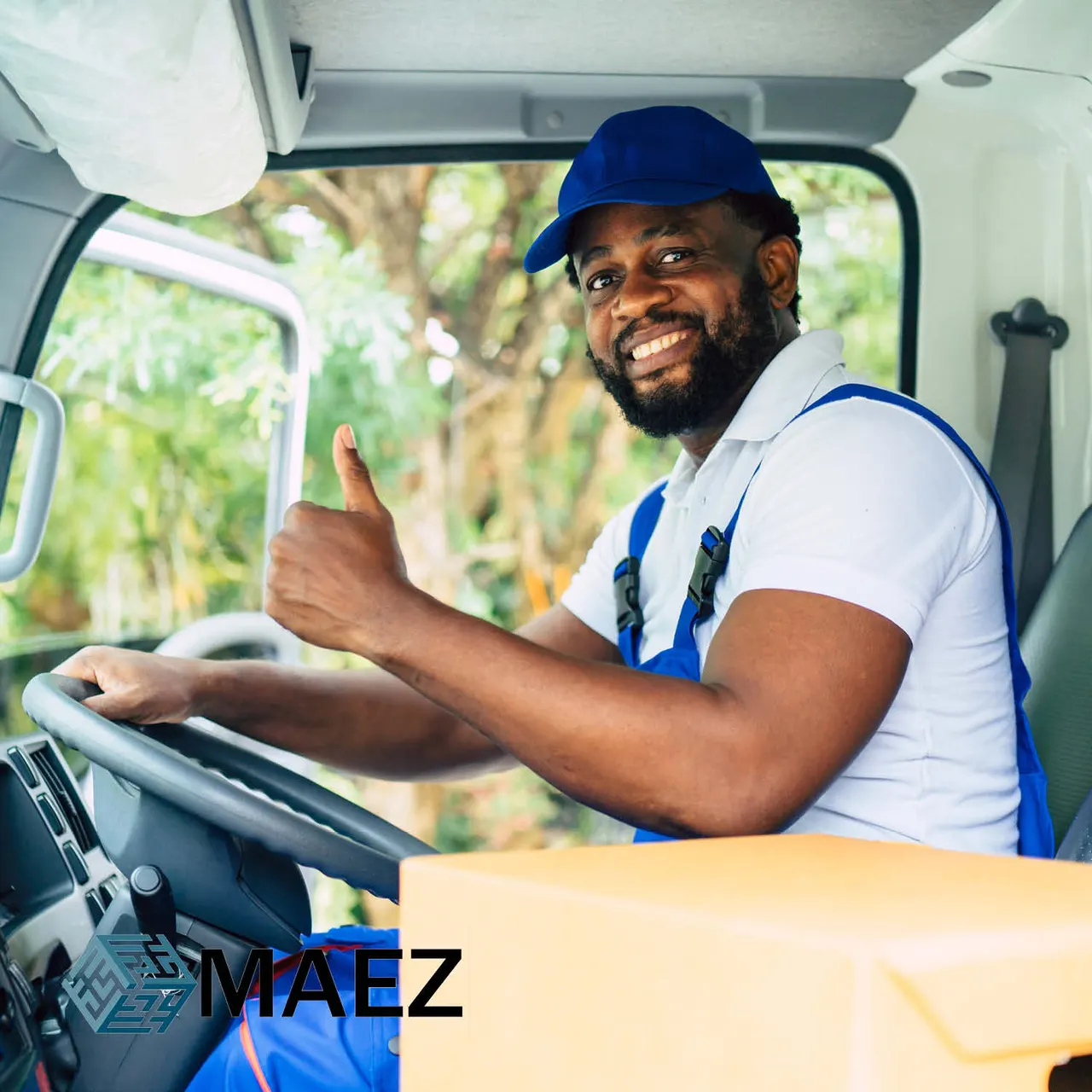
Driver-facing cameras are in-cab camera systems that record driver behaviour and road conditions to help Australian transport operators improve road safety, support accident investigations, and demonstrate active risk management under the Heavy Vehicle National Law. When integrated with a broader Safety Management System, the footage they capture can form part of the evidence an operator presents during an NHVAS audit or a regulator review.
The HVNL's primary duty provisions require parties in the Chain of Responsibility to eliminate or minimise risks so far as is reasonably practicable. A camera system that captures driver behaviour and road conditions can be part of a broader Safety Management System (SMS) that helps an operator meet that obligation.
When deployed thoughtfully, driver-facing cameras also support the evidence trail that operators need to demonstrate active risk management. For more on how shared responsibility works under the HVNL, see About Chain of Responsibility.
What are the benefits of driver-facing cameras?
From hazard awareness to accident investigation evidence
Driver-facing cameras offer a range of practical safety benefits for transport operators:
- Improved communication between drivers and other road users, supporting more cooperative driving.
- Increased hazard awareness through real-time feedback that helps drivers recognise risks earlier.
- Faster reaction times as drivers become more conscious of their surroundings.
- Reduced accident likelihood through better situational awareness and decision-making.
- Reduced accident severity because footage can help determine cause and support timely response.
- Increased compliance with safety regulations as monitored behaviour encourages adherence to rules.
- Better data for accident investigations, helping identify root causes and preventative measures.
These benefits connect directly to the operator's duty to manage transport-related risks. Footage and telematics data can form part of the evidence an operator presents during an NHVAS audit or a regulator review.
Types of driver-facing camera systems
Choosing the right technology for your fleet
Several types of driver-facing camera systems are available, each with advantages and trade-offs. The right choice depends on your fleet size, budget, and compliance needs.
On-board camera systems
Typically the most feature-rich option, mounted on the vehicle and capable of integrating with GPS and other vehicle systems for comprehensive data capture.
In-cab camera systems
Mounted inside the cab to monitor driver behaviour. Less expensive than fully integrated on-board systems, but can be harder to install and maintain.
Chain of Responsibility camera systems
Designed for the transport industry and suited to larger fleets. These systems can be customised to support accountability across all drivers in your organisation.
SMS-based camera systems
The most affordable option, using SMS technology to transmit images to a central monitoring system. Less reliable and feature-limited compared to other types.
Regardless of the system type, the goal is the same: capture useful evidence that supports your Safety Management System and helps prove that controls are working.
How to select the right system for your organisation
Key factors to evaluate before you buy
Choosing a driver-facing camera system requires balancing functionality, cost, and compliance. Consider the following factors:
- Budget — Determine what you can spend upfront and ongoing, then match a system to those constraints.
- Integration with existing systems — If you already run vehicle monitoring or telematics, look for a camera system that integrates cleanly to avoid siloed data.
- Scalability — Ensure the system can grow with your fleet, especially if expansion is on the horizon.
- Ease of installation and maintenance — Minimise downtime by choosing a system with accessible local support.
- Data storage and retrieval — Understand whether data is stored locally, in the cloud, or both, and how quickly you can retrieve footage when needed.
- Training and support — Drivers and staff need proper training to use the system and interpret its data effectively.
- Compliance with industry regulations — Confirm the system meets applicable standards, particularly around data privacy and security.
- Customisability — Choose a system that can adapt as your operational requirements change.
- Network and connectivity — Evaluate whether cellular, Wi-Fi, or satellite connectivity best suits your operating areas.
- Security features — Protect sensitive data and prevent unauthorised access, especially if you operate under data protection obligations.
For operators preparing for NHVAS accreditation or a CoR audit, the ability to retrieve clear, timestamped footage can be a decisive part of your evidence base.
Implementing driver-facing cameras effectively
Policies, training, monitoring, and continuous improvement
Selecting a system is only the first step. Effective implementation determines whether the cameras actually improve safety and support compliance.
Develop clear policies and procedures
Establish written guidelines covering when cameras operate, who can access footage, how long data is retained, privacy considerations, and disciplinary measures for misuse or non-compliance.
Train drivers and staff
Provide thorough training on the proper use of the camera system and on how to interpret and act on the data it produces. Well-trained drivers are more likely to see cameras as a safety tool rather than a surveillance mechanism.
Monitor and evaluate regularly
Review system performance and driver compliance on an ongoing basis. Use the findings to identify areas for improvement and confirm the system is functioning as intended.
Use data for continuous improvement
Leverage the footage and analytics to refine driver training programs, update maintenance schedules, and strengthen safety protocols. This closed-loop approach aligns with the continuous improvement expectations built into a robust SMS.
Connecting cameras to your Chain of Responsibility obligations
Evidence, training, and the broader compliance picture
Driver-facing cameras do not exist in isolation. They are one control within a wider set of Chain of Responsibility obligations that apply to every party in the transport chain — from consignors and loaders to operators and executives.
Under the HVNL, each party has a duty to ensure, so far as is reasonably practicable, the safety of their transport activities. Camera footage can help demonstrate that an operator is actively monitoring driver behaviour, identifying risks, and taking corrective action.
To build a complete compliance picture, pair camera data with structured Chain of Responsibility training so that drivers, managers, and executives understand their shared duties. For a deeper review of your current controls, CoR consulting can help identify gaps before an auditor or regulator does.
If you are unsure where your obligations start or what training your team needs, contact MAEZ for a practical review tailored to your operation.
How MAEZ works
Find the gaps. Fix the system. Prove the controls.
MAEZ helps transport operators deal with the compliance risk they already know is there. We help get the Safety Management System in order, protect NHVAS accreditation, reduce fine exposure, and connect training, evidence, and CoRGuard workflows where software is needed.
Find
Identify what is exposed before an auditor or regulator does.
Fix
Build the SMS controls around how the transport business actually runs.
Prove
Use CoRGuard where records, reminders, diaries, audits, and evidence need structure.
From advice to evidence
From MAEZ advice to a working Safety Management System
Advisory work should leave a practical implementation trail. These examples show how CoRGuard supports records, fatigue and driver diary checks, maintenance, audits, document control, inductions, corrective actions, and evidence review after MAEZ identifies the gaps.
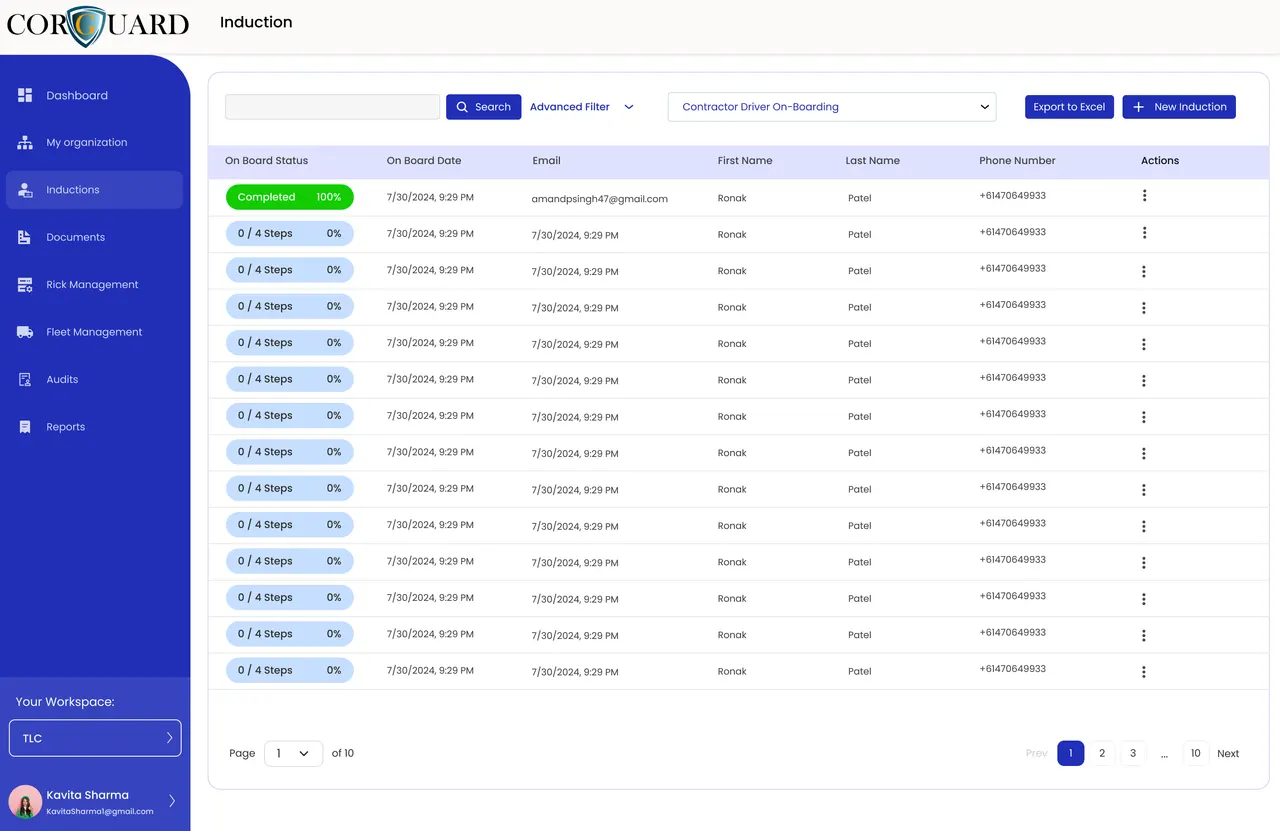
Training records
Connect training completion from cortraining.com.au to evidence and follow-up.
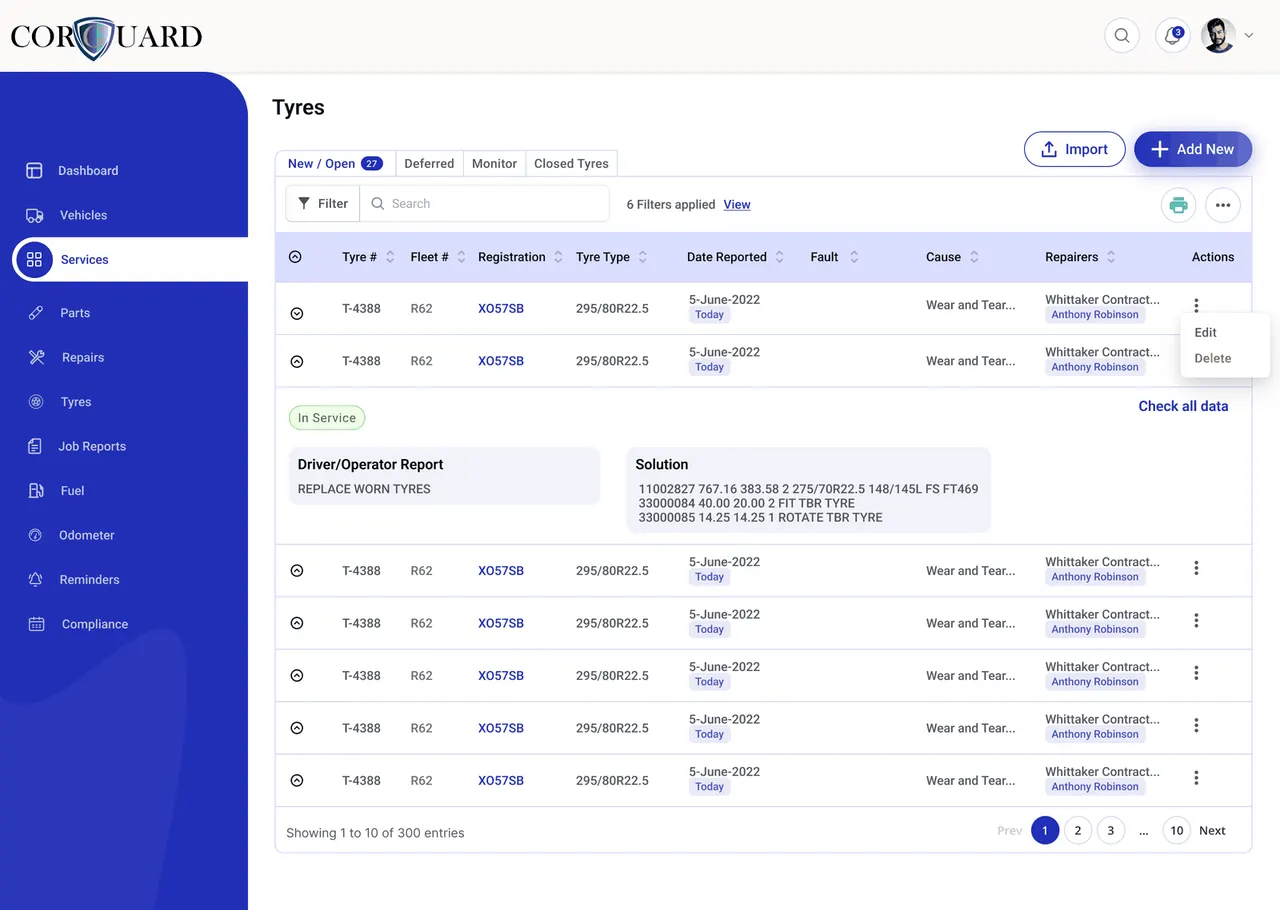
Driver diary checks
Connect fatigue and driver diary review back to manager visibility.
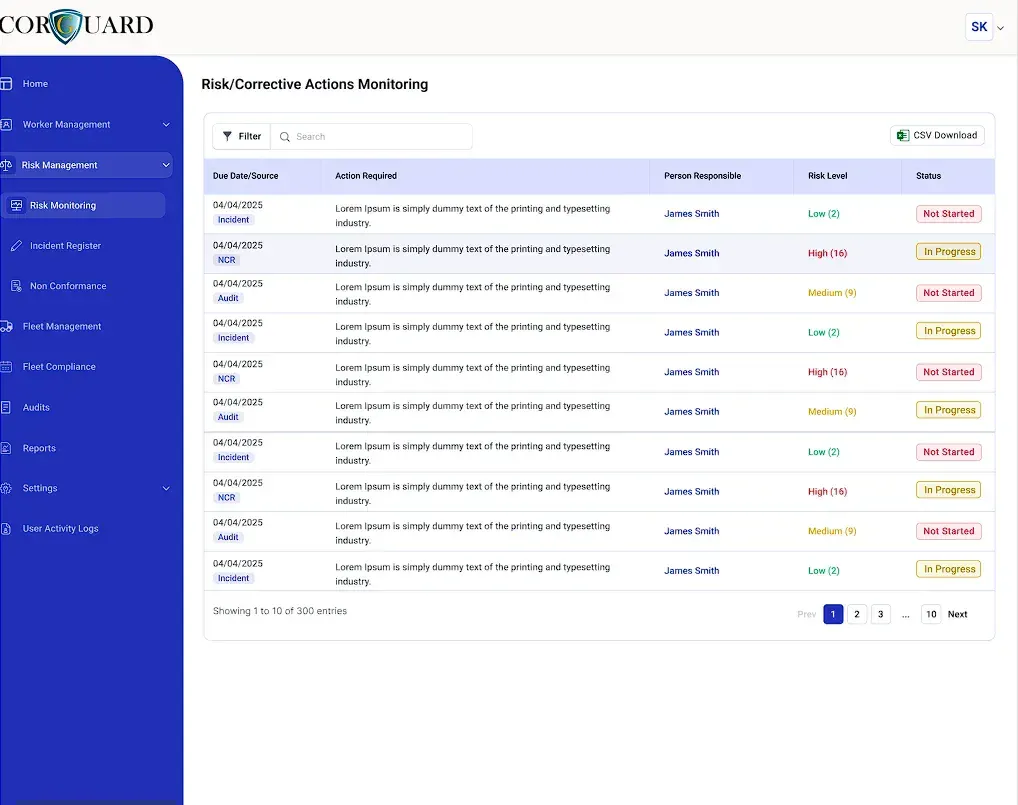
Corrective actions
Turn audit findings, hazards and incidents into tracked actions.
Keep exploring
Related Chain of Responsibility reading
MAEZ resource
Chain of Responsibility Training Sydney
Practical Chain of Responsibility training for Sydney transport operators, schedulers, loaders and executives — delivered on-site across Sydney or online, mapped to the current HVNL.
MAEZ resource
Chain of Responsibility Training Melbourne
Practical Chain of Responsibility training for Melbourne transport operators, schedulers, loaders and executives — delivered on-site across Melbourne or online, mapped to the current HVNL.
MAEZ resource
Chain of Responsibility Training Brisbane
Practical Chain of Responsibility training for Brisbane transport operators, schedulers, loaders and executives — delivered on-site across Brisbane or online, mapped to the current HVNL.
MAEZ resource
Chain of Responsibility Training Perth
Practical Chain of Responsibility training for Perth and WA transport operators, schedulers, loaders and executives — delivered on-site across Perth or online, covering WA's heavy vehicle laws and the HVNL for interstate work.
MAEZ resource
Chain of Responsibility Training Adelaide
Practical Chain of Responsibility training for Adelaide and South Australian transport operators, schedulers, loaders and executives — delivered on-site across Adelaide or online, mapped to the current HVNL.
Training
Training
MAEZ delivers practical Chain of Responsibility, HVNL, transport safety, and risk training for Australian businesses that need people to understand their role in the transport task.
Frequently asked questions
Questions people ask about this topic
Do driver-facing cameras help meet HVNL primary duty obligations?
Driver-facing cameras can form part of a broader Safety Management System that helps operators demonstrate they are actively monitoring driver behaviour and managing transport-related risks, supporting the HVNL's requirement to eliminate or minimise risks so far as is reasonably practicable.
What type of driver-facing camera system is best for a large fleet?
On-board camera systems and Chain of Responsibility camera systems are best suited to larger fleets, as they offer richer integration with GPS and telematics and can be customised to support accountability across all drivers in the organisation.
How should operators handle privacy concerns when implementing driver-facing cameras?
Operators should establish written policies covering when cameras operate, who can access footage, how long data is retained, and disciplinary measures for misuse, ensuring drivers receive thorough training so cameras are understood as a safety tool rather than a surveillance mechanism.
Can driver-facing camera footage be used as evidence in an NHVAS audit?
Yes, clear timestamped footage and telematics data from driver-facing cameras can form part of the evidence an operator presents during an NHVAS audit or regulator review to demonstrate active risk management and control effectiveness.
Do driver-facing cameras replace Chain of Responsibility training?
No, cameras are one control within a wider set of Chain of Responsibility obligations. They should be paired with structured CoR training so drivers, managers, and executives understand their shared duties and how camera data fits into the broader compliance picture.