
MAEZ insight
Ensuring a Strong Chain of Responsibility: Key Steps
Learn how to build reliable Chain of Responsibility systems with proper request distribution across handlers, clear termination rules, and practical implementation steps for transport compliance.
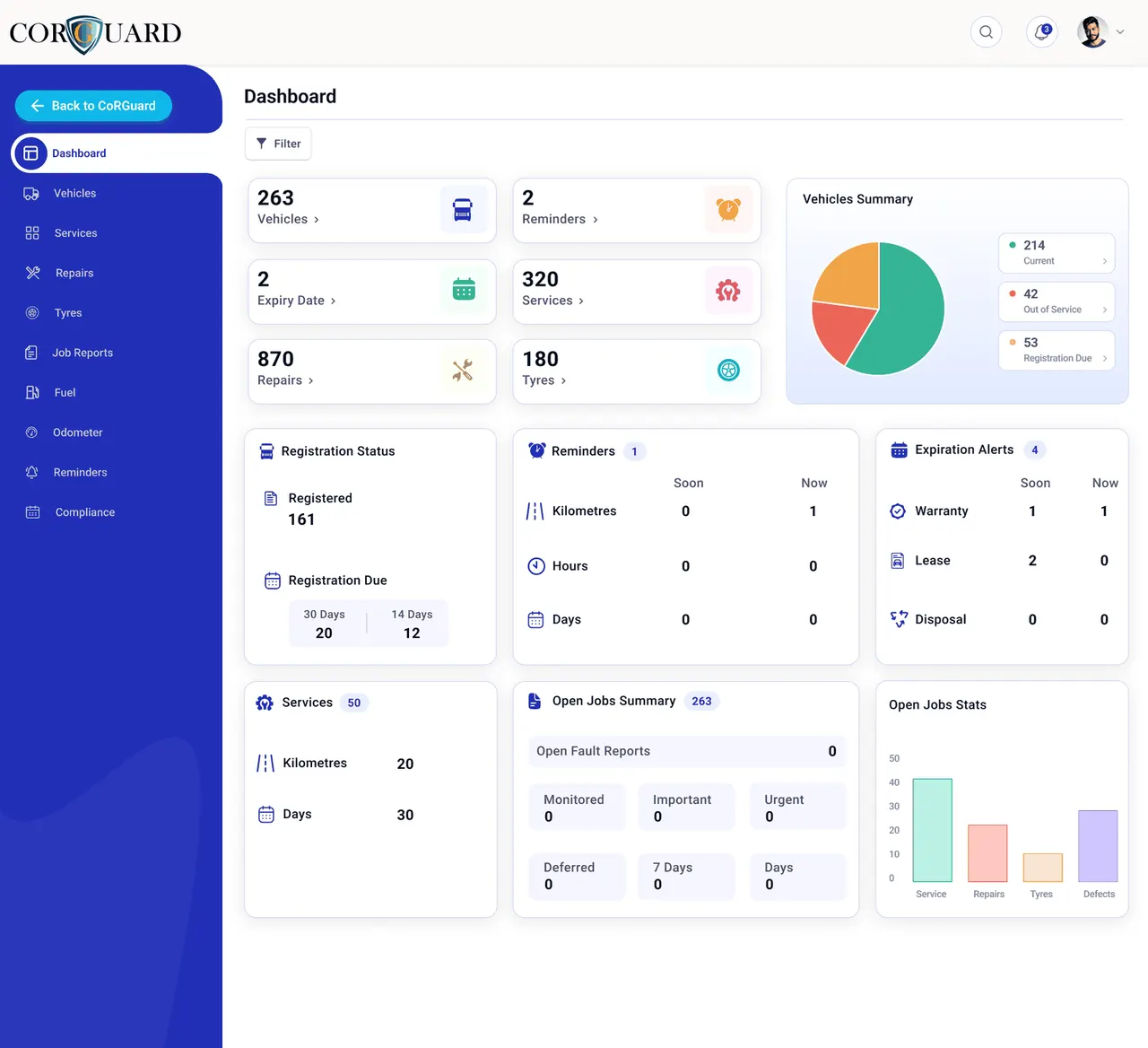
Daily fleet activity has to connect back to duties, controls, and review.

Due diligence means knowing whether the safety system is actually working.

Proof that freight promises do not create unsafe transport pressure.
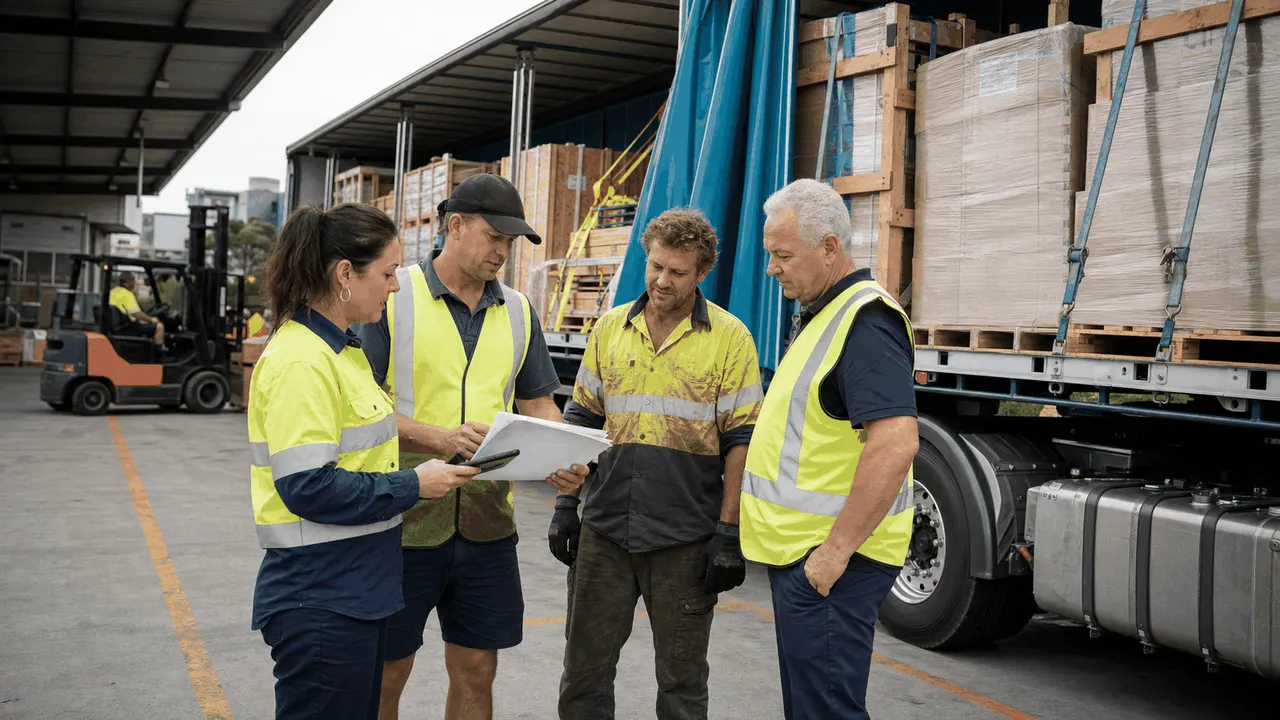
Loading controls need evidence, not assumptions.
Consignors
Freight terms, delivery windows, and KPIs must not push drivers into speed, fatigue, or mass breaches.
Consignees
Receiving rules, site access, and unloading delays are CoR controls that need to be set and evidenced.
Loaders
Mass, dimension, and load restraint decisions need documented checks, not assumptions.
Managers
Executives and managers need due-diligence evidence that the Safety Management System is actually working.
What makes a strong Chain of Responsibility?
A behavioural design pattern applied to transport safety duties

A strong Chain of Responsibility distributes transport safety duties across every party in the chain — operators, executives, consignors, loaders, and managers — so each handler checks, processes, or forwards responsibility without tight coupling. Building it requires a defined handler interface, a base handler for shared logic, concrete handlers for specific duties, and a client that assembles and initiates the chain.
The Chain of Responsibility is a behavioural design pattern that distributes a request across a sequence of handlers. Each handler decides whether to process the request or forward it to the next handler in the sequence. This decouples senders from receivers — the component that issues a request does not need to know which specific object will handle it.
In transport compliance, the same principle applies: daily fleet activity must connect back to duties, controls, and review. Each party in the chain carries specific obligations under the HVNL, which establishes that safety is a shared responsibility across all parties in the transport chain. Learn more about Chain of Responsibility obligations and the duties each party holds.
The pattern solves a specific problem: when multiple objects might handle a request, you need a way to distribute responsibility without tight coupling. Different handlers validate, authenticate, log, or route requests, and each performs specific checks or transformations.
How request flow works through the chain
Request processing, outcomes, and handler interface design
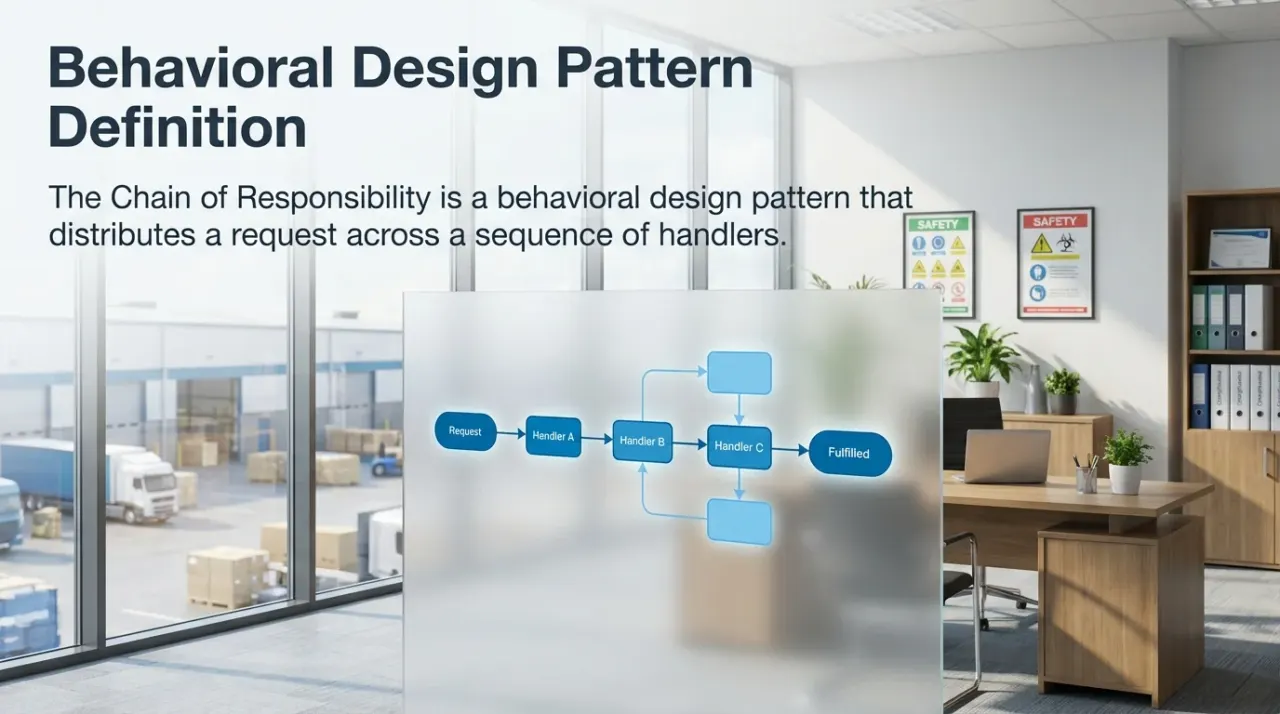
Request processing follows a predictable flow through the handler chain. A client creates a request and passes it to the first handler. The handler evaluates whether it can process the request based on its responsibilities.
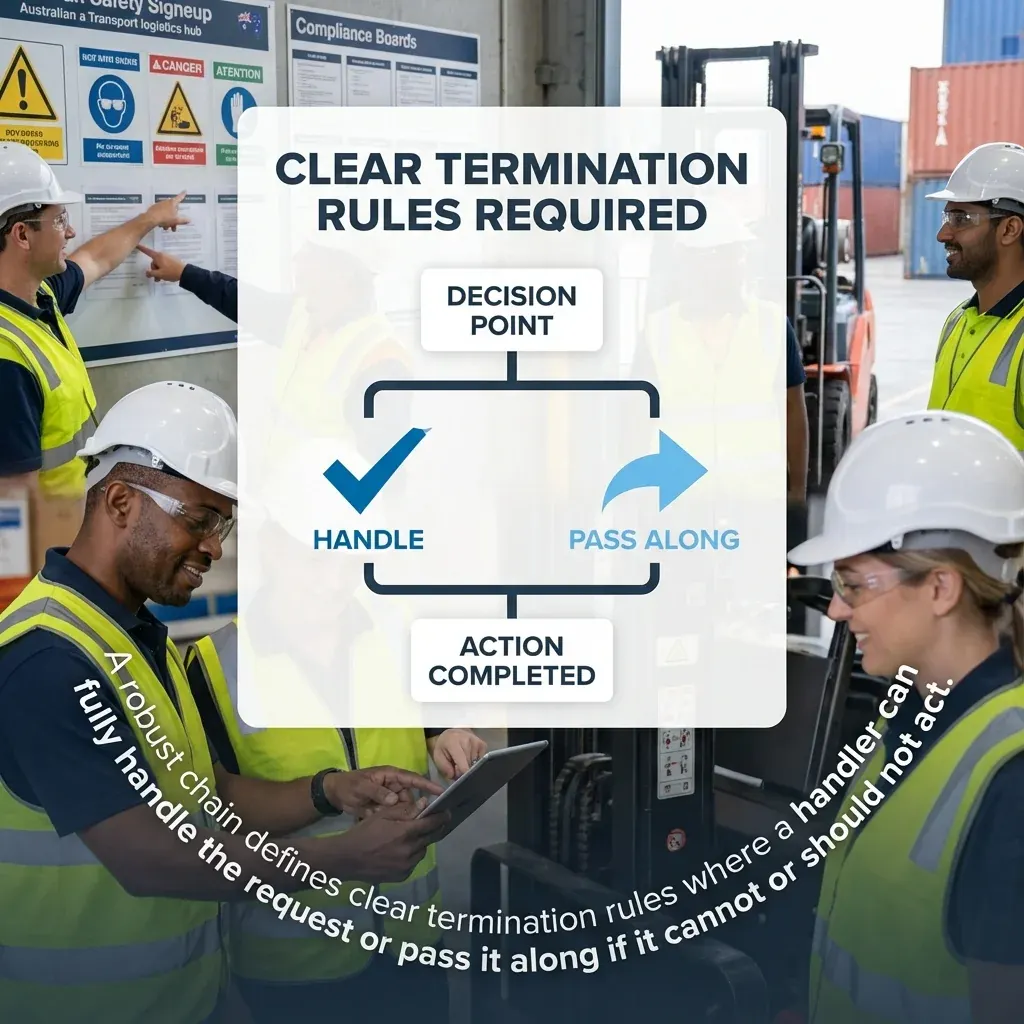
Three outcomes can occur at each handler:
- The handler processes the request and stops the chain
- The handler processes the request and passes it forward
- The handler skips processing and immediately forwards the request
Handler interface design
The handler interface defines two key responsibilities. First, it declares a method for processing requests (typically called handle or process). Second, it provides a mechanism for setting the next handler in the chain, creating the linked structure that enables sequential processing.
Most implementations use a base handler abstract class rather than a pure interface. The base handler stores the next handler reference and provides default forwarding behaviour, reducing code duplication. Concrete handlers inherit the forwarding mechanism without reimplementing it.
Middleware-style pipelines
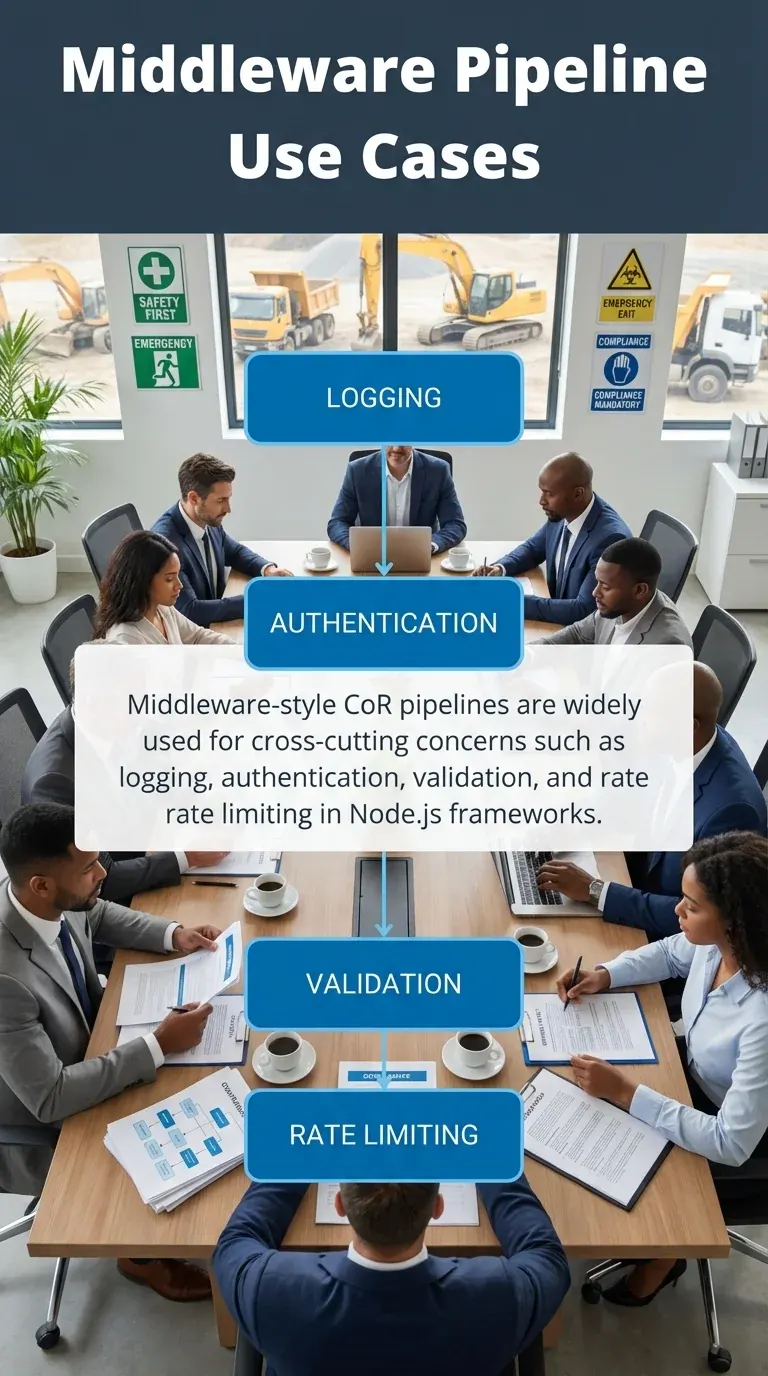
Middleware-style pipelines are widely used for cross-cutting concerns such as logging, authentication, validation, and rate limiting. Each middleware function processes the request and calls the next handler in sequence, creating a pipeline where every handler contributes to the final outcome. This mirrors how transport compliance controls layer across consignors, loaders, operators, and drivers — each contributes checks before the task proceeds.
Solving coupling problems with dynamic composition
Why traditional approaches fail and how the chain pattern helps
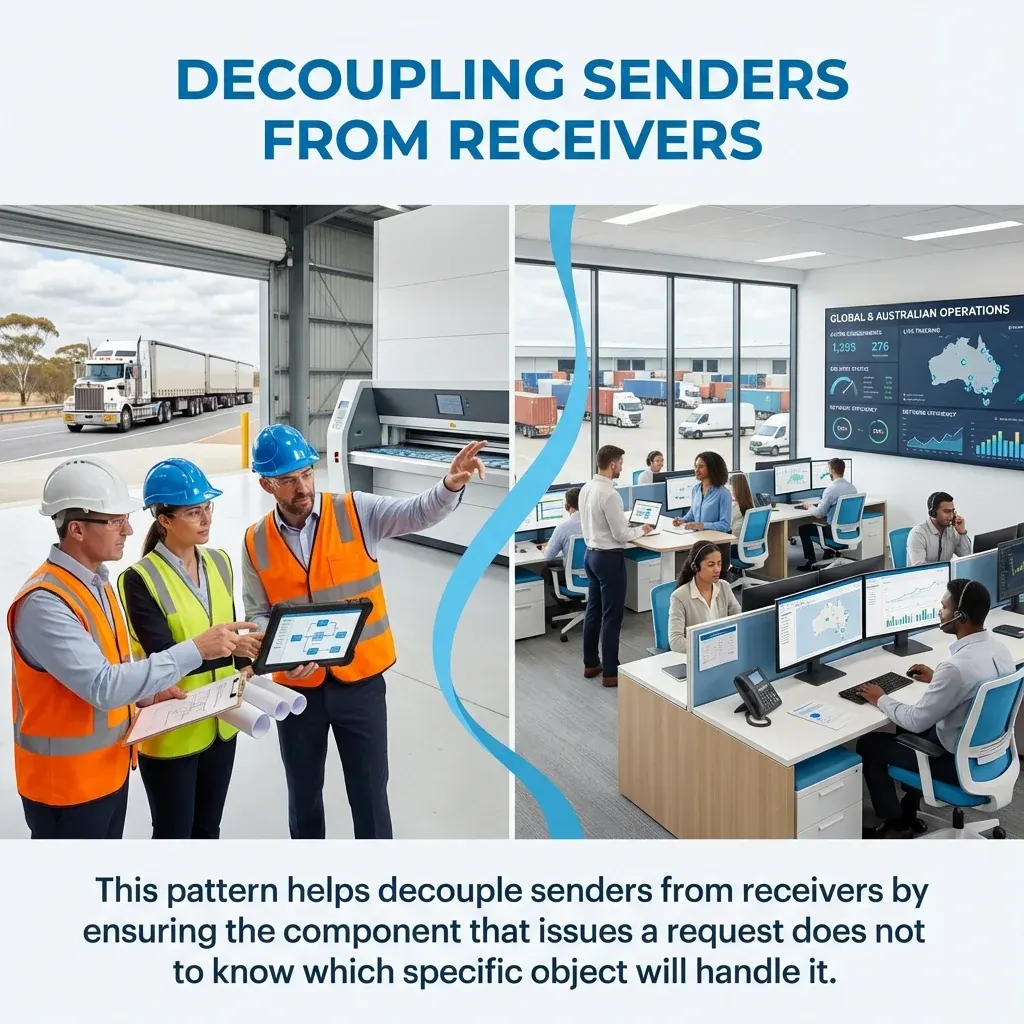
Software systems often face requests that require multiple processing steps. Traditional approaches create tight coupling between request senders and receivers — the sender must know which receiver handles each request type. This knowledge scales poorly: adding new request types means updating sender logic, and changing handler assignments requires modifying multiple locations.
The Chain of Responsibility pattern solves these problems through indirection. The sender only knows about the chain's entry point, not individual handlers. Handlers determine routing based on their internal logic.
Dynamic handler composition
Chains support runtime configuration of handler sequences. You can:
- Add or remove handlers without changing client code
- Reorder handlers to match changing business rules
- Insert temporary handlers to intercept requests under specific conditions
- Build different handler sequences for different request types, all initiated through the same interface
This flexibility proves valuable for systems with evolving requirements. New validation steps can slot into existing chains, and conditional chain construction allows different request types to use different handler sequences. For transport operators, this means compliance controls can adapt as duties, vehicles, or freight types change without rewriting the entire system.
Core components of a handler chain
Four building blocks for every implementation
Every Chain of Responsibility implementation contains four core components. Understanding these helps you build effective handler chains.
1. Handler interface
Declares the primary processing method, which accepts a request object and returns a response or status indicator. Most interfaces also include a method for linking handlers together. The setNext method often returns the handler itself, enabling fluent interface chaining when constructing handler sequences.
2. Base handler
An abstract class that implements common functionality shared across all handlers. It stores the next handler reference and provides default forwarding behaviour. Concrete handlers inherit this mechanism and override the handle method with custom logic.
3. Concrete handlers
Implement specific processing logic. Each handler checks whether it should act on the request:
- A validation handler checks request parameters against business rules
- An authentication handler verifies user credentials
- A logging handler records request details
Handlers can choose different response strategies — some return immediately after processing, while others always forward to the next handler, creating pipeline behaviour.
4. Client
Assembles the chain by instantiating concrete handlers and linking them together. The client stores a reference to the first handler and uses it to initiate request processing.
Five steps to build a handler chain
From interface design to processing requests
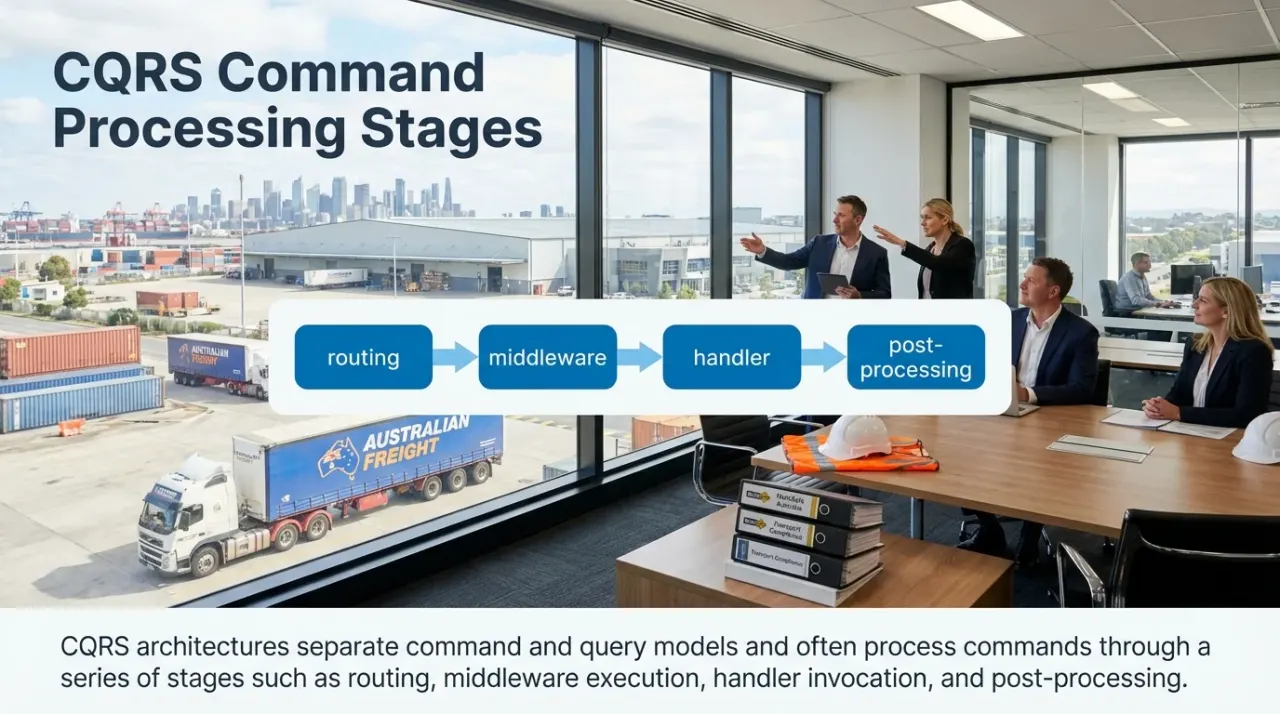
Building a handler chain follows a systematic process: start with interface design, build the base handler, implement concrete handlers, assemble the chain, and process requests.
Step 1: Define the handler interface
Identify the data that handlers need to process. Create a request object that encapsulates this data. Define the handler interface with two methods — handle for processing requests and setNext for linking handlers. Consider whether handlers should return values or use side effects like logging or state updates.
Step 2: Build the base handler
Implement the handler interface in an abstract base class. Store the next handler reference as a private field. Implement setNext to update this reference and return the handler instance for method chaining. Provide default handle behaviour that forwards to the next handler.
Step 3: Create concrete handlers
Extend the base handler for each specific processing responsibility. Override handle with custom logic, keeping each handler focused on a single responsibility. Decide whether each handler forwards requests after processing — pipeline-style handlers always forward, while selection-style handlers forward only when they cannot process the request.
Step 4: Assemble the chain
Instantiate concrete handler objects in the client code and link them together using setNext. Store a reference to the first handler — the client uses this reference to initiate request processing.
Step 5: Process requests
Call handle on the first handler to start processing. The handler chain manages the request flow automatically. Handle the response returned by the chain — some chains return null if no handler processed the request, while others guarantee a response.
Connecting system design to transport compliance
Turning pattern theory into practical CoR controls
The Chain of Responsibility pattern maps directly to how the HVNL distributes safety duties across parties in the transport chain. Under the HVNL's principle of shared responsibility, each party — consignor, consignee, packer, loader, driver, operator, and executive — holds a primary duty to ensure safety so far as is reasonably practicable. Executives of legal entities carry a distinct due diligence duty, and the law prohibits requests or contracts that would cause a breach.
Operationally, this means your compliance system needs concrete handlers for each party's role:
- Consignors verify that freight schedules and loads do not create unsafe pressure
- Loaders confirm load restraint and mass limits before dispatch
- Operators maintain vehicles, manage fatigue, and retain records
- Executives demonstrate due diligence that the safety system is working
- Managers review driver diaries, corrective actions, and audit findings
If you need help connecting these system-design principles to your transport compliance obligations, contact MAEZ for practical guidance, or explore our CoR consulting and CoR training options. A chartered risk lens review can also help identify where your chain breaks down and what to fix first.
How MAEZ works
Find the gaps. Fix the system. Prove the controls.
MAEZ helps transport operators deal with the compliance risk they already know is there. We help get the Safety Management System in order, protect NHVAS accreditation, reduce fine exposure, and connect training, evidence, and CoRGuard workflows where software is needed.
Find
Identify what is exposed before an auditor or regulator does.
Fix
Build the SMS controls around how the transport business actually runs.
Prove
Use CoRGuard where records, reminders, diaries, audits, and evidence need structure.
From advice to evidence
From MAEZ advice to a working Safety Management System
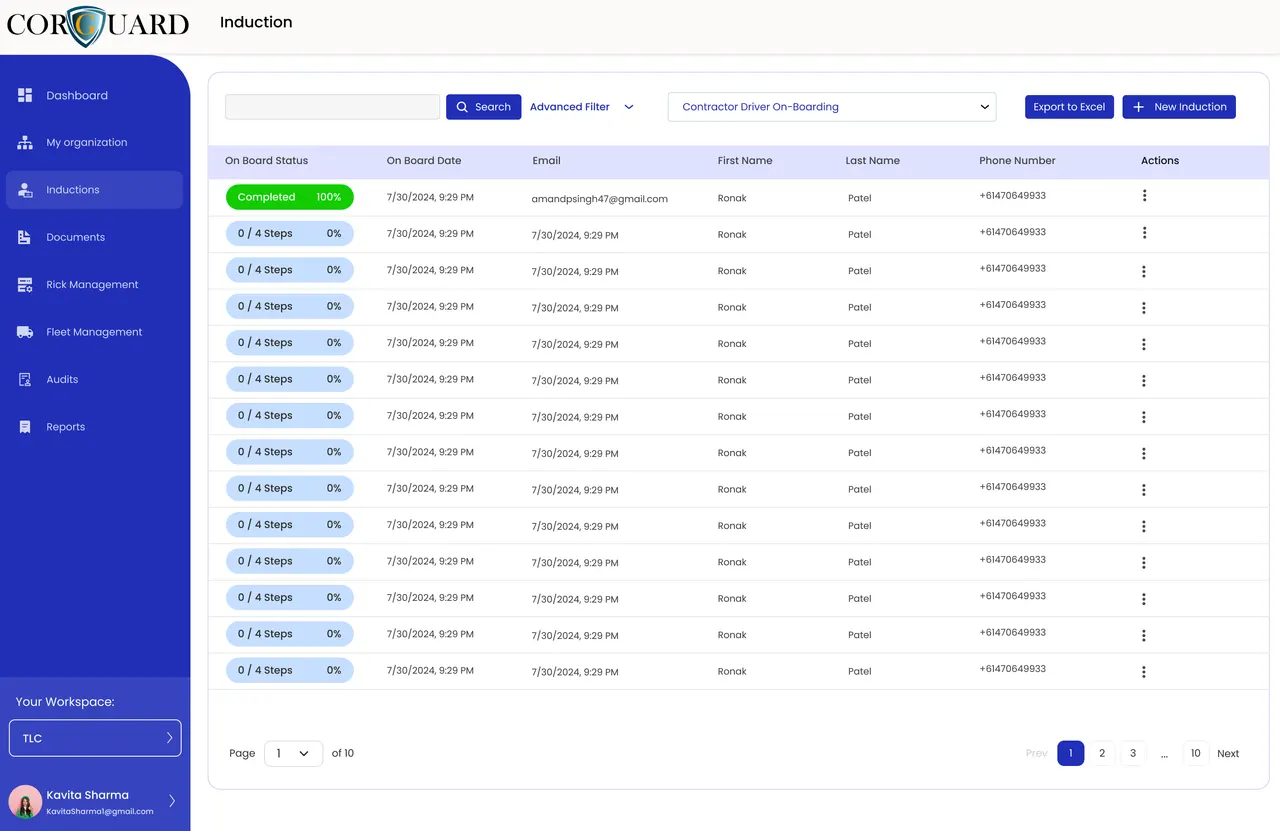
Advisory work should leave a practical implementation trail. These examples show how CoRGuard supports records, fatigue and driver diary checks, maintenance, audits, document control, inductions, corrective actions, and evidence review after MAEZ identifies the gaps.
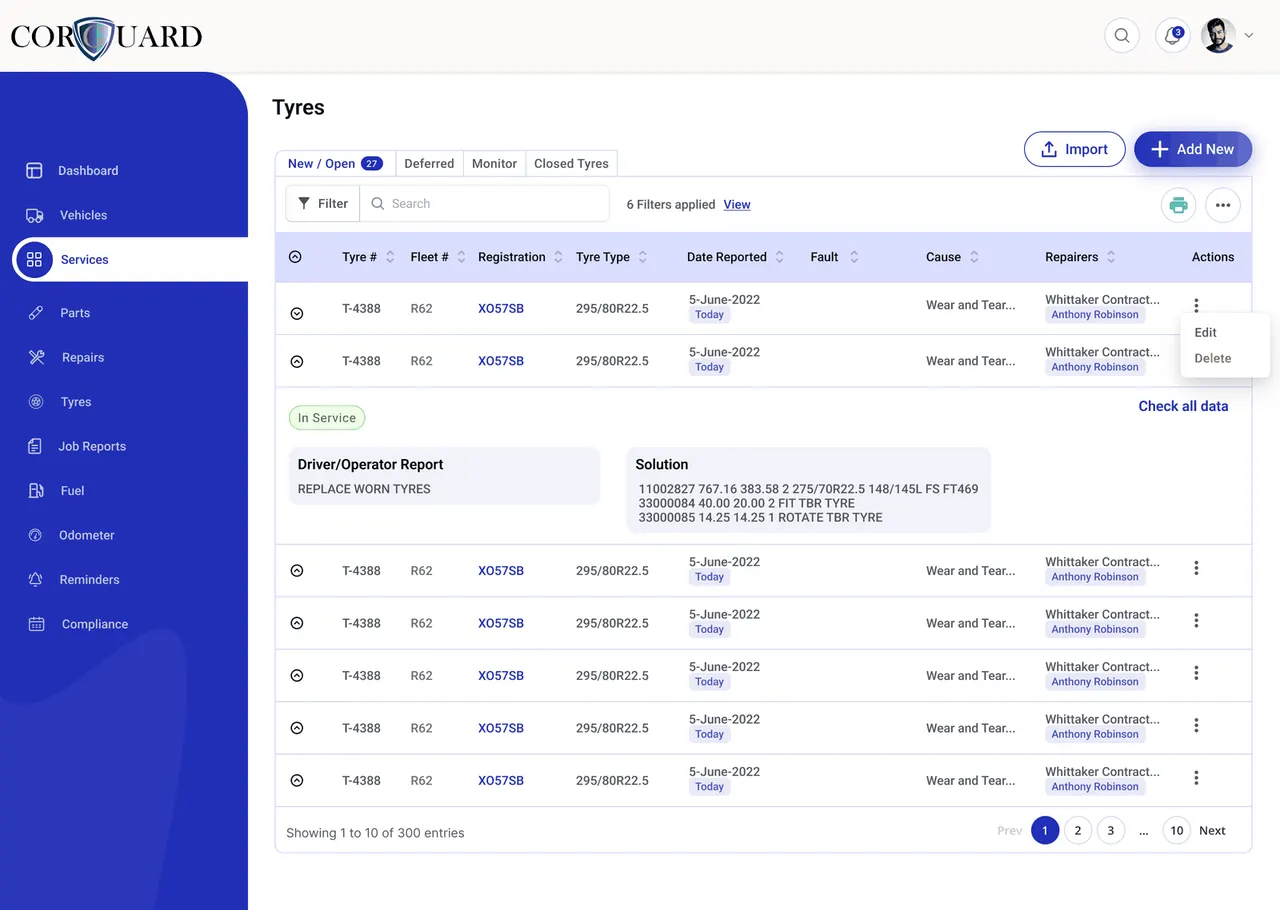
Training records
Connect training completion from cortraining.com.au to evidence and follow-up.
Driver diary checks
Connect fatigue and driver diary review back to manager visibility.
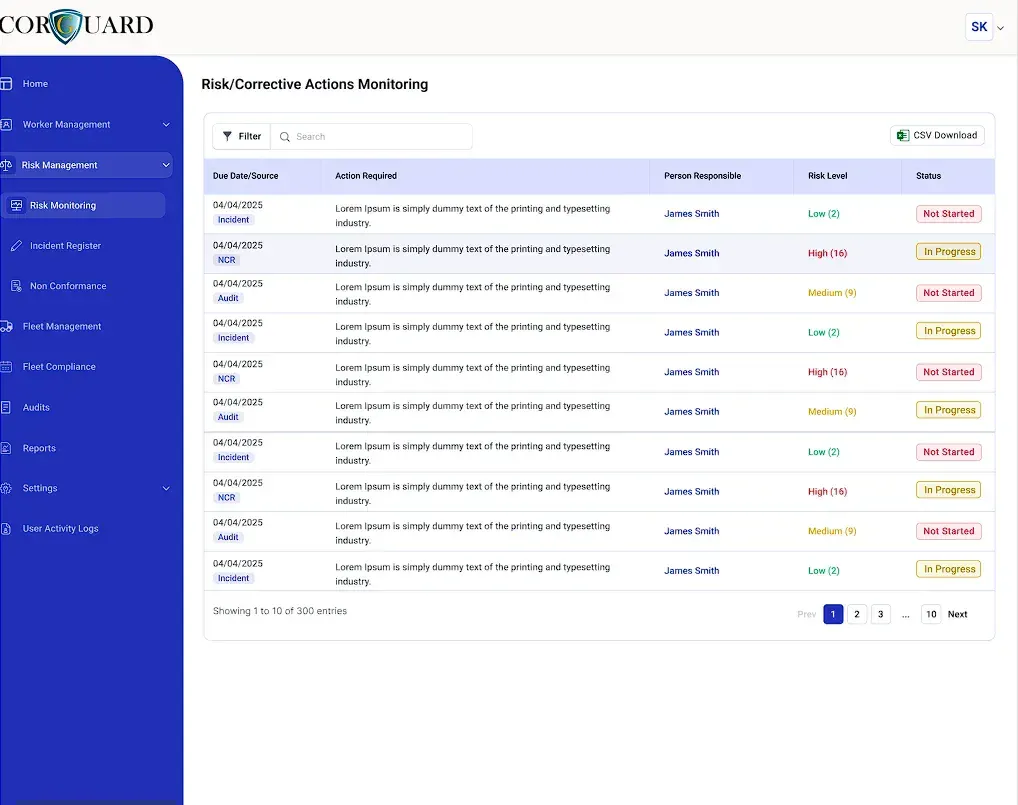
Corrective actions
Turn audit findings, hazards and incidents into tracked actions.
Keep exploring
Related Chain of Responsibility reading
MAEZ insight
Ensuring CoR Compliance: A Comprehensive Guide
Discover how to ensure CoR compliance with our comprehensive guide, focusing on systematic safety management and regulatory adherence.
MAEZ insight
Understanding Safety Management System Software Essentials
Explore how Safety Management System software transforms incident prevention and compliance, offering essential tools for effective safety management.
MAEZ insight
Exploring Key Transport Safety Protocols for Safer Travel
Understand transport safety protocols for safer travel across roads, airways, and waterways. Learn how regulatory and operational standards protect us.
MAEZ insight
Understanding Common Transport Safety Challenges
Explore common transport safety challenges impacting the industry. Learn how to mitigate risks and enhance safety in your supply chain.
MAEZ insight
Essential Checklist for Managing Supply Chain Risks
Discover a comprehensive supply chain risk management checklist to safeguard your network from financial, regulatory, and cybersecurity threats.
MAEZ insight
Effective Strategies for Supply Chain Risk Management
Discover best practices in supply chain risk management to minimize disruptions and financial losses. Learn to leverage technology and supplier networks effectively.
Frequently asked questions
Questions people ask about this topic
What is the Chain of Responsibility design pattern?
The Chain of Responsibility is a behavioural design pattern that distributes a request across a sequence of handlers. Each handler decides whether to process the request or forward it to the next handler, decoupling the sender from the receiver so the sender does not need to know which object will handle the request.
How does the Chain of Responsibility pattern apply to transport compliance?
In transport compliance, the pattern mirrors the HVNL's principle of shared responsibility: each party in the transport chain — operators, executives, consignors, loaders, and managers — acts as a handler with specific safety duties, checking and processing obligations before forwarding responsibility to the next party.
What are the four core components of a handler chain?
Every handler chain has four components: a handler interface that declares the processing method, a base handler that stores the next-handler reference and provides default forwarding, concrete handlers that implement specific processing logic, and a client that assembles the chain and initiates request processing.
What are the five steps to build a handler chain?
The five steps are: define the handler interface, build the base handler, create concrete handlers, assemble the chain by linking handlers with setNext, and process requests by calling handle on the first handler in the chain.
How do handlers decide whether to process or forward a request?
Each handler evaluates the request against its own criteria and produces one of three outcomes: process the request and stop the chain, process the request and pass it forward, or skip processing and immediately forward it to the next handler.