
MAEZ insight
What Is Chain of Responsibility 2.0? HVNL Duties, 2026 SMS Changes
Understand Chain of Responsibility under the HVNL: who it covers, the primary duty, reasonably practicable measures, penalties, and the 2026 amendments making Safety Management Systems mandatory.

Proof that freight promises do not create unsafe transport pressure.
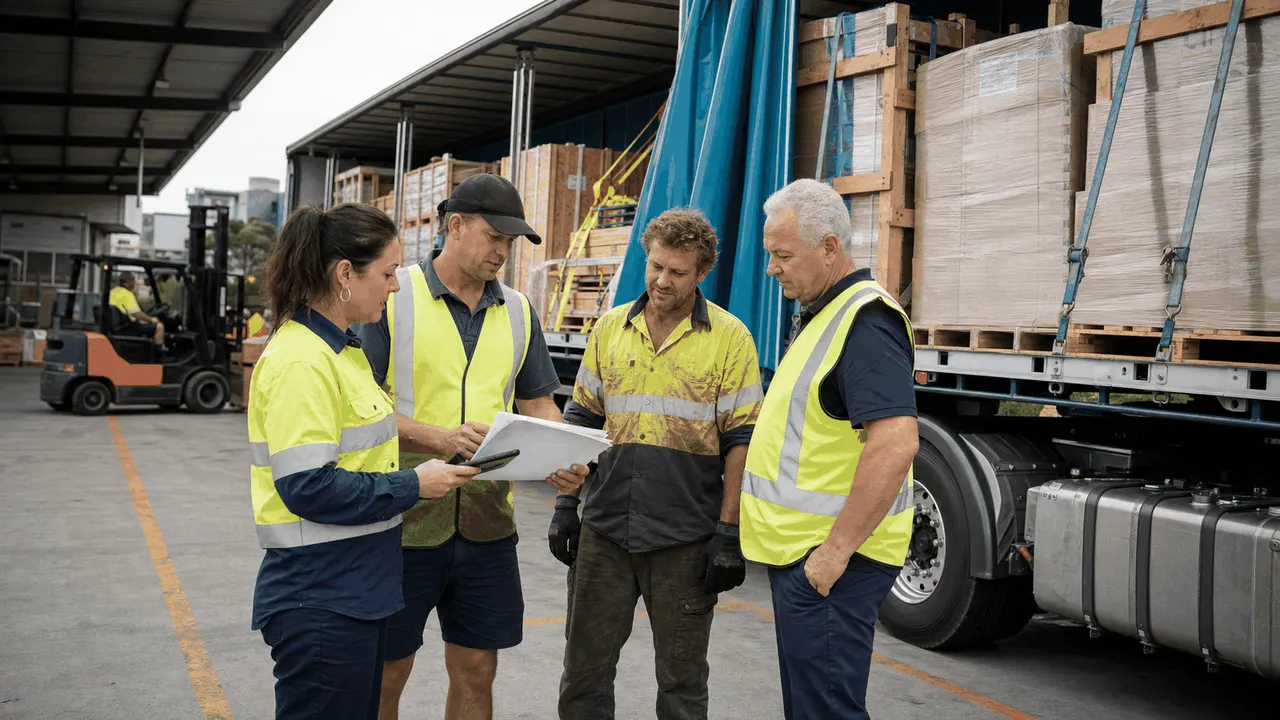
Loading controls need evidence, not assumptions.
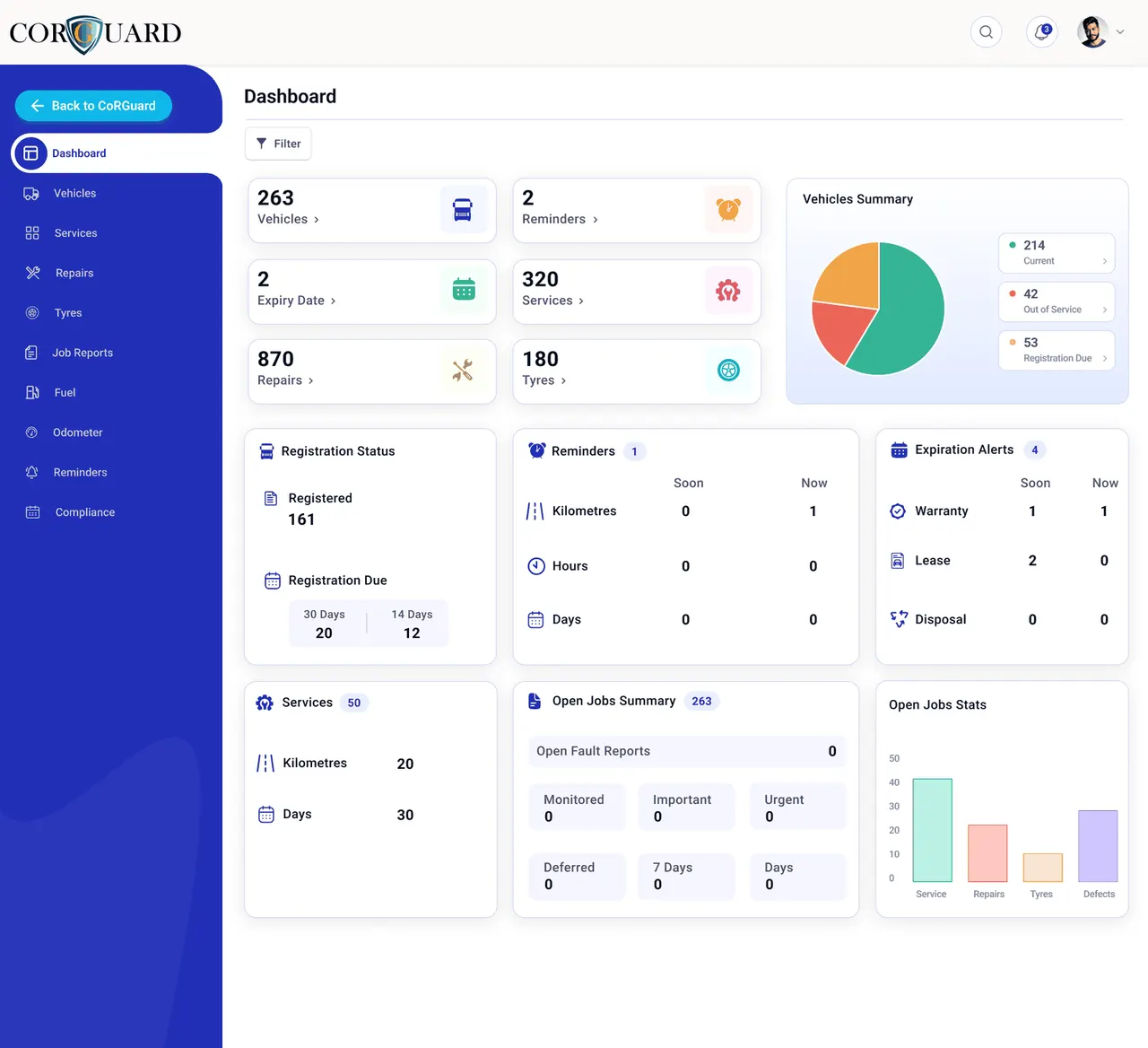
Daily fleet activity has to connect back to duties, controls, and review.

Due diligence means knowing whether the safety system is actually working.
Consignors
Freight terms, delivery windows, and KPIs must not push drivers into speed, fatigue, or mass breaches.
Consignees
Receiving rules, site access, and unloading delays are CoR controls that need to be set and evidenced.
Loaders
Mass, dimension, and load restraint decisions need documented checks, not assumptions.
Managers
Executives and managers need due-diligence evidence that the Safety Management System is actually working.
What is Chain of Responsibility?
The legal framework that makes transport safety everyone's responsibility

Chain of Responsibility (CoR) is a legal framework under the Heavy Vehicle National Law (HVNL) that extends transport safety obligations beyond drivers to every party who can influence safety outcomes in the supply chain. If you schedule freight, load vehicles, manage operations, or employ drivers, you hold legal duties. The HVNL establishes the principle of shared responsibility — the safety of transport activities relating to a heavy vehicle is the shared responsibility of each party in the chain of responsibility.
A duty under the HVNL may not be transferred to another person. It must be discharged to the extent that a party has the capacity to influence and control the relevant matter — including indirect influence through policies, procedures, or commercial arrangements.
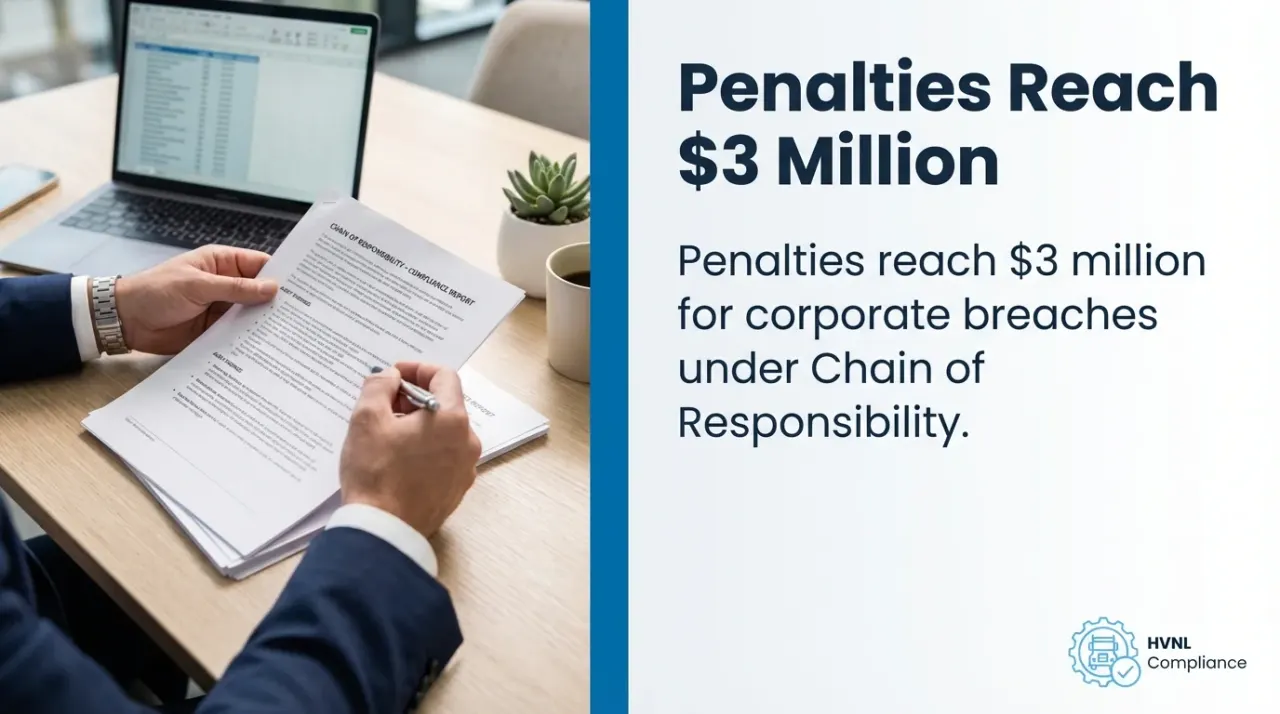
The consequences of getting this wrong are significant. Penalties can reach $3 million for corporations under severe risk-based CoR breaches. More importantly, meeting your CoR obligations protects your people, your operations, and your business reputation.
This guide covers who CoR applies to, what your primary duty requires, how reasonably practicable measures work, and the 2026 amendments that make Safety Management Systems a legal requirement. For a broader overview, see About Chain of Responsibility.
How the HVNL frames transport safety
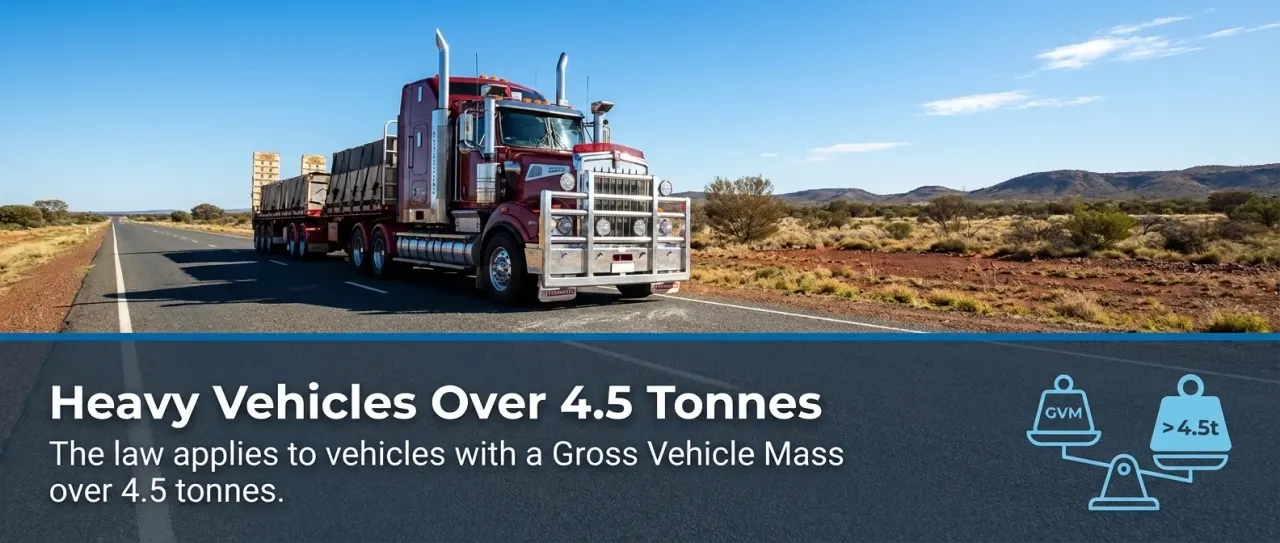
A single national law for vehicles over 4.5 tonnes GVM
The Heavy Vehicle National Law (HVNL) governs heavy vehicle operations across Australia. Passed in 2012 and implemented progressively across states, it created a single national framework for transport safety.
The law applies to vehicles with a Gross Vehicle Mass (GVM) over 4.5 tonnes, including trucks, prime movers, truck and trailer combinations, and buses. The HVNL introduced Chain of Responsibility as its core safety mechanism, recognising that many different parties influence the safety of a heavy vehicle on a road — not just the driver.
The National Heavy Vehicle Regulator (NHVR) administers the HVNL, providing guidance, developing codes of practice, and enforcing compliance across the supply chain.
Key HVNL compliance areas
- Fatigue management — rules governing work and rest hours for drivers, with accurate recording through written work diaries or Electronic Work Diaries (EWD).
- Mass and dimension — legal limits for vehicle weight and size; exceeding these creates serious safety risks and attracts substantial penalties.
- Load restraint — standards ensuring freight is secured properly so loads do not shift during transport and cause instability.
- Vehicle standards — roadworthiness, maintenance schedules, and equipment requirements; vehicles must meet minimum safety standards before entering service.
- Speed compliance — obligations extend beyond drivers to parties who influence speed decisions, including schedulers who set unrealistic delivery timeframes.
For practical support addressing these areas, explore CoR consulting from MAEZ.
What do the 2026 HVNL amendments change?
Safety Management Systems become a legal requirement
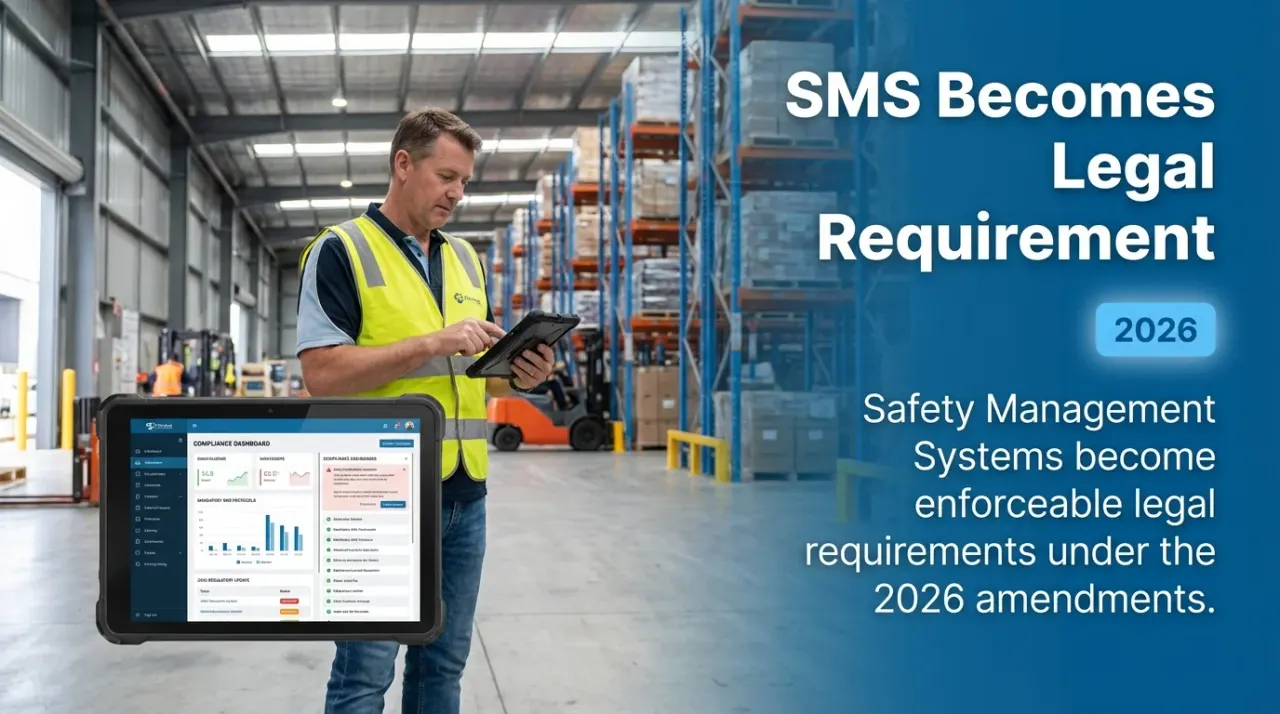
The Heavy Vehicle National Law Amendment Bill 2025 has been passed by Queensland's Parliament, confirming that significant changes will commence in mid-2026. These amendments represent the most substantial update to CoR since the HVNL began, strengthening obligations and clarifying expectations across the supply chain.
The most significant change involves Safety Management Systems. Previously recommended, Safety Management Systems become enforceable legal requirements under the 2026 amendments. Operators will need to implement and maintain an SMS that meets the prescribed standards.
The amendments also introduce clearer guidance on what constitutes reasonable steps, giving parties better direction on meeting their primary duty obligations. New codes of practice will provide practical guidance for specific industry sectors, helping parties understand their obligations in real-world contexts.
For a practical readiness guide, see HVNL 2026 changes and Chain of Responsibility training readiness. To prepare your team, consider Chain of Responsibility training.
Who is covered by Chain of Responsibility?
CoR reaches anyone who can influence transport safety outcomes
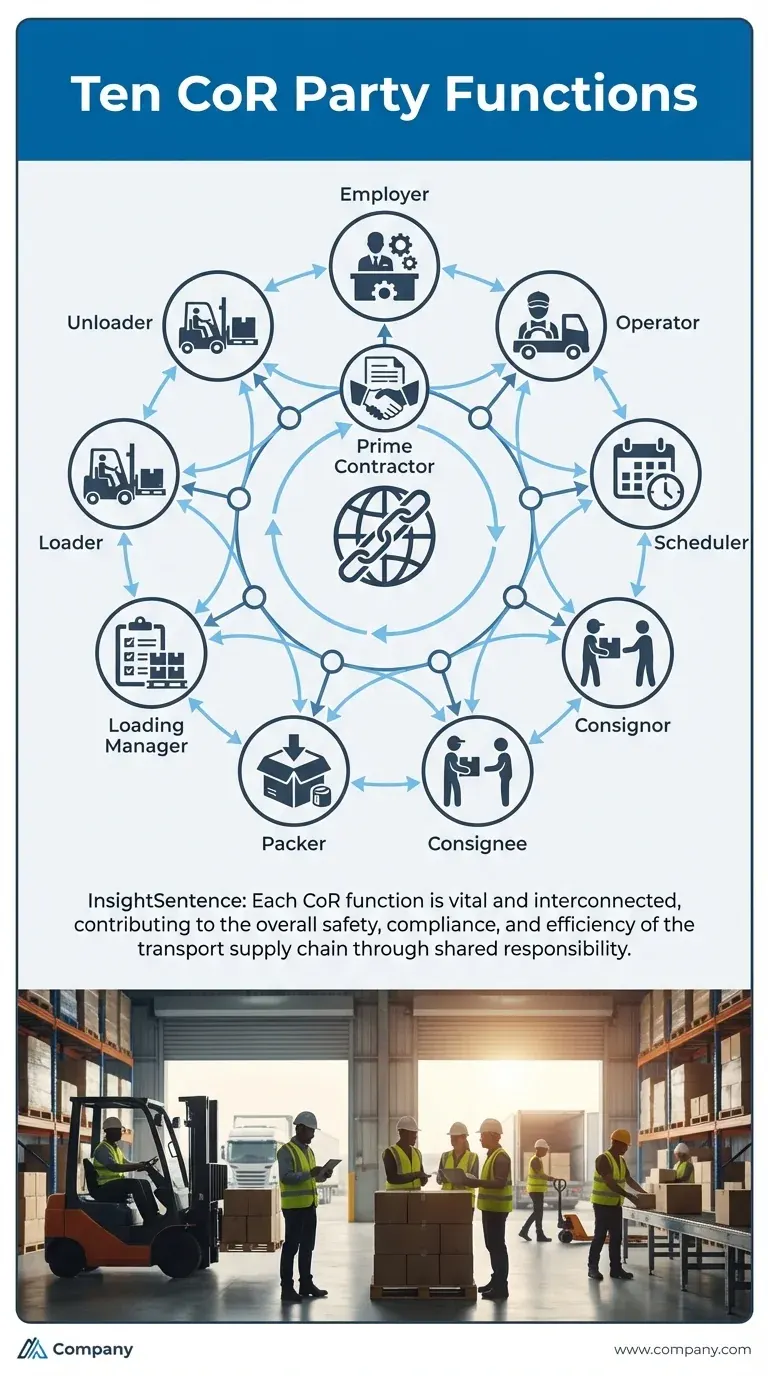
CoR does not apply to just one role. It reaches across the entire transport supply chain to anyone who can influence safety outcomes. The HVNL identifies ten specific party functions, each representing a role that can influence transport safety through decisions or actions.
The ten CoR party functions
- Employer — employs or engages drivers; hiring drivers, setting employment terms, providing training.
- Prime contractor — engages another party to transport goods; contracting transport operators, managing subcontractors.
- Operator — holds responsibility for vehicle operation; fleet management, vehicle maintenance, operational decisions.
- Scheduler — controls or influences driver work and rest times; setting delivery schedules, allocating jobs, planning routes.
- Consignor — consigns goods for transport; preparing freight, arranging transport, packaging goods.
- Consignee — receives transported goods; accepting deliveries, unloading requirements, booking appointments.
- Packer — packs goods into containers or onto vehicles; packing containers, securing cargo inside packages.
- Loading manager — supervises or controls loading; directing loading operations, managing loading areas.
- Loader — loads goods onto vehicle; physical loading, weight distribution, securing loads.
- Unloader — unloads goods from vehicle; physical unloading, managing unloading procedures.
Most businesses hold multiple party functions simultaneously. A manufacturer might be a consignor, scheduler, and loading manager all at once.
The control or influence test
CoR applies based on control or influence, not job titles. The law looks at what you actually do, not what your business card says. You are a CoR party if your decisions or actions affect transport safety outcomes — including indirect influence through policies, procedures, or commercial arrangements.
A scheduler who sets tight delivery timeframes exercises control over driver fatigue risks. A consignor who specifies loading methods influences load restraint outcomes. Even parties without direct operational involvement can be caught: finance departments that set payment terms encouraging speeding, or procurement teams that select the cheapest and potentially non-compliant carriers.
The test is simple: can your decisions or actions affect whether a driver complies with the HVNL? If yes, you are a CoR party.
What does the primary duty require?
Every CoR party must ensure safety so far as is reasonably practicable
Every CoR party must comply with the primary duty. This is the foundation of all HVNL obligations. The primary duty requires you to ensure the safety of your transport activities, so far as is reasonably practicable. This applies to the scheduling, loading, and operation of a vehicle.
The duty is positive and proactive. You must actively manage risks, not just avoid doing obviously dangerous things.
What the primary duty covers
- Fatigue management — ensure drivers can comply with work and rest hour requirements through realistic scheduling that accounts for traffic, weather, and mandatory rest breaks.
- Mass and dimension — ensure vehicles do not exceed legal weight limits; have systems to verify load weights before vehicles depart.
- Load restraint — ensure freight is properly secured to prevent movement during all normal driving conditions.
- Vehicle standards — ensure vehicles are roadworthy and properly maintained; maintenance schedules must be followed and defects addressed before vehicles operate.
- Speed compliance — setting delivery schedules that require speeding to achieve violates your primary duty.
Taking reasonable steps
Meeting your primary duty means taking reasonable steps to prevent breaches. Reasonable steps are practical measures appropriate to your role and circumstances — actions a reasonable person in your position would take to eliminate or minimise risks.
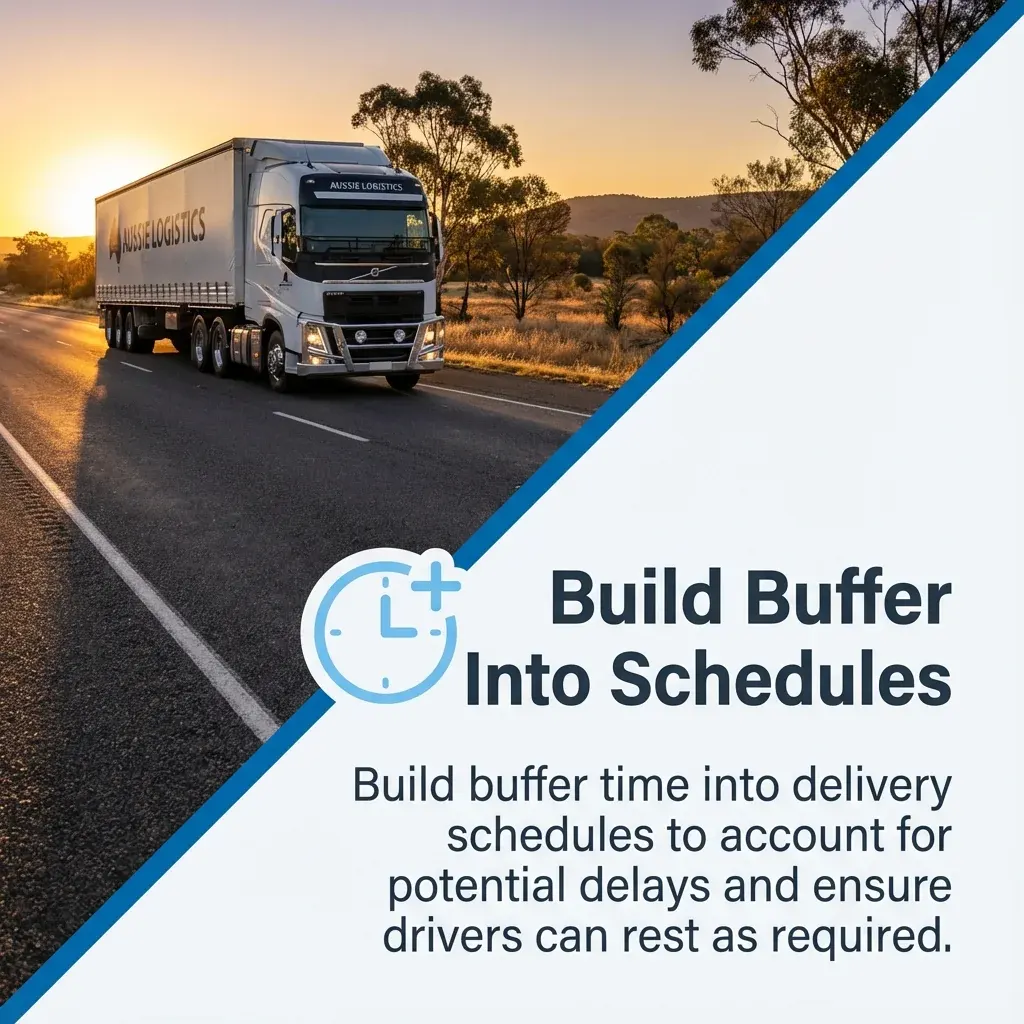
- Schedulers — build buffer time into delivery schedules; account for potential delays and ensure drivers can rest as required.
- Consignors — verify load weights before dispatch using weighbridge certificates or on-site weighing systems.
- Loading managers — maintain documented loading procedures and staff training; workers need clear instructions on weight distribution and restraint methods.
The key is documentation. You must be able to demonstrate what steps you took and why they were appropriate for the risks involved.
What does 'reasonably practicable' mean?
Five factors that determine what is feasible in your circumstances
The phrase "reasonably practicable" appears throughout the HVNL. Understanding this concept is critical to compliance. Reasonably practicable means what is feasible in your circumstances, considering all relevant matters. It is not about perfection — it is about doing what is reasonable given your situation.
The law requires you to balance five key factors when determining what measures are reasonably practicable for your business.
The five factors
- Likelihood — How often could this risk occur? Frequent risks demand more robust controls than unlikely scenarios. Document with incident records, near-miss reports, and industry data.
- Severity — What harm could result? Risks that could cause serious injury or death require stronger preventive measures. Document with risk assessments, safety studies, and injury records.
- Knowledge of the risk — What should you know about this hazard? Industry knowledge and available information set the baseline. Document with industry guidelines, codes of practice, and training records.
- Available controls — What measures could eliminate or reduce the risk? Available control measures and industry practices matter. Document with control options analysis, expert advice, and best practice research.
- Cost versus risk — Is the cost of available control measures grossly disproportionate to the risk? You must consider whether the cost is grossly disproportionate to the risk being addressed.
Each factor requires supporting documentation. Together, these records demonstrate that you have thought through your obligations systematically and acted on what is reasonably practicable for your operation.
For role-specific guidance, see Chain of Responsibilities: what Australian HVNL duty holders need to understand. To discuss your specific situation, contact MAEZ.
How MAEZ works
Find the gaps. Fix the system. Prove the controls.
MAEZ helps transport operators deal with the compliance risk they already know is there. We help get the Safety Management System in order, protect NHVAS accreditation, reduce fine exposure, and connect training, evidence, and CoRGuard workflows where software is needed.
Find
Identify what is exposed before an auditor or regulator does.
Fix
Build the SMS controls around how the transport business actually runs.
Prove
Use CoRGuard where records, reminders, diaries, audits, and evidence need structure.
From advice to evidence
From MAEZ advice to a working Safety Management System
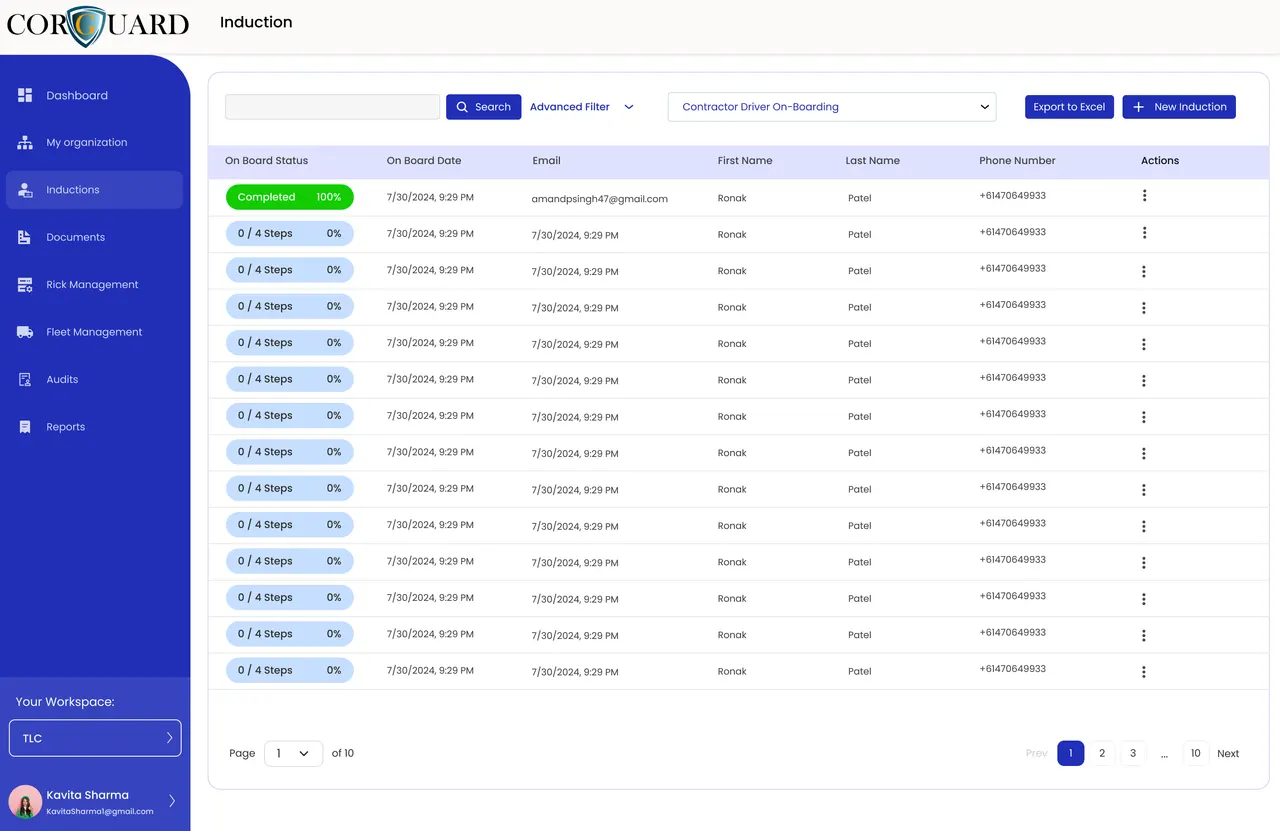
Advisory work should leave a practical implementation trail. These examples show how CoRGuard supports records, fatigue and driver diary checks, maintenance, audits, document control, inductions, corrective actions, and evidence review after MAEZ identifies the gaps.
Training records
Connect training completion from cortraining.com.au to evidence and follow-up.
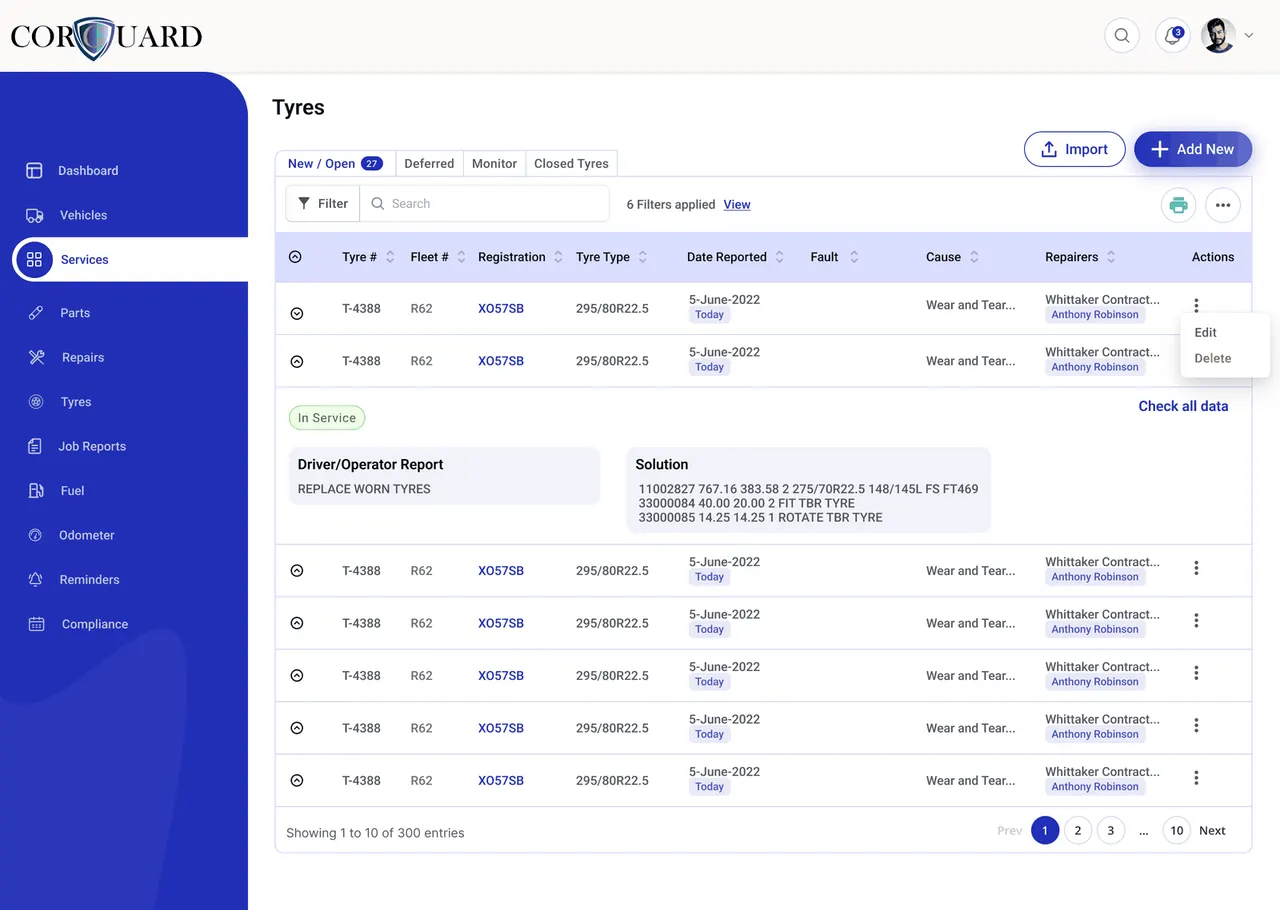
Driver diary checks
Connect fatigue and driver diary review back to manager visibility.
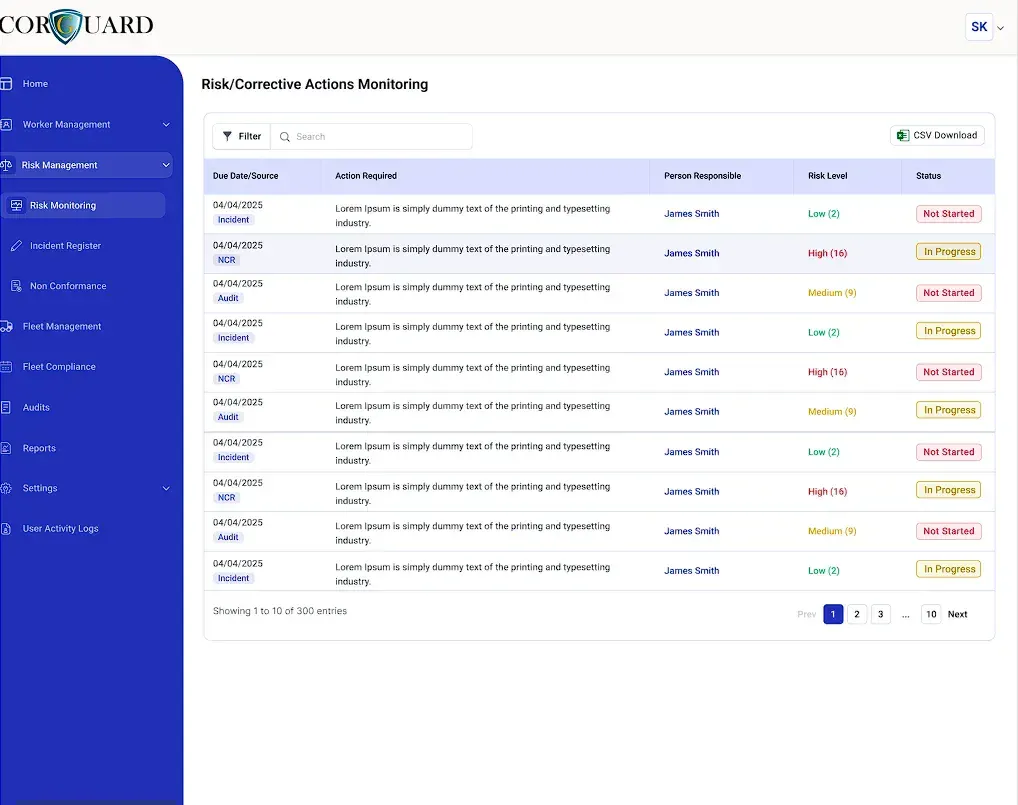
Corrective actions
Turn audit findings, hazards and incidents into tracked actions.
Keep exploring
Related Chain of Responsibility reading
MAEZ insight
Effective Supply Chain Risk Management: Real-World Examples
Discover effective Supply Chain Risk Management examples to protect your business from disruptions. Learn strategies for resilience and risk mitigation.
MAEZ insight
Top Safety Management System Practices for 2023
Explore top safety management system best practices for 2023 to enhance safety performance, reduce risks, and ensure compliance in your organization.
MAEZ insight
Navigating Key Challenges in Supply Chain Risk Management
Explore key challenges in supply chain risk management issues and discover strategies to build resilience against economic, environmental, and cybersecurity threats.
MAEZ insight
Effective Training Strategies for CoR Compliance
Learn how to train for CoR compliance with effective strategies that turn regulatory knowledge into practical risk management in your supply chain.
MAEZ insight
Mastering HVNL Compliance: Best Practices Explained
Discover HVNL compliance best practices and learn how to manage fatigue, vehicle standards, and more under the Chain of Responsibility framework.
MAEZ insight
Understanding Supply Chain Risk Management Software
Explore how Supply Chain Risk Management software transforms data into actionable insights, helping you mitigate risks and enhance supply network efficiency.
Frequently asked questions
Questions people ask about this topic
What is Chain of Responsibility under the HVNL?
Chain of Responsibility (CoR) is a legal framework under the Heavy Vehicle National Law that extends transport safety obligations beyond drivers to every party in the supply chain who can influence safety outcomes. Duties cannot be transferred and must be discharged to the extent a party has capacity to influence and control the relevant matter.
Who is covered by Chain of Responsibility?
CoR covers ten party functions under the HVNL: employer, prime contractor, operator, scheduler, consignor, consignee, packer, loading manager, loader, and unloader. Coverage is based on control or influence over transport safety, not job titles, so most businesses hold multiple party functions at once.
What do the 2026 HVNL amendments change for operators?
The 2026 amendments make Safety Management Systems a mandatory legal requirement rather than a recommendation, introduce clearer guidance on reasonable steps, and add new codes of practice for specific industry sectors. Operators will need to implement and maintain an SMS that meets prescribed standards.
What does the primary duty under the HVNL require?
The primary duty requires every CoR party to ensure the safety of their transport activities so far as is reasonably practicable, covering fatigue management, mass and dimension, load restraint, vehicle standards, and speed compliance. The duty is positive and proactive — you must actively manage risks and document the reasonable steps you took.
What does 'reasonably practicable' mean under the HVNL?
Reasonably practicable means what is feasible in your circumstances after balancing five factors: likelihood of the risk, severity of potential harm, knowledge of the risk, available controls, and whether the cost of controls is grossly disproportionate to the risk. Each factor requires supporting documentation.