
MAEZ resource
Chain of Responsibility Compliance Training for Australian Transport Operators
Practical, role-targeted Chain of Responsibility compliance training for Australian transport businesses. Strengthen your SMS and protect against HVNL liability.
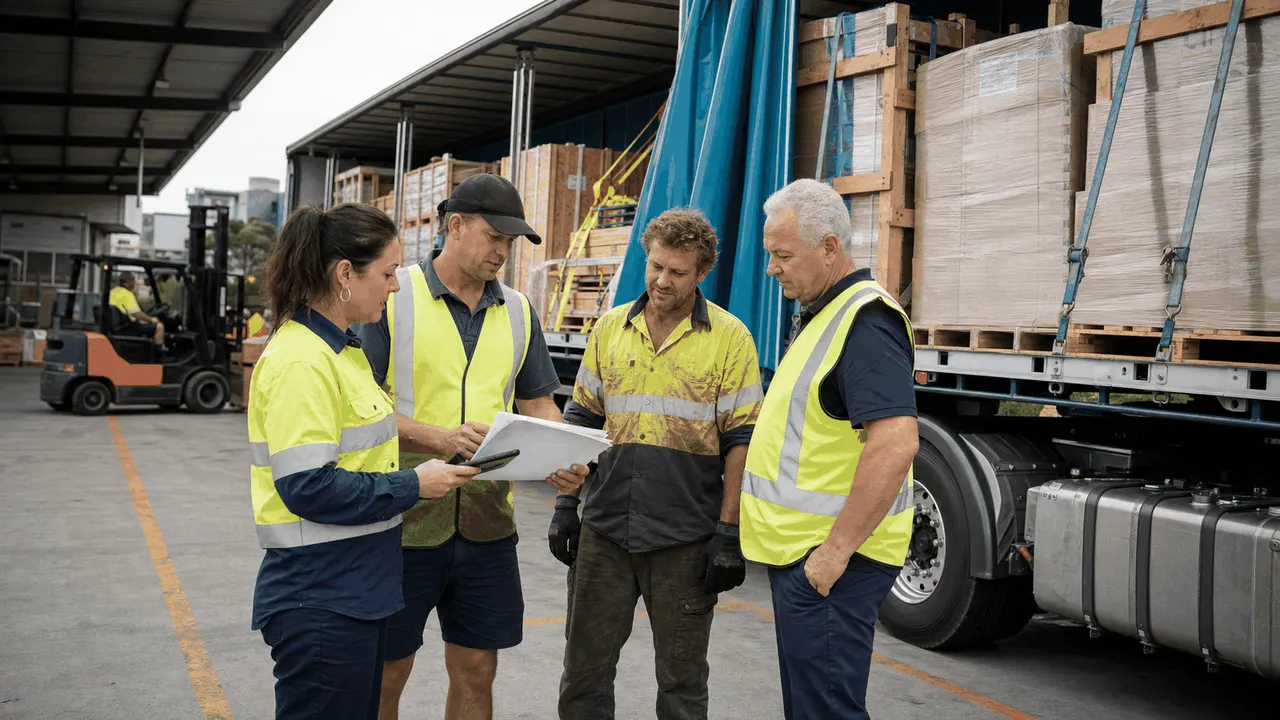
Unloading decisions can affect safety, scheduling, and responsibility.
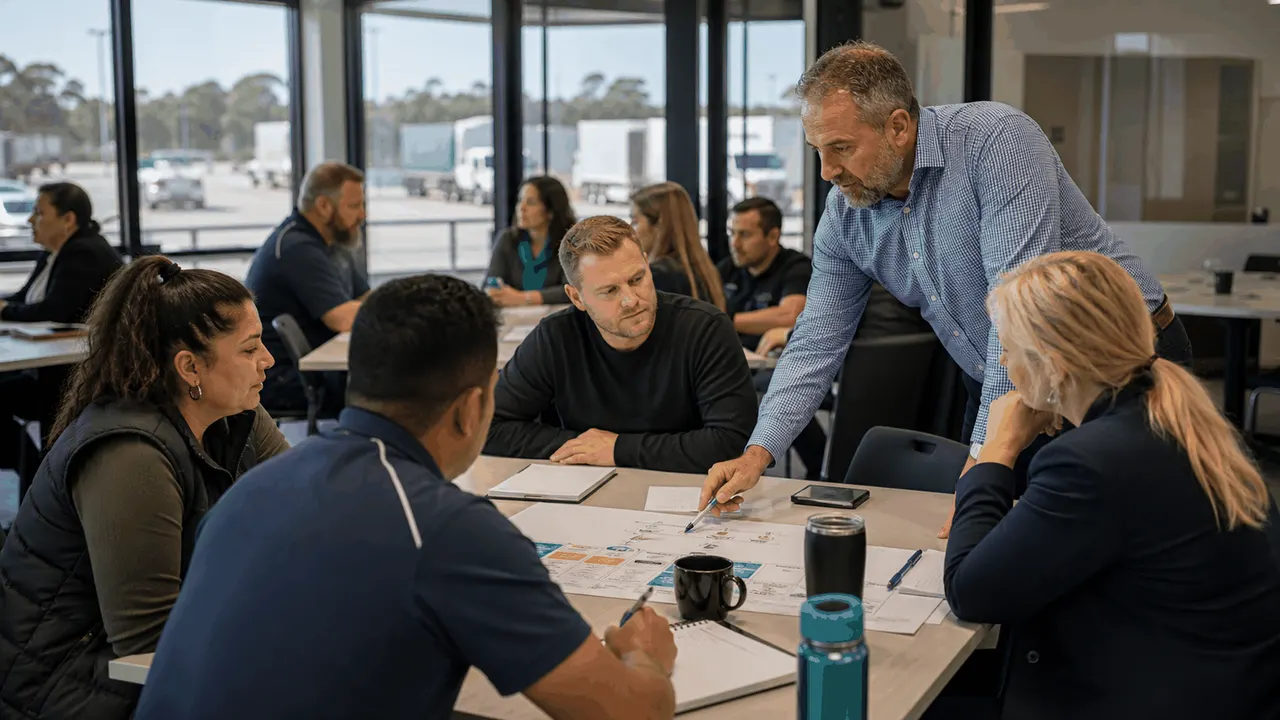
Managers need a clear view of gaps before audit or enforcement pressure arrives.

Contractor controls should be verified before the work starts.
Receiving windows, site rules, and unloading delays can all shape the transport task.
Consignors
Freight terms, delivery windows, and KPIs must not push drivers into speed, fatigue, or mass breaches.
Consignees
Receiving rules, site access, and unloading delays are CoR controls that need to be set and evidenced.
Loaders
Mass, dimension, and load restraint decisions need documented checks, not assumptions.
Managers
Executives and managers need due-diligence evidence that the Safety Management System is actually working.
Why Chain of Responsibility training matters beyond drivers
Reducing HVNL liability across the entire transport chain
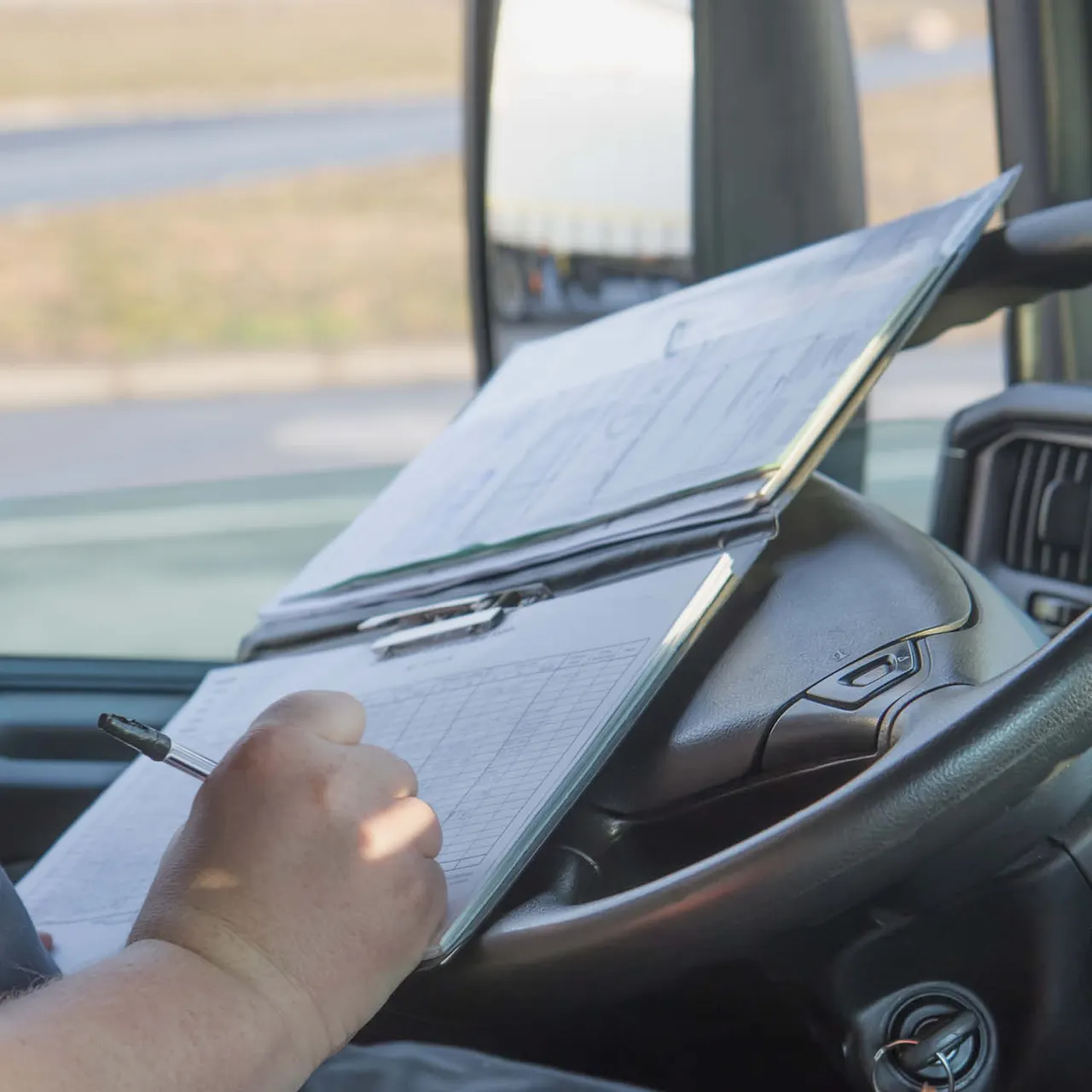
Chain of Responsibility compliance training equips Australian transport operators with targeted, competency-based courses to strengthen their safety system and protect against HVNL liability. Rather than focusing solely on drivers, it trains every party who influences the transport task—such as managers, schedulers, and consignors—on their specific legal obligations.
Chain of Responsibility (CoR) is established under the Heavy Vehicle National Law (HVNL), which defines the minimum standards surrounding a logistics network and the penalties for those responsible for safety on the road.
Most CoR compliance training is geared towards heavy vehicle truck drivers. The reality is that drivers only contribute to a small portion of your potential liability. The parties who can inflict more significant legal and financial damage on your business often sit well behind the steering wheel.
Targeted, role-specific training matters because a site IT administrator does not need to learn how to spot a fatigued driver, but they do need to understand their legal liability when it comes to scheduling mass. Learn more about what Chain of Responsibility means for Australian operators or explore MAEZ CoR training options.
Who faces the most CoR liability?
Understanding shared responsibility under the HVNL

Under the HVNL, the principle of shared responsibility means that every party in the chain carries a duty to ensure safety. Liability is not limited to the driver or the operator.
Key duty holders who face significant exposure include:
- Managers — who need a clear view of gaps before audit or enforcement pressure arrives
- Schedulers — whose decisions on mass, dimension, and fatigue directly affect compliance
- Consignors — who set the parameters of the transport task and must provide accurate information
- Consignees — whose receiving windows, site rules, and unloading delays can shape the transport task
- Loaders — whose loading decisions affect mass, restraint, and vehicle stability
- Unloaders — whose unloading decisions can affect safety, scheduling, and responsibility
- Contractors — whose controls should be verified before the work starts
For a deeper look at duty-holder obligations, see Chain of Responsibilities: What Australian HVNL Duty Holders Need to Understand.
How MAEZ delivers Chain of Responsibility training
Competency-based, role-targeted courses delivered online
MAEZ has produced Chain of Responsibility compliance training designed to work with any schedule, at a cost that makes sense for lean transport businesses.
The training is delivered through an online portal where each learner receives content targeted to their role. It is not a series of mundane PowerPoint slides—the goal is to change company culture, not just tick a compliance box.
Key features of the MAEZ training approach:
- Role-specific modules so each person learns what matters for their position
- Competency-based assessment with a certificate issued on successful completion
- Practical content built from years of operational logistics experience
- Flexible online delivery that fits around shift schedules and operational demands
Explore the Chain of Responsibility Course or visit the MAEZ training portal for more detail.
Is Chain of Responsibility training legally required under the HVNL?
Strengthening your SMS and demonstrating executive due diligence
There is no express requirement under the Heavy Vehicle National Law to train your staff, or to train them to any particular standard. However, MAEZ always recommends it to clients.
Training strengthens your Safety Management System and ensures compliance at the coal face. It is an important element in demonstrating the ongoing due diligence of your executive team, who carry a separate duty under the HVNL to ensure the business manages CoR risk.
Without training, gaps in understanding can undermine the controls you have built. A well-trained workforce is one of the clearest forms of evidence that a business is actively managing its CoR obligations. For executive-specific guidance, see Chain of Responsibility Training for Executives and Managers.
How MAEZ training connects to your Safety Management System
Part of a practical find, fix, and prove pathway
Training does not sit in isolation. MAEZ helps Australian transport businesses turn Chain of Responsibility, HVNL, WHS, transport safety, and chartered risk obligations into practical training, advisory, audit, and implementation pathways. It connects to the wider controls and evidence your business needs:
- Advisory — MAEZ identifies the gaps in your CoR controls, policies, and evidence
- Training — staff complete role-specific CoR courses delivered through the online portal
- Safety Management System — controls are built around how the transport business actually runs
- Evidence — where software is needed, CoRGuard supports records, reminders, audits, maintenance, driver diary checks, inductions, corrective actions, and evidence reporting
For a structured risk review, explore MAEZ CoR consulting or read about using a chartered risk lens to close CoR gaps.
Who should take Chain of Responsibility training?
Training for anyone who influences the transport task
Anyone who influences a heavy vehicle transport task should undergo role-specific CoR training. This includes:
- Owner-operators
- Transport managers
- Executives and senior leaders
- Consignors and consignees
- Loaders and unloaders
- Schedulers and dispatchers
- Contractors engaged in the transport task
MAEZ clients span mining companies, building and manufacturing companies, retailers, waste companies, transport companies, startups, and small to mid-size businesses. If you are preparing for upcoming regulatory changes, read the practical guide to HVNL 2026 changes and CoR training readiness.
To get started, contact MAEZ for a practical review of the controls, evidence, training, and SMS gaps that matter most to your business.
How MAEZ works
Find the gaps. Fix the system. Prove the controls.
MAEZ helps transport operators deal with the compliance risk they already know is there. We help get the Safety Management System in order, protect NHVAS accreditation, reduce fine exposure, and connect training, evidence, and CoRGuard workflows where software is needed.
Find
Identify what is exposed before an auditor or regulator does.
Fix
Build the SMS controls around how the transport business actually runs.
Prove
Use CoRGuard where records, reminders, diaries, audits, and evidence need structure.
From advice to evidence
From MAEZ advice to a working Safety Management System
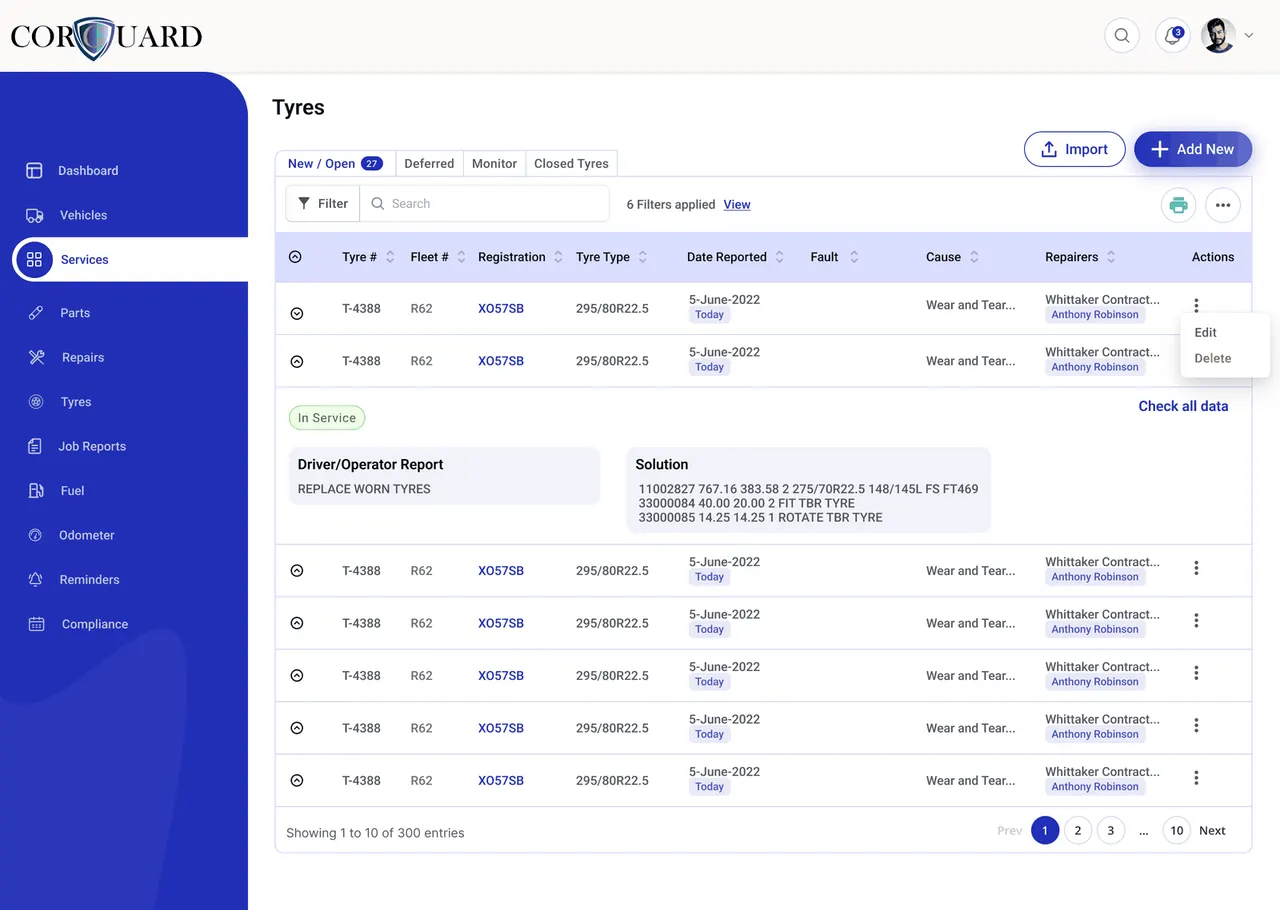
Advisory work should leave a practical implementation trail. These examples show how CoRGuard supports records, fatigue and driver diary checks, maintenance, audits, document control, inductions, corrective actions, and evidence review after MAEZ identifies the gaps.
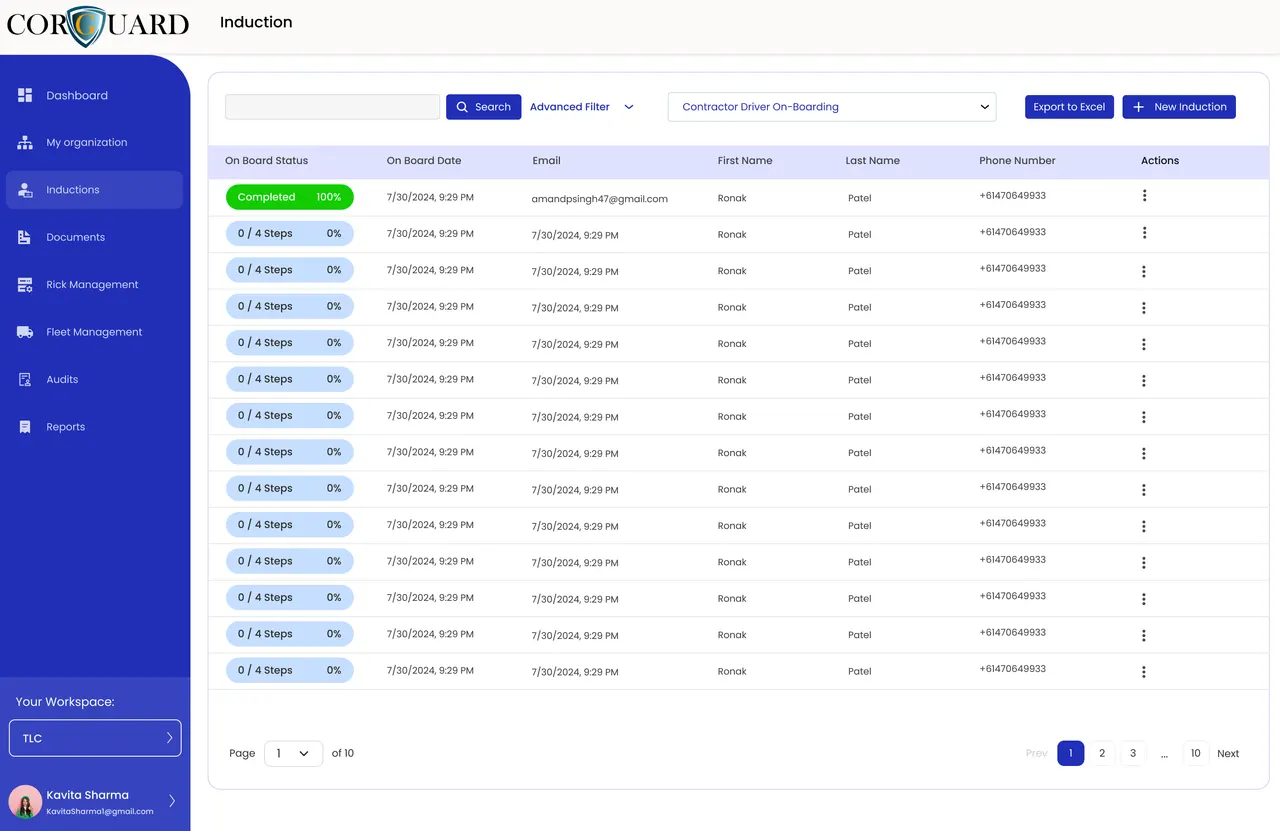
Training records
Connect training completion from cortraining.com.au to evidence and follow-up.
Driver diary checks
Connect fatigue and driver diary review back to manager visibility.
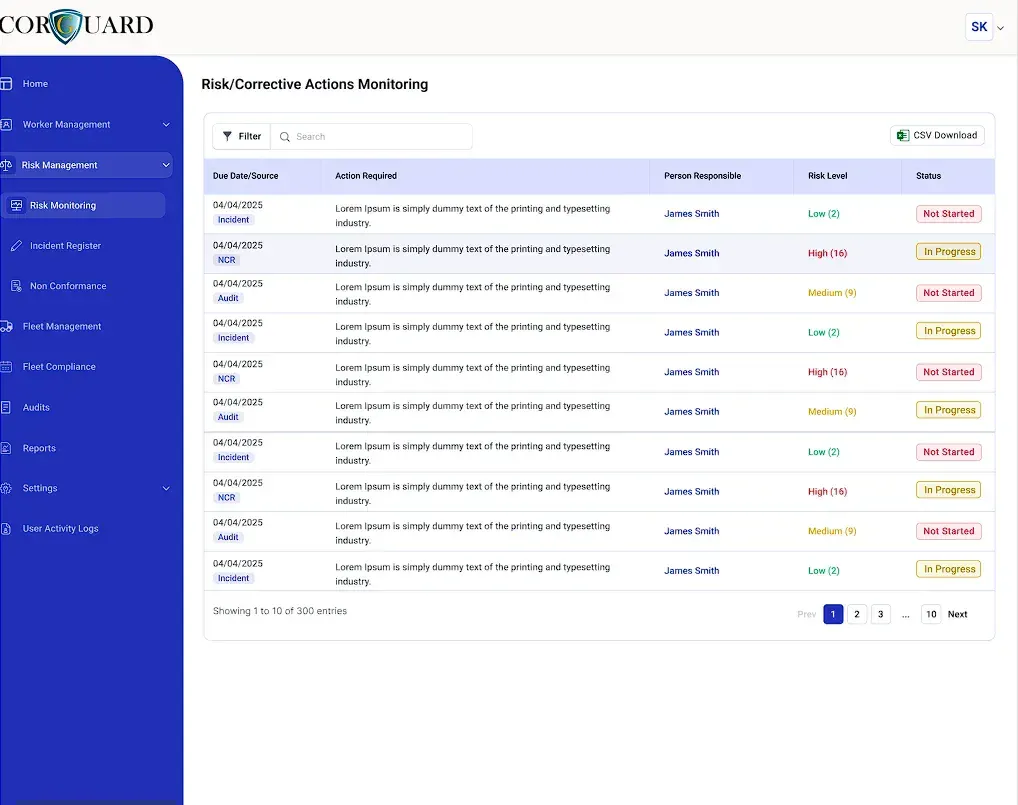
Corrective actions
Turn audit findings, hazards and incidents into tracked actions.
Keep exploring
Related Chain of Responsibility reading
MAEZ resource
What Does HVNL Mean?
HVNL is an acronym term, used to refer to the Heavy Vehicle National Law which defines the minimum standards surrounding a logistics network, and the penalties for those responsible for safety on the road.
MAEZ resource
Your Consultant
Your consultant brings over 20 years of Supply Chain senior management experience, including national Chain of Responsibility safety system management as a former National Logistics Manager.
MAEZ resource
GPS Telematics
An industry leader, Helping companies, leaders, and safety departments fix on-road risks by offering software, training, audits, policies and programs that add value to a lean business. Chain of Responsibility isn’t just a good idea – It’s the LAW!
MAEZ resource
Chain of Responsibility Audit
An industry leader, Helping companies, leaders, and safety departments fix on-road risks by offering software, training, audits, policies and programs that add value to a lean business.
MAEZ resource
About our Chain of Responsibility Program
Chain of Responsibility Software An industry leader, Helping companies, leaders, and safety departments fix on-road risks by offering software, training, audits, policies and programs that add value to a lean business.
MAEZ resource
CoR Audit
Industry Compliant Benchmark Analysis Executive Feedback Why MAEZ AUDIT? Practical Advice As industry professionals with years of operational experience in logistics. We are not Lawyers, Ex-Police or Ex-Inspectors. We are unlike every one of our competitors.
Frequently asked questions
Questions people ask about this topic
What is the purpose of Chain of Responsibility compliance training?
Practical Chain of Responsibility compliance training provides targeted, competency-based courses that strengthen a transport business's safety system and protect against HVNL liability across the entire supply chain.
Is Chain of Responsibility training legally mandated under the HVNL?
There is no express legal requirement under the HVNL to train staff to a particular standard, but training is strongly recommended to strengthen your Safety Management System and demonstrate executive due diligence.
Who needs to take Chain of Responsibility training?
Anyone who influences a heavy vehicle transport task, including owner-operators, transport managers, executives, consignors, consignees, loaders, unloaders, schedulers, and contractors, should undergo role-specific CoR training.
How is MAEZ Chain of Responsibility training delivered?
MAEZ delivers competency-based, role-targeted courses through an online portal, allowing each learner to receive practical content relevant to their specific position and schedule.
Where is the training delivered and how does it connect to SMS evidence?
MAEZ provides the advisory and risk pathway, while the training is delivered through an online portal that connects with CoRGuard software to manage records, reminders, and evidence where needed.