
MAEZ insight
Chain of Responsibility (CoR) NSW: Obligations, Penalties & Enforcement
Understand Chain of Responsibility in NSW: who holds duties under the HVNL, how offences are categorised, what penalties apply, and how to build practical compliance controls.

Due diligence means knowing whether the safety system is actually working.

Proof that freight promises do not create unsafe transport pressure.
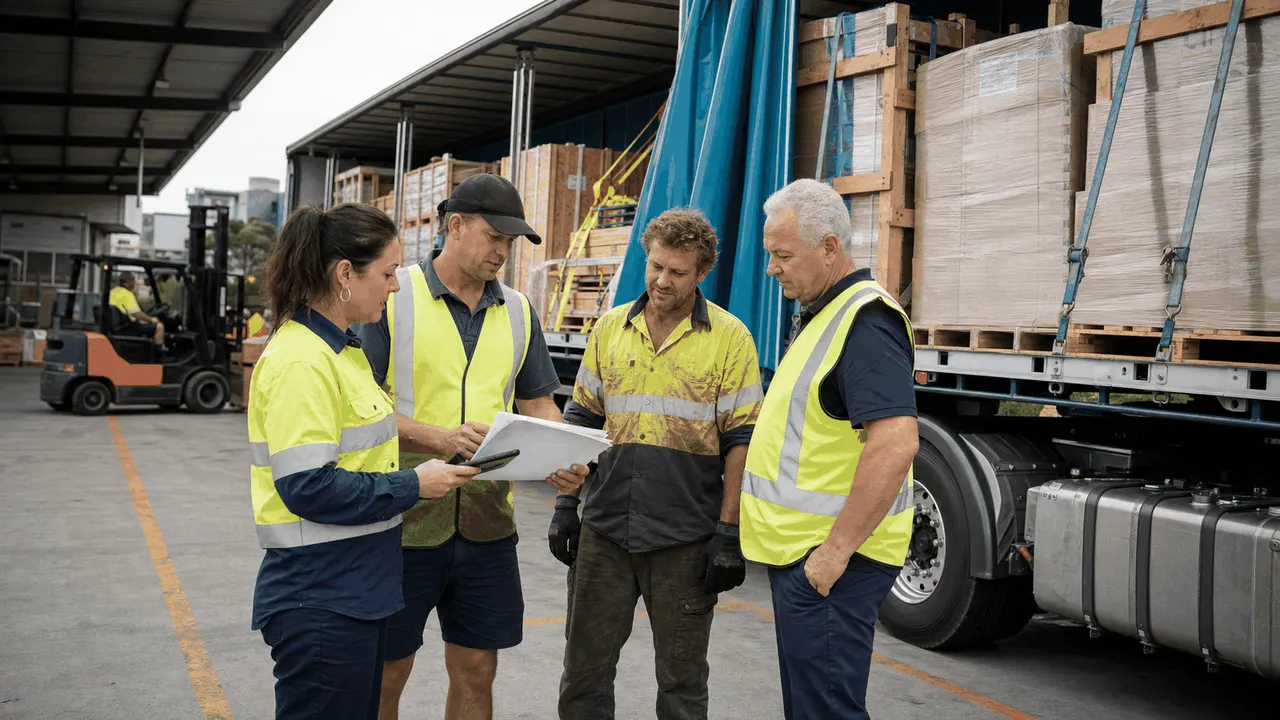
Loading controls need evidence, not assumptions.
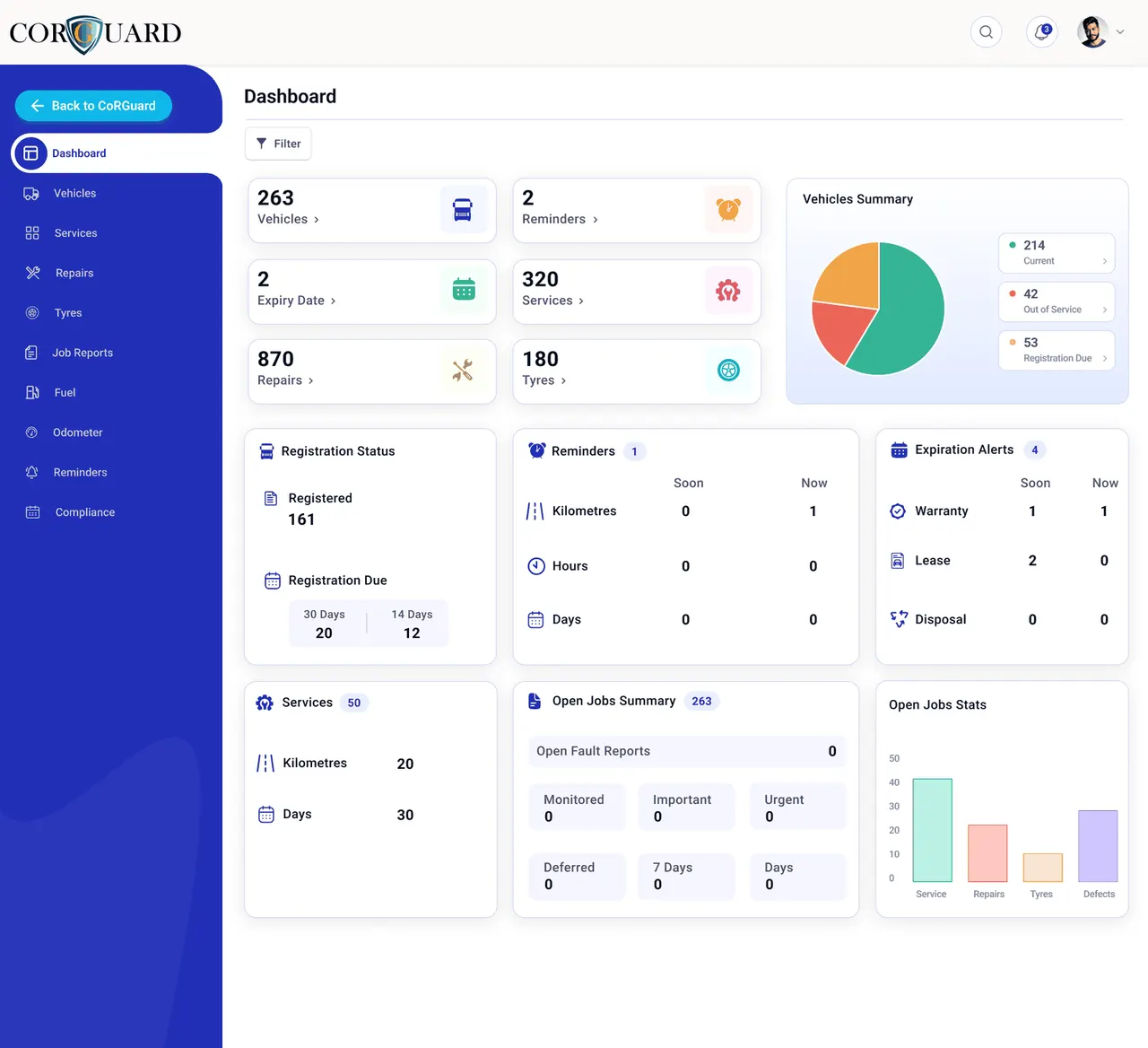
Daily fleet activity has to connect back to duties, controls, and review.
Consignors
Freight terms, delivery windows, and KPIs must not push drivers into speed, fatigue, or mass breaches.
Consignees
Receiving rules, site access, and unloading delays are CoR controls that need to be set and evidenced.
Loaders
Mass, dimension, and load restraint decisions need documented checks, not assumptions.
Managers
Executives and managers need due-diligence evidence that the Safety Management System is actually working.
What is Chain of Responsibility in NSW?
Shared duty across the entire supply chain under the HVNL

Chain of Responsibility (CoR) in NSW means that every party in a heavy vehicle transport supply chain — including consignors, loaders, operators, drivers, and consignees — shares a legal duty under the Heavy Vehicle National Law (HVNL) to prevent mass, load restraint, dimension, fatigue, speed, and maintenance offences. Duties cannot be transferred, and each party is accountable to the extent they can influence the transport activity.
All listed parties in a road transport task within a supply chain have specific obligations under the HVNL to prevent an incident from occurring. The HVNL establishes a principle of shared responsibility: the safety of transport activities relating to a heavy vehicle is the shared responsibility of each party in the chain of responsibility.
A duty under the HVNL may not be transferred to another person. Each party must discharge their duty to the extent they have the capacity to influence and control the relevant matter — or would have had that capacity but for an agreement or arrangement purporting to limit or remove it.
NSW CoR legislation recognises the effects of demands and pressures from off-road parties in any transport task. CoR does not differ within NSW compared to other participating states. The laws applicable for CoR in NSW are the same in all states, except WA and the NT. For a broader overview of how CoR works across the supply chain, see About Chain of Responsibility.
As of 1 October 2018, maintenance offences were added to the scope of CoR, extending the duties to cover vehicle maintenance and roadworthiness alongside the existing categories of mass, load restraint, dimension, fatigue, and speed.
Who is a responsible person under CoR?
Drivers, loaders, consignors, and other parties each carry specific duties
The HVNL's concept of a 'responsible person' makes the laws applicable to a wide range of people involved in the transport of goods. Each role carries distinct operational duties:
Drivers
- Must drive safely and within speed limits
- Must work within their fatigue limits and ensure rest requirements are met
Loaders
- Must load a vehicle within mass limits
- Must ensure load restraint requirements are met so the load is safe for transport
Consignors
- Must ensure the delivery of goods does not require the driver to exceed permitted driving hours
- Must not create conditions that cause a driver to drive fatigued or exceed speed limits
The HVNL also prohibits asking, directing, or requiring a driver or another party in the chain to do something that the person knows — or ought reasonably to know — would breach the law. Commercial agreements that attempt to limit or remove a party's capacity to influence safety do not remove their duty.
Any party in the supply chain whose actions or inactions may affect compliance with road transport laws can be held legally accountable if they do not meet their obligations.
For role-specific training pathways, visit Chain of Responsibility Training.
How are CoR offences categorised and penalised?
Risk-based categories from minor to critical, with significant penalties
Offences in maintenance, mass, dimension, load restraint, and driver fatigue have been placed in risk-based categories. Breaches are classed as minor, substantial, severe, or critical, recognising that not all offences have the same impact on safety or infrastructure.
These risk-based offences reflect similar breach frameworks in related areas such as work health and safety and environmental protection. Heavy penalties apply, and a range of enforcement measures give the regulator — supported by police and the courts — greater tools for penalising offences and targeting the causes of breaches.
Administrative penalties
- Improvement notices — identify areas of risk and require a party to address non-compliance
- Warnings — put a party on notice to address non-compliance where a minor breach is found
- Infringement notices — can be an alternative to court proceedings, usually for less serious offences
Court-imposed penalties
- Fines
- Supervisory intervention orders
- Licensing and registration sanctions
- Prohibition orders
- Commercial benefits penalties
Courts can also distinguish between first-time offenders and systemic offenders, with more serious penalties for parties found to consistently break the HVNL. In addition, a body corporate may have a five times multiplier imposed on their penalty, which could be a significant financial impact.
How is CoR enforced in NSW?
NHVR and Roads and Maritime work together on detection and investigation
The National Heavy Vehicle Regulator (NHVR) is responsible for safe and efficient journeys throughout NSW — and other participating states — for all heavy vehicles. Roads and Maritime NSW works with the regulator to ensure all road users operate safely within NSW, abiding by the HVNL.
Roads and Maritime is responsible for detecting and reporting to the NHVR any breaches found for further investigation. The NHVR may initiate a CoR investigation in situations including:
- Evidence of systemic and habitual breaches
- Evidence of continued unfair commercial advantage as a result of breaches
- A road crash that involves significant risks or damage to safety and infrastructure
- Evidence of unreasonable demands and pressures on other responsible persons in the supply chain
The regulator's enforcement approach is designed to prevent, persuade, and target the causes of breaches to ensure a culture of compliance within the heavy vehicle industry.
How should you implement CoR in your transport business?
A risk management approach is considered a reasonable step for any modern business
All parties should take a risk management approach to their CoR obligations, irrespective of which state they reside or operate in. This is considered a reasonable step in running a modern business — similar to managing work health and safety, quality control of goods, cash flow, and other important tasks.
Every business involved in a transport task should assess its CoR position and ensure compliance. Practical steps may include:
- Maintaining equipment
- Ensuring compliance and assurance conditions are met in commercial agreements with other parties
- Training staff, suppliers, and customers on CoR obligations
- Developing, implementing, and reviewing appropriate policies, procedures, and workplace practices
- Outsourcing advice on legal obligations where needed
The HVNL's primary duty requires each party in the chain of responsibility to ensure, so far as is reasonably practicable, the safety of transport activities. Executive officers of a corporation also have a specific duty — they must exercise due diligence to ensure the business complies with its safety duties.
For a structured review of your CoR controls and evidence, explore CoR Consulting. For readiness ahead of regulatory change, see our HVNL 2026 training readiness guide.
How MAEZ helps with CoR readiness in NSW
From gap identification to practical evidence and training pathways
MAEZ helps Australian transport businesses turn Chain of Responsibility, HVNL, WHS, transport safety, and chartered risk obligations into practical training, advisory, audit, and implementation pathways.
We help operators deal with the compliance risk they already know is there — getting the Safety Management System in order, protecting NHVAS accreditation, reducing fine exposure, and connecting training and evidence workflows.
Find
Identify what is exposed before an auditor or regulator does.
Fix
Build SMS controls around how the transport business actually runs.
Prove
Use structured records, reminders, diaries, audits, and evidence where software is needed.
For practical training, MAEZ provides advisory and risk pathways, with Chain of Responsibility training delivered through dedicated training channels. For a practical review of your controls, evidence, training, and SMS gaps, contact MAEZ or explore more MAEZ Insights.
How MAEZ works
Find the gaps. Fix the system. Prove the controls.
MAEZ helps transport operators deal with the compliance risk they already know is there. We help get the Safety Management System in order, protect NHVAS accreditation, reduce fine exposure, and connect training, evidence, and CoRGuard workflows where software is needed.
Find
Identify what is exposed before an auditor or regulator does.
Fix
Build the SMS controls around how the transport business actually runs.
Prove
Use CoRGuard where records, reminders, diaries, audits, and evidence need structure.
From advice to evidence
From MAEZ advice to a working Safety Management System
Advisory work should leave a practical implementation trail. These examples show how CoRGuard supports records, fatigue and driver diary checks, maintenance, audits, document control, inductions, corrective actions, and evidence review after MAEZ identifies the gaps.
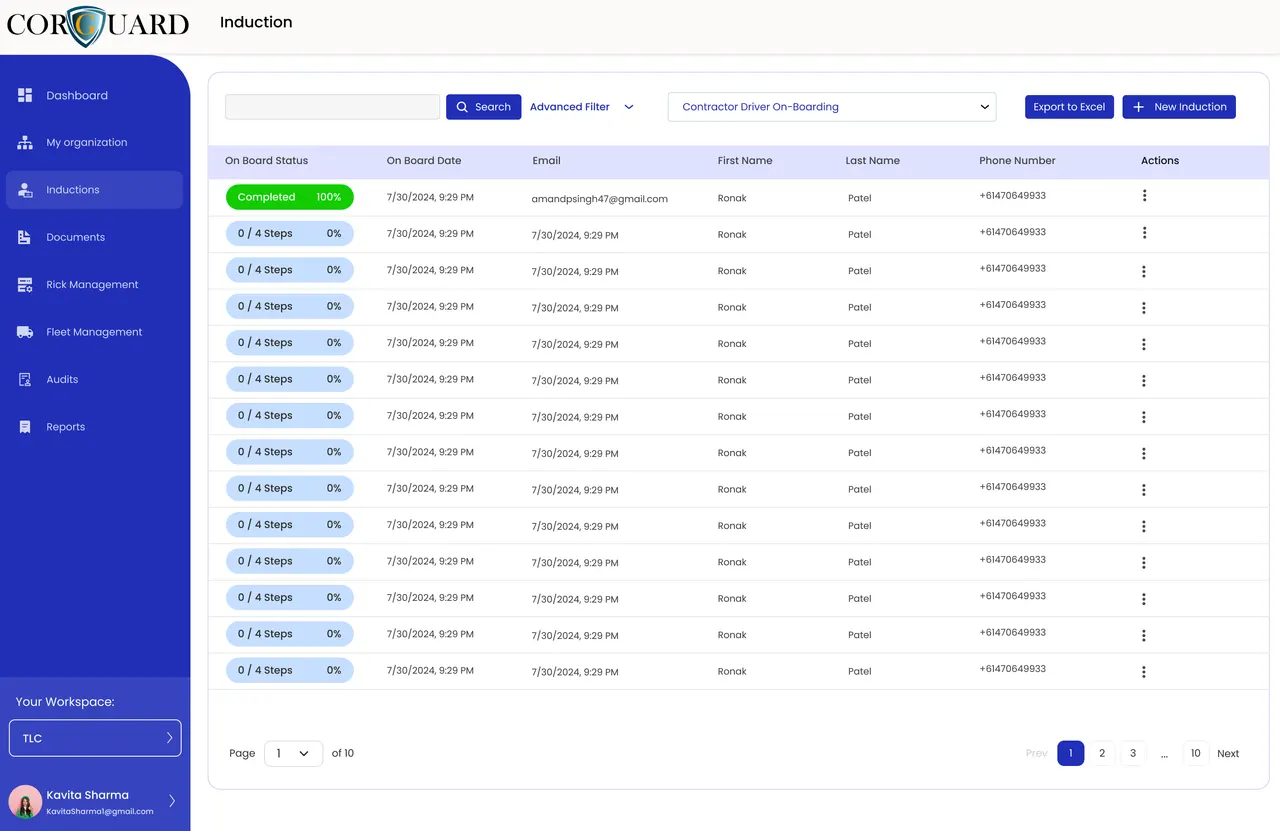
Training records
Connect training completion from cortraining.com.au to evidence and follow-up.
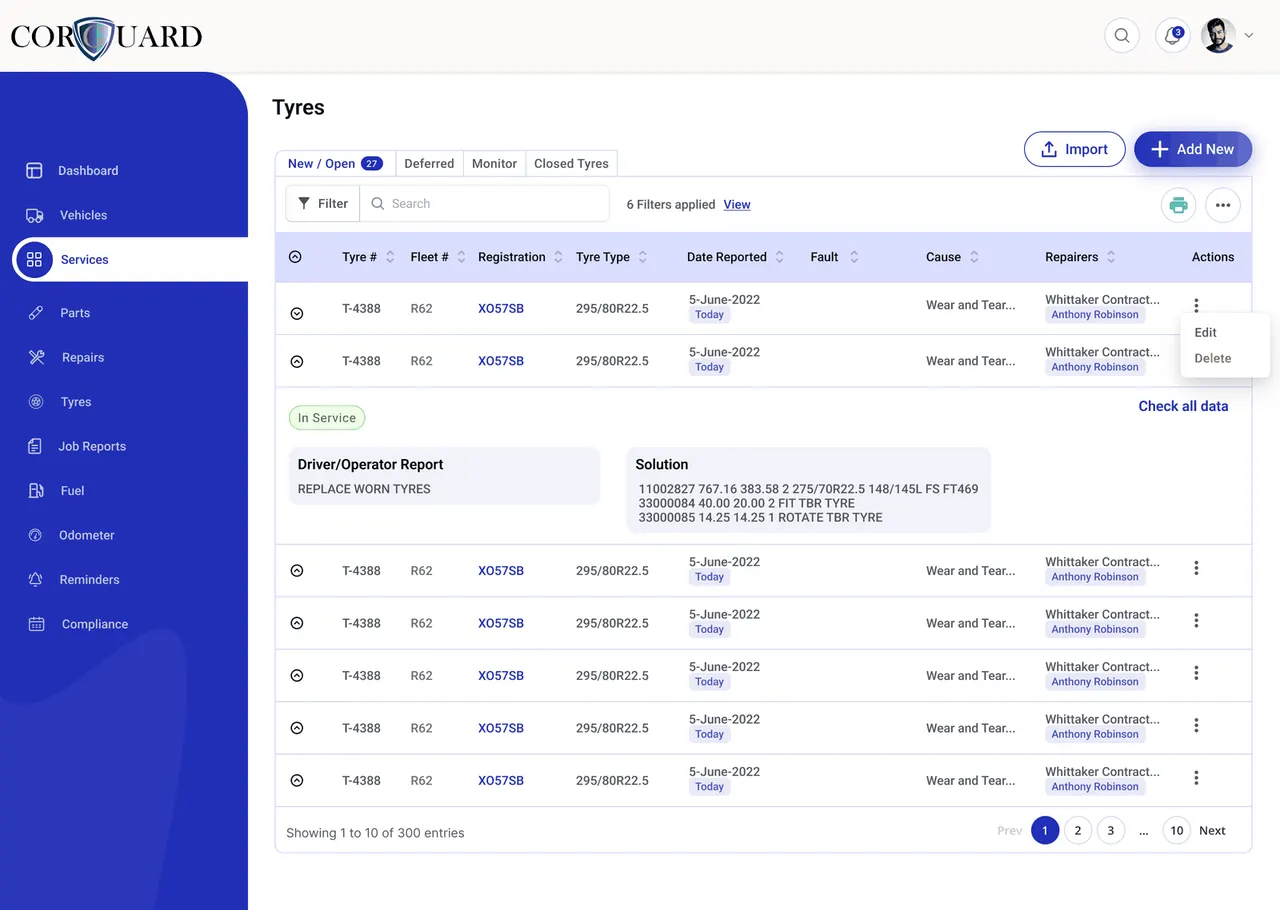
Driver diary checks
Connect fatigue and driver diary review back to manager visibility.
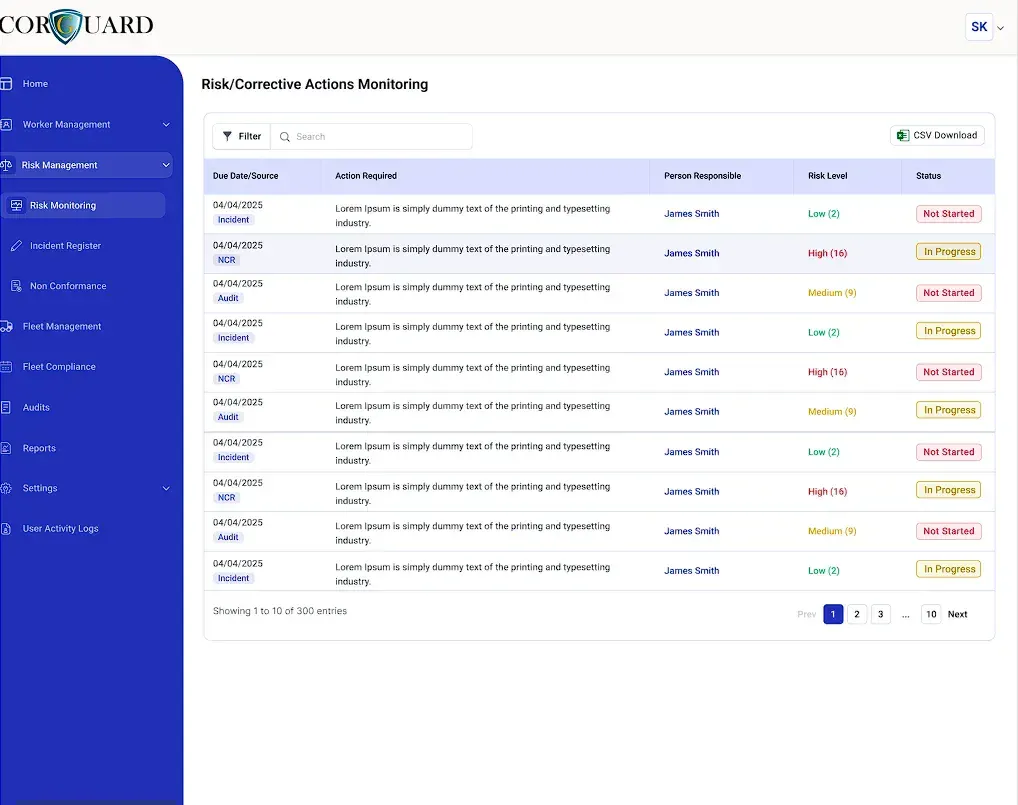
Corrective actions
Turn audit findings, hazards and incidents into tracked actions.
Keep exploring
Related Chain of Responsibility reading
MAEZ insight
Safety Notice Boards
When taking a look at another business during an audit, I’m looking for hundreds of different things, but one which usually takes people by surprise is whether or not I can find a safety notice board.
MAEZ insight
Logistics Management
Logistic management companies have spent and will spend multiple millions of dollars on the safety of their fleet and drivers. Of course, it’s great for business, it reduces risk for their own investments and ongoing financial targets.
MAEZ insight
Alert – Securing Trucks In A Dangerous World
ALERT: STOLEN HEAVY VEHICLE Companies are being reminded to take the theft of company vehicles seriously as a PCBU may have responsibility, for any damage caused.
MAEZ insight
HVNL Prosecution
Magistrate Mark Semmens is scathing in his findings against Bitumax, a Boral company which trades as Boral Asphalt; for a mass offence. The magistrate went on further to state that “I do not think this is a ‘basic’ case.
MAEZ insight
On Guard Safety Practises
Sometimes as a consultant, you know when your time is being wasted. One of those times was early 2018 for me when I sat in front of a prospective supplier.
MAEZ insight
Laing O’Rourke Australia | NHVR Issues Enforceable Undertaking
Companies are being reminded to take the Mass and on-road safety responsibilities of all heavy vehicles (GVM or GCM > 4.5T)seriously as outlined here in this Alert. No one wants a fine on their watch and every great leader in business is on the lookout for risks as well as revenue.
Frequently asked questions
Questions people ask about this topic
Does Chain of Responsibility differ in NSW compared to other states?
No. CoR laws in NSW are the same as in all other participating HVNL jurisdictions, except WA and the NT. The Heavy Vehicle National Law applies consistently across participating states and territories.
Can a party in the supply chain transfer their CoR duty to someone else?
No. Under the HVNL, a duty cannot be transferred to another person. Each party must discharge their duty to the extent they have the capacity to influence and control the relevant matter, and commercial agreements that attempt to limit or remove that capacity do not remove the duty.
What penalties can a body corporate face for a CoR breach?
Body corporates can face a five-times multiplier on their penalty, alongside fines, supervisory intervention orders, licensing and registration sanctions, prohibition orders, and commercial benefits penalties. Courts can distinguish between first-time and systemic offenders, with more serious penalties for habitual breaches.
What triggers a CoR investigation by the NHVR in NSW?
The NHVR may initiate an investigation when there is evidence of systemic or habitual breaches, continued unfair commercial advantage from non-compliance, a road crash involving significant risk or damage, or unreasonable demands and pressures on other parties in the supply chain.
What is the executive officer's duty under Chain of Responsibility?
Executive officers of a corporation must exercise due diligence to ensure the business complies with its safety duties under the HVNL. This means knowing whether the safety system is actually working, not just that one exists.