
MAEZ insight
HVNL Prosecution: NHVR v Bitumax (Boral Asphalt)
A landmark HVNL prosecution where the NHVR secured a conviction against Bitumax (Boral Asphalt) for a mass offence. Learn what the magistrate found and what it means for Chain of Responsibility compliance.

Proof that freight promises do not create unsafe transport pressure.
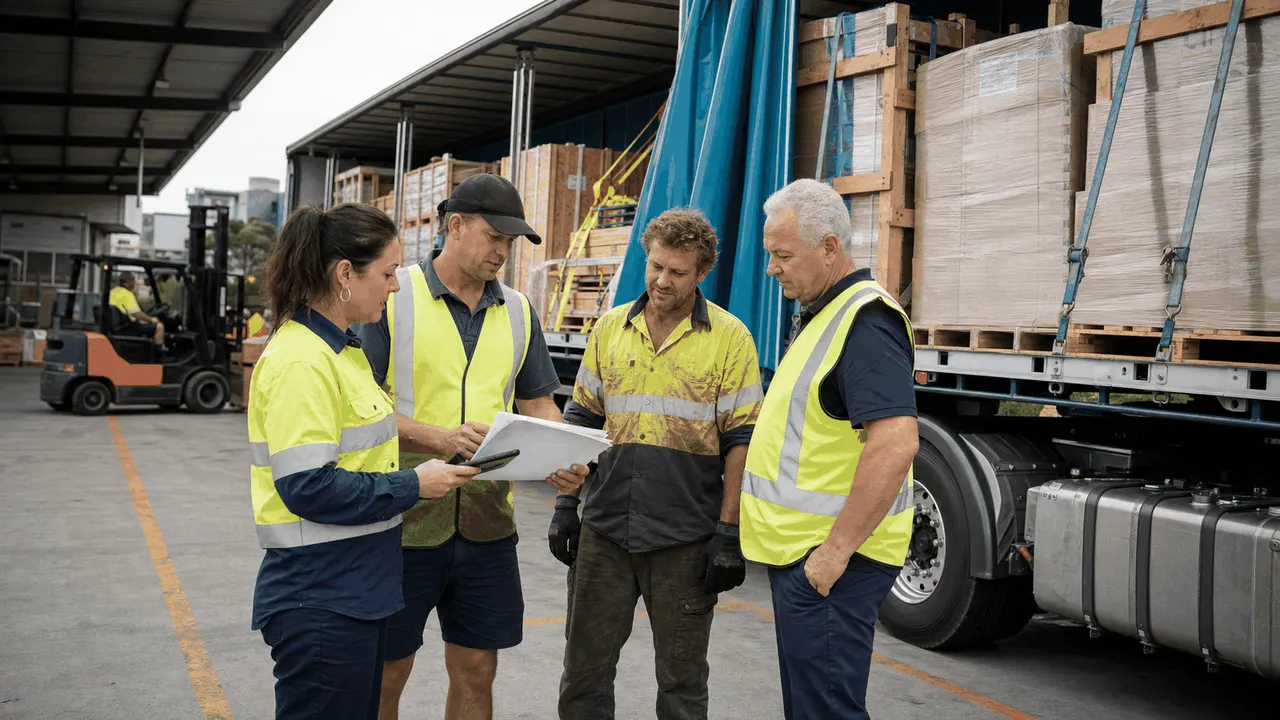
Loading controls need evidence, not assumptions.
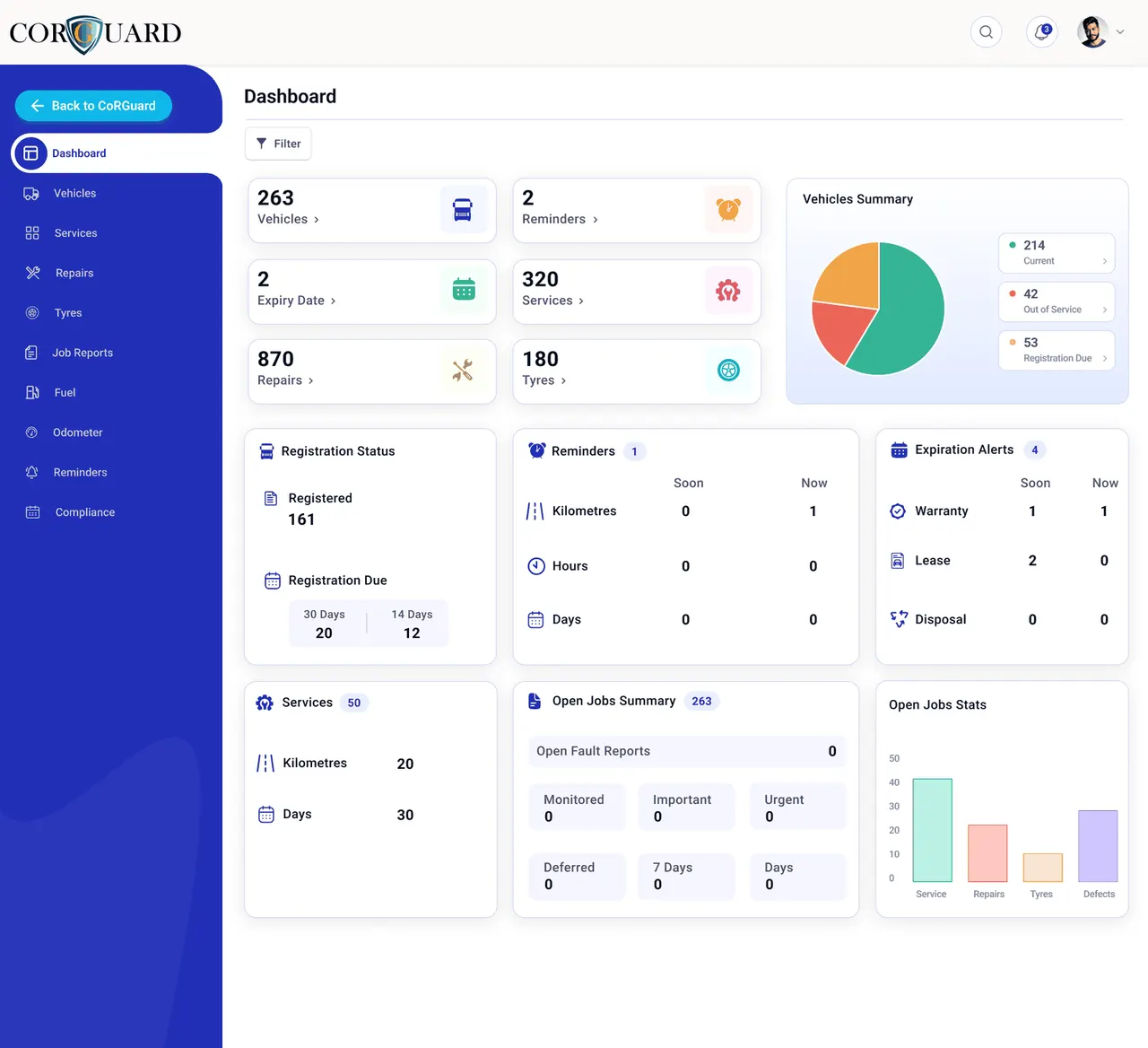
Daily fleet activity has to connect back to duties, controls, and review.

Due diligence means knowing whether the safety system is actually working.
Consignors
Freight terms, delivery windows, and KPIs must not push drivers into speed, fatigue, or mass breaches.
Consignees
Receiving rules, site access, and unloading delays are CoR controls that need to be set and evidenced.
Loaders
Mass, dimension, and load restraint decisions need documented checks, not assumptions.
Managers
Executives and managers need due-diligence evidence that the Safety Management System is actually working.
What happened in this HVNL prosecution?
NHVR v Bitumax (Boral Asphalt) — South Australian courts, Adelaide

NHVR v Bitumax is a landmark Heavy Vehicle National Law prosecution in which the National Heavy Vehicle Regulator secured a conviction against Bitumax (a Boral company trading as Boral Asphalt) for a mass offence. Magistrate Mark Semmens found the company guilty, fined it $9,900, and described its conduct as wilful blindness with a complete lack of compliance structure — a result widely regarded as a Chain of Responsibility win for the regulator.
The prosecution was brought under the pre–October 2018 HVNL framework. The maximum penalty for this type of offence at the time was $55,000. Bitumax pleaded guilty and received a 40% reduction in the overall fine.
The loading manager was also found guilty, making this a case where both the company and an individual were held accountable for the same mass breach.
What did the magistrate find?
Wilful blindness and a complete lack of compliance structure
Magistrate Semmens was scathing in his findings, making several key observations that transport operators should treat as a warning:
- "In no way could this offending by the company be considered trifling or a technical breach. This is a case of wilful blindness and 'hopefulness' that was improper and fell far short of good corporate governance."
- "There was absolutely no effort of compliance on the day of the offence by any person in the chain of responsibility."
- "What is extraordinary is the complete lack of any structure by a corporate body to ensure that a chain of reporting exists to ensure compliance with the legal and safety obligations cast upon it."
- "The loading and transport of the materials involved pure guesswork and speculation."
- "This was a case of complete indifference by the company and its operators as to their legal obligations."
The magistrate also noted that a Bitumax employee — the loader — asked three times to have scales of some type installed, and those requests fell on deaf ears. This detail underscored the court's view that the company had ignored practical, on-the-ground warnings about mass compliance risk.
Why were the company's excuses rejected?
Manufacturer load limits are not a defence
Magistrate Semmens rejected the explanation that the trucks usually used (which had on-board scales) were not available, and that the company had instead relied upon the manufacturers' load limits for the truck.
He stated: "It is the company's obligation to ensure that there was compliance with the heavy vehicle laws, no matter what vehicle is used or who owns it."
The magistrate added: "As a matter of law, the manufacturers' load limits do not apply and no prudent operator or driver of a heavy vehicle would ever rely upon them."
The operational takeaway
This case highlights that operators cannot delegate mass compliance to vehicle specifications or assume a different truck configuration will carry the same safeguards. If your usual vehicle is unavailable, the duty to ensure compliant mass does not disappear — the controls must travel with the task, not the truck.
What does this case mean for Chain of Responsibility?
Assurance — not just prescription — is your duty
This prosecution goes to the heart of Chain of Responsibility. It is a classic example of the proper assurances required by companies that engage freight operators for service.
You may have heard that it is not your responsibility to ensure safety in the organisations you hire for work. While the prescription of specific safety measures may not be your responsibility, the assurance that safety is actually taking place — and that parties within your transport tasks have the right mechanisms to prevent safety breaches — is your responsibility.
Due diligence is imperative. Every party in the chain must be able to demonstrate that reasonable steps were taken to prevent mass, fatigue, speed, loading, and vehicle standards breaches. For a broader understanding of how these duties apply across the supply chain, see About Chain of Responsibility.
What due diligence looks like in practice
- Documented controls that connect daily fleet activity back to legal duties
- A reporting chain so that compliance issues — like a loader's request for scales — are escalated and acted on
- Evidence that safety mechanisms are working, not just that they exist on paper
How do penalties compare under the current law?
The financial exposure is dramatically higher post-2018
This case was prosecuted under the pre–October 2018 HVNL framework, where the maximum penalty for this type of offence was $55,000. Under the current legislative framework, the consequences would be far more severe:
- The company fine in this instance would have been a minimum of $500,000
- The loading manager, who was also found guilty, would have been defending a personal fine of $50,000
- Had the breach been found to be reckless or endangering lives, penalties could have reached $3 million or included jail time
The specifics of this case did not indicate a reckless or life-endangering breach, so the higher-tier penalties would not have applied. However, the gap between the old and new penalty regimes underscores why operators must treat CoR compliance as a board-level risk.
For a practical guide to preparing for upcoming changes, see HVNL 2026 Changes and Chain of Responsibility Training Readiness.
How MAEZ helps operators respond to prosecution risk
Find the gaps. Fix the system. Prove the controls.
The Bitumax case shows what happens when there is no structure, no reporting chain, and no evidence of compliance effort. MAEZ works with operators to make sure those elements exist before a regulator or auditor comes knocking.
Find
Identify what is exposed before an auditor or regulator does.
Fix
Build Safety Management System controls around how the transport business actually runs.
Prove
Use structured evidence workflows to demonstrate due diligence.
For practical support, explore Chain of Responsibility Consulting, Chain of Responsibility Training, or Contact MAEZ for a review of the controls, evidence, training, and SMS gaps that matter most to your operation.
How MAEZ works
Find the gaps. Fix the system. Prove the controls.
MAEZ helps transport operators deal with the compliance risk they already know is there. We help get the Safety Management System in order, protect NHVAS accreditation, reduce fine exposure, and connect training, evidence, and CoRGuard workflows where software is needed.
Find
Identify what is exposed before an auditor or regulator does.
Fix
Build the SMS controls around how the transport business actually runs.
Prove
Use CoRGuard where records, reminders, diaries, audits, and evidence need structure.
From advice to evidence
From MAEZ advice to a working Safety Management System
Advisory work should leave a practical implementation trail. These examples show how CoRGuard supports records, fatigue and driver diary checks, maintenance, audits, document control, inductions, corrective actions, and evidence review after MAEZ identifies the gaps.
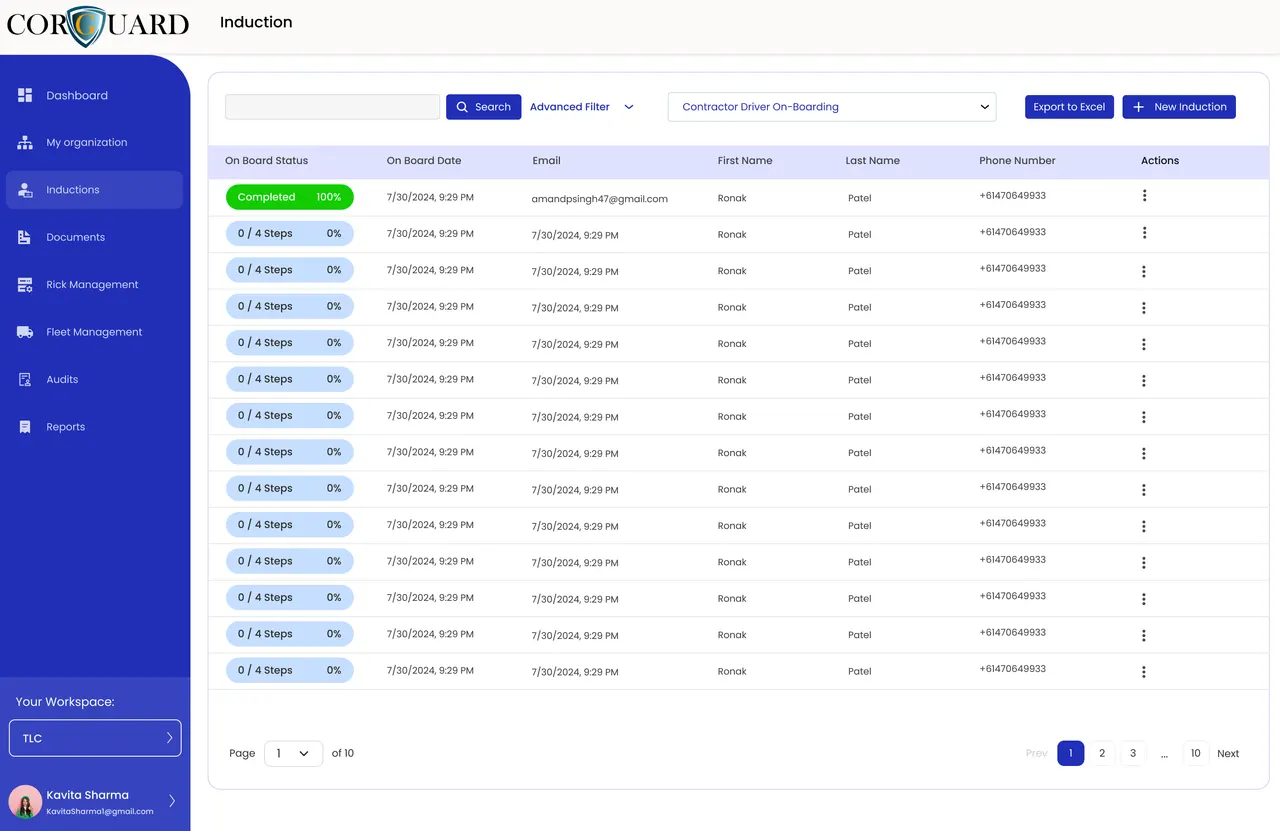
Training records
Connect training completion from cortraining.com.au to evidence and follow-up.
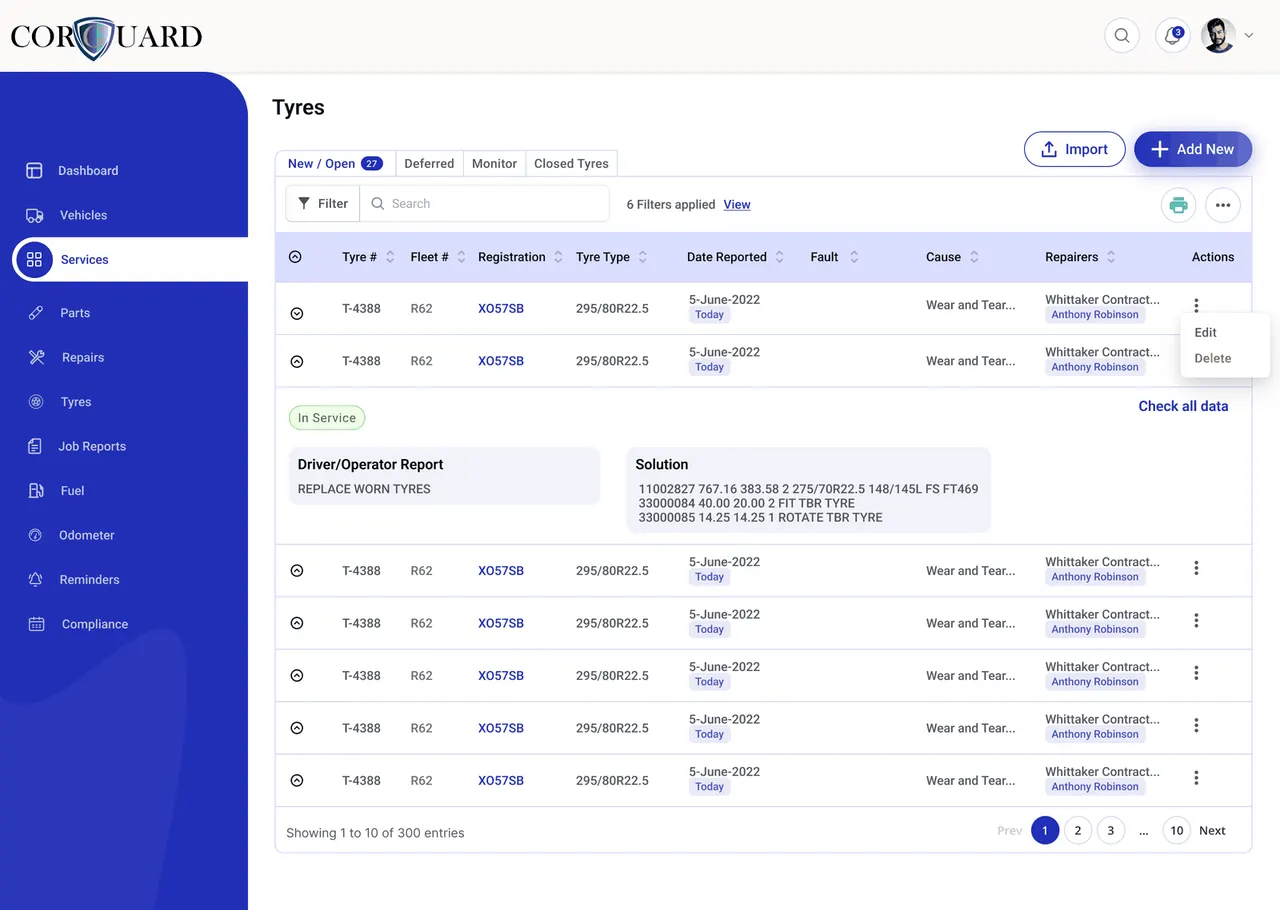
Driver diary checks
Connect fatigue and driver diary review back to manager visibility.
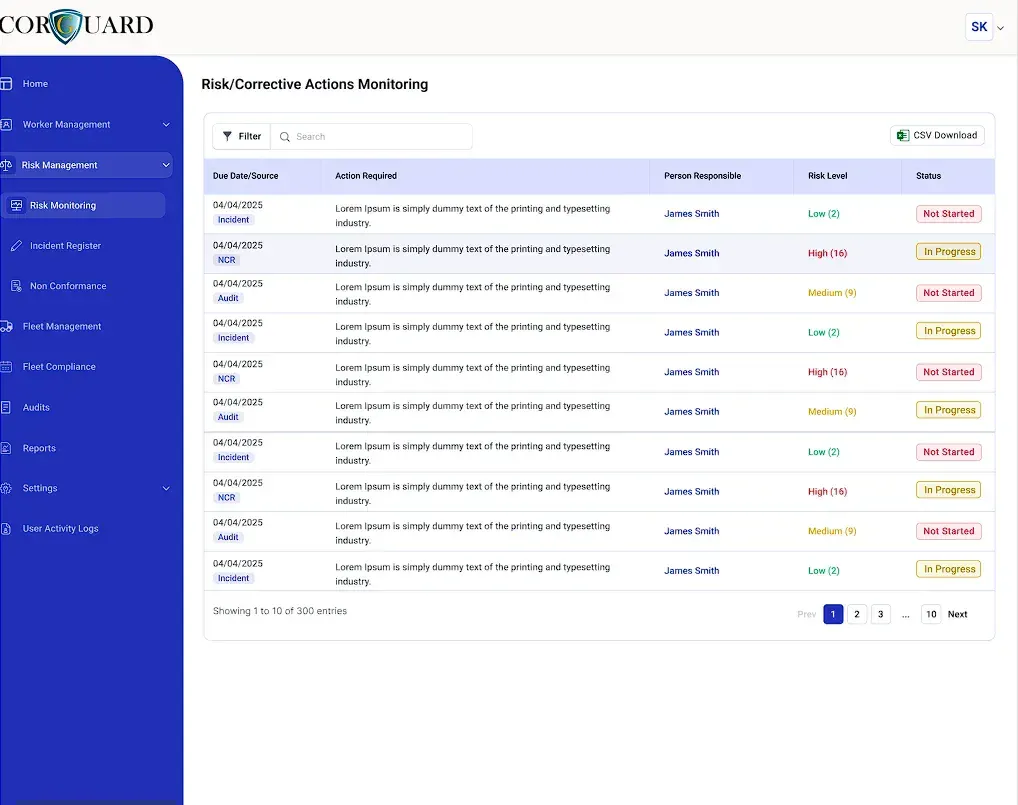
Corrective actions
Turn audit findings, hazards and incidents into tracked actions.
Keep exploring
Related Chain of Responsibility reading
MAEZ insight
On Guard Safety Practises
Sometimes as a consultant, you know when your time is being wasted. One of those times was early 2018 for me when I sat in front of a prospective supplier.
MAEZ insight
Laing O’Rourke Australia | NHVR Issues Enforceable Undertaking
Companies are being reminded to take the Mass and on-road safety responsibilities of all heavy vehicles (GVM or GCM > 4.5T)seriously as outlined here in this Alert. No one wants a fine on their watch and every great leader in business is on the lookout for risks as well as revenue.
MAEZ insight
CoR Comply
CoR Compliance To comply with CoR seems to be something within industry of a mix of opinions. The legislation allows for just one and by reading more, you too can get an insight into what it means to comply through your companies policies or business rules.
MAEZ insight
$60,000 Fatigue Breach
DEPARTMENT OF TRANSPORT AND MAIN ROADS(Complainant) v Anonymous Transport Co. If the person in control of a heavy vehicle commits an extended liability offence, each influencing person is also taken to have committed the offence.
MAEZ insight
How to Implement Chain of Responsibility
A visiting truck sales person injured, resulted in Holcim (Australia) Pty Ltd agreeing to an enforceable undertaking, having a total expenditure of $1,294,100.
MAEZ insight
Fleet Management
How Chain of Responsibility Affects Your Fleet Management Freight transport powers the Australian economy. It not only provides goods for thousands of people daily but also provides job opportunities to many others.
Frequently asked questions
Questions people ask about this topic
What was the outcome of NHVR v Bitumax (Boral Asphalt)?
Magistrate Mark Semmens found Bitumax, a Boral company trading as Boral Asphalt, guilty of a mass offence under the pre-October 2018 HVNL. The company was fined $9,900 after pleading guilty and receiving a 40% reduction, and the loading manager was also found guilty.
Why did the magistrate reject the company's reliance on manufacturer load limits?
The magistrate ruled that manufacturer load limits do not apply as a matter of law and that no prudent operator or driver would rely on them. The company's obligation to comply with heavy vehicle laws applies regardless of which vehicle is used or who owns it.
What would the penalty have been under the current HVNL framework?
Under the current framework, the company fine would have been a minimum of $500,000, the loading manager would have faced a personal fine of $50,000, and had the breach been reckless or life-endangering, penalties could have reached $3 million or included jail time.
What does the Bitumax case mean for Chain of Responsibility duty holders?
It confirms that assurance of safety — not just prescription of safety measures — is your duty. Every party in the chain must demonstrate reasonable steps were taken to prevent mass, fatigue, speed, loading, and vehicle standards breaches, with documented controls and a reporting chain that connects daily activity to legal obligations.
How does MAEZ help operators avoid the kind of failures seen in this prosecution?
MAEZ helps operators find compliance gaps before a regulator does, build Safety Management System controls around how the business actually runs, and use structured evidence workflows to prove due diligence — addressing the exact lack of structure and reporting that the magistrate identified in Bitumax.