
MAEZ insight
Essential Tools for an Effective Safety Management System
Core tools and technologies for an effective Safety Management System, including incident reporting, audit management, compliance tracking, hazard identification, and training platforms for Australian transport operators.

Receiving windows, site rules, and unloading delays can all shape the transport task.
Unloading decisions can affect safety, scheduling, and responsibility.

Managers need a clear view of gaps before audit or enforcement pressure arrives.

Contractor controls should be verified before the work starts.
Consignors
Freight terms, delivery windows, and KPIs must not push drivers into speed, fatigue, or mass breaches.
Consignees
Receiving rules, site access, and unloading delays are CoR controls that need to be set and evidenced.
Loaders
Mass, dimension, and load restraint decisions need documented checks, not assumptions.
Managers
Executives and managers need due-diligence evidence that the Safety Management System is actually working.
What are the essential tools for an effective Safety Management System?
Turning regulatory obligations into operational advantages
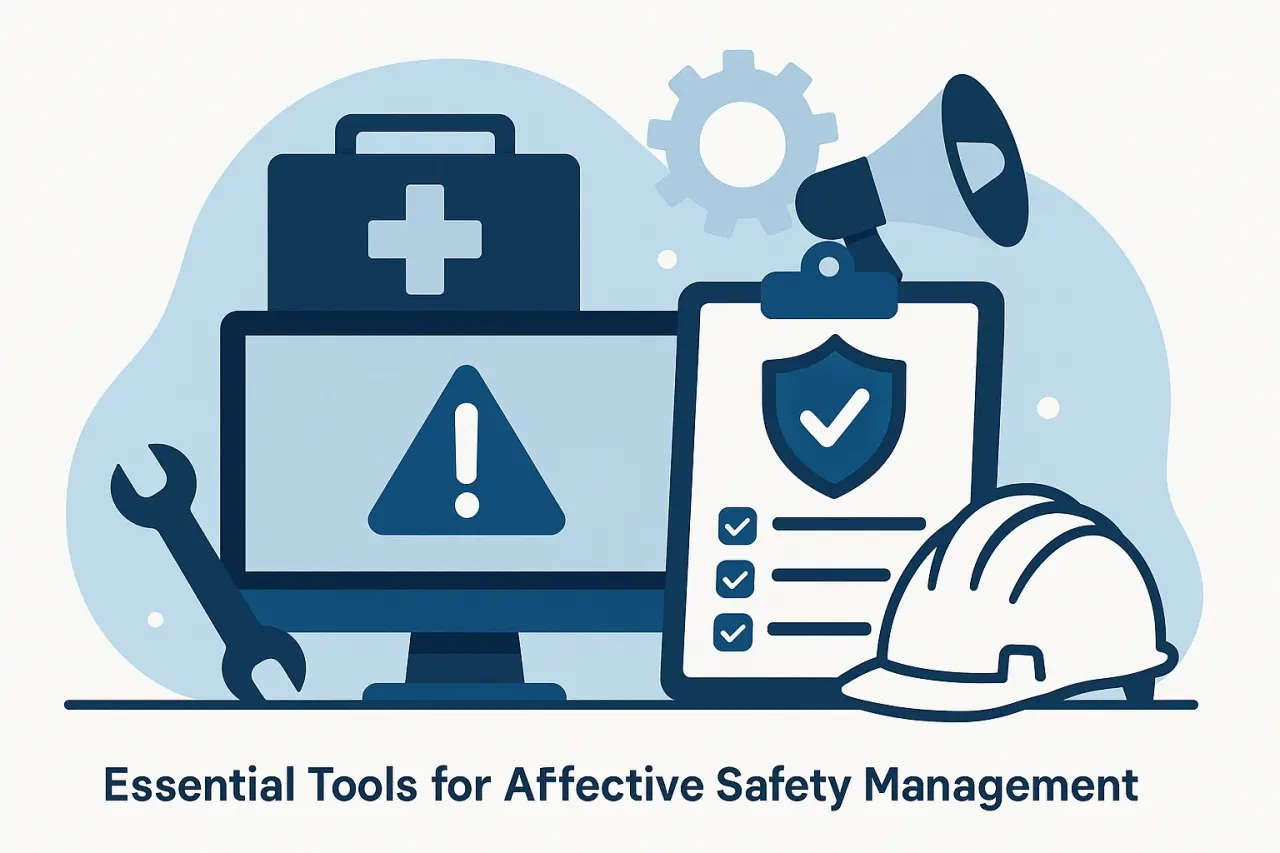
An effective Safety Management System relies on integrated digital tools covering incident reporting, hazard identification, audit and inspection management, compliance tracking, and safety training. Together, these tools centralise safety data, automate workflows, and provide real-time visibility so organisations can move from reactive incident response to proactive risk mitigation.
For Australian transport operators, an effective SMS also supports Chain of Responsibility obligations by providing structured evidence that risks are being managed proactively. The right combination of software, processes, and resources enables organisations to identify hazards, manage incidents, ensure compliance, and build sustainable safety cultures.
Modern safety management platforms have become essential infrastructure for organisations managing workplace safety. These tools centralise documentation, automate compliance tracking, and provide real-time visibility into safety performance across operations.
The most effective safety management software integrates with existing business systems. Connections to HR platforms, operations management tools, and enterprise resource planning systems create seamless data flow. Choose platforms that offer customisation capabilities, because every industry and organisation has unique safety requirements that standard configurations may not address.
What does safety management system software deliver?
The digital backbone for workplace safety programs

Safety management software serves as the digital backbone for workplace safety programs. These platforms integrate multiple safety functions into centralised systems that support proactive risk management. At their core, SMS tools digitise processes that traditionally relied on paper-based systems.
They connect incident reporting, hazard identification, audit management, compliance tracking, and safety training into unified platforms. Key foundational capabilities include:
- Centralised safety data management across multiple sites and operations
- Real-time reporting and analytics dashboards for safety performance
- Automated workflows that route safety issues to appropriate personnel
- Mobile access for field workers and front-line supervisors
- Compliance tracking aligned with regulatory requirements
Cloud-based platforms have become the standard deployment model. They offer scalability for growing organisations and enable access from any location with internet connectivity. These systems transform safety management from reactive incident response to proactive risk mitigation, giving organisations visibility into leading indicators rather than relying solely on lagging metrics.
How do incident management tools strengthen an SMS?
From immediate reporting to root cause analysis

Incident reporting forms the foundation of effective safety programs. Digital incident management tools replace paper forms with structured digital workflows that capture complete information and improve data accuracy.
Modern incident reporting systems enable workers to submit reports from mobile devices immediately after events occur. Key features include:
- Customisable forms that capture relevant details for different incident types
- Photo and video capture functionality to document incident scenes
- Geolocation tagging that automatically records where incidents occur
- Automated notification systems that alert supervisors, safety managers, and executives based on incident severity
Investigation and corrective action tracking
Investigation tools guide teams through structured analysis processes, providing frameworks for identifying contributing factors and root causes. Document management features organise investigation files, witness statements, and supporting evidence in centralised locations, allowing teams to collaborate regardless of physical location.
Corrective action tracking ensures identified improvements are implemented. Systems assign responsibilities, set deadlines, and monitor completion status. Advanced platforms incorporate predictive analytics that identify incident trends, helping organisations address systemic issues before serious events occur.
What role do audit and inspection tools play?
Turning checklists into strategic improvement
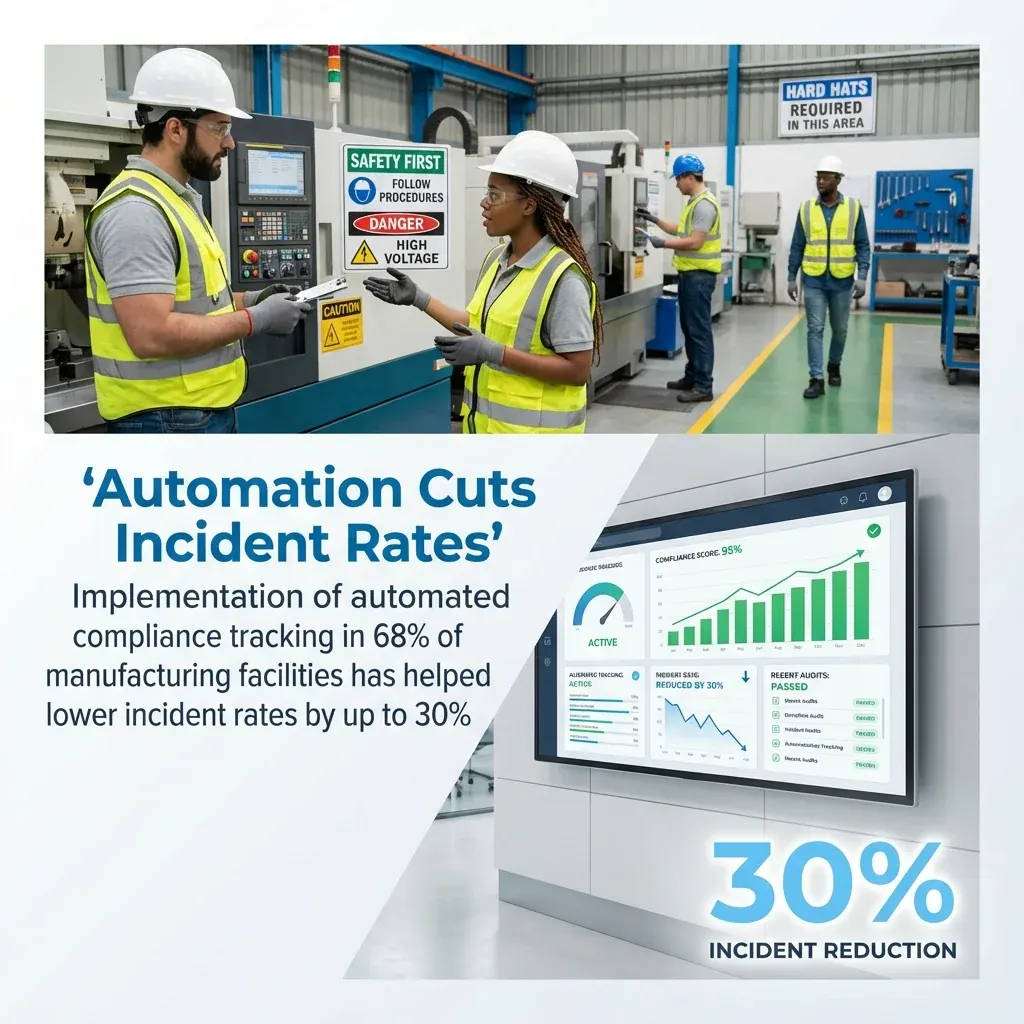
Regular audits and inspections form the backbone of proactive safety management. Digital audit tools transform these processes from checklist exercises into strategic improvement opportunities.
Audit management software provides structured frameworks for conducting safety assessments. Organisations can build custom audit templates or use industry-standard checklists. Mobile audit capabilities enable inspectors to conduct assessments from smartphones or tablets, with offline functionality ensuring audits continue even without internet connectivity.
Audit planning and scheduling
- Scheduling functionality that plans audit activities across multiple locations
- Automated reminders that ensure audits occur at required frequencies
- Resource allocation features that assign qualified auditors to specific assessments
- Calendar integration that connects audit schedules with operational calendars to minimise disruption
Inspection execution and documentation
Digital checklists guide inspectors through comprehensive assessments. Conditional logic presents relevant questions based on previous responses, and photo annotation capabilities allow inspectors to mark up images highlighting specific issues. Immediate issue creation links identified hazards directly to corrective action workflows.
Audit trail functionality maintains complete records of all assessments, supporting compliance demonstrations during regulatory inspections or NHVAS audits.
How do compliance management tools track regulatory obligations?
Staying current with evolving obligations
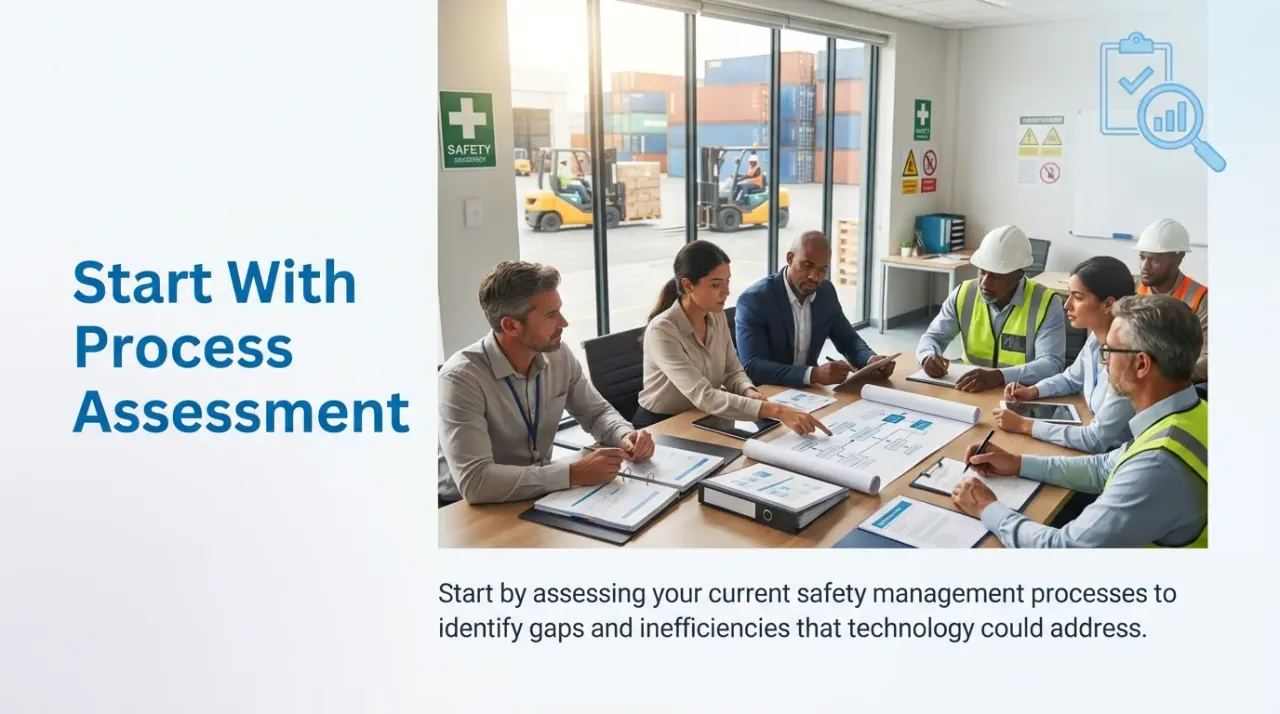
Maintaining compliance with evolving regulations presents ongoing challenges. Compliance management tools help organisations track requirements and demonstrate adherence. Modern compliance modules monitor regulatory obligations across multiple jurisdictions and update automatically when requirements change.
Requirement libraries organise applicable regulations by location, industry, and operation type, so users can quickly identify which requirements apply to specific facilities or activities.
Obligation tracking and assessment
Compliance tracking tools map regulatory requirements to specific organisational processes. This mapping clarifies who owns each compliance obligation. Assessment features evaluate current compliance status against requirements, while gap analysis identifies areas needing attention before regulatory inspections.
Under the Heavy Vehicle National Law, duty holders must manage risks associated with their transport activities. Compliance tools that map obligations to processes help demonstrate that responsibility is shared appropriately across the supply chain, consistent with the principle of shared responsibility.
Regulatory reporting and documentation
Automated reporting functions generate required regulatory submissions. Systems compile data from multiple sources into standardised report formats, and audit-ready reporting provides inspectors with organised documentation during regulatory visits. For transport operators preparing for HVNL 2026 changes, having compliance documentation centralised and current reduces the burden of demonstrating readiness.
How do hazard identification and risk assessment tools prevent incidents?
Preventing incidents before they occur

Proactive hazard identification prevents incidents before they occur. Digital hazard management tools provide structured approaches to recognising and controlling workplace risks. Hazard reporting functionality enables workers to flag potential risks as they encounter them, with simple mobile interfaces that reduce barriers to reporting.
Hazard recognition and documentation
- Photo-based hazard reporting that captures visual evidence of unsafe conditions
- Categorisation systems that organise hazards by type, location, and severity
- Near-miss reporting that captures close calls and provides valuable learning opportunities
- Safety observation programs that document positive behaviours and at-risk actions
Risk assessment and control
Risk assessment matrices help teams evaluate hazard severity and likelihood, with standardised scoring ensuring consistent risk evaluation. Job safety analysis tools break down tasks into steps and identify associated hazards. Teams develop controls for each identified risk.
Control hierarchy frameworks guide teams toward the most effective mitigation strategies, prompting consideration of elimination and engineering controls before administrative measures. Residual risk tracking monitors the effectiveness of implemented controls, allowing organisations to reassess risks after control implementation.
A structured risk lens aligns with chartered risk approaches to closing Chain of Responsibility gaps, ensuring that hazard identification feeds directly into your broader compliance evidence.
Why is safety training management essential to an SMS?
Building competent, compliant workforces
Competent workers form the foundation of safe operations. Learning management systems integrated with safety platforms ensure personnel receive required training and that training records are maintained as part of your compliance evidence.
Training management modules track employee certifications, qualifications, and competency assessments. Automated reminders notify managers when training is due for renewal, preventing lapses that could create compliance gaps.
What integrated training platforms deliver
- Centralised training records accessible during audits and inspections
- Role-based training assignments that match duties to relevant competencies
- Automated renewal reminders for expiring certifications
- Reporting that demonstrates training coverage to regulators
For transport operators, Chain of Responsibility training is a critical component of any SMS. Ensuring that executives, managers, and front-line workers understand their CoR obligations strengthens the entire safety framework and provides evidence that the organisation is meeting its duty to ensure safety.
When training records sit alongside incident data, hazard reports, and audit findings in a single system, the result is a coherent safety narrative you can present with confidence during any compliance review.
How MAEZ works
Find the gaps. Fix the system. Prove the controls.
MAEZ helps transport operators deal with the compliance risk they already know is there. We help get the Safety Management System in order, protect NHVAS accreditation, reduce fine exposure, and connect training, evidence, and CoRGuard workflows where software is needed.
Find
Identify what is exposed before an auditor or regulator does.
Fix
Build the SMS controls around how the transport business actually runs.
Prove
Use CoRGuard where records, reminders, diaries, audits, and evidence need structure.
From advice to evidence
From MAEZ advice to a working Safety Management System
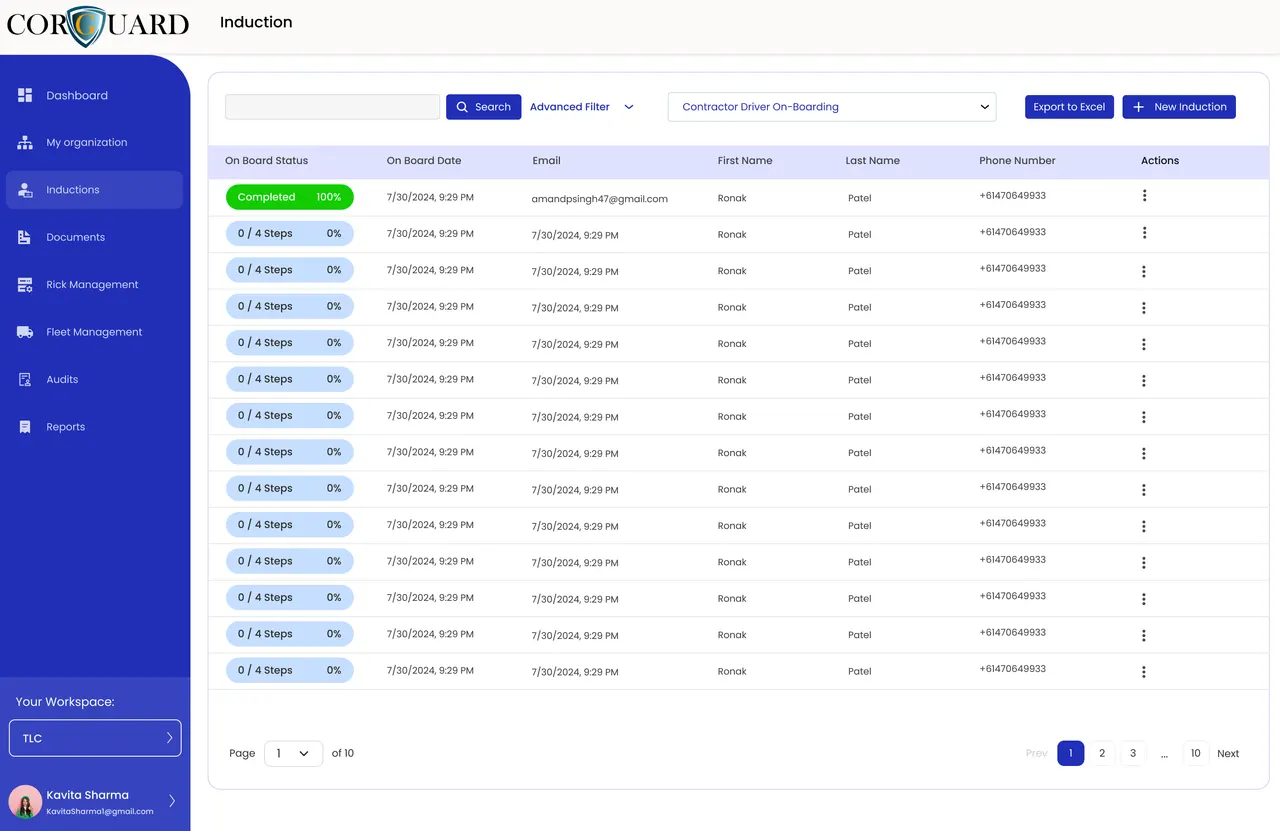
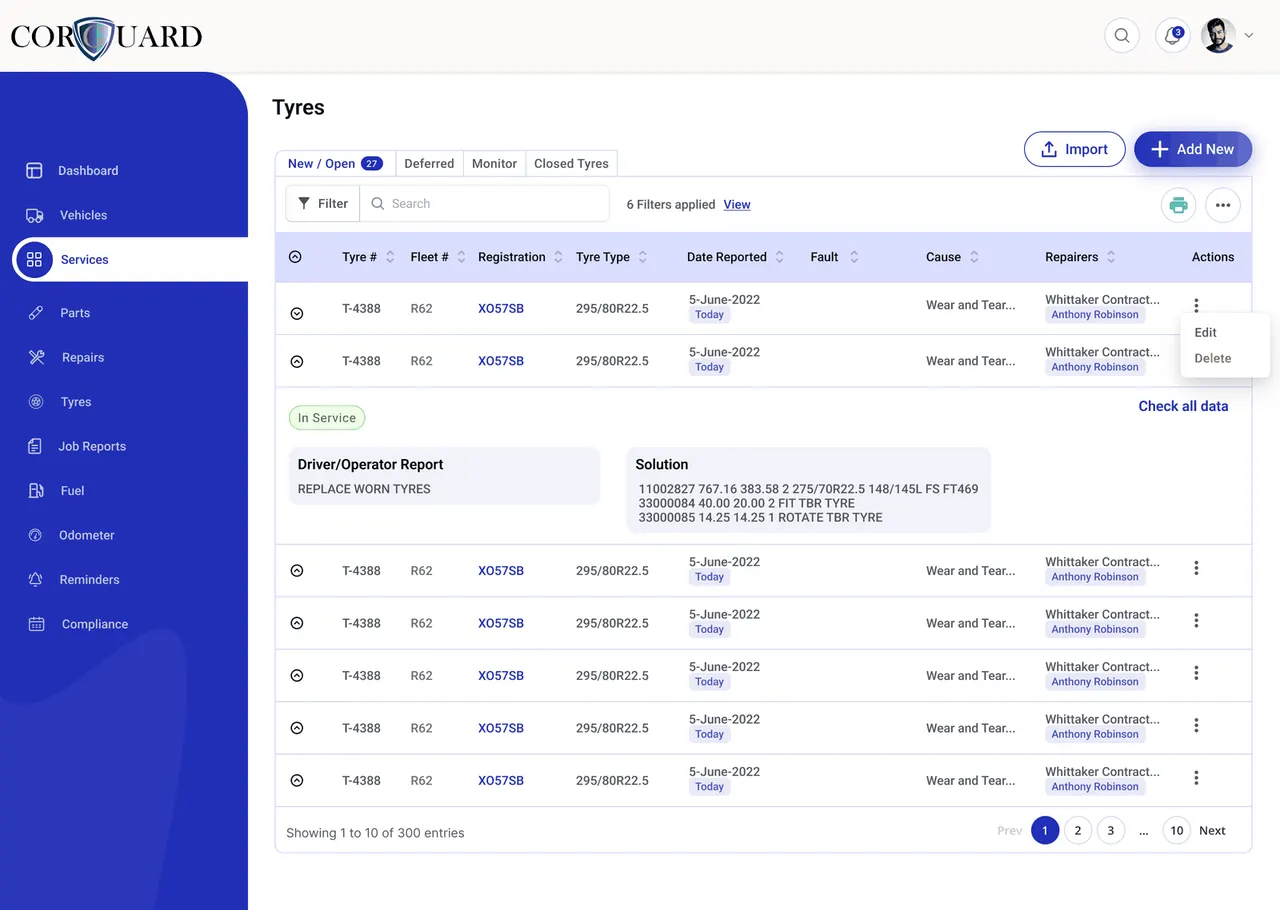
Advisory work should leave a practical implementation trail. These examples show how CoRGuard supports records, fatigue and driver diary checks, maintenance, audits, document control, inductions, corrective actions, and evidence review after MAEZ identifies the gaps.
Training records
Connect training completion from cortraining.com.au to evidence and follow-up.
Driver diary checks
Connect fatigue and driver diary review back to manager visibility.
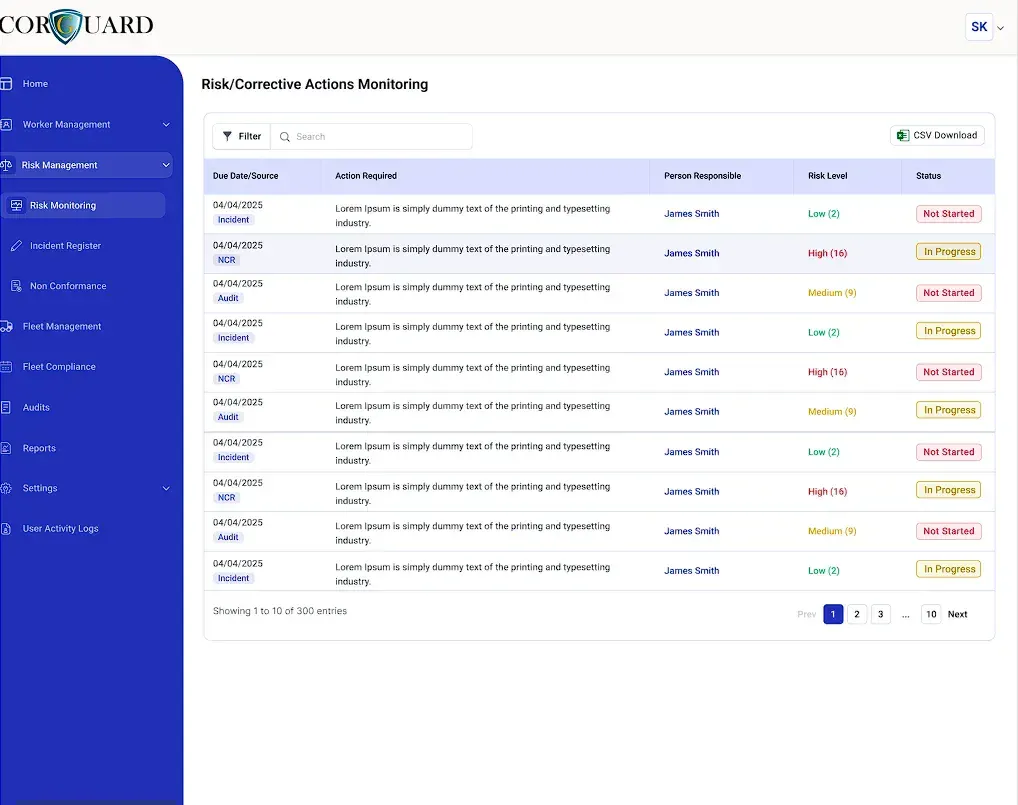
Corrective actions
Turn audit findings, hazards and incidents into tracked actions.
Keep exploring
Related Chain of Responsibility reading
MAEZ insight
Effective Strategies for Mitigating Supply Chain Risks
Explore effective supply chain risk mitigation strategies to enhance resilience, efficiency, and reduce business disruptions with structured frameworks.
MAEZ insight
Understanding the Importance of ISO 45001 for Workplace Safety
Explore the importance of ISO 45001 in enhancing workplace safety by preventing injuries and promoting a proactive health management approach.
MAEZ insight
Effective Strategies for Managing Supply Chain Risks
Learn how to manage supply chain risks effectively with structured strategies. Discover vulnerabilities and safeguard operations from disruptions.
MAEZ insight
Effective Risk Mitigation Strategies for Supply Chains
Discover effective risk mitigation strategies in supply chain to manage disruptions, enhance resilience, and ensure operational continuity.
MAEZ insight
Effective Strategies to Mitigate Supplier Risk
Learn how to mitigate supplier risk with effective strategies. Protect your supply chain from disruptions and ensure operational continuity today.
MAEZ insight
Understanding the Key Benefits of ISO 45001 Management Systems
Discover the key benefits of ISO 45001 management systems, including reduced incidents and enhanced compliance. Boost safety and efficiency today!
Frequently asked questions
Questions people ask about this topic
What tools are essential for an effective Safety Management System?
An effective SMS requires integrated digital tools for incident reporting, hazard identification, audit and inspection management, compliance tracking, and safety training. These tools centralise safety data, automate workflows, and provide real-time visibility into safety performance across operations.
How does safety management software support Chain of Responsibility obligations?
Safety management software supports Chain of Responsibility obligations by providing structured evidence that risks are being managed proactively. Compliance tools map regulatory requirements to organisational processes, helping demonstrate that responsibility is shared appropriately across the supply chain.
What features should incident management tools include?
Incident management tools should include customisable reporting forms, photo and video capture, geolocation tagging, automated severity-based notifications, structured root cause analysis workflows, and corrective action tracking with assigned responsibilities and deadlines.
Why is training management important within a Safety Management System?
Training management ensures personnel hold current certifications and competencies, with automated reminders preventing lapses. For transport operators, integrated Chain of Responsibility training records alongside incident and hazard data create a coherent safety narrative for compliance reviews.
How do compliance management tools help with NHVAS or regulatory audits?
Compliance management tools centralise documentation, track obligations across jurisdictions, and generate audit-ready reports. They maintain complete audit trails of assessments and corrective actions, supporting compliance demonstrations during NHVAS audits or regulatory inspections.