
MAEZ insight

Mastering Chain of Responsibility: Top Best Practices

Discover the top best practices for mastering the chain of responsibility. Enhance your coding with flexible, maintainable solutions today!

Executive team reviewing transport risk and Chain of Responsibility assurance data
Executives

Due diligence means knowing whether the safety system is actually working.

Australian consignor reviewing freight documents and Chain of Responsibility controls
Consignors

Proof that freight promises do not create unsafe transport pressure.

Loader in hi-vis PPE checking freight and load restraint in an Australian depot
Loaders

Loading controls need evidence, not assumptions.
Transport operator reviewing fleet compliance records in an Australian control room
Operators

Daily fleet activity has to connect back to duties, controls, and review.

Consignors

Role-based Chain of Responsibility controls, evidence, and SMS expectations.

Consignees

Role-based Chain of Responsibility controls, evidence, and SMS expectations.

Loaders

Role-based Chain of Responsibility controls, evidence, and SMS expectations.

Managers

Role-based Chain of Responsibility controls, evidence, and SMS expectations.

Original MAEZ page graphics

Legacy visuals preserved for this page

MAEZ legacy graphic: supawrite image 1767872313 1
MAEZ legacy graphic: gemini fact the gang of four catalog defines this as avoiding 1767871710493
MAEZ legacy graphic: gemini fact chain of responsibility belongs to the behavioral 1767871849482
MAEZ legacy graphic: gemini tip keep each handler focused on one responsibility th 1767872158285
MAEZ legacy graphic: gemini tip initialize chains during application startup when 1767872086273
MAEZ legacy graphic: gemini tip test handlers individually before testing complete 1767871959483

Mastering Chain of Responsibility: Top Best Practices

The Chain of Responsibility pattern deserves more attention than most developers give it. This behavioral design pattern passes requests along a chain of handlers , and each handler decides either to process the request or pass it to the next handler. When implemented properly, it transforms rigid conditional logic into flexible, maintainable code. Most teams struggle with this pattern because they focus on theoretical structure instead of practical implementation. I’ve spent 25 years working across supply chain operations, where handling requests sequentially matters. Whether processing approvals, validating data, or routing work orders, the same principle applies: decouple senders from receivers. This pattern solves that problem elegantly. You’ll learn how to build handler chains that actually work. We’ll cover the core components, when to apply this pattern, and the implementation steps that matter. You’ll see complete code examples, understand common pitfalls, and know exactly when Chain of Responsibility fits your needs. By the end, you’ll recognize opportunities to replace complex conditionals with clean handler chains. Understanding the Chain of Responsibility Pattern The pattern creates a chain where each handler gets a chance to process incoming requests. One handler might complete the work, or it might forward the request down the line. The Gang of Four catalog defines this as avoiding coupling between sender and receiver by giving multiple objects a chance to handle the request. Decouple the sender from the receiver: multiple handlers can process or pass along the request (GoF definition). Think of it like an escalation system in customer support. A basic query hits the first-line support team. If they can’t resolve it, they escalate to technical support. Still unresolved? It moves to engineering. The customer doesn’t need to know who handles their request, they just submit it and trust the chain works. This separation matters more than most developers realize. When you hardcode which object handles which request, you create tight coupling. Every time requirements change, you modify multiple classes. The Chain of Responsibility pattern breaks these dependencies. Core Intent and Purpose The pattern exists to decouple request senders from request receivers. Your client code submits a request without knowing which handler processes it. The chain determines the appropriate handler at runtime based on each handler’s logic. This supports the Single Responsibility Principle beautifully. Each handler focuses on one type of request processing. It also enables the Open/Closed Principle because you add new handlers without modifying existing ones. The chain configuration handles the assembly. You gain flexibility in how requests flow through your system. Dynamic chain configuration at runtime becomes possible. One request path during normal operations, another during peak load. The client code stays identical. The Behavioral Pattern Context Chain of Responsibility belongs to the behavioral patterns cataloged in the Gang of Four book and appears throughout software engineering curricula. It sits alongside Strategy, Observer, and Command patterns. All focus on how objects interact and distribute responsibility. Chain of Responsibility is part of the behavioral pattern family, alongside Strategy, Observer, and Command. Unlike structural patterns that organize class relationships, behavioral patterns define communication protocols. The Chain of Responsibility specifically handles request routing. It answers the question: how do I process requests without hardcoding which object handles what? Developers often confuse this with the Decorator pattern. Both involve chains of objects. But Decorator adds functionality while maintaining the same interface. Chain of Responsibility routes requests to appropriate handlers. The intent differs fundamentally. Key Components That Make It Work Every Chain of Responsibility implementation needs three core elements. Miss one, and you lose the pattern’s benefits. Get them right, and you build maintainable request-handling systems. The handler interface defines the contract. The base handler class provides shared functionality. Concrete handlers implement specific processing logic. Together, these components create the chain structure. The Handler Interface Your handler interface declares the method for processing requests. Most implementations call it handleRequest or simply handle . It accepts a request object and returns a result or void. The interface also needs a method to set the next handler in the chain. This creates the link between handlers. Some implementations use setNext , others prefer constructor injection. Choose based on whether you need runtime chain modification. interface Handler Keep the interface minimal. Each handler must implement these methods, so additional requirements propagate across all concrete handlers. Simplicity prevents maintenance headaches later. The Base Handler Class The base handler class stores the reference to the next handler. It implements the handler interface and provides default behavior for passing requests along the chain. This eliminates duplicate code across concrete handlers. Most base handlers implement the setNext method and return this to enable fluent chaining. They also provide a default handleRequest implementation that forwards to the next handler if one exists. abstract class BaseHandler implements Handler public void handleRequest(Request request) } } Concrete handlers extend this class and override handleRequest with their specific logic. They can process the request entirely, partially process it and pass it along, or skip it entirely. Concrete Handler Implementation Concrete handlers contain the actual business logic. Each one checks if it can handle the incoming request. If yes, it processes it. If no, it calls the next handler in the chain. The decision logic varies based on request type, content, priority, or any other criteria. What matters is each handler follows the Single Responsibility Principle. One handler, one type of processing. class AuthenticationHandler extends BaseHandler super.handleRequest(request); } } class ValidationHandler extends BaseHandler super.handleRequest(request); } } Notice how each handler can process and pass along. This allows multiple handlers to work on the same request. Authentication happens first, then validation, then whatever comes next. When to Apply This Pattern The Chain of Responsibility pattern solves specific problems. Using it inappropriately creates unnecessary complexity. Understanding when it fits separates experienced developers from those chasing patterns for pattern’s sake. You need this pattern when multiple objects might handle a request but you don’t know which one until runtime. Or when you want to issue requests to multiple objects without specifying the receiver explicitly. Ideal Use Cases Request processing pipelines benefit enormously from this pattern. Web frameworks use it for middleware chains. Each middleware handler processes the request partially: logging, authentication, validation, caching, then the actual business logic. Approval workflows fit naturally. A purchase request under $1,000 gets approved by a supervisor. Under $10,000 requires a manager. Above that needs director approval. Each handler checks the amount and either approves or forwards. Use Case Why Chain of Responsibility Fits Logging frameworks Multiple appenders process log messages based on severity level Event handling systems Events bubble through handler chains until processed Validation chains Sequential validation rules applied to data Exception handling Different handlers catch different exception types Command processing Commands routed to appropriate processors Support ticketing systems naturally model as chains. Basic questions get answered by automated responses. More complex issues reach human agents. Unresolved tickets escalate to specialists. The requester doesn’t manage this routing. When to Avoid This Pattern Don’t use Chain of Responsibility when you know exactly which object should handle each request. The pattern adds indirection that helps with flexibility but hurts readability when unnecessary. Avoid it for performance-critical paths where latency matters. Each handler in the chain adds overhead. If you’re processing thousands of requests per second, that overhead accumulates. Profile first, then decide. Skip the pattern when your handler logic interacts heavily with other handlers. The power comes from loose coupling. If handlers need to coordinate, you probably need a different approach like Mediator or Observer. Building Your Handler Interface The handler interface forms the foundation. Get this right, and everything else falls into place. Design it poorly, and you’ll fight the pattern throughout implementation. Start with the method signature for processing requests. You need to decide what the handler receives and what it returns. This shapes the entire chain’s behavior. Defining the Processing Method Your handleRequest method needs a clear signature. Most implementations pass a request object and optionally return a result. The request object encapsulates all data the handlers need. interface RequestHandler Some chains need handlers to explicitly signal whether they processed the request. Add a boolean return or use an Optional result type. This tells subsequent handlers whether to continue processing. For async systems, return a Promise or Future. The chain becomes non-blocking, which suits I/O heavy operations. Just remember error handling becomes more complex in async chains. Setting Up Chain Links Your interface must support linking handlers together. The standard approach uses a setNext method that accepts another handler and returns the handler for fluent chaining. interface Handler This enables readable chain construction. You can see the entire handler sequence in one expression. Handler chain = new AuthHandler() .setNext(new ValidationHandler()) .setNext(new ProcessingHandler()) .setNext(new LoggingHandler()); Some developers prefer constructor-based linking. Each handler receives the next handler in its constructor. This prevents runtime chain modification but guarantees chain immutability. Choose based on whether you need dynamic reconfiguration. Creating the Base Handler Class The base handler class eliminates code duplication across concrete handlers. It implements the handler interface and provides default implementations that work for most handlers. Extract the common functionality that every handler needs. Usually this means storing the next handler reference and forwarding requests when the current handler can’t process them. Implementing Default Behavior Your base handler stores a reference to the next handler in the chain. It implements setNext to establish this connection. The method returns the next handler to enable fluent syntax. abstract class AbstractHandler implements Handler public void handle(Request request) } } The default handle implementation simply forwards to the next handler. Concrete handlers override this method with their specific logic but can call super.handle(request) to continue the chain. Supporting Partial Processing Many handlers need to process a request partially then pass it along. The base class should make this pattern easy. Concrete handlers process their portion, then invoke the parent’s handle method. class EnrichmentHandler extends AbstractHandler } This creates processing pipelines where each handler enhances the request. By the time it reaches the final handler, multiple enrichments have occurred. Some chains need handlers to stop processing. Support this by not calling super.handle(request) . The chain terminates at that handler. Make this decision based on request content or processing results. Implementing Concrete Handlers Concrete handlers contain your actual business logic. Each one extends the base handler class and implements specific request processing rules. This is where the pattern proves its worth. Keep each handler focused on one responsibility. The pattern works best when handlers remain independent. They should make decisions based solely on the request, not on what other handlers might do. Keep handlers single-purpose and independent to maximize maintainability and composability. Authentication Handler Example An authentication handler checks credentials before allowing request processing to continue. It might validate tokens, check session state, or verify API keys. class AuthenticationHandler extends AbstractHandler super.handle(request); } } This handler either throws an exception, stopping the chain, or validates successfully and passes the request forward. Simple, focused, testable. Validation Handler Example Validation handlers check request data against business rules. They ensure required fields exist, values fall within acceptable ranges, and relationships between fields make sense. class ValidationHandler extends AbstractHandler if (request.getCurrency() == null) if (!errors.isEmpty()) super.handle(request); } } Notice how validation doesn’t depend on authentication. The handlers remain decoupled. You can reorder them, remove them, or add new ones without modifying existing handler code. Processing Handler Example The final handler typically performs the core business operation. It might update a database, call an external API, or perform calculations. By this point, authentication and validation have completed. class ProcessingHandler extends AbstractHandler public void handle(Request request) } The processing handler focuses exclusively on business logic. It doesn’t validate, doesn’t authenticate, doesn’t log. Other handlers handle those concerns. This separation makes testing straightforward. Assembling and Configuring Chains Building the handler chain correctly matters as much as implementing individual handlers. You control processing order, manage dependencies, and establish error handling policies during assembly. Chain configuration should live in one place. Factory methods or builder patterns work well. This centralizes chain construction and makes modification easier. Static Chain Configuration Static chains work when handler order stays constant. You define the sequence once during application startup and reuse it for all requests. public class HandlerChainFactory } This approach keeps chain construction visible and maintainable. You see the entire processing pipeline in one method. Adding or removing handlers requires changing one location. Dynamic Chain Configuration Dynamic chains adapt based on runtime conditions. Different request types might need different handler sequences. Peak load times might add caching handlers. Testing environments might skip certain validations. public class DynamicHandlerChain if (context.isProduction()) handlers.add(new ProcessingHandler()); return linkHandlers(handlers); } private Handler linkHandlers(List handlers) return handlers.get(0); } } Dynamic configuration adds complexity but provides flexibility. Use it when handler requirements genuinely vary at runtime. Don’t add it speculatively. Chain Initialization Best Practices Initialize chains during application startup when possible. Construction carries overhead. Building chains for every request wastes resources. Initialize chains at startup to avoid per-request construction overhead and improve performance. Consider handler state carefully. Stateless handlers can be shared across requests safely. Stateful handlers need fresh instances per request or proper state management. For web applications, initialize chains in your dependency injection container. Register them as singletons if stateless, or as request-scoped if they maintain state. Advanced Implementation Patterns Basic chains handle simple scenarios well. Real applications need additional sophistication. These patterns extend the fundamental approach while maintaining its benefits. Bidirectional Chains Some scenarios require backward processing. A request moves forward through handlers, then responses flow backward. Each handler gets to process both the request and response. abstract class BidirectionalHandler implements Handler processResponse(request); } protected abstract void processRequest(Request request); protected abstract void processResponse(Request request); } Web middleware commonly uses this pattern. Request handlers might add headers on the way in. Response handlers remove sensitive data on the way out. The same chain serves both directions. Priority-Based Chains Handler order sometimes depends on priority rather than fixed sequence. Handlers declare their priority, and the chain sorts them automatically. interface PriorityHandler extends Handler public class PriorityChain } This pattern suits plugin architectures. Plugins register handlers without knowing about other plugins. The chain assembles based on declared priorities. Conditional Chain Branching Complex workflows might branch based on request characteristics. One path for authenticated users, another for guests. One path for small requests, another for large ones. class BranchingHandler extends AbstractHandler else } public void setAuthenticatedPath(Handler handler) public void setGuestPath(Handler handler) } Branching adds complexity but models real workflows more accurately. Use it when request paths genuinely diverge. Don’t use it to hide conditional logic that belongs in a single handler. Error Handling in Handler Chains Errors complicate chains more than most developers anticipate. You need consistent policies for how handlers report failures, whether the chain continues after errors, and how clients receive error information. Exception Propagation Strategy The simplest approach throws exceptions immediately. Any handler encountering an error throws, stopping the chain. The exception propagates back to the client. class ValidationHandler extends AbstractHandler super.handle(request); } } This works when any error makes further processing pointless. Authentication failures, validation errors, and permission denials often fit this pattern. No point continuing if the request is fundamentally flawed. Error Collection Pattern Some chains need to collect all errors rather than failing fast. Validation particularly benefits from this approach. Users receive all validation failures at once instead of fixing them one at a time. class ErrorCollectingChain catch (HandlerException e) try catch (HandlerException e) if (!errors.isEmpty()) return Result.success(); } } This pattern trades simplicity for user experience. Implementation becomes more complex, but clients get better feedback. Retry and Fallback Handlers Handlers might fail temporarily. Network issues, service unavailability, rate limits. A retry handler wraps other handlers and attempts recovery. class RetryHandler extends AbstractHandler catch (RetriableException e) } throw new MaxRetriesExceededException(lastException); } } Place retry handlers early in the chain. They wrap all downstream processing. This protects against transient failures anywhere in the pipeline. Testing Chain of Responsibility Implementations The pattern’s loose coupling makes testing straightforward. You test handlers individually, then test chain assembly separately. This modularity accelerates development. Test handlers individually first to isolate issues; then verify the full chain in integration tests. Unit Testing Individual Handlers Test each handler in isolation. Mock the next handler to verify your handler calls it appropriately. Focus on the handler’s specific logic. @Test public void testAuthenticationHandler_validToken() @Test public void testAuthenticationHandler_invalidToken() These tests run fast and pinpoint failures precisely. When a test fails, you know exactly which handler caused it. Integration Testing Handler Chains Integration tests verify handlers work together correctly. Build complete chains and submit requests that exercise the full pipeline. @Test public void testPaymentChain_successfulProcessing() These tests catch integration issues that unit tests miss. Handler ordering problems, state management bugs, and communication failures surface here. Testing Chain Configuration Test your chain assembly logic separately. Verify handlers appear in the correct order and that conditional assembly works as expected. @Test public void testDynamicChain_productionConfiguration() These tests document expected chain structures. They also catch configuration bugs that might otherwise only appear in production. Performance Optimization Strategies Handler chains add processing overhead. Each handler invocation costs time. Long chains processing high request volumes need optimization. Measuring Chain Performance Start with measurement. Add timing to each handler to identify bottlenecks. You can’t optimize what you don’t measure. class TimingHandler extends AbstractHandler finally } } Wrap your handlers with timing handlers during performance testing. You’ll quickly see which handlers consume the most time. Handler Caching Strategies Some handlers perform expensive operations that rarely change. Caching results improves performance significantly. class CachingValidationHandler extends AbstractHandler boolean valid = performValidation(request); validationCache.put(cacheKey, valid); if (valid) else } } Cache carefully. Stale cache entries cause incorrect behavior. Set appropriate expiration times and cache invalidation policies. Short-Circuit Optimization Some handlers can determine immediately that subsequent handlers won’t change the outcome. They should short-circuit the chain when possible. class AuthorizationHandler extends AbstractHandler if (!request.hasPermission()) super.handle(request); } } Short-circuiting reduces processing time for common cases. Admin requests skip validation steps. Clearly forbidden requests avoid expensive processing. Common Pitfalls and Solutions Developers make predictable mistakes with this pattern. Recognizing them early prevents debugging sessions later. Circular Chain References Handler A points to handler B, which points to handler C, which points back to handler A. Requests loop infinitely. Prevent this during chain construction. Track which handlers you’ve added. Throw an exception if you detect a cycle. public Handler buildChain(List handlers) seen.add(handler); } return linkHandlers(handlers); } Unhandled Requests A request reaches the end of the chain without any handler processing it. The client receives no response or unclear errors. Add a terminal handler at the chain’s end. It either handles all remaining requests or throws a clear exception indicating the request couldn’t be processed. class TerminalHandler extends AbstractHandler } } Hidden Handler Coupling Handlers shouldn’t depend on specific other handlers. Yet developers sometimes write handler B assuming handler A already ran. Design handlers to validate their preconditions explicitly. If handler B needs authenticated requests, it should check authentication rather than assuming a previous handler handled it. class ProcessingHandler extends AbstractHandler // Now process safely process(request); super.handle(request); } } This makes handler dependencies explicit. It also catches configuration errors where handlers appear in the wrong order. Real-World Applications Understanding where this pattern appears in production systems helps you recognize when to apply it. These aren’t theoretical examples. They’re patterns you’ll encounter regularly. Web Framework Middleware Express.js, ASP.NET Core, and similar frameworks implement middleware as handler chains. Each middleware function receives the request, processes it, and calls next(). The pattern enables composable request processing where you add logging, authentication, compression, and routing as independent middleware components. Event Handling Systems GUI frameworks and event buses use chains to process events. An event starts at the most specific handler and bubbles up through more general handlers until someone processes it. This matches how DOM events work in browsers. A click on a button bubbles through the button, its container, the body, and finally the document. Any handler in the chain can process or ignore the event. Logging Frameworks Log4j, Logback, and similar systems use handler chains for appenders. A log message passes through multiple appenders. Each one might write to console, file, network, or database based on log level and content. The decoupling lets you reconfigure logging without changing application code. Add new appenders, adjust filters, change formatting. The logging calls stay identical. Business Process Workflows Approval chains, document routing, and workflow engines implement this pattern. A purchase request moves through multiple approvers. Each one reviews and either approves or rejects based on their authority level. Building robust workflows requires careful handler design and clear chain configuration. The pattern naturally models how organizations process requests hierarchically. Comparing with Related Patterns Several patterns superficially resemble Chain of Responsibility. Understanding the differences prevents pattern misuse. Chain of Responsibility vs Decorator Both patterns chain objects together. But Decorator adds functionality while maintaining a consistent interface. Chain of Responsibility routes requests to appropriate handlers. Use Decorator when you want to add or modify behavior. Use Chain of Responsibility when you want to decouple request senders from receivers and enable flexible request routing. Chain of Responsibility vs Strategy Strategy selects one algorithm from multiple options. The client typically controls which strategy executes. Chain of Responsibility lets the chain determine which handler processes the request. Strategy suits situations where you choose processing logic explicitly. Chain of Responsibility suits situations where multiple objects might handle a request and you determine the handler at runtime based on request content. Chain of Responsibility vs Command Command encapsulates requests as objects. This enables request queuing, logging, and undo operations. Chain of Responsibility focuses on routing requests to appropriate handlers. These patterns complement each other. You might use Command to represent requests and Chain of Responsibility to route those command objects to appropriate processors. Migration Strategies for Legacy Code Most developers encounter existing code with complex conditional logic that needs refactoring. Implementing Chain of Responsibility improves maintainability but requires careful migration. Identifying Refactoring Candidates Look for long if-else chains or switch statements that route requests. Code that handles multiple scenarios based on request type or content often benefits from this pattern. // Before - complex conditional public void processRequest(Request request) if (request.needsValidation()) if (request.isHighPriority()) else logRequest(request); } This code mixes multiple concerns. Authentication, validation, priority processing, and logging all appear in one method. Adding new processing steps requires modifying this method. Step-by-Step Migration Process Start by extracting each conditional branch into a separate handler class. Keep the original method temporarily as you build the chain. // Step 1: Create handlers class AuthenticationHandler extends AbstractHandler super.handle(request); } } class ValidationHandler extends AbstractHandler super.handle(request); } } Next, build the handler chain and replace the original method with a simple chain invocation. // Step 2: Build and use chain private Handler chain; public void initializeChain() public void processRequest(Request request) Testing During Migration Keep the old implementation temporarily. Run both the original code and the new chain. Compare results to ensure identical behavior. public void processRequest(Request request) } This catches behavioral differences before removing the legacy code. Once you verify correctness across sufficient test cases, remove the old implementation. Adapting Chain of Responsibility Across Languages The pattern works in any object-oriented language. Syntax varies but core concepts remain consistent. Understanding common implementation issues helps regardless of language choice. Java Implementation Characteristics Java implementations typically use abstract base classes and interface inheritance. The language’s strong typing catches configuration errors at compile time. // Java approach with abstract base class abstract class Handler public abstract void handle(Request request); } class ConcreteHandler extends Handler } } JavaScript/TypeScript Adaptations JavaScript’s prototype-based inheritance and first-class functions enable more flexible implementations. You can use classes or simple function composition. // JavaScript functional approach const createHandler = (processor) => ; }; const chain = (...handlers) => }; next(); }; }; Python Implementation Patterns Python’s duck typing and protocol approach enable lightweight handler implementations. You don’t strictly need interfaces or abstract base classes. # Python approach with protocol class Handler: def __init__(self): self._next = None def set_next(self, handler): self._next = handler return handler def handle(self, request): if self._next: self._next.handle(request) class ConcreteHandler(Handler): def handle(self, request): # Process request super().handle(request) Wrapping Up: Making Chain of Responsibility Work The Chain of Responsibility pattern solves decoupling problems elegantly. When you need flexible request routing without hardcoding sender-receiver relationships, this pattern delivers. Understanding why it matters helps you apply it appropriately. Focus on keeping handlers independent and focused. Each handler should do one thing well. The pattern’s power comes from combining simple, single-purpose handlers into flexible processing pipelines. Start with a solid handler interface and base class. These foundations make everything else easier. Build concrete handlers that respect the Single Responsibility Principle. Configure chains thoughtfully, considering both static and dynamic requirements. Test handlers individually before testing complete chains. This isolates problems and accelerates debugging. Watch for common pitfalls like circular references and unhandled requests. Address them proactively through defensive coding and clear error handling. The pattern appears throughout production systems. Web middleware, event handlers, logging frameworks, and workflow engines all use it. Recognizing these applications helps you spot opportunities in your own code. When refactoring legacy code, migrate incrementally. Extract handlers one at a time. Test continuously. Keep the old implementation until you verify identical behavior. This reduces risk and maintains system stability. The Chain of Responsibility pattern won’t solve every design problem. But when you need loose coupling between request senders and receivers, when multiple objects might handle a request, or when you want to configure processing pipelines dynamically, it’s exactly the right tool. Apply it thoughtfully, and your code becomes more maintainable, testable, and flexible.

How this connects to MAEZ now

MAEZ helps Australian businesses turn Chain of Responsibility, HVNL, WHS, transport safety, and chartered risk obligations into practical training, advisory, audit, and implementation pathways. Where software is the right next step, CoRGuard at chainresponsibility.au supports the evidence workflow.

Operational message set

Find the gaps. Fix the system. Prove the controls.

MAEZ helps transport operators deal with the compliance risk they already know is there. We help get the Safety Management System in order, protect NHVAS accreditation, reduce fine exposure, and connect training, evidence, and CoRGuard workflows where software is needed.

Find

Identify what is exposed before an auditor or regulator does.

Fix

Build the SMS controls around how the transport business actually runs.

Prove

Use CoRGuard where records, reminders, diaries, audits, and evidence need structure.

Evidence path

From MAEZ advice to a working Safety Management System

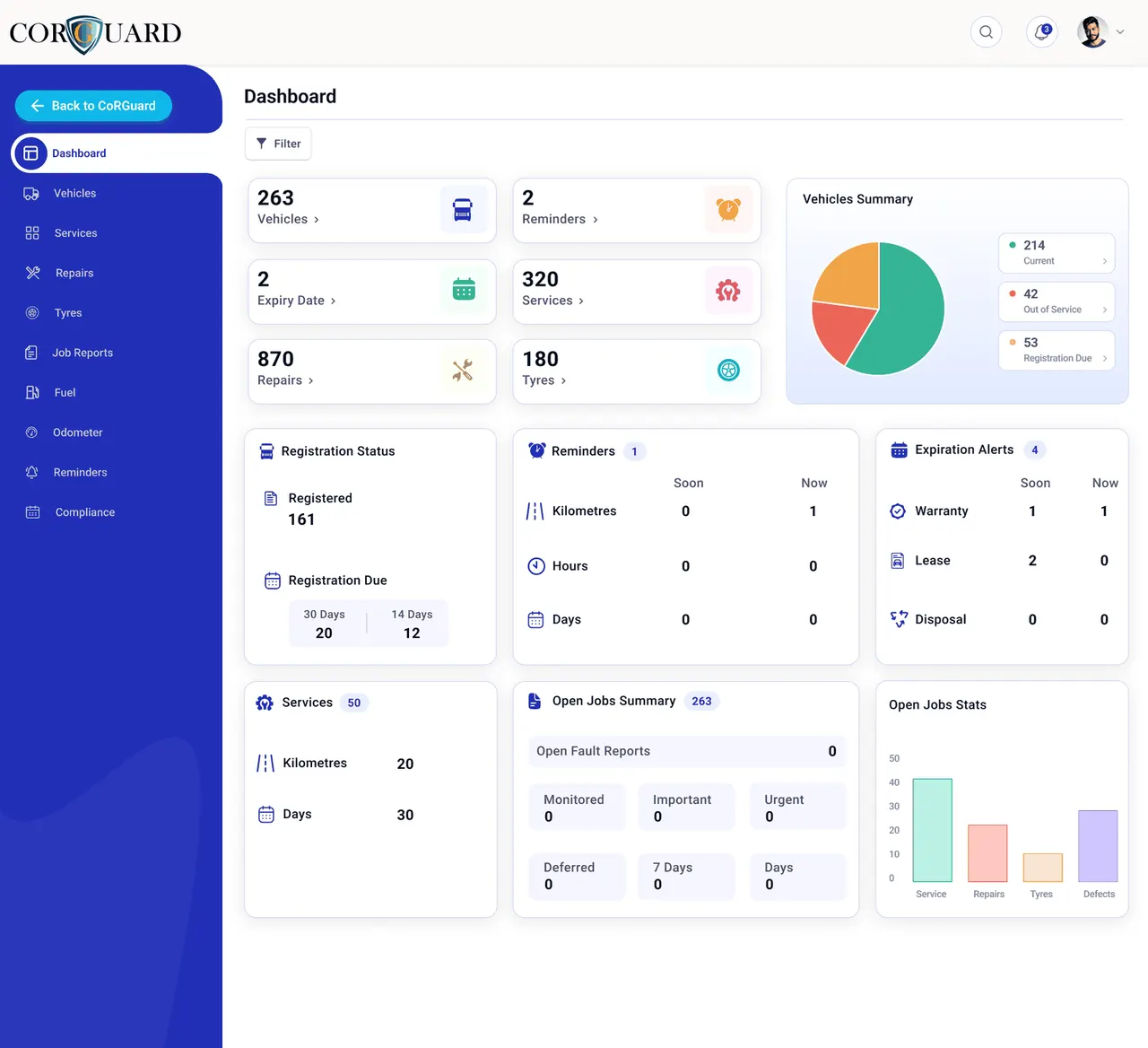
Advisory work should leave a practical implementation trail. These examples show how CoRGuard supports records, fatigue and driver diary checks, maintenance, audits, document control, inductions, corrective actions, and evidence review after MAEZ identifies the gaps.
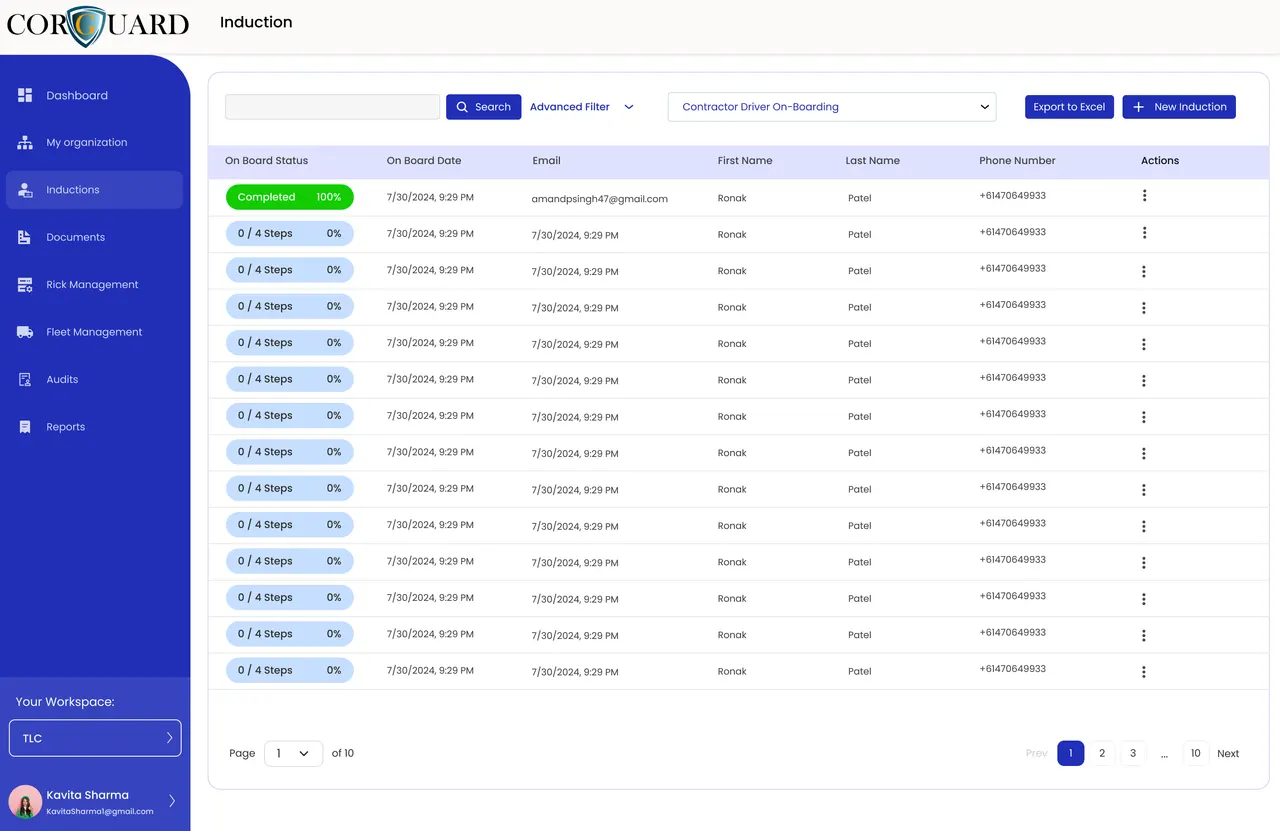
CoRGuard induction completion records for Safety Management System evidence

Training records

Connect training completion from cortraining.com.au to evidence and follow-up.
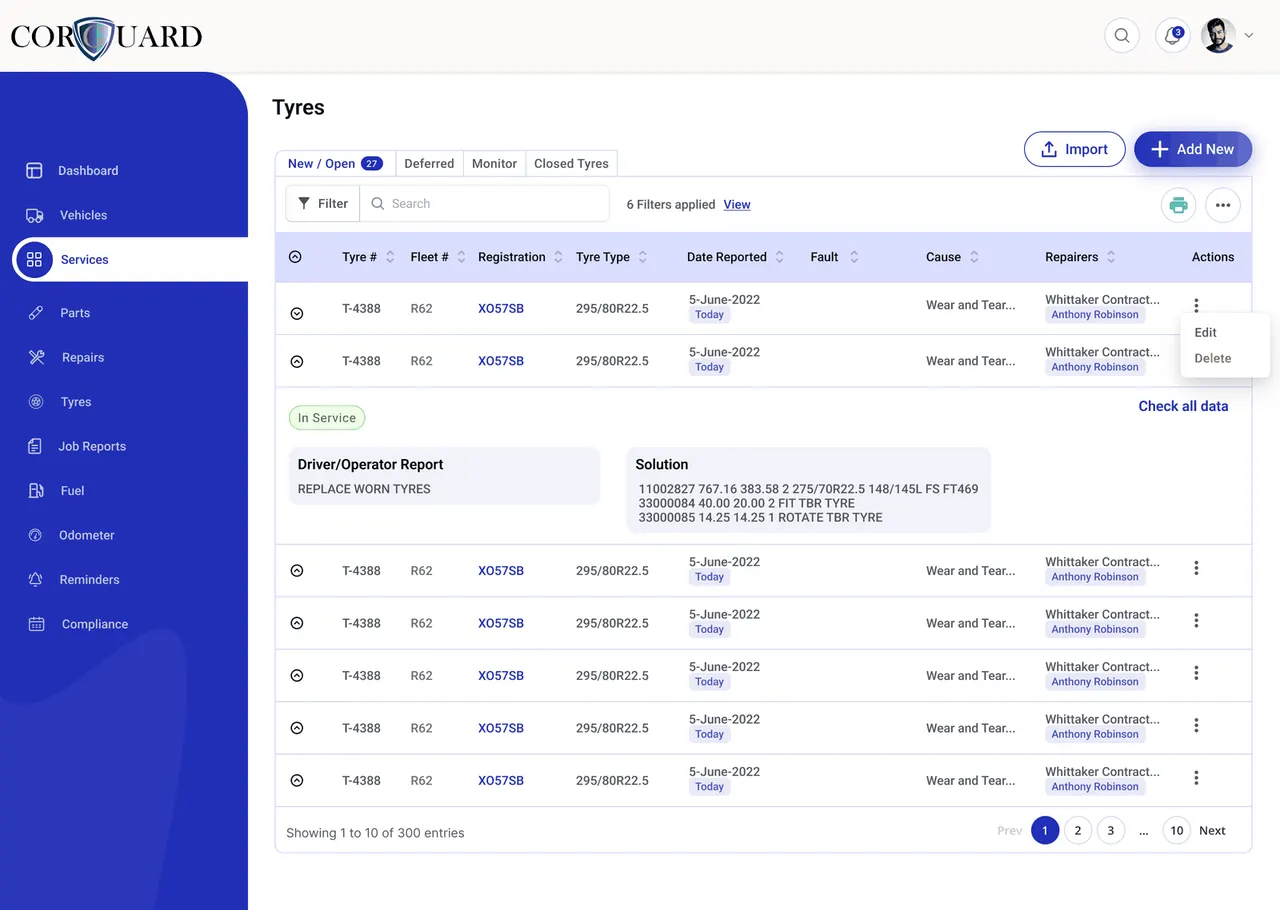
CoRGuard driver work diary trips register for fatigue review

Driver diary checks

Connect fatigue and driver diary review back to manager visibility.
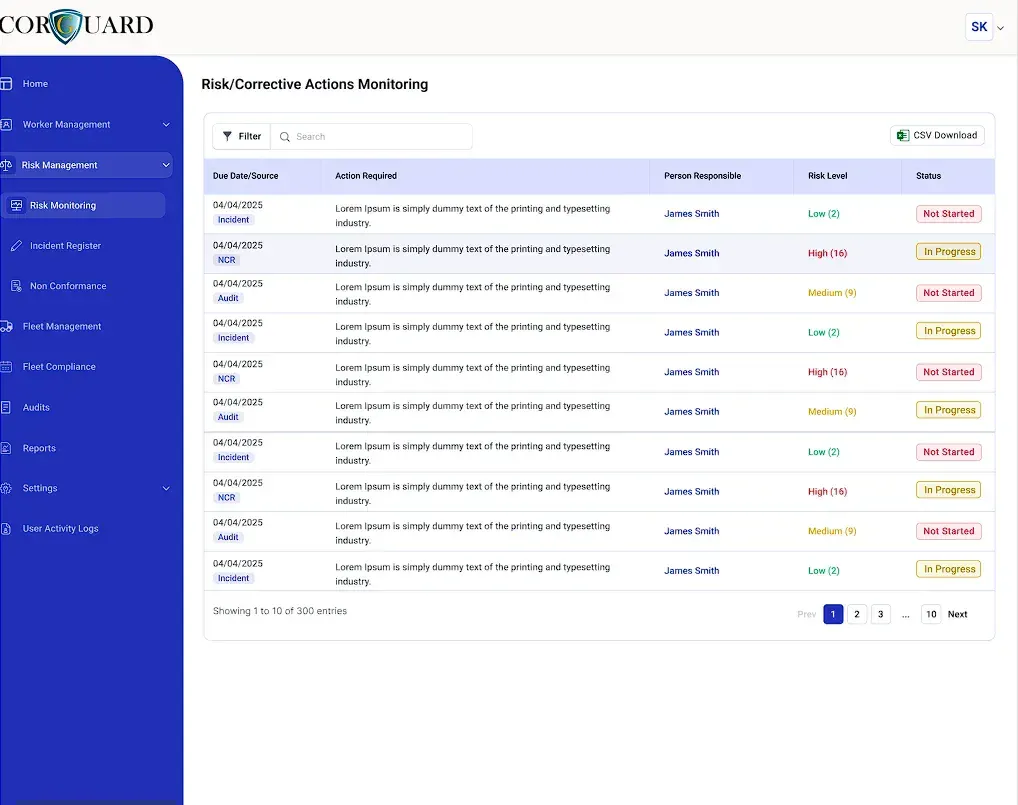
CoRGuard corrective action monitoring dashboard

Corrective actions

Turn audit findings, hazards and incidents into tracked actions.

Frequently asked questions

Questions people ask about this topic

What is the purpose of Mastering Chain of Responsibility: Top Best Practices?

Discover the top best practices for mastering the chain of responsibility. Enhance your coding with flexible, maintainable solutions today!

Who should read this page?

This page is useful for owner-operators, transport managers, executives, consignors, consignees, loaders, schedulers, contractors, and anyone who influences a heavy vehicle transport task.

What does MAEZ help transport businesses fix?

MAEZ helps Australian transport and supply-chain businesses identify Chain of Responsibility, HVNL, WHS, NHVAS, training, audit, document-control, and Safety Management System gaps, then turn those gaps into practical controls and evidence.

Is Chain of Responsibility training handled on this website?

MAEZ provides the advisory and risk pathway, but Chain of Responsibility training is delivered through cortraining.com.au. Where software is needed, CoRGuard supports the Safety Management System evidence workflow.

How does CoRGuard fit with MAEZ consulting?

MAEZ helps define the risk, obligations, controls, and implementation pathway. CoRGuard is the SaaS Safety Management System platform used when the business needs structured records, reminders, audits, maintenance, driver diary checks, inductions, corrective actions, and evidence reporting.