
MAEZ insight
Who's at Fault in the Chain of Responsibility?
A real-world CoR incident involving unrestrained loads from a major retailer's DC shows why the warehouse operator—not the driver—can carry the blame. Learn what consignees must do.
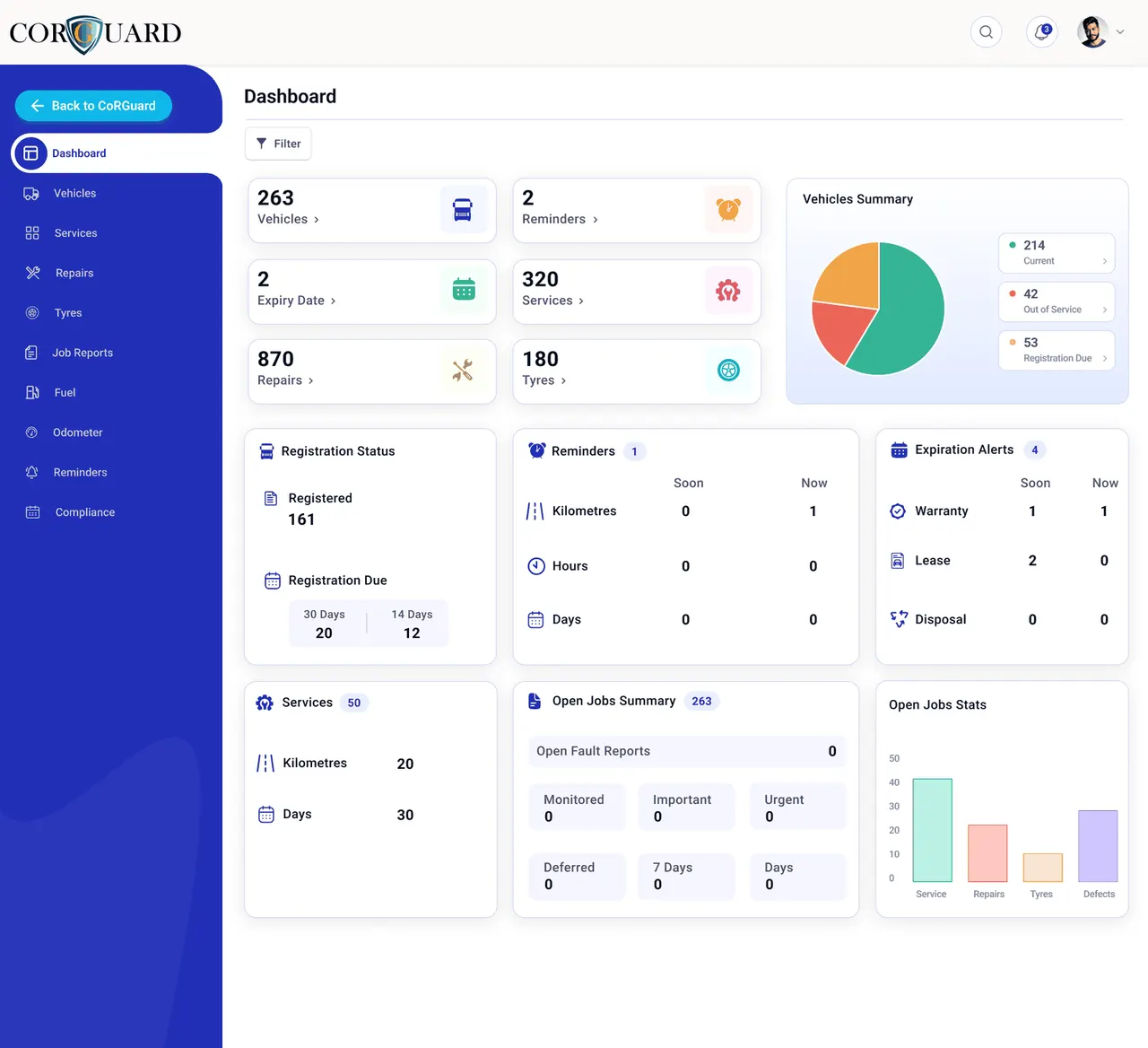
Daily fleet activity has to connect back to duties, controls, and review.

Due diligence means knowing whether the safety system is actually working.

Proof that freight promises do not create unsafe transport pressure.
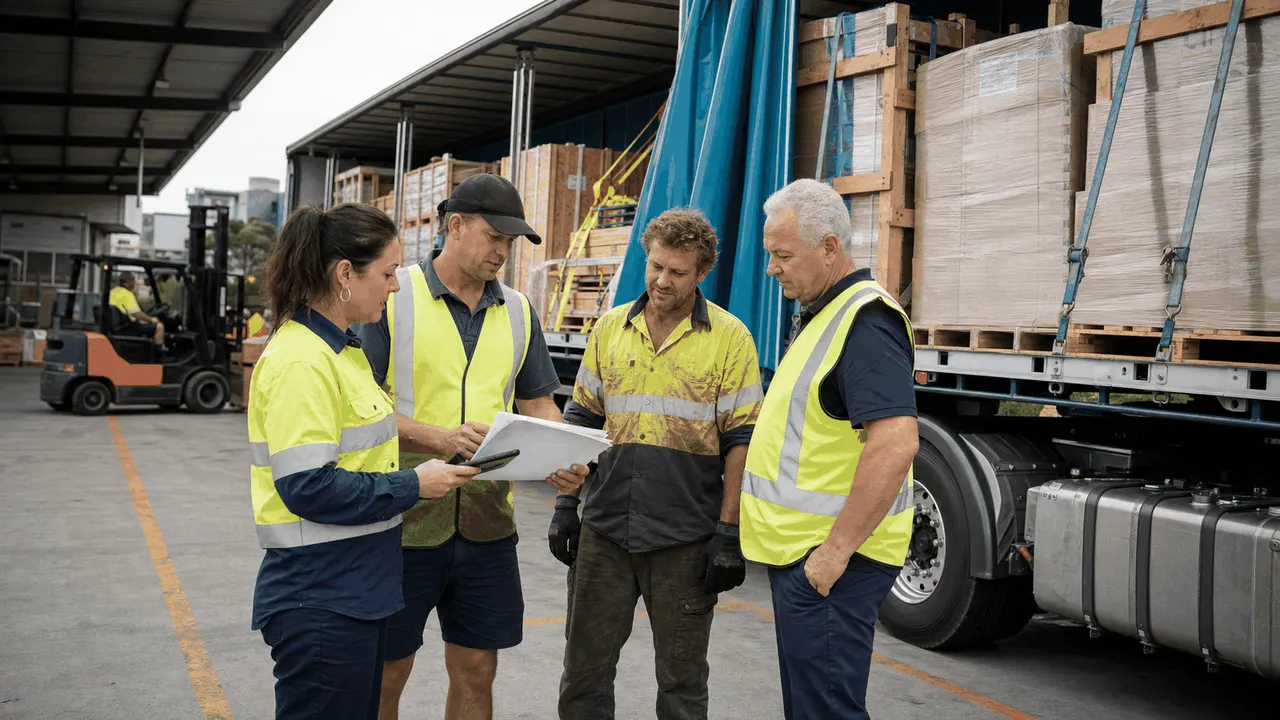
Loading controls need evidence, not assumptions.
Consignors
Freight terms, delivery windows, and KPIs must not push drivers into speed, fatigue, or mass breaches.
Consignees
Receiving rules, site access, and unloading delays are CoR controls that need to be set and evidenced.
Loaders
Mass, dimension, and load restraint decisions need documented checks, not assumptions.
Managers
Executives and managers need due-diligence evidence that the Safety Management System is actually working.
Who carries the blame in the Chain of Responsibility?
Under the Heavy Vehicle National Law, fault in a Chain of Responsibility breach does not automatically fall on the driver. The party with capacity to influence and control the transport activity at the point of the breach—in this case, the warehouse operator who loaded the vehicle—carries responsibility. A duty cannot be transferred to another person, even by contract.
The About Chain of Responsibility page explains how shared-responsibility duties operate across every party in the chain.
This principle means that businesses loading, consigning, receiving, or scheduling freight all carry enforceable safety obligations—not just the transport operator whose truck gets pulled over.
What a LinkedIn survey revealed about CoR awareness
A LinkedIn survey of 25 respondents from transport, warehousing, and manufacturing backgrounds asked how well they understood Chain of Responsibility and how compliant their businesses felt.
Every respondent said they knew what CoR meant—a positive sign given the mix of industries represented. Respondents spanned five employment categories:
- Owner/Director
- Senior Manager
- Manager
- Supervisor
- Employee
Senior management represented about 45% of responses.
When asked how compliant their business was with CoR legislation, half described their workplace as ranging from completely distant from compliant to fairly compliant in their efforts to keep people safe. The willingness of senior leaders to acknowledge gaps is commendable—but it also signals that many businesses have meaningful work ahead.
The unsafe load incident at a major retailer's DC
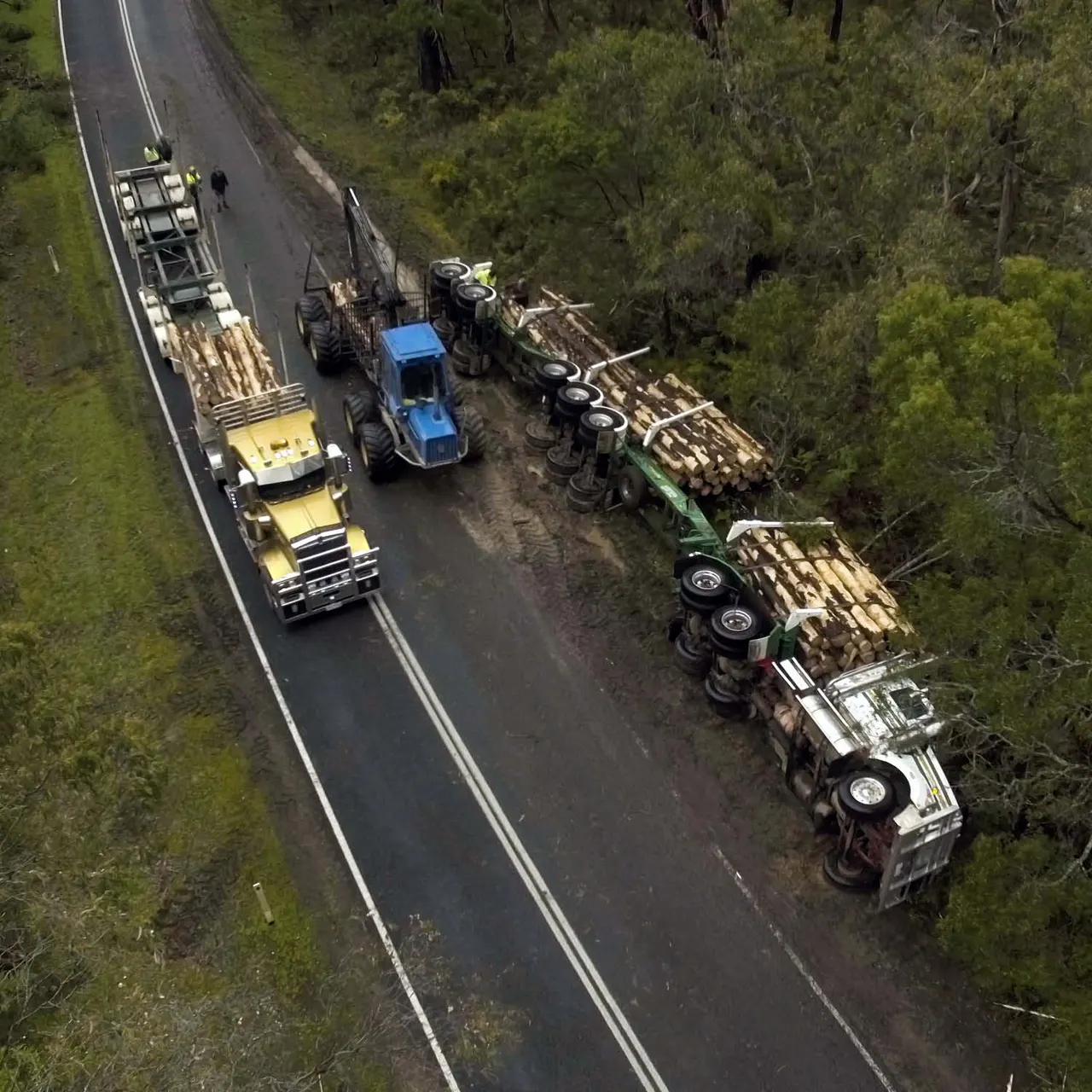
NSW Police reported that a transport company was caught with unsafe loads coming out of a major retailer's distribution centre. The goods were not properly restrained, even though the freight was inside a tautliner. By law and by the trailer's design specifications, this was an unsafe, incorrect, and unlawful practice.
What most people do not realise is that this trailer was loaded in a secure facility. The trailer was loaded by warehouse staff—not by the transport provider who was pulled over. The curtains were sealed with a security tag to ensure no tampering took place between departure and destination.
This detail matters: the transport company received the loaded, sealed trailer and transported it in good faith, yet they were the party stopped and scrutinised. The root cause sat upstream, at the loading point.
Who is actually responsible for the load?
The real responsible party here is the warehouse operator—the business that loaded the vehicle. This is a textbook example of the shared-responsidence principle built into the Heavy Vehicle National Law.
Under the HVNL, the safety of transport activities relating to a heavy vehicle is the shared responsibility of each party in the chain. A duty cannot be transferred to another person. If a party has the capacity to influence and control a matter, they must discharge their duty to that extent—even if an agreement or arrangement purports to limit or remove that capacity.
For a deeper understanding of how these obligations work in practice, see the guide for Chain of Responsibilities: What Australian HVNL Duty Holders Need to Understand.
What are a consignee's obligations under CoR?
As a consignee—or any party in the chain—your obligations include the following:
- Ensure that those working for you, directly or indirectly, are not fatigued and have correctly filled in log books or driver run sheets.
- Ensure the driver is fit to drive—screened by a doctor and not under the influence of drugs or alcohol.
- Ensure the vehicle is roadworthy and safe, and that any reported faults are fixed and signed off by a licensed person.
- Ensure the safe mass limits of the vehicle are not exceeded.
- Ensure the safe mass limits of each axle are not exceeded.
- Ensure safe load restraint is applied to comply with the legislation set out in the 2004 Load Restraint Guide.
Looking at the incident photo, points 4, 5, and 6 were a clear red cross against the consignor. As the senior logistics manager responsible for loading and unloading practices at that facility, points 1, 2, and 3 would also be a concern—those being far harder to manage in a busy logistics environment with many people and competing pressures.
For structured support, Chain of Responsibility consulting can map the controls and evidence gaps that matter most to your operation.
What could have been done better?
There are practical steps any business can take to close CoR gaps before a regulator finds them:
- Go to the National Heavy Vehicle Regulator website and review the published guidance on your role in the chain.
- Engage a professional transport auditor to help identify gaps around the Heavy Vehicle National Law within your business—they do not cost much and can provide valuable insight.
- No matter the size of your business, get a plan of action and start working towards those goals now.
If your team needs to understand duties and obligations at a practical level, explore the Chain of Responsibility training pathway or the CoR course for hands-on guidance.
For executive and management-level understanding, the guide to Chain of Responsibility Training for Executives and Managers is a useful starting point.
Don't wait for a fine
At the time of this incident, the regulatory landscape was tightening. A consignee in this situation could have been looking at significant corporate fines, with senior directors, logistics managers, and warehouse managers facing personal fines individually.
The sole reason is that this kind of wilful negligence could have been avoided and would be deemed by the regulator as a breach of primary duty. The HVNL establishes a primary duty on each party in the chain to ensure, so far as is reasonably practicable, the safety of transport activities.
The message is simple: do not wait for a fine. Start building your Safety Management System and contact MAEZ for a practical review of the controls, evidence, and training gaps that matter most.
How MAEZ works
Find the gaps. Fix the system. Prove the controls.
MAEZ helps transport operators deal with the compliance risk they already know is there. We help get the Safety Management System in order, protect NHVAS accreditation, reduce fine exposure, and connect training, evidence, and CoRGuard workflows where software is needed.
Find
Identify what is exposed before an auditor or regulator does.
Fix
Build the SMS controls around how the transport business actually runs.
Prove
Use CoRGuard where records, reminders, diaries, audits, and evidence need structure.
From advice to evidence
From MAEZ advice to a working Safety Management System
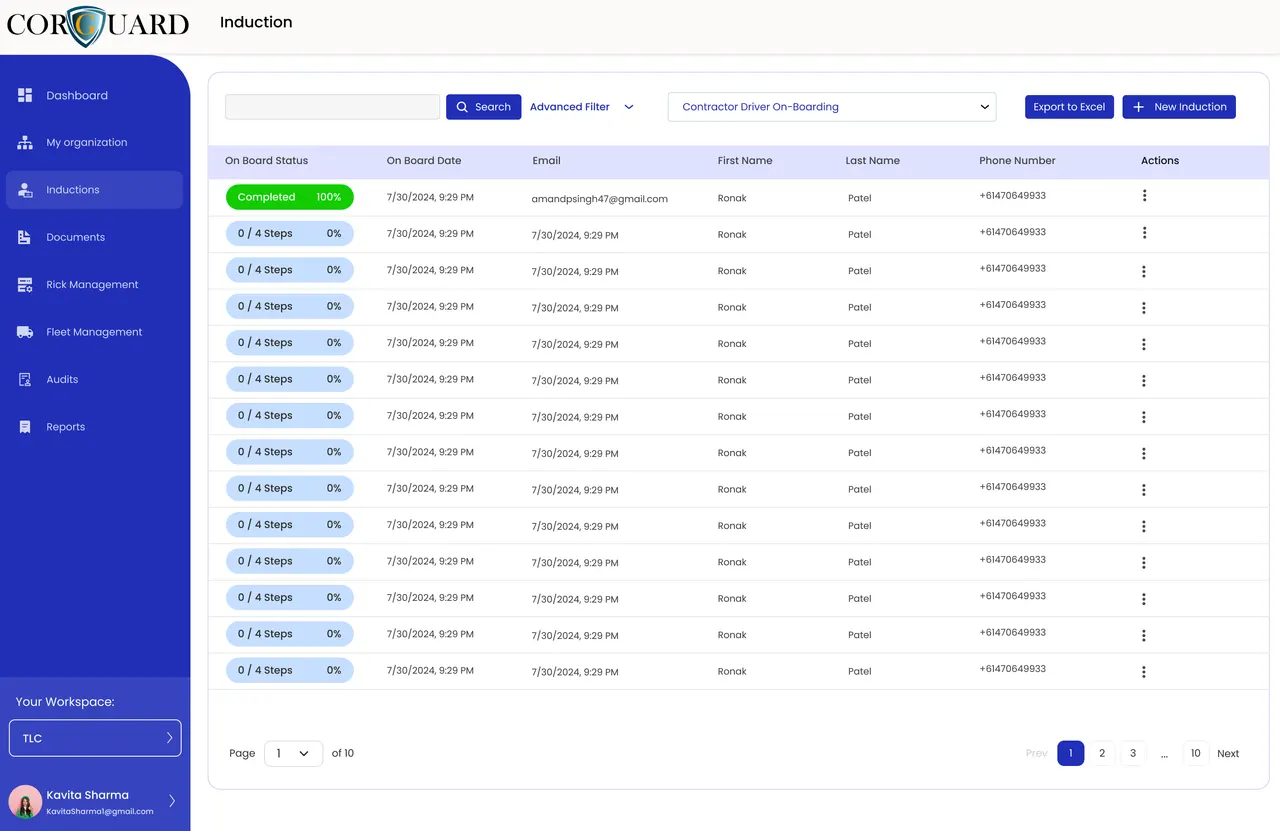
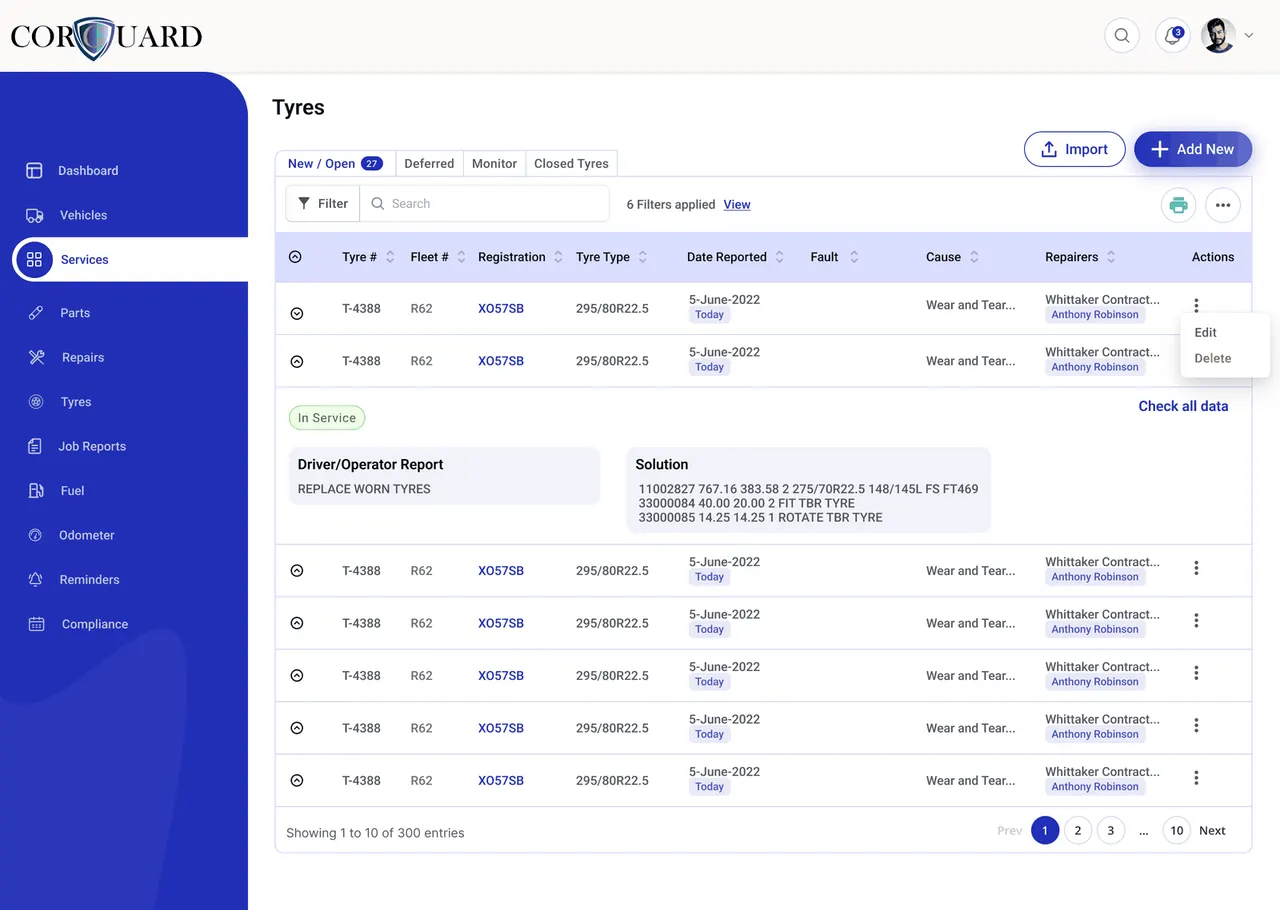
Advisory work should leave a practical implementation trail. These examples show how CoRGuard supports records, fatigue and driver diary checks, maintenance, audits, document control, inductions, corrective actions, and evidence review after MAEZ identifies the gaps.
Training records
Connect training completion from cortraining.com.au to evidence and follow-up.
Driver diary checks
Connect fatigue and driver diary review back to manager visibility.
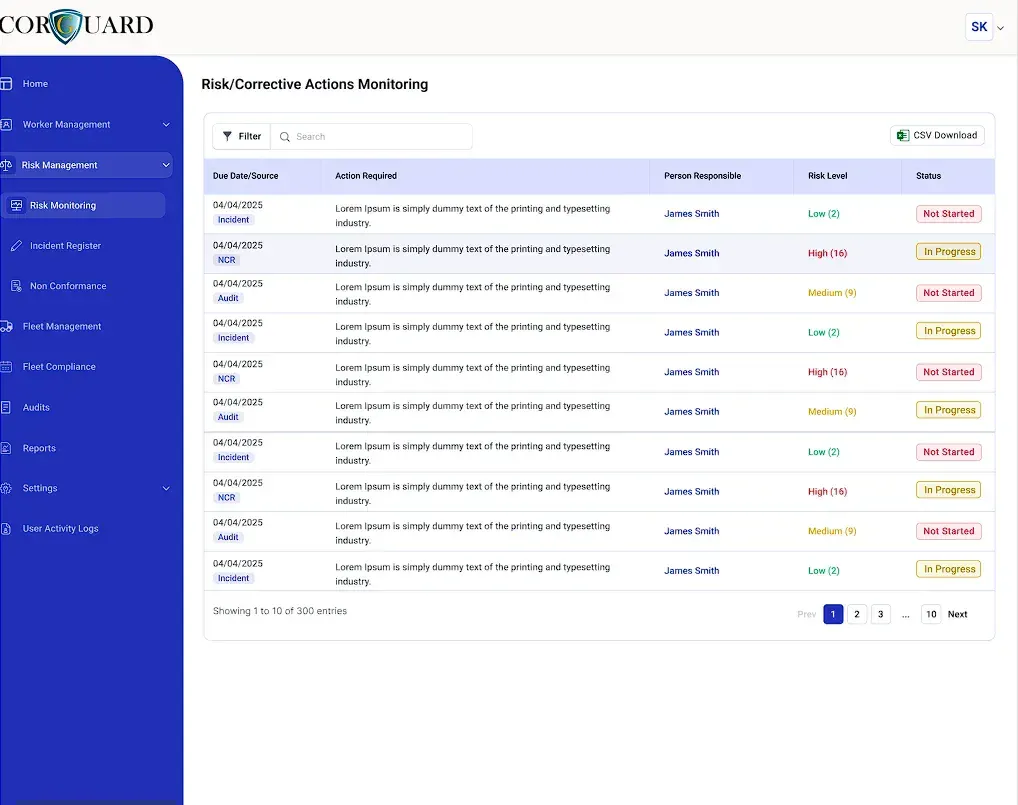
Corrective actions
Turn audit findings, hazards and incidents into tracked actions.
Keep exploring
Related Chain of Responsibility reading
MAEZ insight
Trucks Crash Too
I know what you’re all possibly saying to yourself now. Something along the lines of, “We’re fine, we have our drivers sign a fitness to drive form”. Let me explain to you further, that this is not good enough, it won’t save you from a potential prosecution.
MAEZ insight
Spend Less on Fuel
Motormouth, the brand that has always tried to help us spend less on fuel has delivered a cool new app for everyone to use. The best part is though, you can choose whatever fuel you want, including Diesel.
MAEZ insight
The Root Cause & How To Get There
You had an incident and many things may have happened, but you need to work through each one in a RCA (root cause analysis) one by one.
MAEZ insight
Is CoR a pain for you? Here’s 5 quick tips to help you in your business today
Chain of Responsibility is fast becoming the next ‘Work Place Health and Safety’. It’s daunting, new and no-one seems to know what to do.
MAEZ insight
Chain of Responsibility (or CoR) Training
Chain of Responsibility under the HVNL places a primary duty on anyone involved in a transport activity — training helps every duty holder understand and manage that risk.
MAEZ insight
Passing Emergency Vehicles – What Do you Need To Do?
It is now an enforceable requirement to slow down when passing an emergency on the road side. It may even be required to move into another lane, depending on where you are driving.
Frequently asked questions
Questions people ask about this topic
Can a transport driver be held responsible for an unsafe load they did not load?
Not solely. Under the HVNL, the party with capacity to influence and control the transport activity—in this case the warehouse operator who loaded the vehicle—carries responsibility for load restraint failures. A duty cannot be transferred to another person, even by contract.
What does the HVNL say about transferring Chain of Responsibility duties?
The Heavy Vehicle National Law states that a duty may not be transferred to another person. If a party has the capacity to influence and control a matter, they must discharge their duty to that extent, even if an agreement or arrangement purports to limit or remove that capacity.
What are a consignee's key CoR obligations?
A consignee must ensure drivers are not fatigued and have completed log books, that drivers are fit to drive, that vehicles are roadworthy, that vehicle and axle mass limits are not exceeded, and that safe load restraint complies with the 2004 Load Restraint Guide.
What practical steps can a business take to close CoR gaps?
Review NHVR published guidance for your role in the chain, engage a professional transport auditor to identify HVNL gaps within your business, and develop a plan of action to start working towards compliance goals immediately.
Could senior managers face personal fines for a CoR breach at their facility?
Yes. A breach of primary duty can result in significant corporate fines as well as personal fines for senior directors, logistics managers, and warehouse managers, especially where wilful negligence could have been avoided through reasonable controls.