
MAEZ insight
Root Cause Analysis for Transport Incidents: 5 Steps to Get There
A practical 5-step root cause analysis process for Australian transport operators to investigate incidents, find root causes, and implement corrective actions within their Safety Management System.

Due diligence means knowing whether the safety system is actually working.

Proof that freight promises do not create unsafe transport pressure.
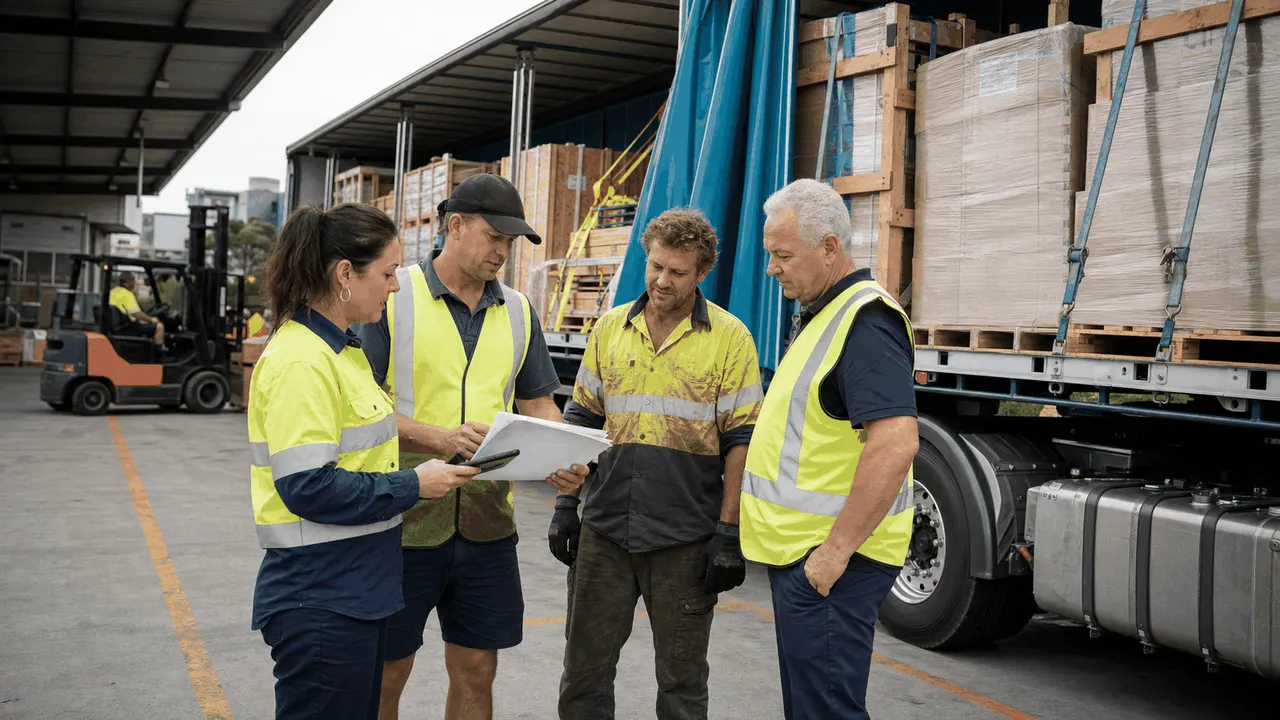
Loading controls need evidence, not assumptions.
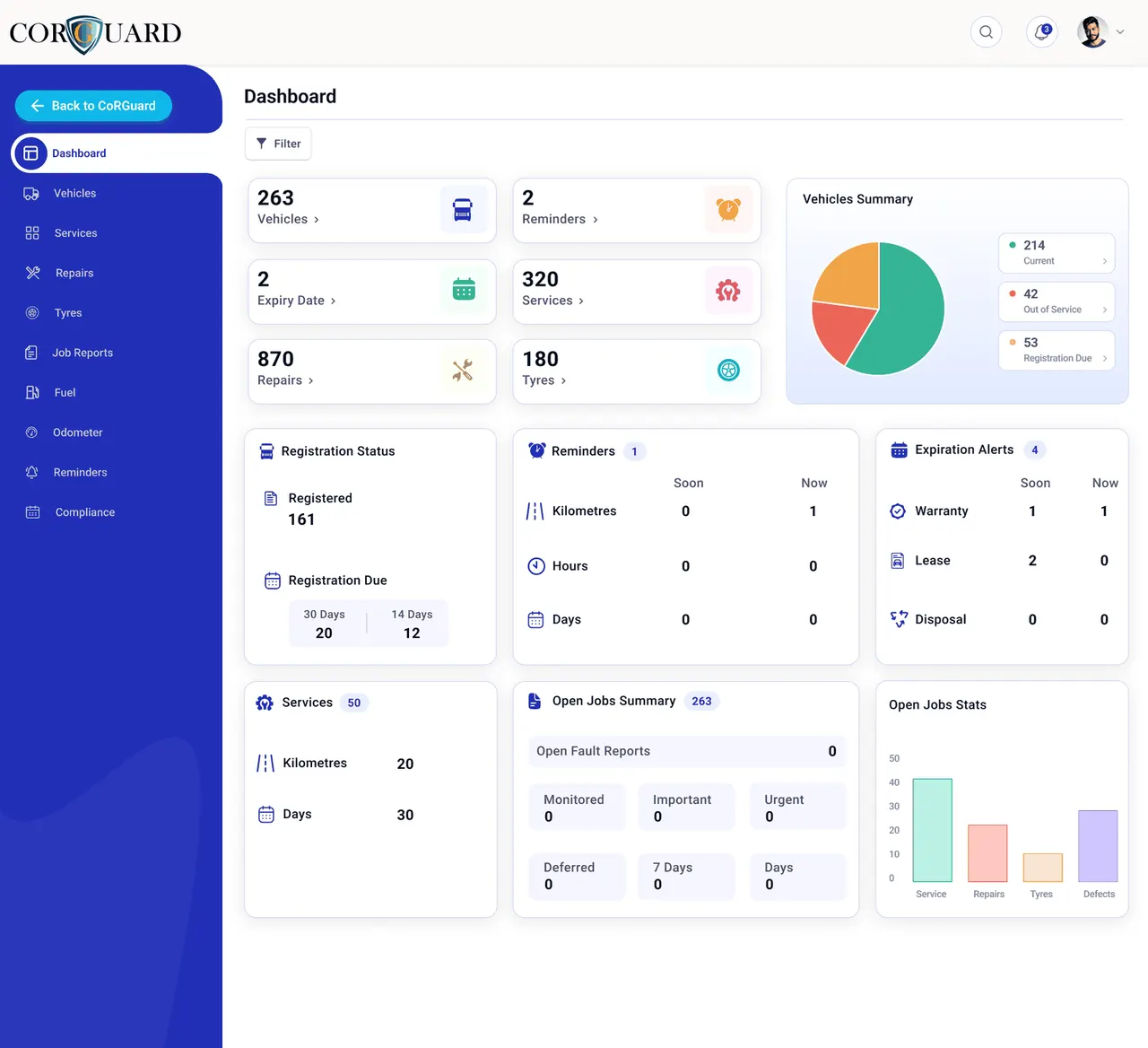
Daily fleet activity has to connect back to duties, controls, and review.
Consignors
Freight terms, delivery windows, and KPIs must not push drivers into speed, fatigue, or mass breaches.
Consignees
Receiving rules, site access, and unloading delays are CoR controls that need to be set and evidenced.
Loaders
Mass, dimension, and load restraint decisions need documented checks, not assumptions.
Managers
Executives and managers need due-diligence evidence that the Safety Management System is actually working.
What is root cause analysis for transport incidents?
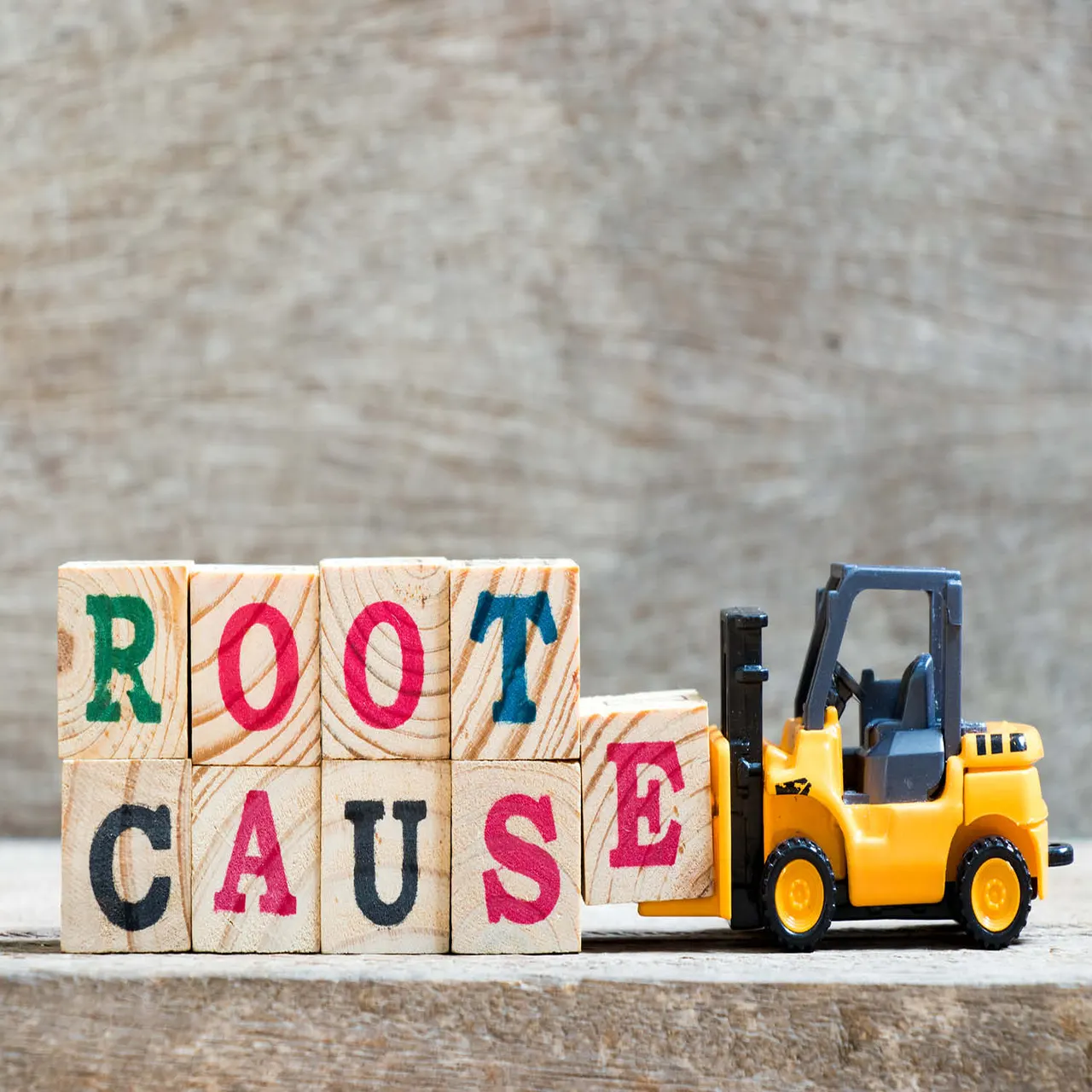
Root cause analysis (RCA) is the structured process a transport business uses when an incident occurs despite its existing safety controls. It helps you work out exactly what happened, identify the underlying factors that caused it, and implement corrective actions to prevent it from happening again. Within a Safety Management System, RCA is the investigative method that turns a single event into a learning opportunity and documented evidence.
If you have an established Safety Management System, RCA is the process you use when something has gone wrong despite your controls. The very first priority after any incident is ensuring everyone is safe and that people who need help receive it — anything else comes second.
Once people are looked after, the work begins. Every incident — big or small — needs to be investigated, and RCA is how you do that systematically.
How to run a root cause analysis in 5 steps
A straightforward process for transport and supply-chain businesses
Getting to the root cause involves five steps. The steps themselves are not always easy, but the overarching process is not too hard to grasp.
1. Describe the problem or event
Write down the problem or describe the event you need to prevent. You may have had an incident where many things happened, but you need to work through each one in an RCA one by one. Start from the beginning of the issue — the first problem that occurred. Write this down in some detail, no more than a paragraph.
2. Ask why the problem occurs
Ask yourself or, better, the team working through the RCA: "Why does the problem occur?" Look for past events or ask staff through an interview process whether they have seen or felt this has occurred before. You would be amazed at how often things happen but go unreported.
Gather qualitative and quantitative data — the event may have occurred due to a specific element such as time of day or being rushed. Really step into why or how this event occurred.
3. Record all answers on paper
Write down the answer or multiple answers. It is important to record all your findings. You may want to reconvene later or take a break, and there may be much conjecture if this is being fleshed out in a team environment — so you do not want to lose any important element.
You may even need the notes if the incident occurs again to run a further RCA. It is also important to be able to show that you have conducted an RCA at a later date or in a court case, so it is wise to document your meeting minutes.
4. Ask "why" until you reach the root cause
You now have your root cause or, hopefully, a bunch of root causes as to how or why an incident occurred. Establish the final root cause(s) by asking yourself or the team why each root cause is in fact the root cause of the incident.
The best way to do this is to ask "why" — you cannot ask why enough during a root cause analysis. Keep asking until you reach an end point in the thought process. "Why" means "What were the factors that directly resulted in the incident?" What was the effect of the factors involved?
You can classify the answers into two categories:
- Causal factors that relate to the incident in sequence
- Root causes that — when removed — interrupt the steps of the process chain
5. Confirm the root cause and plan corrective actions
Continue to work through the RCA until you are satisfied you have reached the root cause of the issue. Identify all other harmful elements that have an equal or better claim to be the root cause. Often you will have multiple root causes, and it is important to work through these to ascertain the most optimum one.
Once this step is completed, you can move on to exploring corrective actions — to see if, with a high degree of certainty, they will prevent an incident like this from occurring again.
Turning root cause findings into corrective actions
Test whether your fix would have prevented the incident
A great question to ask when evaluating a corrective action is: if this had been implemented before the incident, would it have significantly reduced the likelihood — or better, prevented the incident from occurring in the first instance?
There is no certainty that an RCA process will stop an event from occurring again. A check-in and visual inspection of the improved process should be conducted, but you will never fully know if what you have implemented is rock solid.
The only way to improve from this point is to complete a risk analysis of the new process with a fresh set of eyes — to determine if someone else foresees a risk in the process. No one is perfect, but together we can create a safer environment.
Why documenting your RCA matters for compliance
Evidence of investigation supports your SMS and CoR duties
Documenting your RCA is not just good practice — it is evidence that your business takes safety seriously. Under the Heavy Vehicle National Law, every party in the Chain of Responsibility has a duty to manage transport risks. When an incident occurs, being able to show you investigated it thoroughly, found the root cause, and implemented corrective actions demonstrates that your safety system is working.
For operators maintaining NHVAS accreditation or building a Safety Management System, RCA records form part of the evidence trail. They show auditors and regulators that your business does not just react to incidents — it learns from them.
Key records to keep include:
- Meeting minutes from the RCA investigation
- The problem description and timeline of events
- All "why" answers and causal factors identified
- The confirmed root cause(s)
- Corrective actions implemented and their review dates
How MAEZ helps transport businesses with RCA and compliance
Advisory, training, and evidence pathways for Australian operators
MAEZ helps Australian businesses turn Chain of Responsibility, HVNL, WHS, transport safety, and chartered risk obligations into practical training, advisory, audit, and implementation pathways.
If you need help running an RCA, building your SMS, or preparing for NHVAS accreditation, contact MAEZ for a practical review of the controls, evidence, training, and SMS gaps that matter most to your operation.
For businesses that need structured records, reminders, audits, maintenance logs, driver diary checks, inductions, corrective actions, and evidence reporting, Chain of Responsibility training and advisory work can be connected to your compliance systems.
MAEZ helps transport operators deal with the compliance risk they already know is there — find the gaps, fix the system, and prove the controls.
How MAEZ works
Find the gaps. Fix the system. Prove the controls.
MAEZ helps transport operators deal with the compliance risk they already know is there. We help get the Safety Management System in order, protect NHVAS accreditation, reduce fine exposure, and connect training, evidence, and CoRGuard workflows where software is needed.
Find
Identify what is exposed before an auditor or regulator does.
Fix
Build the SMS controls around how the transport business actually runs.
Prove
Use CoRGuard where records, reminders, diaries, audits, and evidence need structure.
From advice to evidence
From MAEZ advice to a working Safety Management System
Advisory work should leave a practical implementation trail. These examples show how CoRGuard supports records, fatigue and driver diary checks, maintenance, audits, document control, inductions, corrective actions, and evidence review after MAEZ identifies the gaps.
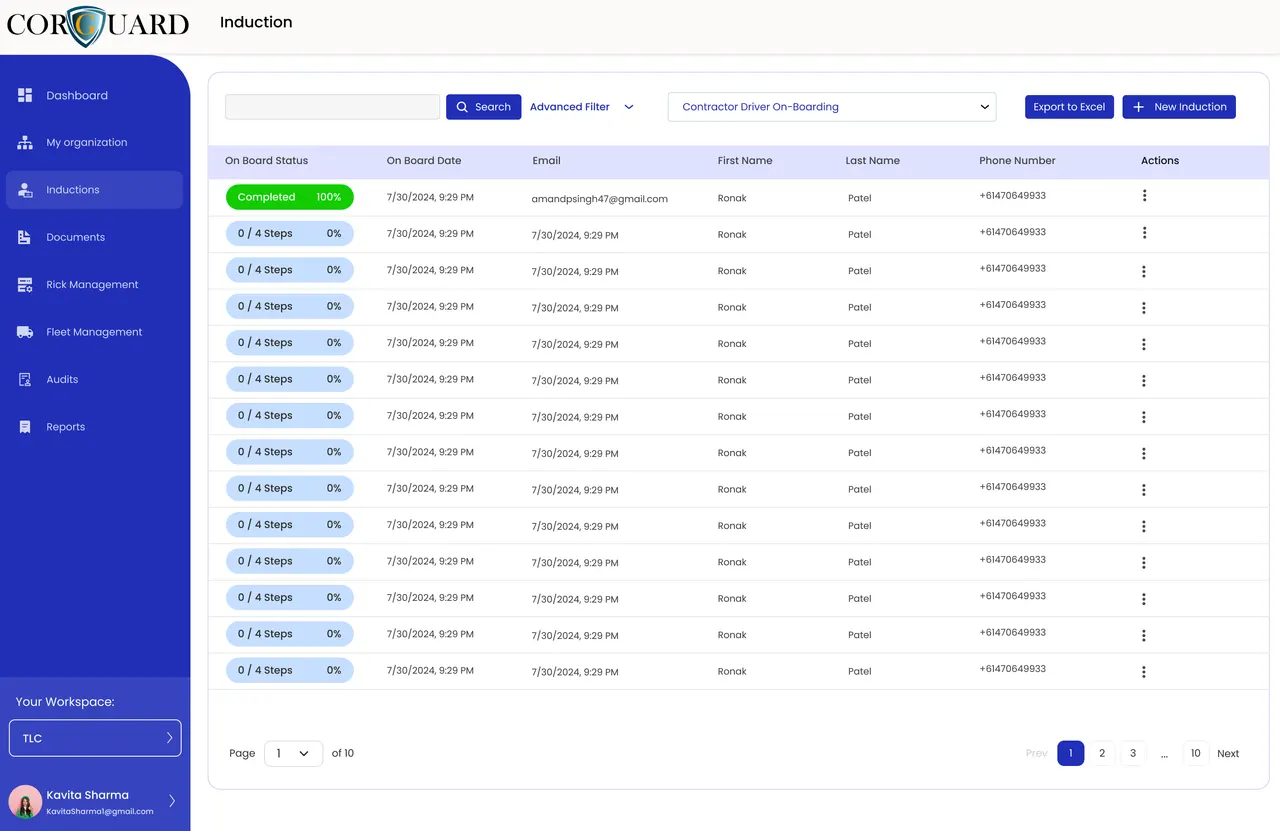
Training records
Connect training completion from cortraining.com.au to evidence and follow-up.
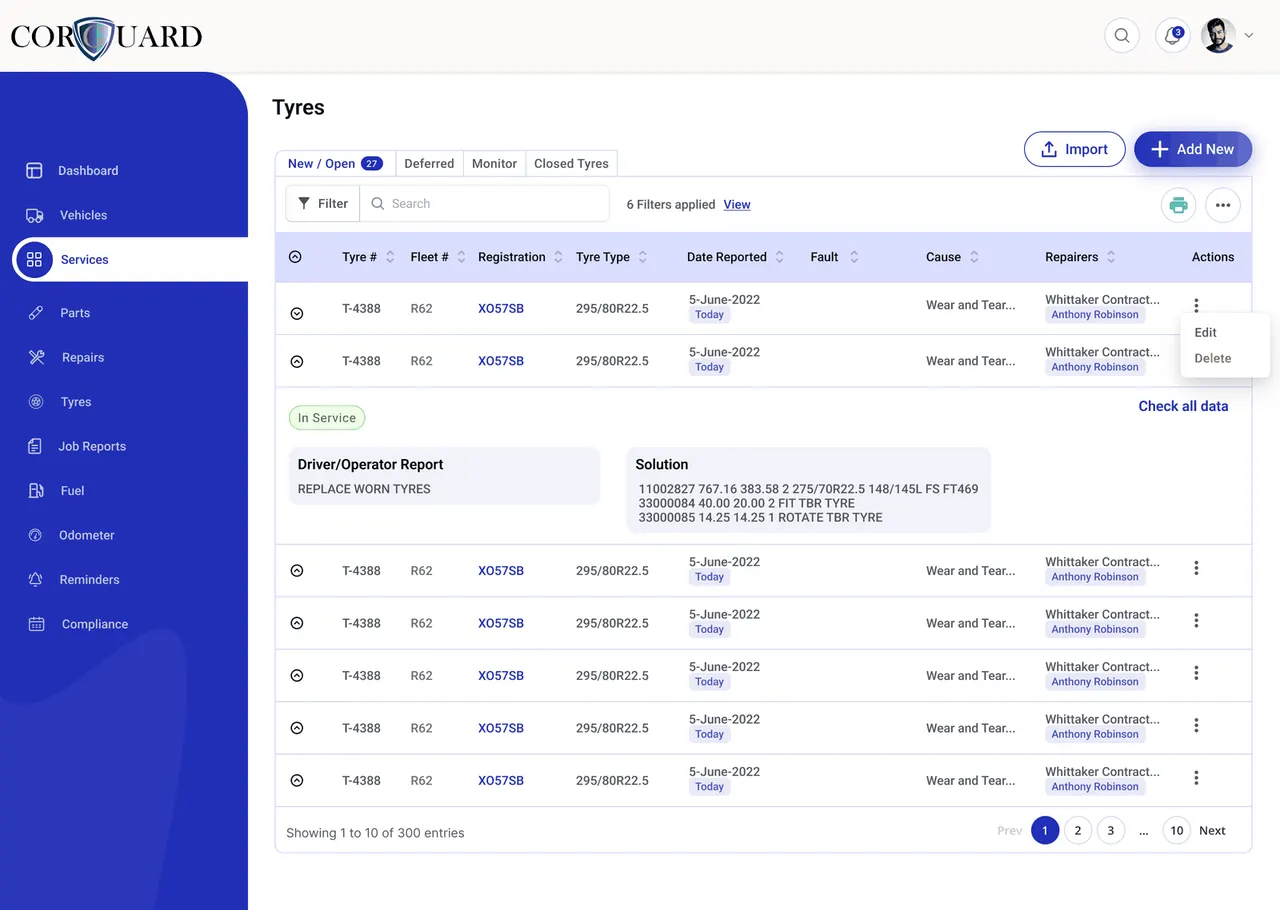
Driver diary checks
Connect fatigue and driver diary review back to manager visibility.
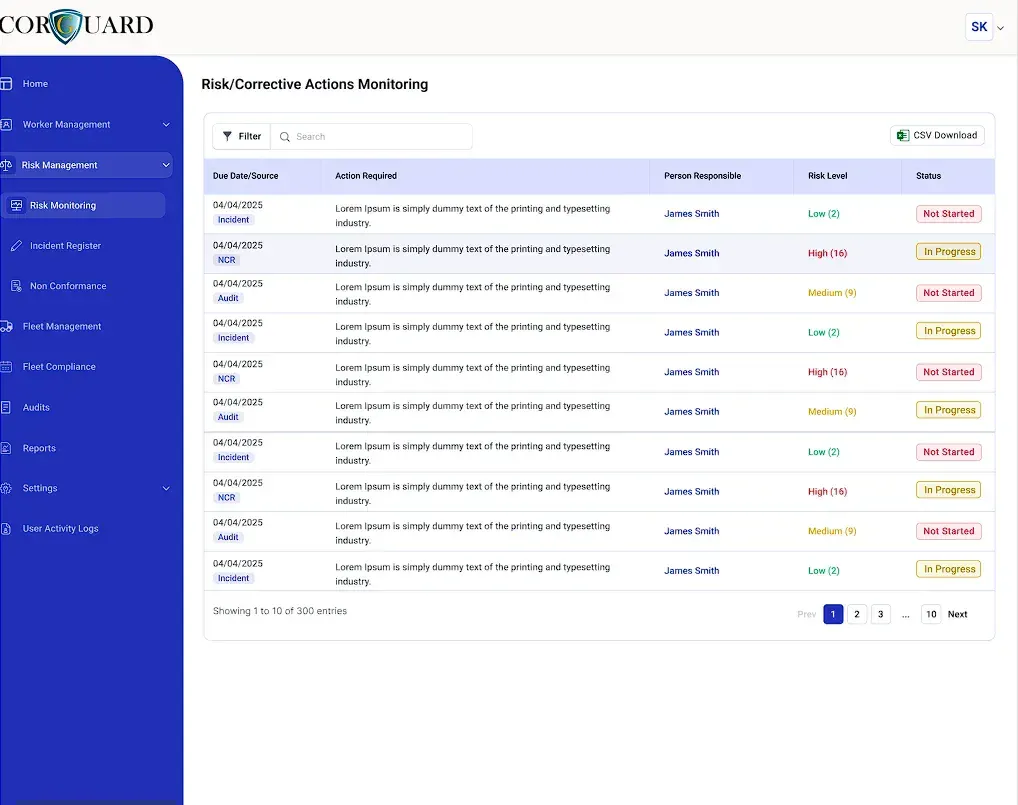
Corrective actions
Turn audit findings, hazards and incidents into tracked actions.
Keep exploring
Related Chain of Responsibility reading
MAEZ insight
Is CoR a pain for you? Here’s 5 quick tips to help you in your business today
Chain of Responsibility is fast becoming the next ‘Work Place Health and Safety’. It’s daunting, new and no-one seems to know what to do.
MAEZ insight
Chain of Responsibility (or CoR) Training
Chain of Responsibility under the HVNL places a primary duty on anyone involved in a transport activity — training helps every duty holder understand and manage that risk.
MAEZ insight
Passing Emergency Vehicles – What Do you Need To Do?
It is now an enforceable requirement to slow down when passing an emergency on the road side. It may even be required to move into another lane, depending on where you are driving.
MAEZ insight
Basic Fatigue Management (or BFM) Accreditation
Advanced Fatigue Management (or AFM) differs to Basic Fatigue Management (or BFM) in that it requires much more policy framework, as well as procedures within the organisation.
MAEZ insight
What is CoR? | CoR = Chain Of Responsibility
CoR simply means, Chain of Responsibility. It is the acronym for chain of responsibility which is basically a phrase which industry has adopted in exchange for the National Heavy Vehicle National Law, which is also known as the HVNL.
MAEZ insight
Managing Your CoR Safety System?
Week after week in every state, we all hear and see news of trucks rolling over, truck drivers using drugs, trucks on fire and causing death and destruction.
Frequently asked questions
Questions people ask about this topic
What is root cause analysis in a transport Safety Management System?
Root cause analysis (RCA) is the structured investigative process a transport business uses when an incident occurs despite its existing safety controls. It helps you work out exactly what happened, identify the underlying factors, and implement corrective actions to prevent recurrence within your Safety Management System.
What should I do immediately after a transport incident?
Ensure everyone is safe and that people who need help receive it first. Once people are looked after, every incident — big or small — needs to be investigated using a root cause analysis process to find what happened and how to prevent it from happening again.
How many steps are in a root cause analysis for transport incidents?
The process involves five steps: describe the problem or event, ask why the problem occurs, record all answers on paper, ask "why" until you reach the root cause, and confirm the root cause before planning corrective actions.
Why does documenting an RCA matter for Chain of Responsibility compliance?
Under the Heavy Vehicle National Law, every party in the Chain of Responsibility has a duty to manage transport risks. Documenting your RCA — including meeting minutes, problem descriptions, causal factors, root causes, and corrective actions — provides evidence that your safety system is working and supports NHVAS accreditation.
What records should a transport operator keep from a root cause analysis?
Keep meeting minutes from the RCA investigation, the problem description and timeline of events, all "why" answers and causal factors identified, the confirmed root cause(s), and the corrective actions implemented along with their review dates.