
MAEZ insight
Passing Emergency Vehicles – What Transport Operators Must Do
Slowing down when passing emergency vehicles is an enforceable requirement. Learn what transport operators must do to train drivers, document compliance, and reduce enforcement risk.
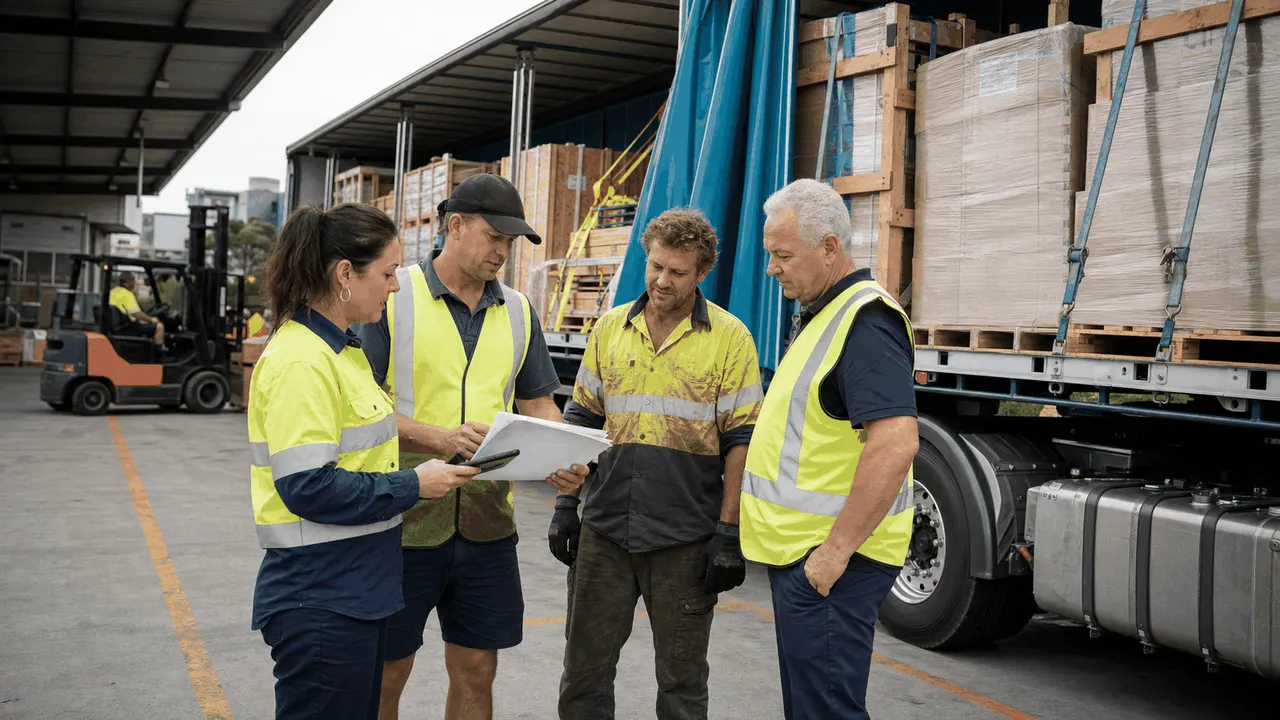
Receiving windows, site rules, and unloading delays can all shape the transport task.
Unloading decisions can affect safety, scheduling, and responsibility.

Managers need a clear view of gaps before audit or enforcement pressure arrives.

Contractor controls should be verified before the work starts.
Consignors
Freight terms, delivery windows, and KPIs must not push drivers into speed, fatigue, or mass breaches.
Consignees
Receiving rules, site access, and unloading delays are CoR controls that need to be set and evidenced.
Loaders
Mass, dimension, and load restraint decisions need documented checks, not assumptions.
Managers
Executives and managers need due-diligence evidence that the Safety Management System is actually working.
What are the rules for passing emergency vehicles?
An enforceable road-safety requirement every driver must follow
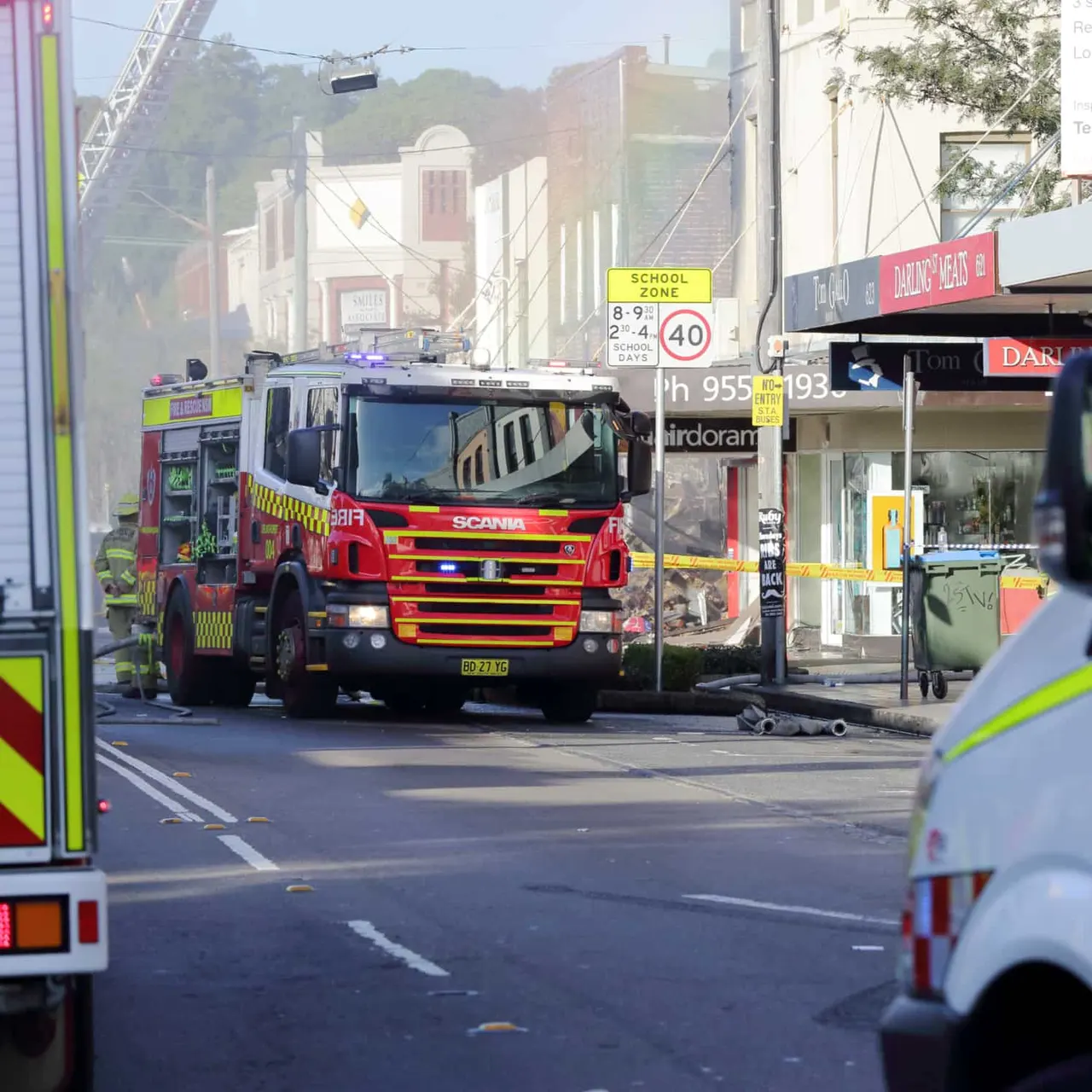
It is now an enforceable requirement to slow down when passing an emergency vehicle on the roadside. Depending on where you are driving, you may also be required to move into another lane. This rule applies to all vehicles, not just heavy vehicles.
For transport operators, it is one of many road-safety obligations that drivers must understand and follow every time they are behind the wheel of a company vehicle. Failing to comply is not just a driver issue — if a driver in your fleet ignores this requirement, it can expose your business to enforcement action and signal gaps in your broader safety and compliance systems.
Key points for operators
- The rule applies to all drivers, including light vehicles and heavy vehicles.
- Some jurisdictions require you to move into another lane where safe to do so.
- Non-compliance can trigger enforcement action against both the driver and the business.
- A failure here may point to inadequate training, supervision, or systems — all of which fall within your Chain of Responsibility duties.
Why driver training matters for this requirement
Ensuring your people know the rules before they drive
The real question for business owners and managers is: how do you teach your staff this important element before they drive a company vehicle? It is important to ensure your people have up-to-date knowledge and a clear understanding of compliance, so that your legal liability as a business owner or manager is reduced.
Training is an integral part of everyday work life. It happens when someone first walks onto a site, especially where significant hazards are involved. It also happens when you give a staff member instructions about how to perform a task.
Questions every operator should be able to answer
- Have you confirmed that drivers know they must slow down when passing emergency response vehicles?
- Is this expectation documented in your induction or driver communication materials?
- Can you produce evidence that drivers have been told and have understood this requirement?
If the answer to any of these is unclear, the gap is not just operational — it is a compliance exposure. Structured Chain of Responsibility training helps ensure drivers and managers share a common understanding of what is required.
How this fits your wider compliance obligations
One rule among many that your business must manage
Slowing down for emergency vehicles is one of many laws businesses need to be aware of, understand, and apply. Others include Chain of Responsibility, workplace health and safety, and trade practices obligations.
Under the Heavy Vehicle National Law, all parties in the transport chain share responsibility for safety. That means a driver speeding past an emergency vehicle is not just an individual failure — it can point back to whether the business provided adequate training, supervision, and systems.
Connected obligations
- Chain of Responsibility Consulting — get a practical review of your CoR risk.
- Chain of Responsibility Training — structured training for Australian transport operators.
- About Chain of Responsibility — understand who holds a duty and what it means in practice.
These obligations exist to ensure that risks do not expose your business — or the business you work for — and potentially compromise its ability to continue trading, should something go wrong.
Turning obligations into practical controls and evidence
From training to audit-ready records
MAEZ helps Australian businesses turn Chain of Responsibility, HVNL, WHS, transport safety, and chartered risk obligations into practical training, advisory, audit, and implementation pathways. The goal is simple: find the gaps, fix the system, and prove the controls.
That means making sure your drivers know the rules, your managers can see that training has been completed, and your records hold up if an auditor or regulator asks.
How the pieces fit together
- Training: Chain of Responsibility training is delivered through cortraining.com.au, giving drivers and managers up-to-date, practical knowledge.
- Advisory: MAEZ identifies the controls, evidence, and Safety Management System gaps that matter most.
- Evidence: CoRGuard supports the evidence workflow — training records, driver diary checks, corrective actions, and audit documentation.
If you need a practical review of your compliance position, contact MAEZ to get started.
How MAEZ works
Find the gaps. Fix the system. Prove the controls.
MAEZ helps transport operators deal with the compliance risk they already know is there. We help get the Safety Management System in order, protect NHVAS accreditation, reduce fine exposure, and connect training, evidence, and CoRGuard workflows where software is needed.
Find
Identify what is exposed before an auditor or regulator does.
Fix
Build the SMS controls around how the transport business actually runs.
Prove
Use CoRGuard where records, reminders, diaries, audits, and evidence need structure.
From advice to evidence
From MAEZ advice to a working Safety Management System
Advisory work should leave a practical implementation trail. These examples show how CoRGuard supports records, fatigue and driver diary checks, maintenance, audits, document control, inductions, corrective actions, and evidence review after MAEZ identifies the gaps.
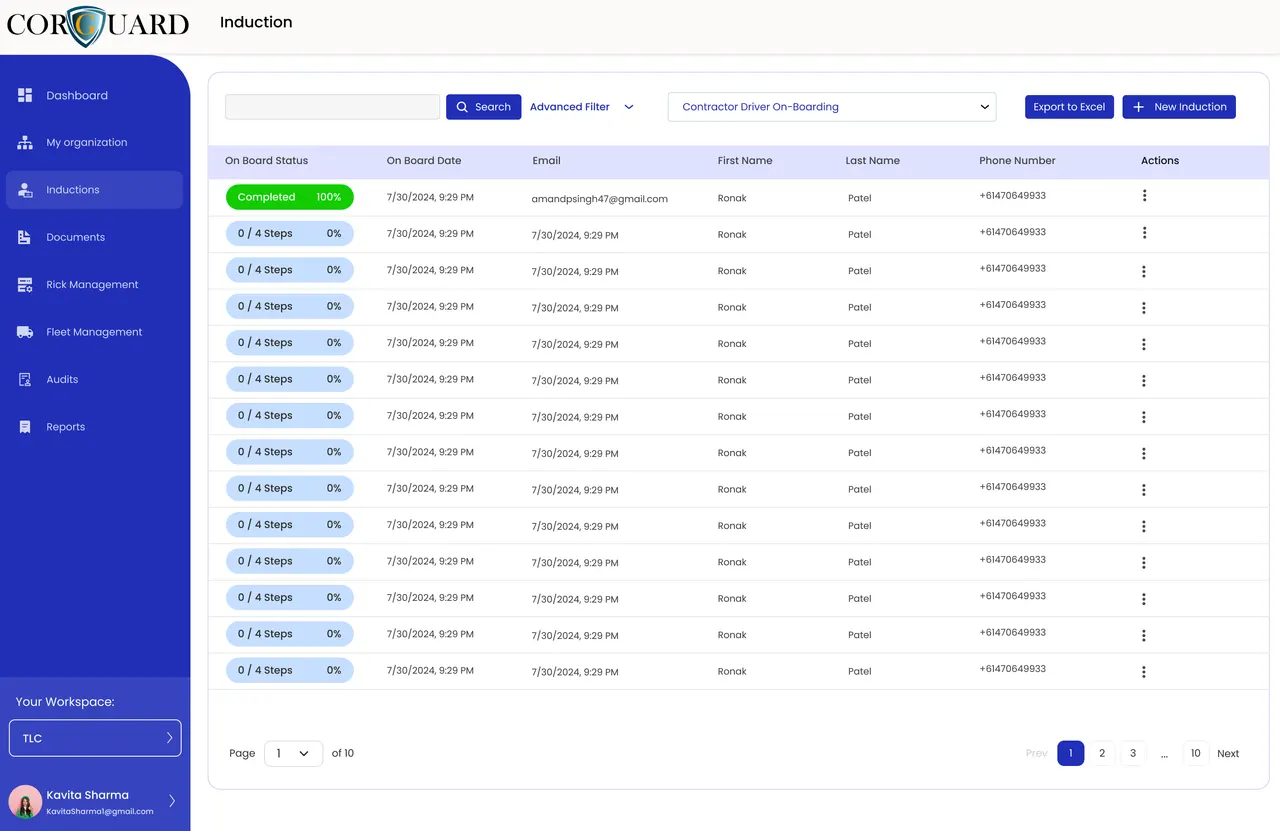
Training records
Connect training completion from cortraining.com.au to evidence and follow-up.
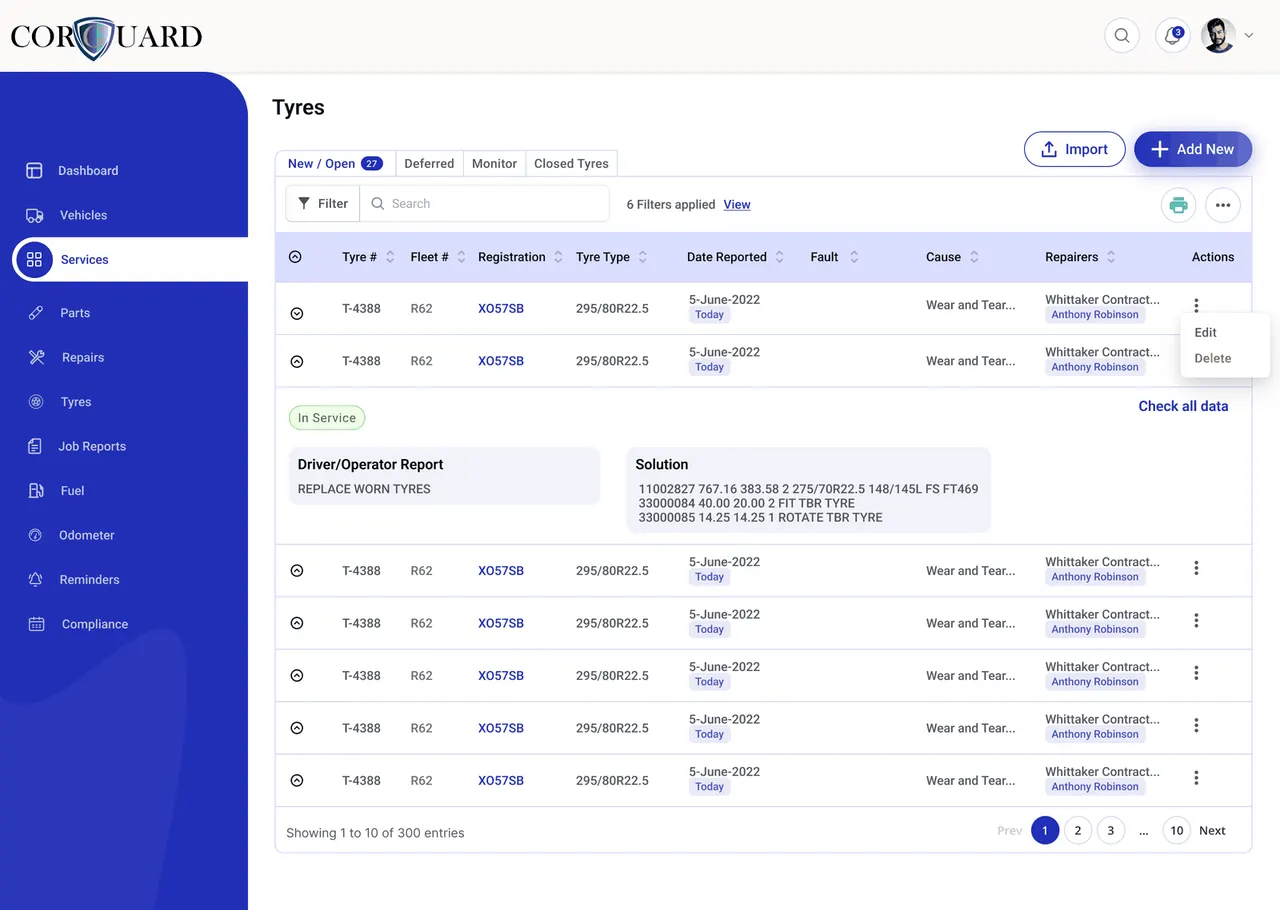
Driver diary checks
Connect fatigue and driver diary review back to manager visibility.
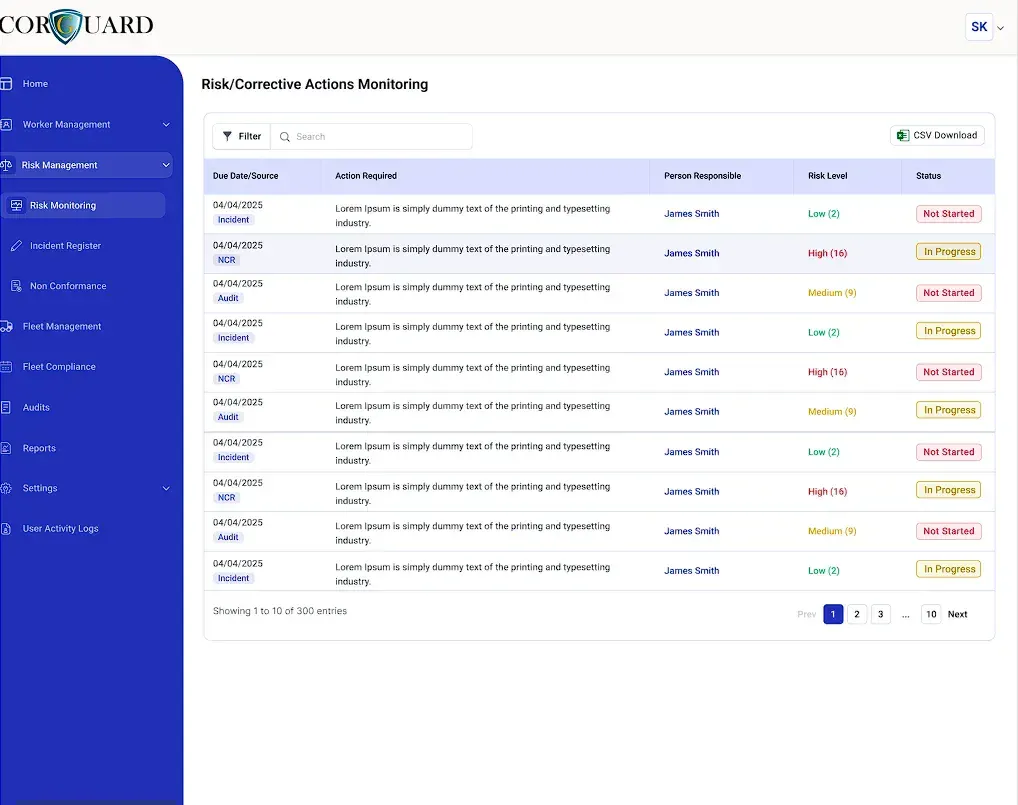
Corrective actions
Turn audit findings, hazards and incidents into tracked actions.
Keep exploring
Related Chain of Responsibility reading
MAEZ insight
Basic Fatigue Management (or BFM) Accreditation
Advanced Fatigue Management (or AFM) differs to Basic Fatigue Management (or BFM) in that it requires much more policy framework, as well as procedures within the organisation.
MAEZ insight
What is CoR? | CoR = Chain Of Responsibility
CoR simply means, Chain of Responsibility. It is the acronym for chain of responsibility which is basically a phrase which industry has adopted in exchange for the National Heavy Vehicle National Law, which is also known as the HVNL.
MAEZ insight
Managing Your CoR Safety System?
Week after week in every state, we all hear and see news of trucks rolling over, truck drivers using drugs, trucks on fire and causing death and destruction.
MAEZ insight
The NHVR – Totally Irresponsible
In my view this is one of the most damaging articles to ever come from a governing body, that was put together to enhance a safety culture, amongst one of the most dangerous industries now in Australia.
MAEZ insight
Overloaded & Unrestrained
The owner and driver still have a duty of care. They must still ensure that their duty does not impact the lives of the employees, or the public. Even though they are not liable under the Heavy Vehicle National Law.
MAEZ insight
Chain of Responsibility (or CoR) NSW
All listed parties in a road transport task within a supply chain, have specific obligations under the Heavy Vehicle National Law (or HVNL) …
Frequently asked questions
Questions people ask about this topic
Do you have to slow down when passing emergency vehicles in Australia?
Yes. It is an enforceable requirement to slow down when passing an emergency vehicle on the roadside. Depending on where you are driving, you may also be required to move into another lane. The rule applies to all vehicles, not just heavy vehicles.
Is failing to slow down for emergency vehicles a Chain of Responsibility issue?
It can be. Under the Heavy Vehicle National Law, all parties in the transport chain share responsibility for safety. A driver speeding past an emergency vehicle may point to inadequate training, supervision, or systems within the business, which can expose the operator to enforcement action.
What evidence should operators keep for emergency vehicle passing rules?
Operators should document the requirement in induction and driver communication materials and keep records showing drivers have been told and understood the rule. Training records, driver acknowledgements, and corrective actions all help demonstrate compliance if an auditor or regulator asks.
Who should read this page about passing emergency vehicles?
This page is useful for owner-operators, transport managers, executives, consignors, consignees, loaders, schedulers, contractors, and anyone who influences a heavy vehicle transport task.