
MAEZ insight
What is Chain of Responsibility (CoR)?
Chain of Responsibility (CoR) is the industry term for obligations under Australia's Heavy Vehicle National Law. Learn who is liable, what an active safety system requires, and how to start with a gap analysis.

Due diligence means knowing whether the safety system is actually working.

Proof that freight promises do not create unsafe transport pressure.
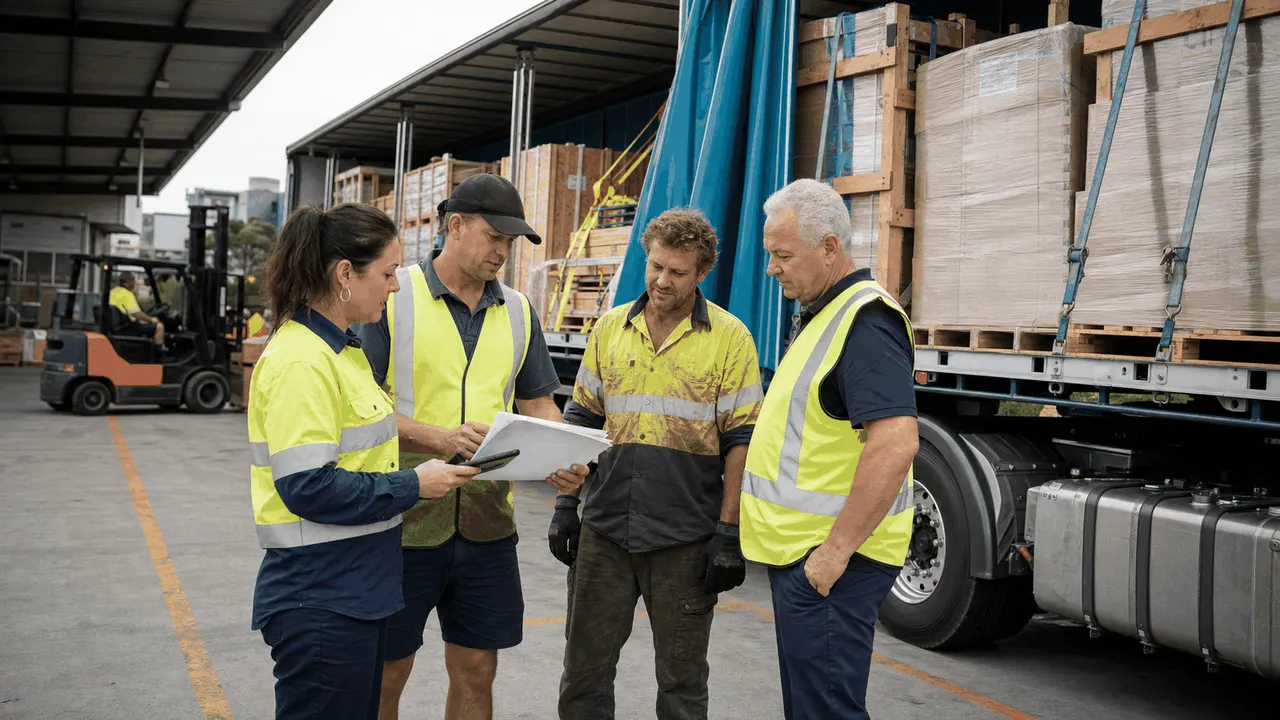
Loading controls need evidence, not assumptions.
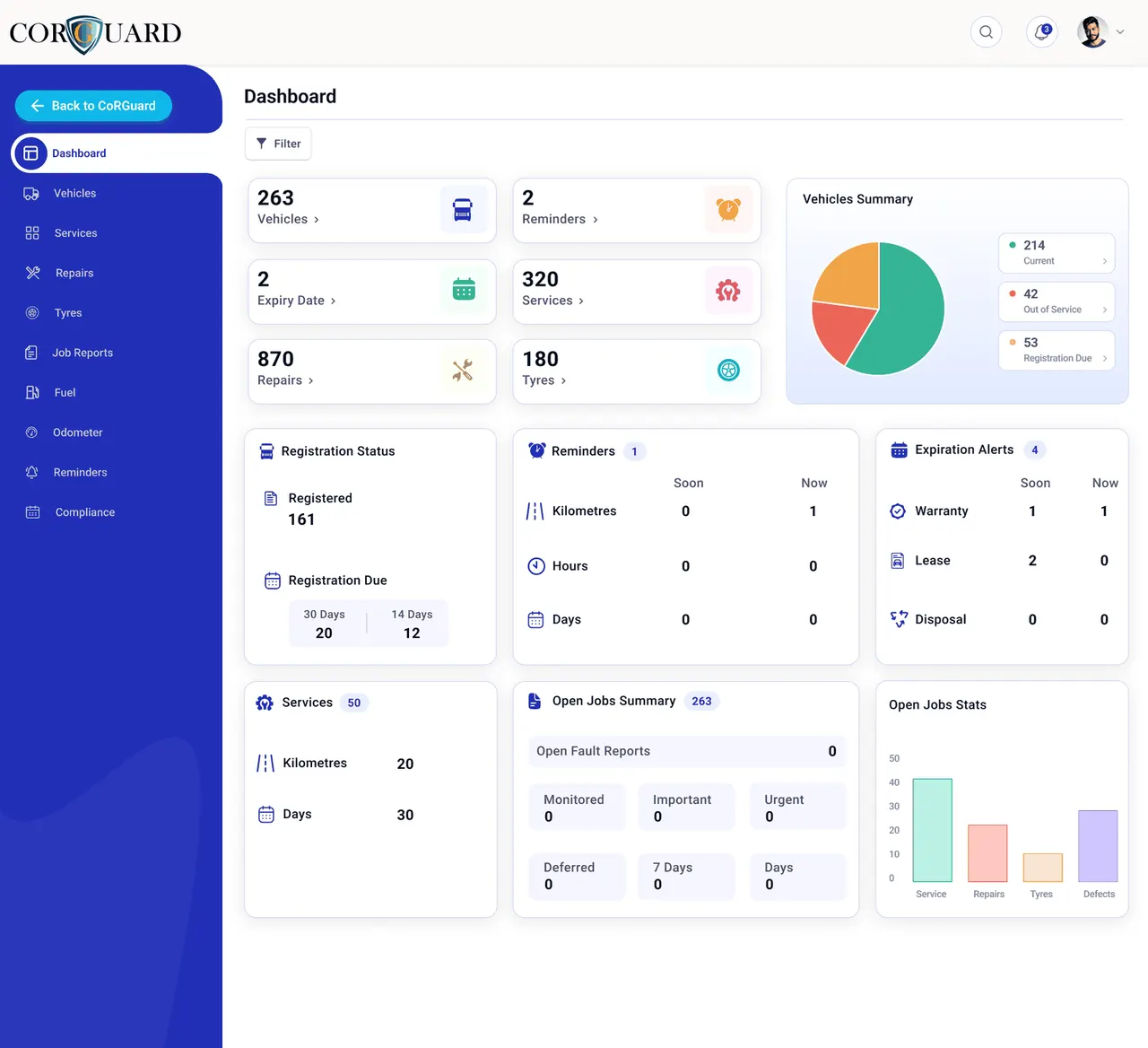
Daily fleet activity has to connect back to duties, controls, and review.
Consignors
Freight terms, delivery windows, and KPIs must not push drivers into speed, fatigue, or mass breaches.
Consignees
Receiving rules, site access, and unloading delays are CoR controls that need to be set and evidenced.
Loaders
Mass, dimension, and load restraint decisions need documented checks, not assumptions.
Managers
Executives and managers need due-diligence evidence that the Safety Management System is actually working.
The acronym behind Australia's heavy vehicle safety law

Chain of Responsibility (CoR) is the industry shorthand for obligations under Australia's Heavy Vehicle National Law (HVNL). It places safety duties on every party in the heavy vehicle supply chain — not just the driver — including executives, consignors, loaders, operators, and consignees. Each must do what is reasonably practicable to eliminate or minimise transport safety risks.
CoR is the acronym the transport and supply-chain industry has adopted as shorthand for the HVNL. If you have heard someone mention "CoR" in a meeting — perhaps when discussing a transport vendor or a delivery contract — they are referring to the legal framework that places safety duties on every party in the heavy vehicle supply chain, not just the driver.
Transport safety in Australia has no shortage of acronyms. CoR is one of the most important to understand because it determines who is accountable when something goes wrong on the road. For a broader explanation of how the framework works, see our About Chain of Responsibility page.
Who has CoR obligations?
If your supply chain involves heavy vehicles, you are likely a duty holder
If vehicles in your supply chain can weigh more than 4.5 tonnes at any time, you are liable under the HVNL — regardless of whether you own the truck, lease it, or engage another business that owns it. That means CoR obligations extend well beyond the operator.
The following parties all carry duties:
- Executives and directors — must exercise due diligence to confirm the safety system is actually working
- Consignors — must ensure freight demands do not create unsafe transport pressure
- Loaders — must have documented loading controls, not assumptions
- Operators — must connect daily fleet activity back to duties, controls, and review
- Consignees and managers — must meet role-based CoR controls, evidence, and Safety Management System (SMS) expectations
The key principle is shared responsibility: each party in the chain must do what is reasonably practicable to eliminate or minimise safety risks. The HVNL establishes a primary duty on each party, along with an executive duty that requires officers of a legal entity to exercise due diligence to ensure the business complies with its safety obligations.
What are the real risks of non-compliance?
Penalties go beyond fines — directors have lost their positions
Most businesses focus on how they make money, not how they spend it. But the financial risk of non-compliance with CoR legislation can wipe out a profit margin entirely, depending on the penalty imposed.
The consequences are not always purely financial. In some circumstances, directors have been required to resign their positions when found guilty as the driver behind poor safety practices within an organisation.
Non-compliance risks include:
- Substantial fines scaled to the severity of the breach
- Personal liability for executives under the HVNL's executive due-diligence duty
- Loss of NHVAS accreditation
- Reputational damage that affects commercial relationships
- Potential criminal exposure in serious cases
Understanding these risks is the first step toward managing them.
What does the HVNL require you to have?
An active safety system — not just a policy on a shelf
The HVNL requires anyone with a transport task in their business to provide, so far as is reasonably practicable, an active safety system. An active safety system is not a static document. It is a living set of controls, processes, and evidence that demonstrates your business is actively identifying and managing transport safety risks.
The system needs to cover the areas where your business has influence or control — from scheduling and loading through to driver fatigue, vehicle maintenance, and contractor management. Each duty holder's system should reflect their specific role in the supply chain.
The legislation establishes a primary duty on each party in the chain, along with an executive duty that requires officers of a legal entity to exercise due diligence to ensure the business complies with its safety obligations. For a deeper look at what this means for duty holders, see our resource on Chain of Responsibilities: What Australian HVNL Duty Holders Need to Understand.
Why start with a gap analysis?
Your roadmap from where you are to where you need to be
When clients come to us, the first step we recommend is a gap analysis of their CoR practices. It is the best way to ascertain your position against HVNL requirements and understand what you need to do next.
A gap analysis provides several practical benefits:
- It maps where your business currently sits against its legal obligations
- It produces a project plan that can guide implementation
- It demonstrates your commitment to a reasonably practicable approach to risk
- It serves as the starting point for building your active safety system
A gap analysis is, by definition, the start of your active safety system. It proves your duty to reasonably practicably assume a process to remove risk from your business.
If you are unsure about CoR or the risks within your operation, the suggestion is straightforward: speak with a Chain of Responsibility consultant and request a gap analysis to understand your exposure.
How MAEZ helps with CoR
Advisory, training, and evidence pathways for Australian operators
MAEZ helps Australian businesses turn Chain of Responsibility, HVNL, WHS, transport safety, and chartered risk obligations into practical training, advisory, audit, and implementation pathways. Our work follows a simple sequence: find the gaps, fix the system, and prove the controls.
Find
Identify what is exposed before an auditor or regulator does.
Fix
Build SMS controls around how the transport business actually runs.
Prove
Use structured records, reminders, audits, and evidence to demonstrate compliance.
We provide gap analysis for companies large and small, with commercially sound advice to promote a reasonably practicable active safety system. Chain of Responsibility training is available for operators, executives, and managers who need practical CoR knowledge.
Ready to understand your exposure? Contact MAEZ for a practical review of the controls, evidence, training, and SMS gaps that matter most to your business.
How MAEZ works
Find the gaps. Fix the system. Prove the controls.
MAEZ helps transport operators deal with the compliance risk they already know is there. We help get the Safety Management System in order, protect NHVAS accreditation, reduce fine exposure, and connect training, evidence, and CoRGuard workflows where software is needed.
Find
Identify what is exposed before an auditor or regulator does.
Fix
Build the SMS controls around how the transport business actually runs.
Prove
Use CoRGuard where records, reminders, diaries, audits, and evidence need structure.
From advice to evidence
From MAEZ advice to a working Safety Management System
Advisory work should leave a practical implementation trail. These examples show how CoRGuard supports records, fatigue and driver diary checks, maintenance, audits, document control, inductions, corrective actions, and evidence review after MAEZ identifies the gaps.
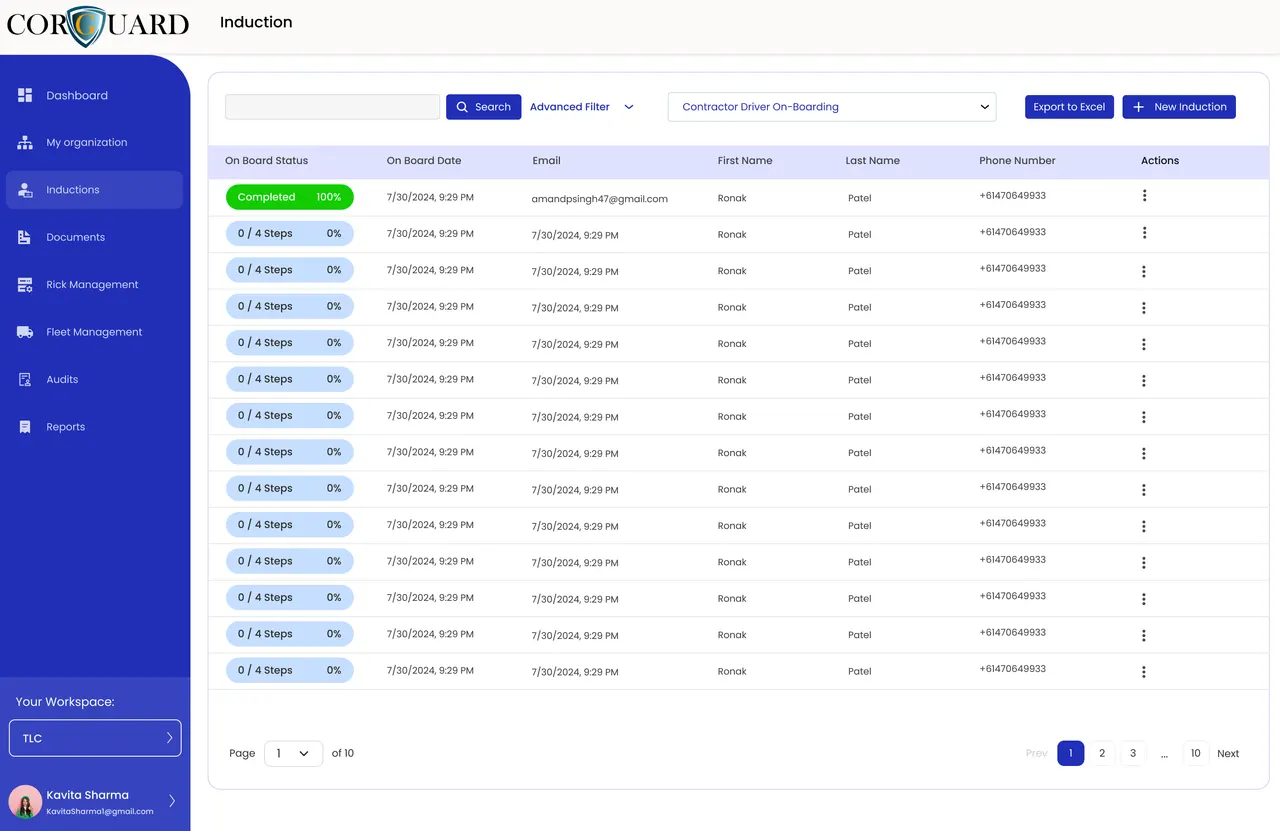
Training records
Connect training completion from cortraining.com.au to evidence and follow-up.
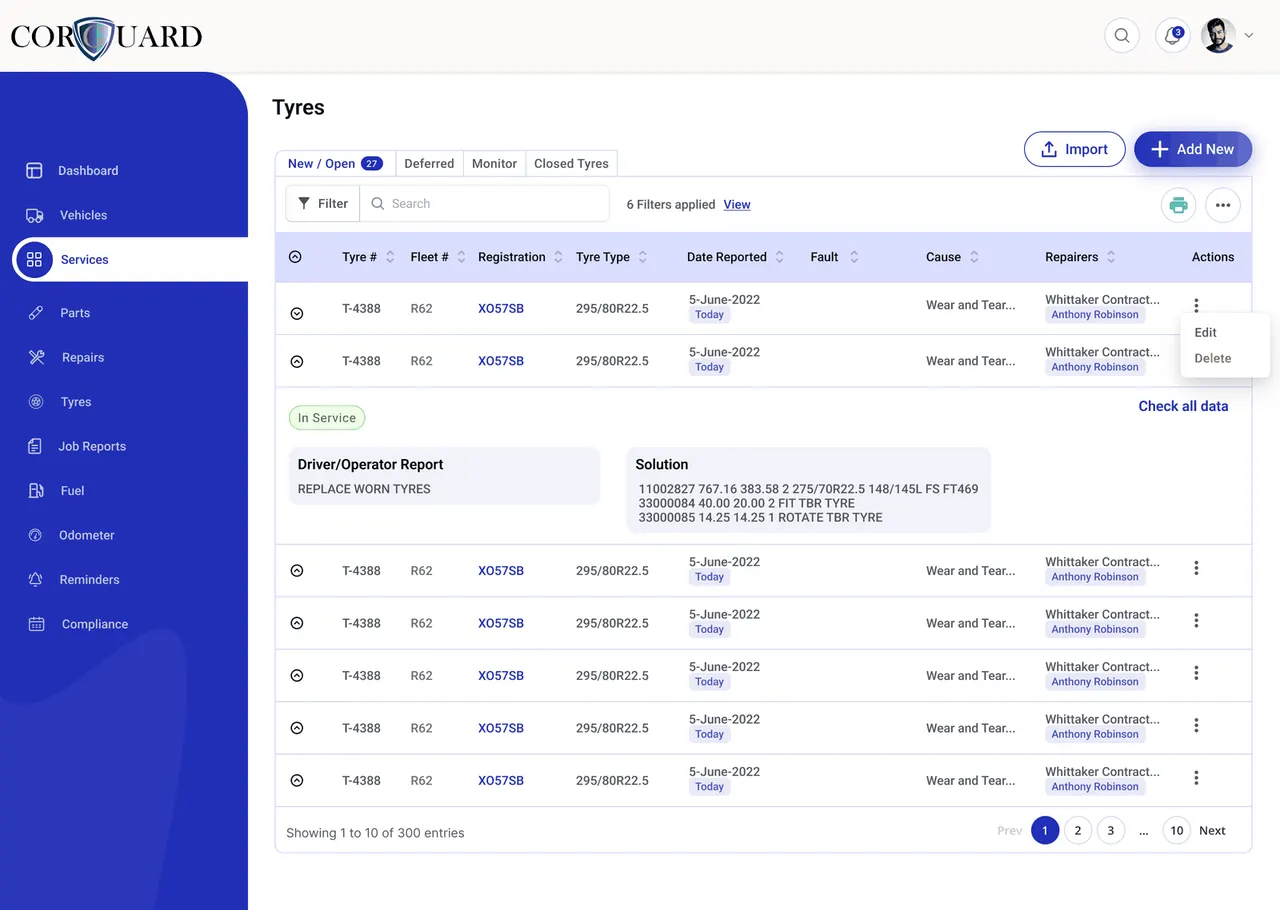
Driver diary checks
Connect fatigue and driver diary review back to manager visibility.
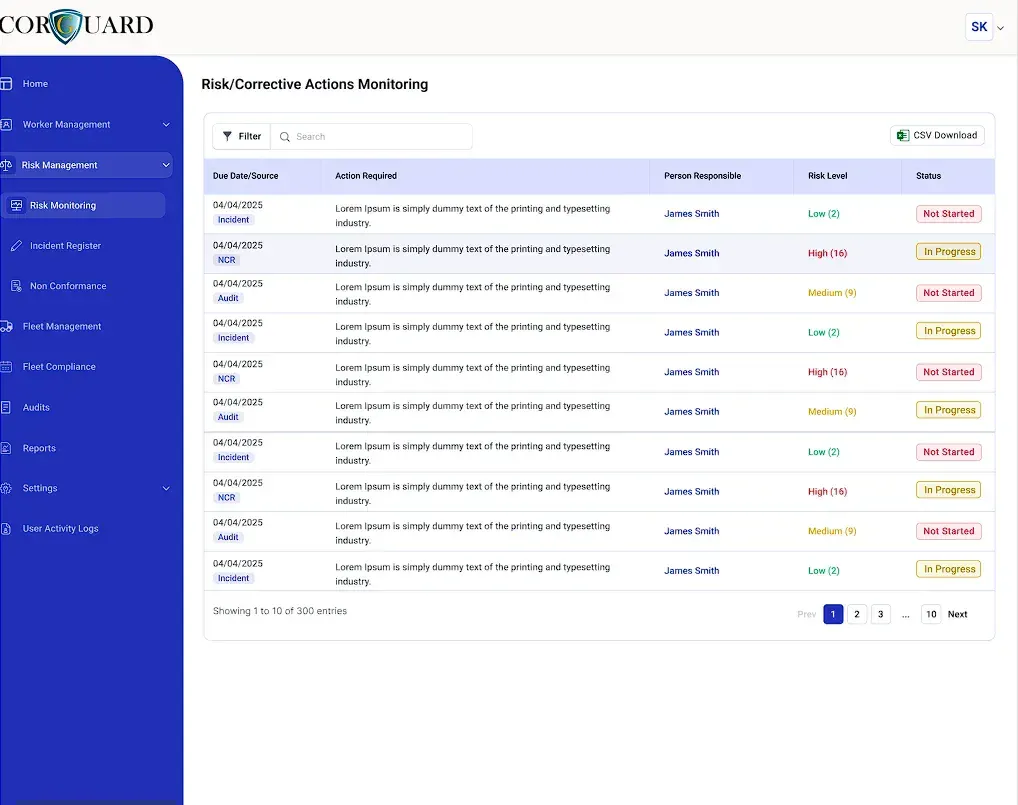
Corrective actions
Turn audit findings, hazards and incidents into tracked actions.
Keep exploring
Related Chain of Responsibility reading
MAEZ insight
Managing Your CoR Safety System?
Week after week in every state, we all hear and see news of trucks rolling over, truck drivers using drugs, trucks on fire and causing death and destruction.
MAEZ insight
The NHVR – Totally Irresponsible
In my view this is one of the most damaging articles to ever come from a governing body, that was put together to enhance a safety culture, amongst one of the most dangerous industries now in Australia.
MAEZ insight
Overloaded & Unrestrained
The owner and driver still have a duty of care. They must still ensure that their duty does not impact the lives of the employees, or the public. Even though they are not liable under the Heavy Vehicle National Law.
MAEZ insight
Chain of Responsibility (or CoR) NSW
All listed parties in a road transport task within a supply chain, have specific obligations under the Heavy Vehicle National Law (or HVNL) …
MAEZ insight
Safety Notice Boards
When taking a look at another business during an audit, I’m looking for hundreds of different things, but one which usually takes people by surprise is whether or not I can find a safety notice board.
MAEZ insight
Logistics Management
Logistic management companies have spent and will spend multiple millions of dollars on the safety of their fleet and drivers. Of course, it’s great for business, it reduces risk for their own investments and ongoing financial targets.
Frequently asked questions
Questions people ask about this topic
What does CoR stand for in Australian transport?
CoR stands for Chain of Responsibility — the industry shorthand for obligations under the Heavy Vehicle National Law (HVNL). It places safety duties on every party in the heavy vehicle supply chain, not just the driver.
Who has Chain of Responsibility obligations?
Any party whose supply chain involves vehicles over 4.5 tonnes is a duty holder. This includes executives, consignors, loaders, operators, consignees, and managers — each with role-based duties to do what is reasonably practicable to eliminate or minimise transport safety risks.
What does the HVNL require businesses to have in place?
The HVNL requires anyone with a transport task to provide, so far as is reasonably practicable, an active safety system — a living set of controls, processes, and evidence that demonstrates the business is actively identifying and managing transport safety risks.
Why should I start with a CoR gap analysis?
A gap analysis maps where your business currently sits against its legal obligations, produces a project plan to guide implementation, and serves as the starting point for building your active safety system. It is the fastest way to understand your exposure before an auditor or regulator does.
Does MAEZ provide Chain of Responsibility training?
Yes. MAEZ provides Chain of Responsibility training for operators, executives, and managers who need practical CoR knowledge. Training is delivered through a dedicated platform, and where software is needed, CoRGuard supports the Safety Management System evidence workflow.