
MAEZ insight
Essential Chain of Responsibility Checklist for 2023
Practical Chain of Responsibility checklist for Australian transport operators covering mass, load restraint, fatigue, speed, and duty holder obligations under the HVNL.

Due diligence means knowing whether the safety system is actually working.

Proof that freight promises do not create unsafe transport pressure.

Loading controls need evidence, not assumptions.
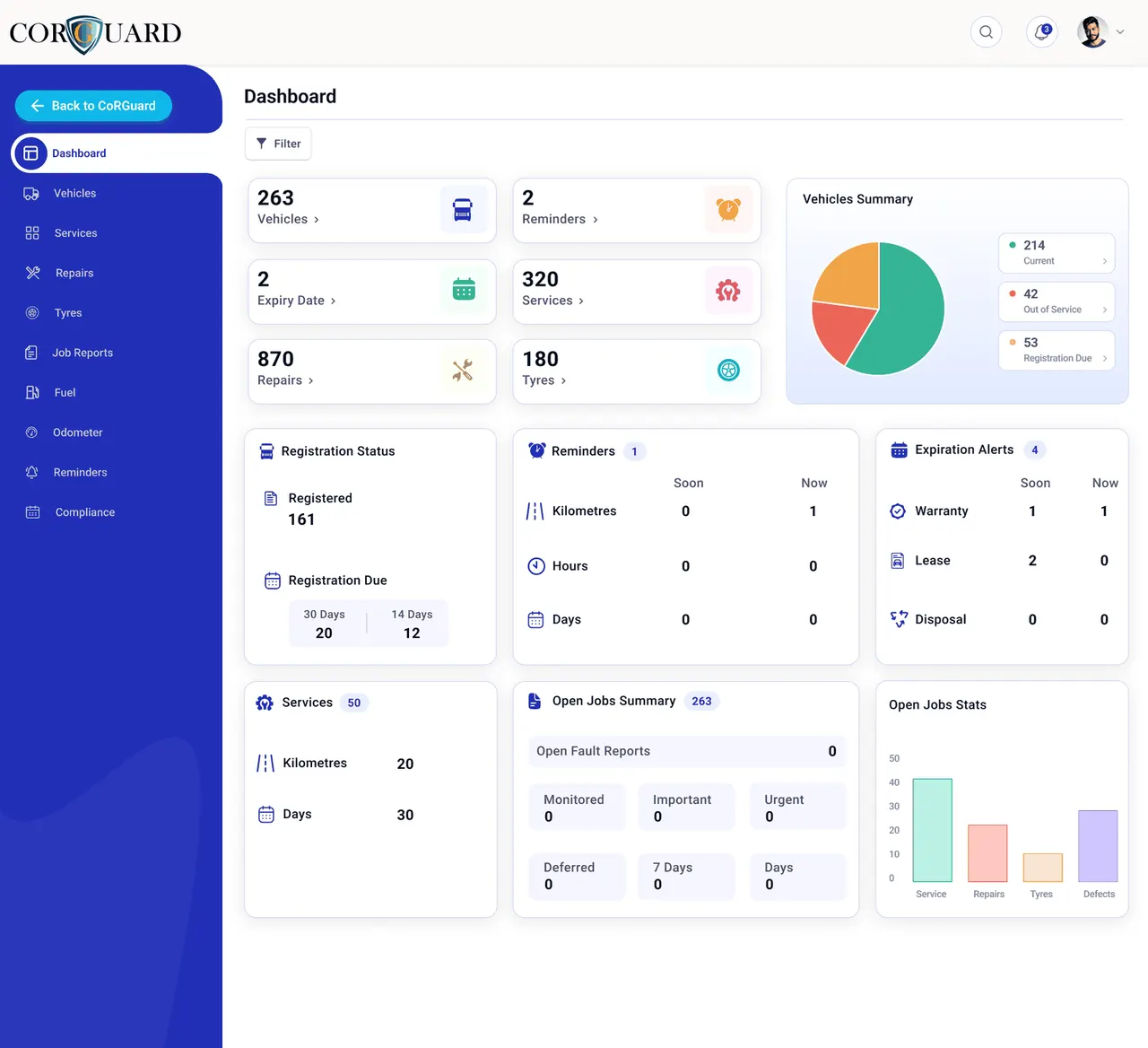
Daily fleet activity has to connect back to duties, controls, and review.
Consignors
Freight terms, delivery windows, and KPIs must not push drivers into speed, fatigue, or mass breaches.
Consignees
Receiving rules, site access, and unloading delays are CoR controls that need to be set and evidenced.
Loaders
Mass, dimension, and load restraint decisions need documented checks, not assumptions.
Managers
Executives and managers need due-diligence evidence that the Safety Management System is actually working.
Why this CoR checklist matters
Compliance that lives in daily workflows, not filing cabinets

An essential Chain of Responsibility checklist for Australian transport operators covers mass and dimension verification, load restraint assessment, fatigue management, speed compliance, vehicle maintenance, and duty holder due diligence. Each item must connect to daily workflows so compliance evidence is generated through normal business activity, not retrofitted after an incident.
Your Heavy Vehicle National Law compliance starts with knowing what to check. Any person who has influence over heavy vehicle transport activities shares a legal duty to ensure safety under the HVNL.
Twenty-five years in supply chain operations taught me that compliance checklists fail when they sit in filing cabinets. They work when operators integrate them into daily workflows, from pre-start inspections to contract negotiations.
Each section below connects regulatory requirements to operational reality. You will get practical verification steps for every CoR duty area, including mass checking, load restraint assessment, fatigue monitoring, and maintenance tracking. For broader context on how the CoR framework applies across your business, see About Chain of Responsibility.
Who holds Chain of Responsibility duties?
Shared legal obligations across the entire transport supply chain
Chain of Responsibility under the HVNL creates shared legal obligations across the transport supply chain. Consignors, packers, loaders, schedulers, carriers, and receivers all hold duties when they influence transport activities.
The HVNL's principle of shared responsibility means each party must discharge their duty to the extent they have capacity to influence and control the transport activity. A duty under the HVNL may not be transferred to another person — an agreement purporting to remove that capacity does not remove the obligation.
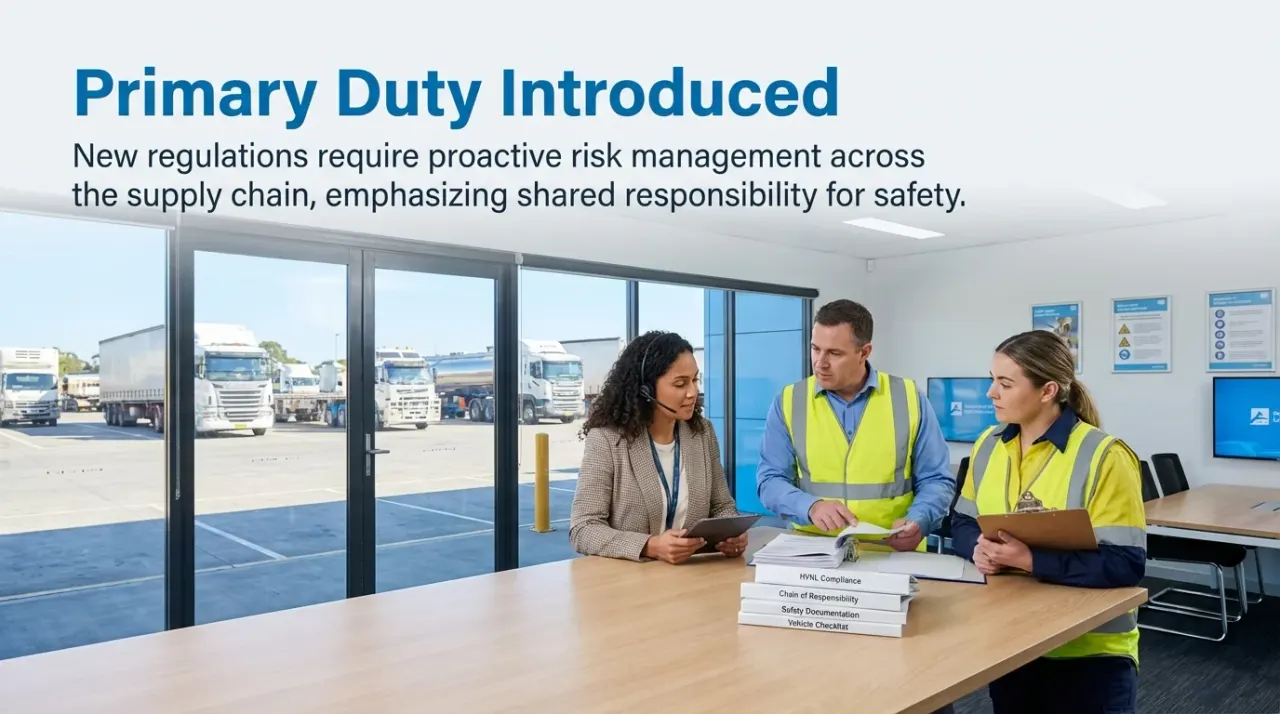
CoR was strengthened in October 2018 with amendments introducing a primary duty for safety in transport activities. This primary duty requires parties to eliminate or minimise public risks arising from their transport activities, so far as is reasonably practicable.
The law also prohibits asking, directing, or requiring a driver or another party to do something that breaches the HVNL. Executive officers face specific due diligence obligations — company directors must ensure their organisation implements systems to manage CoR duties, including providing resources, verifying that compliance systems work, and maintaining current knowledge of HVNL requirements.
You hold CoR duties if you control or influence any transport activity aspect. Multiple parties often share duties for a single transport task. A retailer scheduling deliveries holds scheduler duties, their warehouse supervisor loading trucks holds loader duties, and the transport company operating the vehicle holds carrier duties — all three must manage their respective obligations. For a deeper look, see Chain of Responsibilities: What Australian HVNL Duty Holders Need to Understand.
What each CoR role must verify
Key obligations for common parties in the chain
Each role in the chain carries specific compliance obligations. The list below summarises primary influence areas and key duties.
- Consignor — Delivery requirements and packaging specifications. Must set reasonable delivery timeframes, provide accurate documentation, and ensure load compatibility.
- Packer — Load configuration and container selection. Must manage weight distribution, load stability, and dimension compliance.
- Loader — Physical loading and restraint application. Must meet load restraint standards, verify mass compliance, and respect vehicle capacity.
- Scheduler — Journey planning and driver assignments. Must ensure fatigue law compliance, allow realistic timeframes for speed compliance, and avoid creating pressure that forces breaches.
- Carrier — Vehicle operation and driver management. Must maintain vehicles, verify driver licensing, ensure work diary compliance, and manage speed.
- Receiver — Unloading requirements and site access. Must provide safe unloading facilities, allow reasonable timeframes, and verify mass where applicable.
If your business spans multiple roles, you carry the obligations for each role you perform. A practical CoR risk review can help you identify where your duties overlap and where evidence gaps exist.
How to verify mass and dimension compliance
Check weight and size limits before every loaded departure
Mass compliance starts before loading begins. You need current weight limits for the vehicle configuration, route restrictions, and accurate product weights.
Accredited vehicles use certified weighing systems. Non-accredited vehicles require public weighbridge verification or approved portable weighing equipment.
Pre-loading mass checks
- Verify vehicle tare weight before loading. Compare the weighbridge docket or load cell reading against vehicle registration documents. Discrepancies indicate potential compliance issues or documentation errors.
- Calculate available payload capacity. Subtract tare weight and fuel weight from the gross vehicle mass limit. Add axle group limits and bridge formula calculations for multi-axle configurations.
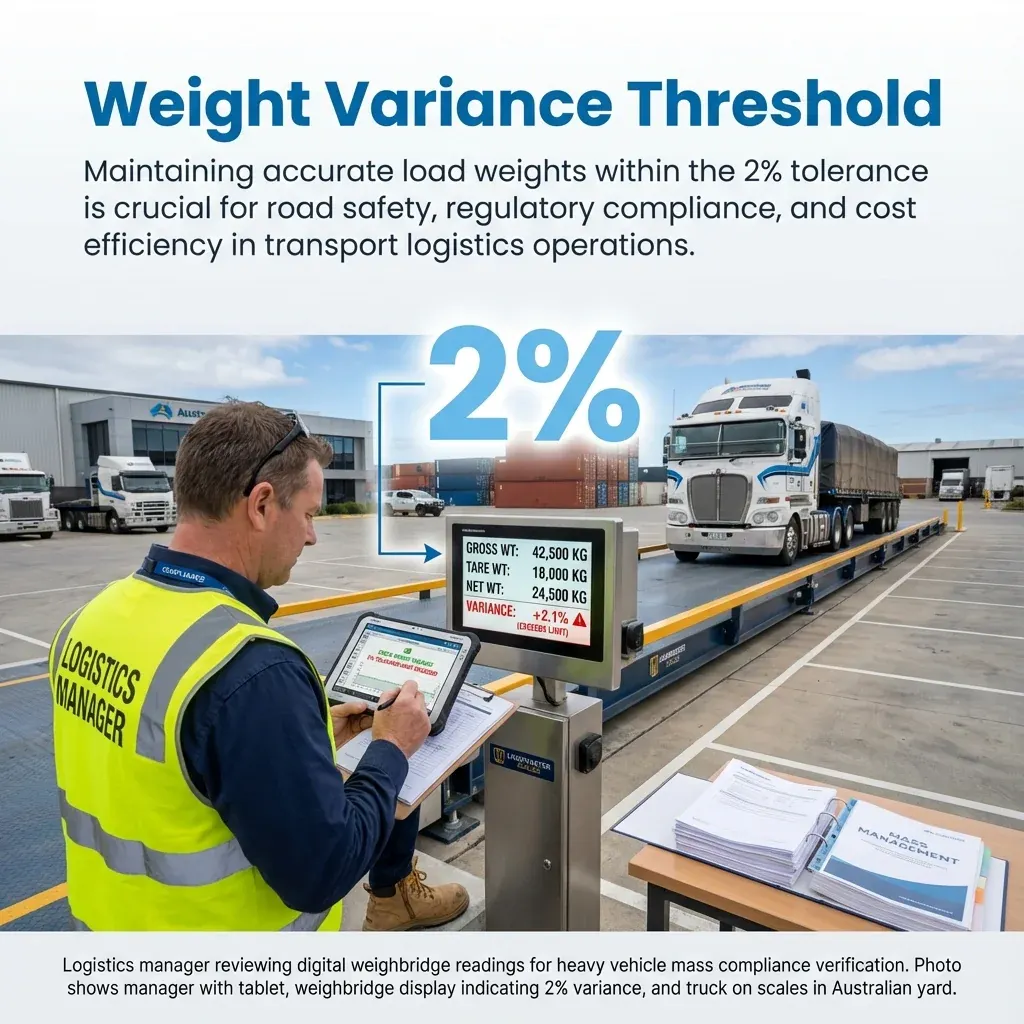
- Confirm product weights match documentation. Physical package labels, supplier declarations, and warehouse management system data should align. A 2% variance triggers re-verification requirements under most CoR frameworks.
Dimension requirements
Standard dimension limits are 2.5 metres wide, 4.3 metres high, and 19 metres long for rigid trucks. B-double combinations extend to 26 metres. Your route and vehicle configuration determine applicable limits.
Measure load overhang at the rear. Projections beyond 1.2 metres require warning devices. Projections beyond 3.7 metres require pilot vehicles and notice to road managers.
What to verify and how often
- Gross Vehicle Mass — Weighbridge or certified load cells — every loaded departure.
- Axle Group Weights — Individual axle weighing or distribution calculation — every loaded departure.
- Product Weight Accuracy — Sample weighing, supplier declaration verification — new products and quarterly audits.
- Height Clearance — Physical measurement, bridge height databases — route planning and load configuration changes.
- Width Compliance — Physical measurement at widest point — load configuration changes and non-standard cargo.
How to assess and verify load restraint
Restraint systems must withstand forces in every direction

Load restraint prevents cargo movement during normal driving conditions. The Load Restraint Guide specifies performance standards for different load types and vehicle configurations.
Your restraint system must withstand forces in all directions: forward forces during braking reach 0.8g, rearward forces during acceleration hit 0.5g, lateral forces during cornering reach 0.5g, and vertical forces account for road irregularities.
Restraint system types
- Direct restraint uses physical barriers. Headboards, gates, and bulkheads contain loads. These structures must handle the required forces for the cargo weight.
- Indirect restraint uses tie-downs. Chains, straps, and ropes create downward force. This friction prevents load movement. The Load Restraint Guide provides calculation methods for required tie-down capacity.
- Combination restraint uses both methods. Palletised goods often need headboard protection plus strap restraint. Containerised freight combines container twist-locks with load distribution inside the container.
Inspection points before departure
- Check tie-down anchorage points for cracks, deformation, or corrosion. Vehicle manufacturer specifications define safe working loads for each anchor point.
- Verify restraint equipment condition. Chains need manufacturer markings visible. Straps cannot have cuts or excessive wear. Rated capacity must exceed calculated requirements from the Load Restraint Guide.
- Document restraint methods used. Note tie-down positions, tension applied, and blocking used. This documentation proves compliance and supports CoR training when you review effective practices.
- Inspect restraint before departure and at rest stops. Recheck tension after the first 50 kilometres of travel.
How to manage fatigue compliance
Work and rest hour rules, scheduler obligations, and record-keeping
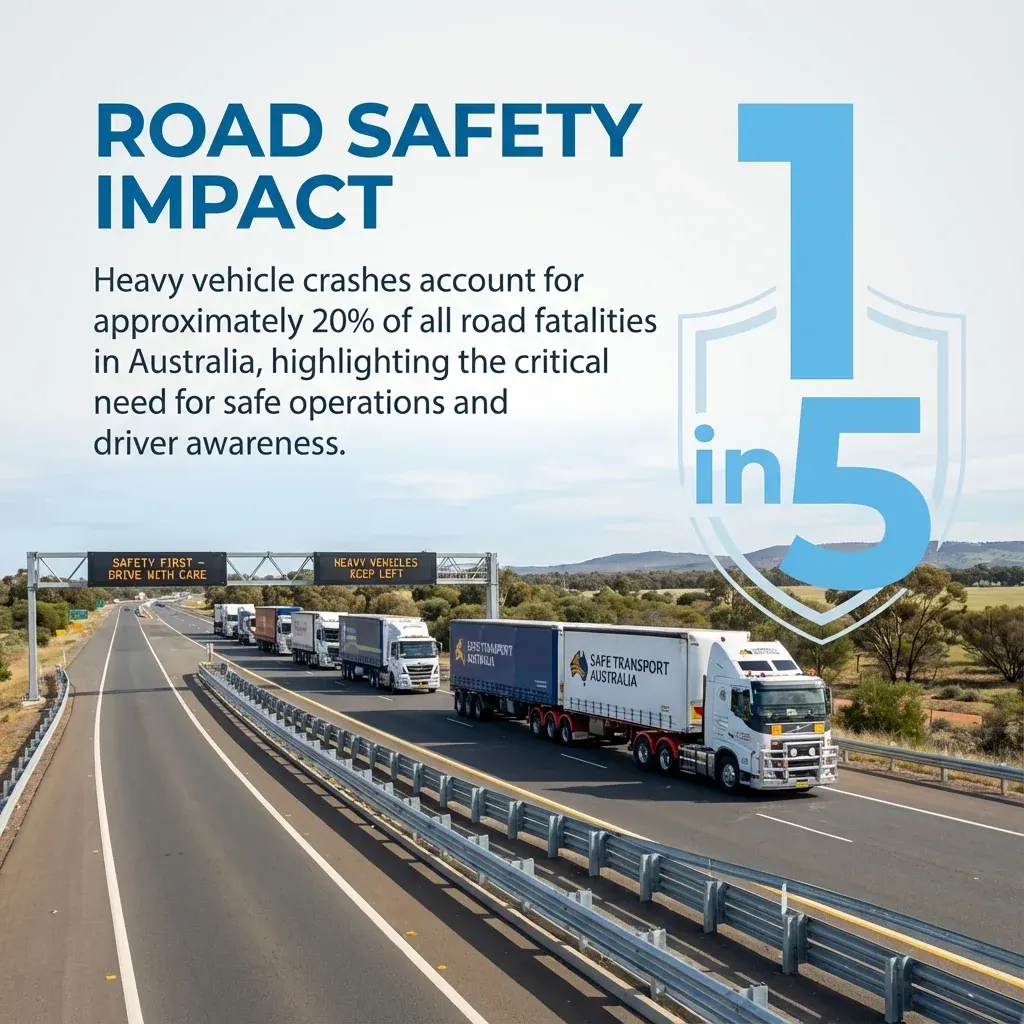
Fatigue management under the HVNL requires work and rest hour compliance. Drivers use work diaries or electronic work diary (EWD) systems to record work, rest, and driving time.
Key fatigue thresholds
- Maximum work time — 12 hours in 24 hours.
- Minimum rest break — 7 continuous hours in 24 hours.
- Maximum driving time — 5.5 hours without a break.
- Rest break requirement — 15 minutes stationary every 5.5 hours of driving.
Standard hours allow 12 hours work in 24 hours, with mandatory rest breaks. Solo drivers need 7 continuous hours rest in each 24-hour period. Two-up operations have different requirements when both drivers are present.
Scheduler fatigue obligations
Your schedules must allow drivers to comply with work and rest requirements. Build in buffer time for traffic, delays, and unexpected events. Tight schedules that force speeding or skipped rest breaks create CoR breaches.
Review actual journey times against scheduled times monthly. Consistent over-runs indicate unrealistic scheduling. Verify driver work diary compliance before assigning additional work — a driver who just completed a 12-hour shift cannot legally start another shift without required rest. Schedulers who assign work knowing rest requirements are not met breach CoR duties.
Work diary and EWD verification
- Check work diary completion daily. Drivers must record work and rest times within required timeframes. Missing entries, unclear entries, or obvious errors need immediate correction.
- Electronic work diary systems automate much of this tracking. The system links to vehicle telematics, recording driving time automatically. Manual entries still occur for non-driving work time.
- Maintain work diary records for three years. NHVR audits request historical records. Electronic storage systems simplify this requirement compared to paper diary retention.
How to monitor speed compliance
Schedulers and carriers both carry obligations for speed management
Speed compliance protects your CoR position and driver safety. Schedulers must allow legal speed limit compliance in their journey planning. Carriers must implement speed monitoring systems.
Telematics systems track vehicle speed continuously. Set alert thresholds at posted speed limits for routes and configure systems to flag repeated speeding events rather than isolated instances.
Speed limiter requirements
Vehicles over 4.5 tonnes GVM manufactured after 1991 need speed limiters. The limiter must restrict maximum speed to 100 km/h. Annual inspections verify limiter function and seal integrity.
Check speed limiter certification during vehicle inspections. The limiter must be type-approved and properly sealed. Tampering with speed limiters creates serious CoR breaches.
For help turning these checklist items into a connected, evidence-backed safety system, contact MAEZ.
How MAEZ works
Find the gaps. Fix the system. Prove the controls.
MAEZ helps transport operators deal with the compliance risk they already know is there. We help get the Safety Management System in order, protect NHVAS accreditation, reduce fine exposure, and connect training, evidence, and CoRGuard workflows where software is needed.
Find
Identify what is exposed before an auditor or regulator does.
Fix
Build the SMS controls around how the transport business actually runs.
Prove
Use CoRGuard where records, reminders, diaries, audits, and evidence need structure.
From advice to evidence
From MAEZ advice to a working Safety Management System
Advisory work should leave a practical implementation trail. These examples show how CoRGuard supports records, fatigue and driver diary checks, maintenance, audits, document control, inductions, corrective actions, and evidence review after MAEZ identifies the gaps.
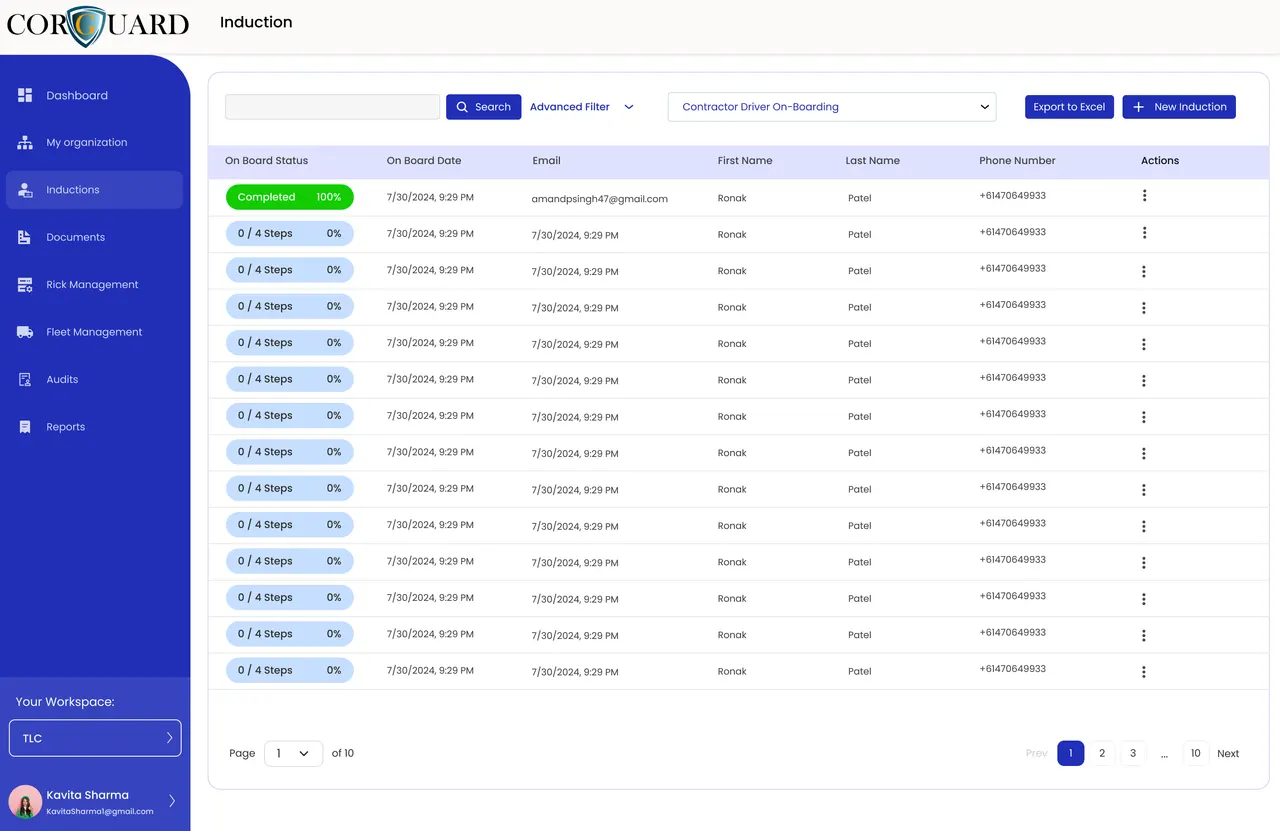
Training records
Connect training completion from cortraining.com.au to evidence and follow-up.
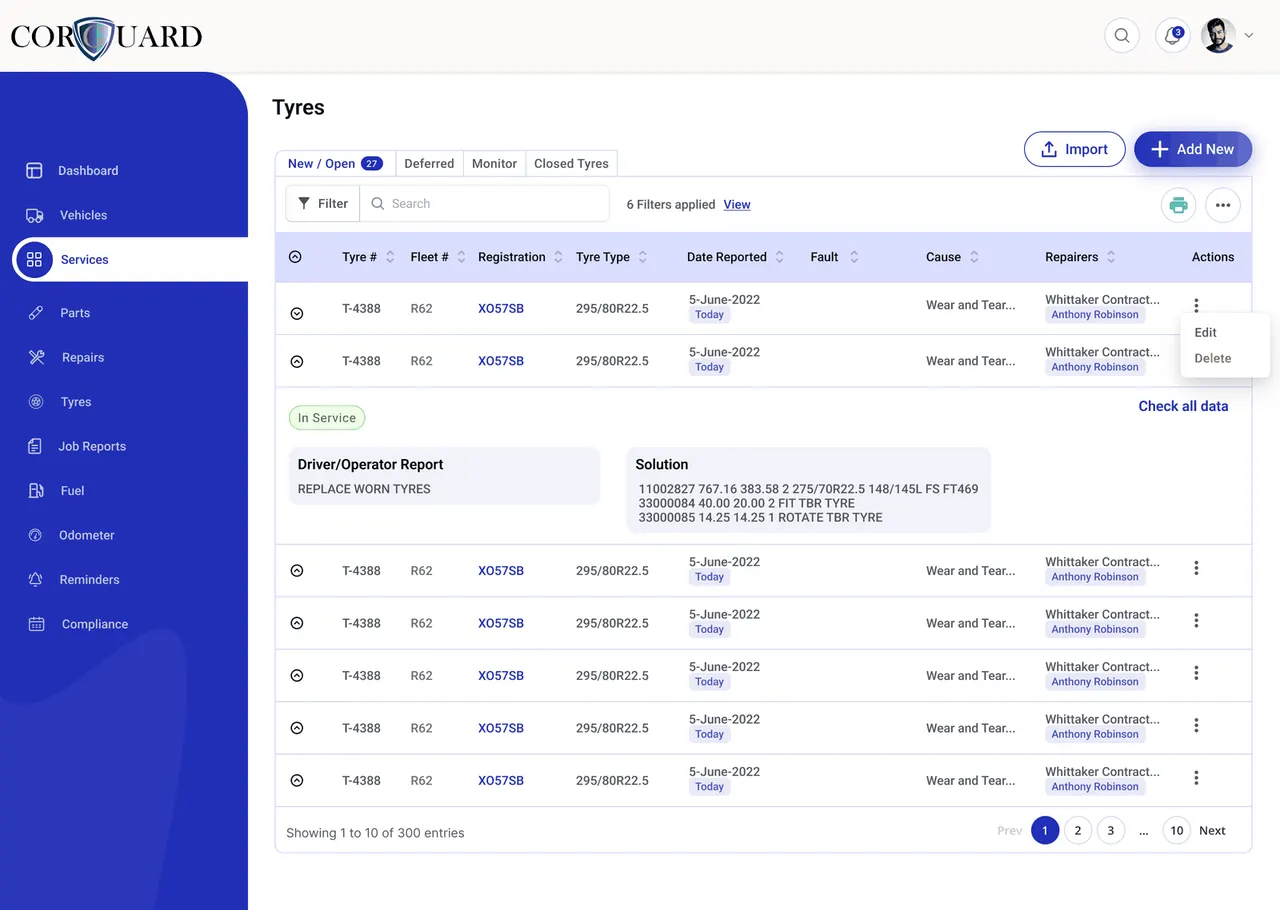
Driver diary checks
Connect fatigue and driver diary review back to manager visibility.
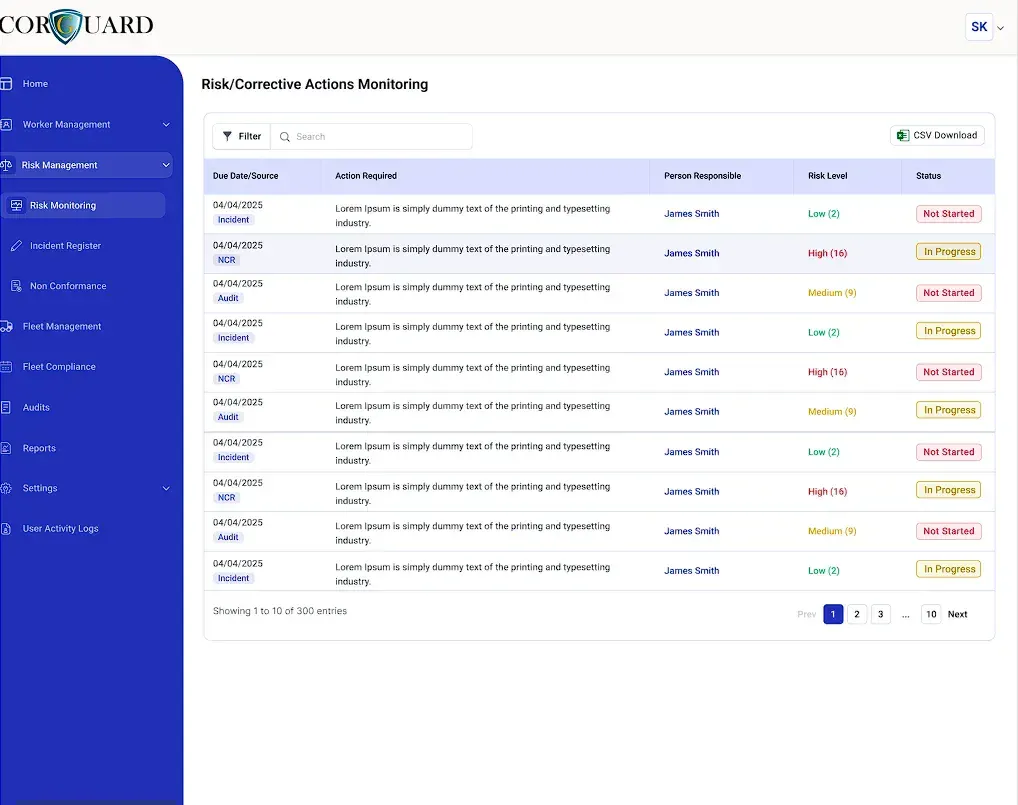
Corrective actions
Turn audit findings, hazards and incidents into tracked actions.
Keep exploring
Related Chain of Responsibility reading
MAEZ insight
Understanding the Latest HVNL Updates and Changes
Stay informed on HVNL updates and changes with our detailed guide. Learn about new compliance rules and safety management systems effectively.
MAEZ insight
Crafting an Effective Transport Safety Management Plan
Learn how to craft an effective transport safety management plan to prevent crashes, reduce injuries, and ensure operational continuity in your organization.
MAEZ insight
Top Strategies for Effective Supply Chain Risk Management
Discover the best practices in supply chain risk management to mitigate threats and ensure operational continuity. Keep disruptions at bay effectively.
MAEZ insight
Mastering Chain of Responsibility: Top Best Practices
Discover the top best practices for mastering the chain of responsibility. Enhance your coding with flexible, maintainable solutions today!
MAEZ insight
Understanding Common Issues in the Chain of Responsibility Pattern
Explore common issues in the Chain of Responsibility pattern and learn how to address them effectively. Understand its pitfalls and strengths.
MAEZ insight
Latest Developments in Transport Safety Management
Stay updated on the latest transport safety management updates impacting commercial carriers and supply chains. Ensure compliance and strengthen safety systems.
Frequently asked questions
Questions people ask about this topic
Who holds Chain of Responsibility duties under the HVNL?
Consignors, packers, loaders, schedulers, carriers, and receivers all hold CoR duties when they influence transport activities. Each party must discharge their duty to the extent they have capacity to influence and control the transport activity, and a duty cannot be transferred to another person.
What are the standard fatigue work and rest hour limits under the HVNL?
Standard hours allow a maximum of 12 hours work in 24 hours, with 7 continuous hours rest required in each 24-hour period. Drivers must take a 15-minute stationary break every 5.5 hours of driving, and maximum driving time without a break is 5.5 hours.
How often should mass be verified for CoR compliance?
Gross vehicle mass and axle group weights should be verified at every loaded departure using a weighbridge or certified load cells. Product weight accuracy should be checked for new products and through quarterly audits, with a 2% variance triggering re-verification.
What forces must a load restraint system withstand?
A load restraint system must withstand forward forces of 0.8g during braking, rearward forces of 0.5g during acceleration, lateral forces of 0.5g during cornering, and vertical forces from road irregularities, as specified in the Load Restraint Guide.
What are executive officer due diligence obligations under Chain of Responsibility?
Executive officers must ensure their organisation implements systems to manage CoR duties, including providing resources, verifying that compliance systems work, and maintaining current knowledge of HVNL requirements.