MAEZ insight

Top Strategies for Effective Supply Chain Risk Management

Discover the best practices in supply chain risk management to mitigate threats and ensure operational continuity. Keep disruptions at bay effectively.

Contractor induction and compliance evidence review for an Australian transport task
Contractors

Contractor controls should be verified before the work starts.

Australian consignee receiving heavy vehicle freight at an industrial site
Consignees

Receiving windows, site rules, and unloading delays can all shape the transport task.

Unloader coordinating freight movement beside a heavy vehicle in Australia
Unloaders

Unloading decisions can affect safety, scheduling, and responsibility.

Compliance manager reviewing Chain of Responsibility training evidence and risk actions
Managers

Managers need a clear view of gaps before audit or enforcement pressure arrives.

Consignors

Role-based Chain of Responsibility controls, evidence, and SMS expectations.

Consignees

Role-based Chain of Responsibility controls, evidence, and SMS expectations.

Loaders

Role-based Chain of Responsibility controls, evidence, and SMS expectations.

Managers

Role-based Chain of Responsibility controls, evidence, and SMS expectations.

Original MAEZ page graphics

Legacy visuals preserved for this page

MAEZ legacy graphic: supawrite image 1767872317
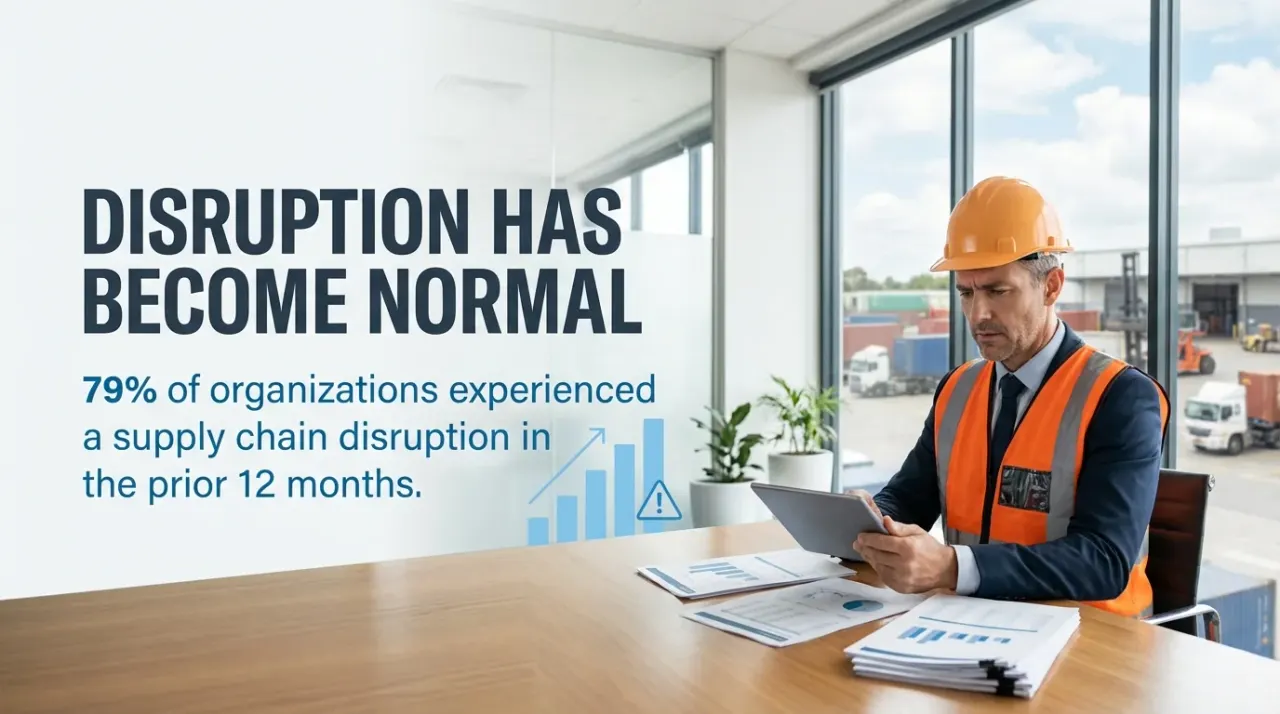
MAEZ legacy graphic: gemini statistic 79 of organizations experienced a supply chain dis 1767871702505
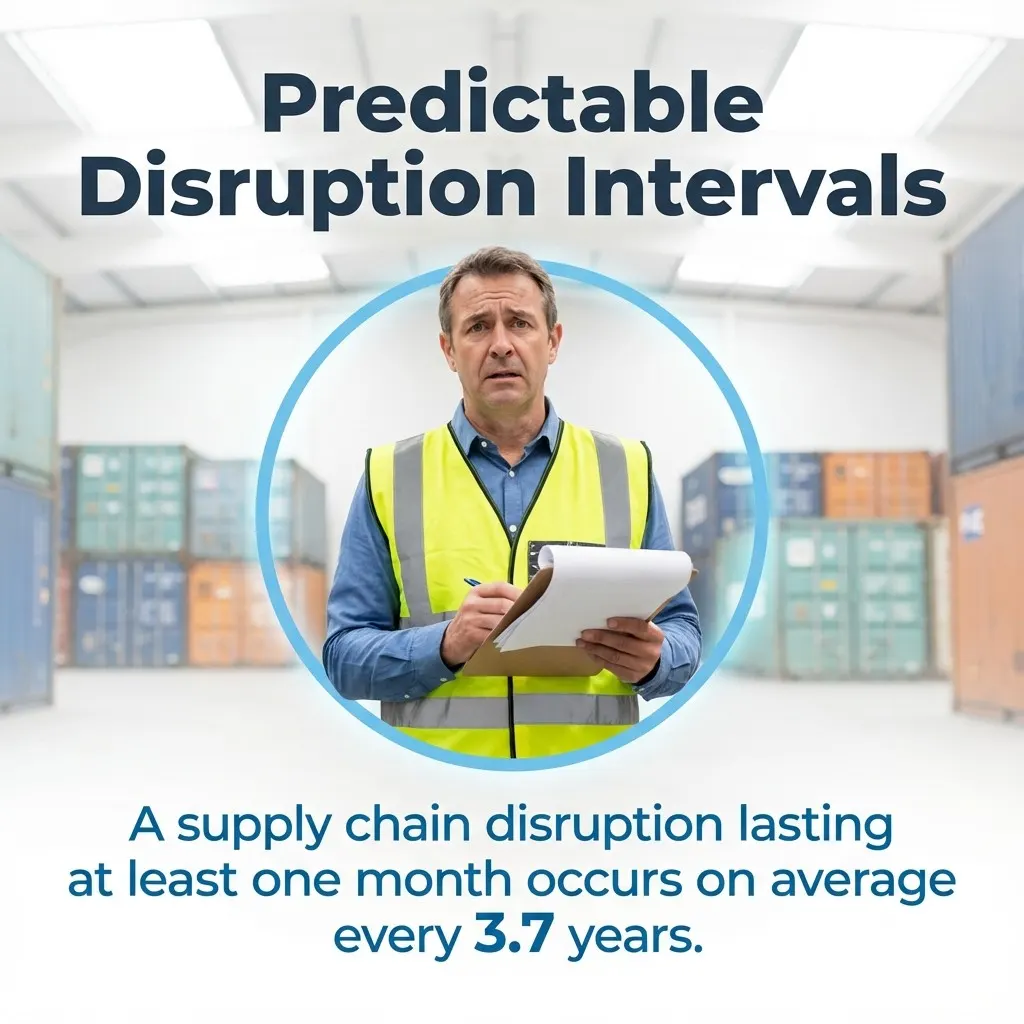
MAEZ legacy graphic: gemini statistic a supply chain disruption lasting at least one mon 1767871818272
MAEZ legacy graphic: gemini statistic 94 of fortune 1000 companies saw supply chain disr 1767871949535
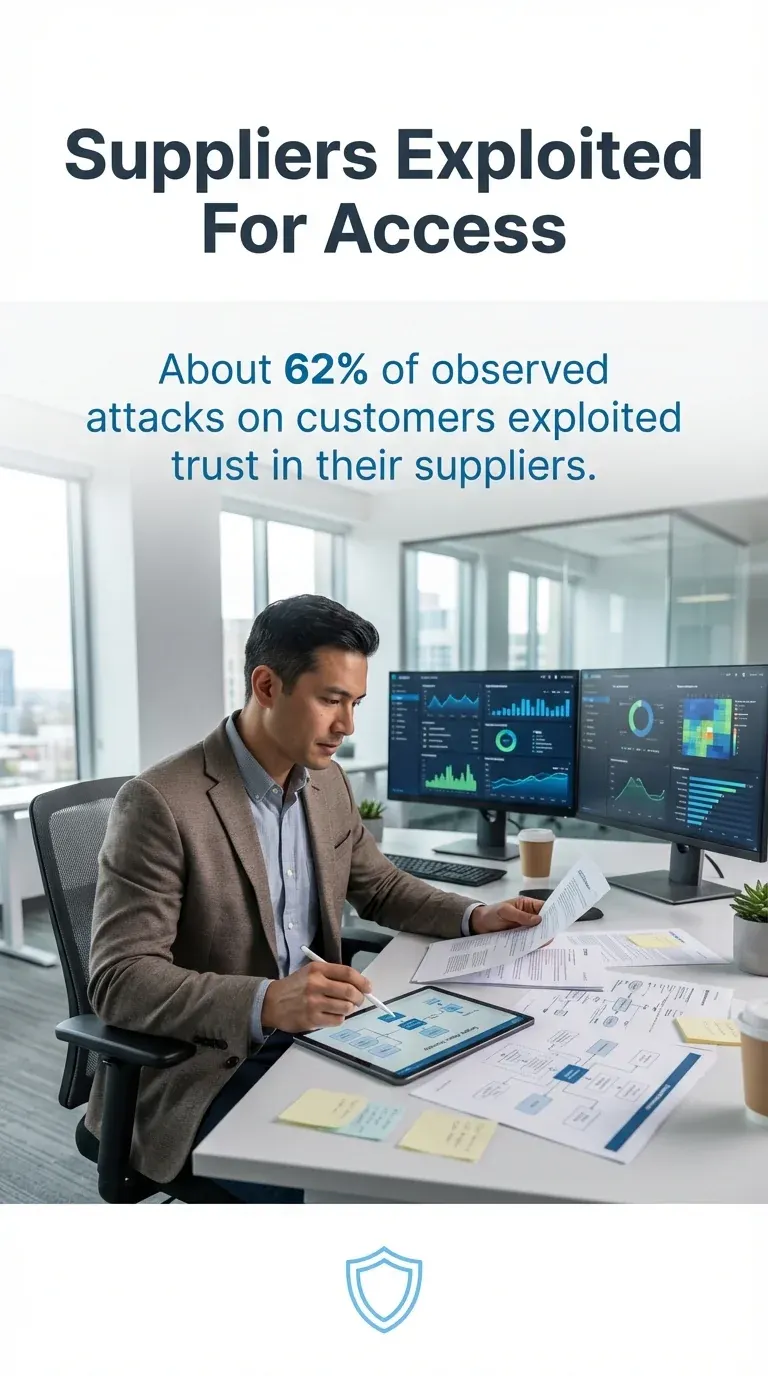
MAEZ legacy graphic: gemini statistic about 62 of observed attacks on customers exploite 1767872066538
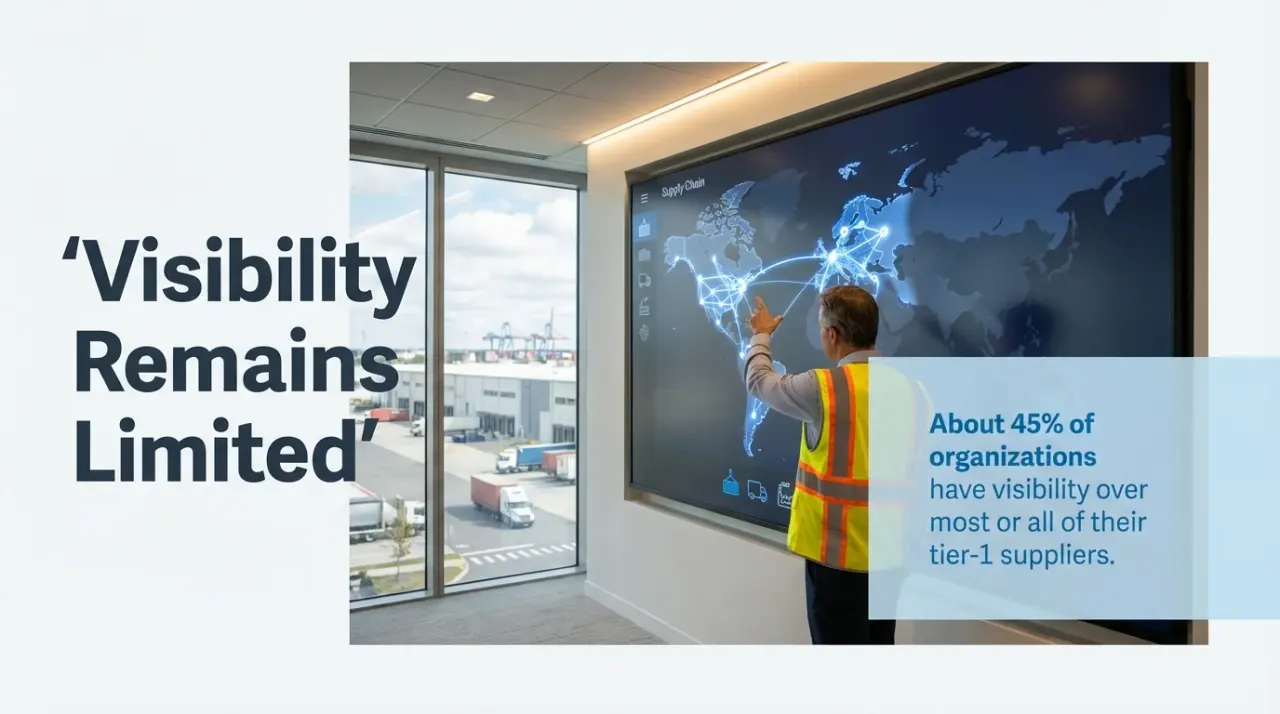
MAEZ legacy graphic: gemini statistic about 45 of organizations have visibility over mos 1767872154480

Top Strategies for Effective Supply Chain Risk Management

Supply chain risk management demands more than checking boxes. It requires systematic identification, assessment, and mitigation of threats across your entire supplier network. The most effective approach combines supplier visibility mapping with continuous monitoring, risk-based segmentation, and robust cybersecurity controls. Organizations that implement these strategies reduce disruption frequency, protect revenue streams, and maintain operational continuity even when external threats emerge. Risk exposure has intensified across global supply networks. 79% of organizations experienced a supply chain disruption in the prior 12 months , demonstrating the widespread nature of these challenges. Disruption has become the norm: 79% of organizations faced a supply chain disruption in the last 12 months. The financial and operational consequences extend beyond immediate production delays. A supply chain disruption lasting at least one month occurs on average every 3.7 years , creating predictable intervals where businesses face significant operational strain. Expect recurring shocks: major disruptions of a month or more occur roughly every 3.7 years on average. This guide walks through proven strategies that address both traditional operational risks and emerging cyber threats. You’ll learn how to establish supplier visibility, implement monitoring systems, and build resilience into your supply chain operations. What Supply Chain Risk Management Actually Involves Supply chain risk management (SCRM) systematically identifies, evaluates, and addresses potential disruptions across your supplier ecosystem. This discipline extends beyond simple vendor selection to encompass ongoing assessment of financial stability, operational capacity, compliance adherence, and security posture. The scope covers both internal operations and external dependencies. Internal risks include production capacity constraints, quality control failures, and workforce availability. External risks encompass supplier financial instability, geopolitical disruptions, natural disasters, and cybersecurity vulnerabilities. Effective SCRM requires clear accountability structures. Risk managers coordinate with procurement, operations, legal, and information security teams to maintain visibility across the entire supply network. This cross-functional approach ensures that risk identification happens at multiple touchpoints throughout supplier relationships. The Four Primary Risk Categories Supply chain risks typically fall into four broad categories that help organizations structure their assessment frameworks. Risk Category Primary Concerns Assessment Focus Operational Risk Production delays, quality issues, capacity constraints Manufacturing capabilities, logistics networks, inventory management Financial Risk Supplier bankruptcy, payment defaults, currency fluctuations Financial health metrics, credit ratings, payment terms Compliance Risk Regulatory violations, contractual breaches, certification lapses Regulatory adherence, audit results, certification status Cybersecurity Risk Data breaches, malware infections, system compromises Security controls, incident history, access management Each category requires distinct assessment methodologies and mitigation strategies. Organizations often discover that a single supplier presents risks across multiple categories, requiring coordinated response efforts. Why Traditional Approaches Fall Short Point-in-time assessments create dangerous blind spots. Annual audits capture supplier status at a single moment, missing the continuous evolution of risk factors throughout the year. Siloed risk management compounds the problem. When procurement evaluates suppliers separately from information security teams, critical cybersecurity vulnerabilities remain undetected until incidents occur. Manual tracking methods cannot scale with supplier network complexity. Spreadsheets and email-based processes break down as organizations manage hundreds or thousands of third-party relationships. Why Supply Chain Risk Management Demands Immediate Attention The frequency and severity of supply chain disruptions have accelerated dramatically. Organizations face mounting pressure from multiple threat vectors simultaneously. The recent global disruptions demonstrated this vulnerability at scale. 94% of Fortune 1000 companies saw supply chain disruptions from COVID-19 , exposing critical dependencies that many organizations hadn’t fully mapped. Systemic vulnerability revealed: 94% of Fortune 1000 companies experienced supply chain disruptions during COVID-19. Cybersecurity threats increasingly target supply chain relationships. About 62% of observed attacks on customers exploited trust in their suppliers , making vendor relationships a primary attack vector for malicious actors. Third-party risk is a prime target: roughly 62% of observed attacks abused trusted supplier relationships. The Evolving Threat Environment Cyber supply chain attacks have become more sophisticated. Adversaries compromise trusted software suppliers to distribute malware through legitimate update mechanisms, reaching thousands of downstream customers simultaneously. Geopolitical instability creates unpredictable disruptions. Companies must prepare for ongoing volatility in trade policy and regulatory decisions , requiring agile response capabilities rather than static risk assessments. Regulatory requirements continue expanding. Organizations face increasing obligations to demonstrate supplier cybersecurity controls, particularly in regulated sectors like defense, finance, and healthcare. The Cost of Inadequate Risk Management Financial impacts extend well beyond immediate disruption costs. Organizations experience revenue loss from production stoppages, emergency procurement expenses at premium pricing, and potential contractual penalties for delivery failures. Reputational damage compounds financial losses. When supplier failures affect customer commitments, organizations damage relationships that took years to build. Regulatory penalties add further burden. Failure to demonstrate adequate supplier oversight can result in fines, particularly when compliance violations occur within the supply chain. Understanding Cyber Supply Chain Risk Management Cyber supply chain risk management (C-SCRM) addresses threats that exploit digital dependencies within supplier relationships. This specialized discipline focuses on information and communications technology components, software supply chains, and data exchange mechanisms. The attack surface extends beyond your direct control. When suppliers access your systems, integrate their software into your operations, or handle your sensitive data, they become potential entry points for cyber adversaries. C-SCRM frameworks like NIST SP 800-161 provide structured approaches for managing these digital risks. These frameworks emphasize continuous assessment rather than periodic audits, recognizing that cyber threats evolve constantly. Key Differences from Traditional SCRM Cyber risks propagate differently than physical supply chain disruptions. A single compromised software component can simultaneously affect thousands of organizations that rely on that supplier. Detection timelines create unique challenges. While physical disruptions become immediately apparent, cyber compromises often remain undetected for months, allowing adversaries to establish persistent access. Remediation complexity exceeds traditional supply chain fixes. Addressing a cybersecurity incident requires coordinated response across multiple organizations, technical forensics, and potential system rebuilds. Regulatory Drivers for C-SCRM Defense contractors face specific requirements through the Cybersecurity Maturity Model Certification (CMMC). This framework mandates documented C-SCRM practices for organizations handling Controlled Unclassified Information. The Defense Federal Acquisition Regulation Supplement (DFARS) clause 252.204-7012 requires contractors to implement NIST SP 800-171 controls, many of which address supply chain cybersecurity. Financial institutions must demonstrate supplier cybersecurity oversight to satisfy regulatory examinations. Regulators increasingly scrutinize how organizations manage cyber risks within their third-party relationships. Establish Supplier Visibility and Relationship Mapping Effective risk management starts with knowing exactly which suppliers support your operations. This foundational step reveals dependencies that might otherwise remain hidden until disruptions occur. Supplier visibility remains surprisingly limited across many organizations. About 45% of organizations have visibility over most or all of their tier-1 suppliers , leaving significant blind spots in their supply networks. Visibility gap: only about 45% of organizations report strong visibility into most or all tier-1 suppliers. Comprehensive mapping extends beyond direct suppliers to include sub-tier relationships. Your direct supplier might depend on critical sub-suppliers whose failure would cascade through the supply chain to affect your operations. Building Your Supplier Inventory Start by consolidating supplier data from multiple systems. Procurement databases, accounts payable records, and contract management systems often contain different subsets of your complete supplier network. Categorize suppliers by their role in your operations. Distinguish between suppliers who provide critical components, those offering commodity items, and service providers supporting business operations. Document the scope of each supplier relationship. Identify what products or services they provide, which business units depend on them, and whether alternative sources exist. Mapping Dependencies and Single Points of Failure Identify suppliers for whom no immediate alternative exists. These single-source dependencies represent your highest risk concentration. Trace sub-tier relationships for critical suppliers. Request supplier lists from your direct suppliers to understand dependencies that exist beyond your immediate contracts. Map geographic concentration within your supplier base. If multiple critical suppliers operate in the same region, a single natural disaster or geopolitical event could disrupt multiple supply streams simultaneously. Maintaining Current Supplier Data Establish processes for updating supplier information regularly. Supplier ownership changes, facility relocations, and capability expansions all affect your risk profile. Create feedback mechanisms from operations teams. The people managing day-to-day supplier relationships often notice changes before they appear in formal systems. Integrate supplier mapping with your procurement workflows. When new suppliers enter your network, ensure they immediately get added to your risk management processes. Implement Risk-Based Supplier Assessment and Tiering Not all suppliers present equal risk. Strategic approaches segment suppliers based on their potential impact, allowing you to allocate assessment resources effectively. Risk-based segmentation is becoming standard practice. 60% of organizations will use risk-based segmentation in their supply chains by 2025 , recognizing that treating all suppliers identically wastes resources while missing critical risks. The tiering process evaluates suppliers across multiple dimensions simultaneously. Impact potential, likelihood of disruption, and existing control maturity all factor into tier placement. Defining Your Tier Structure Most organizations use three to five tiers. A common model includes critical suppliers requiring intensive oversight, important suppliers needing regular assessment, and low-risk suppliers receiving basic due diligence. Define specific criteria for each tier. Critical tier might include suppliers handling sensitive data, providing sole-source components, or supporting time-sensitive operations. Document the assessment frequency and depth for each tier. Critical suppliers might undergo quarterly assessments with on-site audits, while low-risk suppliers receive annual questionnaire reviews. Conducting Initial Risk Assessments Develop standardized assessment questionnaires tailored to supplier types. Software vendors require different questions than logistics providers or manufacturing suppliers. Focus assessments on verifiable controls rather than aspirational policies. Request evidence of implemented security measures, recent audit results, and incident response capabilities. Evaluate financial stability alongside operational and security factors. A supplier’s strong cybersecurity posture matters little if financial distress forces business closure. Applying Assessment Results Translate assessment findings into risk scores or ratings. Quantitative scoring enables comparison across suppliers and tracking of risk trends over time. Establish risk thresholds that trigger action. Define what score or rating level requires remediation plans, contract renegotiation, or supplier replacement. Create remediation workflows for identified gaps. Work collaboratively with suppliers to address deficiencies rather than immediately terminating relationships. Re-Tiering Based on Changes Review tier assignments periodically. Suppliers can move between tiers as their role in your operations changes or their risk profile evolves. Trigger immediate re-assessment when significant events occur. Supplier ownership changes, major security incidents, or regulatory violations all warrant prompt re-evaluation. Consider business relationship changes in tiering decisions. A supplier handling increasingly sensitive data or supporting expanded operations may require elevation to a higher tier. Deploy Continuous Monitoring and Real-Time Analytics Point-in-time assessments capture supplier risk at a single moment. Continuous monitoring reveals changes as they occur, enabling proactive response before disruptions materialize. Modern monitoring approaches leverage multiple data sources simultaneously. Financial indicators, cybersecurity threat intelligence, regulatory compliance status, and operational performance metrics all feed into ongoing risk evaluation. Automation enables monitoring at scale. Organizations managing hundreds or thousands of supplier relationships cannot rely on manual tracking to detect emerging risks across their entire network. Establishing Monitoring Parameters Define which risk indicators warrant continuous tracking. Financial health metrics, security incident reports, regulatory sanctions, and operational performance data typically form the core monitoring set. Set thresholds that trigger alerts. Determine what level of change in monitored indicators requires immediate attention versus routine review. Calibrate alert sensitivity to avoid overwhelming risk teams. Excessive false positives lead to alert fatigue, causing teams to miss genuine threats. Financial Health Monitoring Track supplier credit ratings and payment behaviors. Deteriorating credit ratings or payment delinquencies often precede more serious financial distress. Monitor for bankruptcy filings or restructuring announcements. Early warning enables you to secure alternative sources before supply interruptions occur. Review public financial statements for concerning trends. Declining revenue, shrinking margins, or increasing debt loads all signal potential instability. Cybersecurity Threat Intelligence Integration Subscribe to threat intelligence feeds covering your supplier base. These services alert you when suppliers appear in breach databases or security researcher reports. Monitor for vulnerability disclosures affecting supplier products. When suppliers use vulnerable software components, you need visibility to assess your exposure. Track supplier security incidents and response quality. How suppliers handle security events reveals their security maturity and incident response capabilities. Operational Performance Tracking Monitor delivery performance and quality metrics continuously. Declining on-time delivery rates or increasing defect rates often signal operational stress. Track supplier capacity utilization. Suppliers operating near capacity limits have reduced flexibility to handle demand surges or recover from disruptions. Review production facility locations against emerging threats. Natural disaster warnings, political instability, or infrastructure failures in supplier regions all represent emerging risks. Regulatory and Compliance Monitoring Track regulatory sanctions and enforcement actions. Suppliers facing regulatory scrutiny may experience operational constraints or reputational damage. Monitor certification status for required standards. Lapsed certifications might indicate resource constraints or declining commitment to quality. Review audit results when suppliers share them. Independent audits provide validated assessments of supplier controls and compliance. Integrate Third-Party Risk into Incident Response Incident response planning must account for supplier-originated threats. Many organizations maintain robust internal incident response capabilities but lack processes for supplier-related incidents. Supplier incidents require coordinated response across organizational boundaries. You need established communication channels, clear escalation paths, and predefined roles before incidents occur. Response speed matters significantly. Delayed supplier incident detection or slow coordinated response extends impact duration and increases damage. Developing Supplier Incident Response Playbooks Create specific playbooks for common supplier incident scenarios. A compromised software supplier requires different response actions than a manufacturer experiencing production disruption. Define communication protocols with suppliers. Establish who contacts whom, through what channels, and with what information during incident response. Document internal escalation paths for supplier incidents. Specify when supplier issues require executive notification, legal involvement, or customer communication. Establishing Supplier Notification Requirements Define contractual obligations for supplier incident notification. Specify timeframes for notification, required information detail, and ongoing status updates. Distinguish between incidents requiring immediate notification and those warranting routine reporting. Material security breaches demand immediate escalation, while minor operational issues might flow through regular channels. Create templates for supplier incident reports. Standardized formats ensure you receive consistent, actionable information during time-sensitive situations. Conducting Joint Tabletop Exercises Test supplier incident response through simulated scenarios. Tabletop exercises reveal communication gaps, unclear responsibilities, and procedural weaknesses before real incidents occur. Include critical suppliers in your regular exercise program. The most important supplier relationships warrant periodic joint exercise participation. Document lessons learned and update playbooks accordingly. Each exercise provides opportunities to refine response procedures. Building Supplier Incident Response Capabilities Assess supplier incident response maturity during vendor selection. Suppliers with documented incident response plans and regular testing present lower risk. Provide guidance to suppliers lacking mature capabilities. Sharing your incident response frameworks helps suppliers develop their own capabilities. Consider incident response capability in supplier tiering. Suppliers with strong incident response capabilities might justify lower risk ratings. Strengthen Contractual Controls and Compliance Requirements Contracts form the foundation for enforceable supplier risk management. Well-structured agreements establish clear expectations, enable verification, and provide remedies when suppliers fail to meet obligations. Generic contract terms rarely address specific supply chain risks adequately. Effective contracts incorporate risk-based requirements aligned with supplier tier and relationship scope. Contractual controls only work when you actively enforce them. Regular verification, periodic audits, and consequence application all require dedicated resources and management commitment. Essential Contract Provisions for Risk Management Include specific security and compliance requirements appropriate to supplier tier. Critical suppliers need detailed security control specifications, audit rights, and incident notification obligations. Define performance standards with measurable criteria. Vague requirements like “maintain adequate security” provide no enforcement basis. Specific standards enable objective evaluation. Establish audit and assessment rights. Reserve your right to audit supplier controls, review documentation, and conduct on-site inspections. Incident Response and Breach Notification Clauses Specify notification timeframes for security incidents. Rapid notification enables faster response and limits damage propagation. Define what constitutes a reportable incident. Clear definitions prevent disputes about notification obligations during actual incidents. Establish supplier cooperation requirements during incident response. Ensure contracts grant you necessary access and information during time-sensitive response activities. Right-to-Audit and Verification Mechanisms Structure audit rights to match supplier risk tier. Critical suppliers might require annual audits with shorter notice periods, while lower-tier suppliers accept questionnaire-based assessments. Define audit scope and supplier cooperation requirements. Specify what systems, documentation, and facilities auditors can access. Address audit cost allocation. Determine whether you bear all audit costs or whether suppliers found non-compliant reimburse audit expenses. Consequences for Non-Compliance Establish remediation requirements and timeframes. When assessments identify gaps, contracts should specify how quickly suppliers must address deficiencies. Define material breach criteria. Serious security failures or compliance violations might justify immediate contract termination. Include financial consequences for non-compliance. Service level agreements with financial penalties create incentives for maintaining agreed standards. Supply Chain Security Standards References Incorporate recognized frameworks by reference. Requiring compliance with NIST SP 800-171 provides clear, detailed security requirements without drafting custom specifications. Specify which framework version applies. Security standards evolve, and contracts should clarify which version governs supplier obligations. Address framework update procedures. Define how you’ll handle framework revisions during long-term supplier relationships. Building Resilience Through Strategic Supplier Diversification Single-source dependencies create concentrated risk. Strategic diversification distributes risk across multiple suppliers, reducing the impact of individual supplier failures. Diversification strategies extend beyond simple multi-sourcing. Geographic distribution, supplier size variety, and capability redundancy all contribute to supply chain resilience. Balancing efficiency and resilience requires deliberate choices. Maximum efficiency often demands supplier consolidation, while maximum resilience requires greater supplier diversity. Organizations must find appropriate balance points. Identifying Critical Single Points of Failure Review your supplier mapping to identify sole-source relationships. Prioritize diversification efforts where single supplier failure would halt operations. Assess feasibility of dual-sourcing for critical components. Some specialized products or services might limit diversification options. Consider sub-tier dependencies when evaluating single points of failure. Your direct suppliers might all depend on the same sub-tier supplier, creating hidden concentration. Geographic Diversification Strategies Evaluate geographic concentration across your supplier base. Clustering suppliers in single regions exposes you to localized disruptions. Recent shifts demonstrate this principle’s relevance. U.S. manufacturing imports from 14 traditional low-cost Asian countries declined for the third consecutive year , reflecting deliberate geographic diversification efforts. Balance cost efficiency with geographic diversity. Nearshore sourcing often costs more than offshore alternatives but reduces geographic concentration and transportation vulnerabilities. Supplier Size and Capability Diversity Mix large, established suppliers with smaller specialized providers. Large suppliers offer stability and scale, while smaller suppliers provide flexibility and specialized capabilities. Assess financial correlation across suppliers. Multiple suppliers facing similar market pressures might experience financial distress simultaneously. Consider technological diversity in supplier base. Suppliers using different production technologies or systems reduce common-mode failure risks. Maintaining Qualified Backup Suppliers Develop and maintain relationships with alternate suppliers even when not actively used. Switching suppliers during crises proves difficult without pre-established relationships. Allocate small production volumes to backup suppliers. Regular orders maintain supplier capability and relationship strength. Document qualification requirements for rapid supplier activation. Clear criteria enable quick decisions about activating backup suppliers during disruptions. Quick Answers to Common Supply Chain Risk Questions What are the four types of risk in supply chain management? Supply chain risks group into operational risks (production delays, quality issues, capacity constraints), financial risks (supplier bankruptcy, payment defaults), compliance risks (regulatory violations, contractual breaches), and cybersecurity risks (data breaches, malware infections, system compromises). Each category requires distinct assessment methodologies and mitigation strategies. What are the five basic principles used to manage risk? Risk management follows five core principles: identify risk sources systematically, assess probability and potential consequences, prioritize risks based on severity and likelihood, implement mitigation strategies for high-priority risks, and continuously monitor effectiveness. These principles apply across enterprise risk management and supply chain contexts. What are the 5 C’s of supply chain management? No standardized “5 C’s” framework exists in authoritative supply chain literature. Various consultants propose different lists, but these aren’t formally recognized. Focus instead on established concepts like integration, visibility, agility, and risk management found in academic and professional references. Moving from Assessment to Action Supply chain risk management succeeds through consistent execution rather than perfect planning. Start with supplier visibility and assessment, then build monitoring and response capabilities progressively. Focus initial efforts on your highest-risk suppliers. Critical tier suppliers warrant immediate attention, even if that means delaying assessment of lower-risk relationships. Build cross-functional collaboration from the start. Procurement, operations, information security, and legal teams all contribute essential perspectives. Establish regular coordination mechanisms rather than episodic consultation. Document your processes as you develop them. Written procedures enable consistency as your program matures and additional staff join risk management activities. Review and refine your approach quarterly. Supply chain risk management practices evolve alongside threat environments and organizational needs. Regular program review identifies improvement opportunities. Begin your supplier visibility mapping this week. Consolidate supplier data from procurement, accounts payable, and contract management systems. Identify which suppliers support critical operations and which present single points of failure. This foundation enables every subsequent risk management activity.

How this connects to MAEZ now

MAEZ helps Australian businesses turn Chain of Responsibility, HVNL, WHS, transport safety, and chartered risk obligations into practical training, advisory, audit, and implementation pathways. Where software is the right next step, CoRGuard at chainresponsibility.au supports the evidence workflow.

Operational message set

Find the gaps. Fix the system. Prove the controls.

MAEZ helps transport operators deal with the compliance risk they already know is there. We help get the Safety Management System in order, protect NHVAS accreditation, reduce fine exposure, and connect training, evidence, and CoRGuard workflows where software is needed.

Find

Identify what is exposed before an auditor or regulator does.

Fix

Build the SMS controls around how the transport business actually runs.

Prove

Use CoRGuard where records, reminders, diaries, audits, and evidence need structure.

Evidence path

From MAEZ advice to a working Safety Management System

Advisory work should leave a practical implementation trail. These examples show how CoRGuard supports records, fatigue and driver diary checks, maintenance, audits, document control, inductions, corrective actions, and evidence review after MAEZ identifies the gaps.
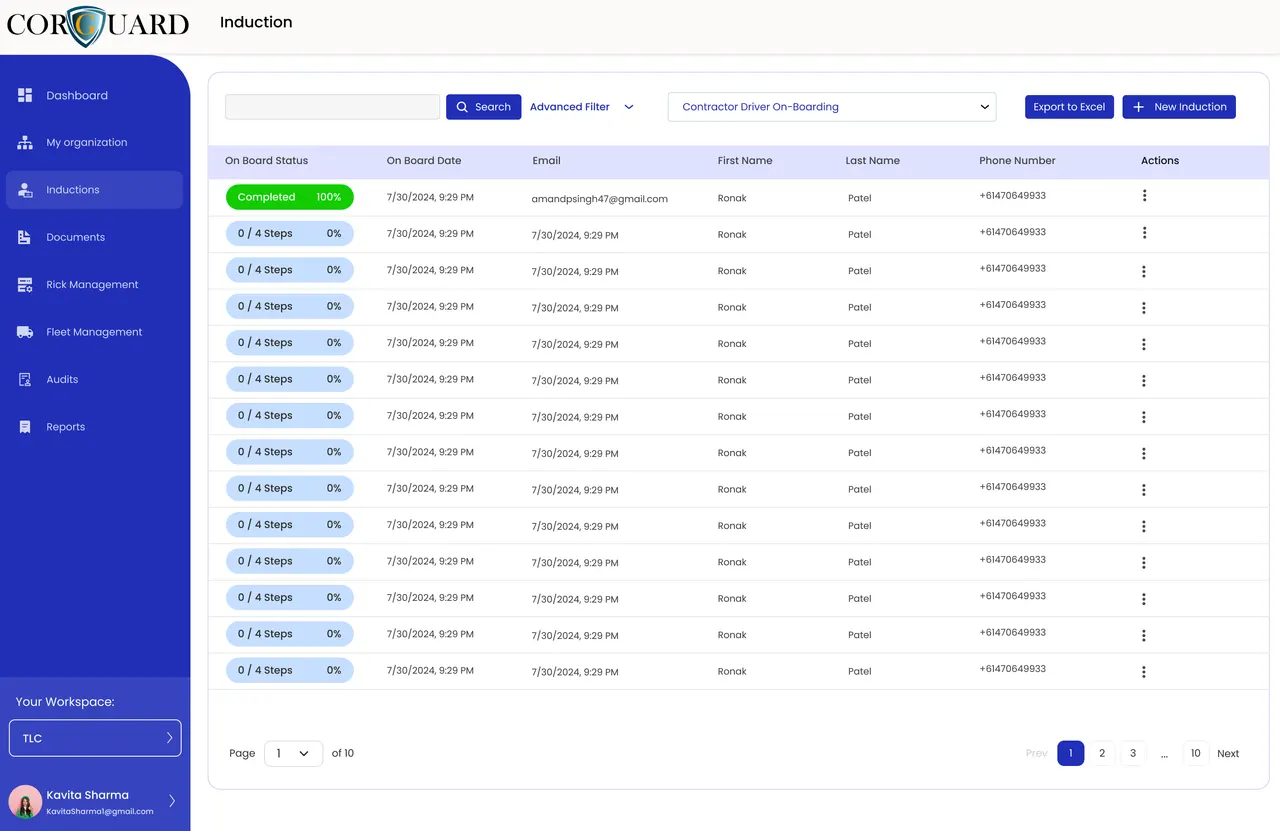
CoRGuard induction completion records for Safety Management System evidence

Training records

Connect training completion from cortraining.com.au to evidence and follow-up.
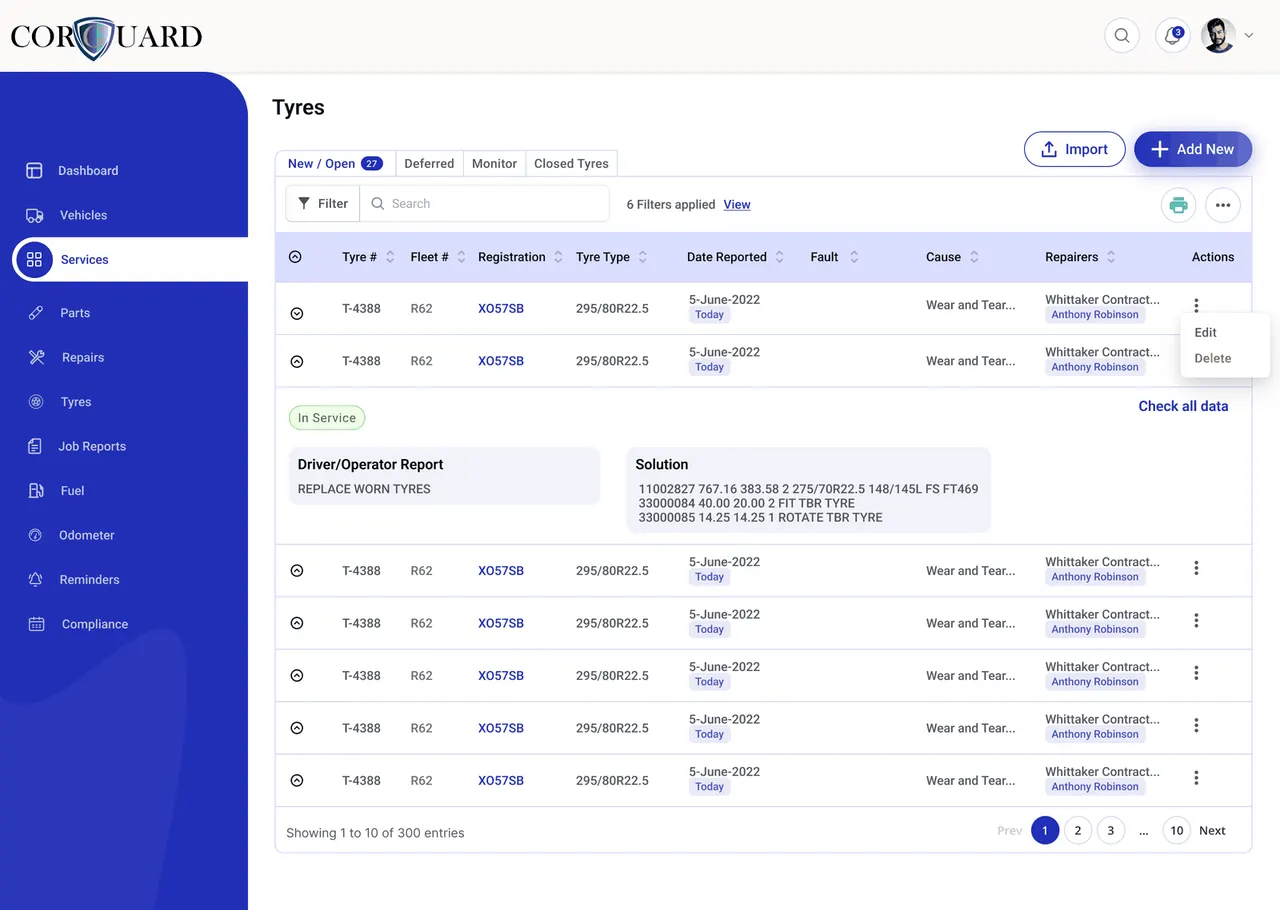
CoRGuard driver work diary trips register for fatigue review

Driver diary checks

Connect fatigue and driver diary review back to manager visibility.
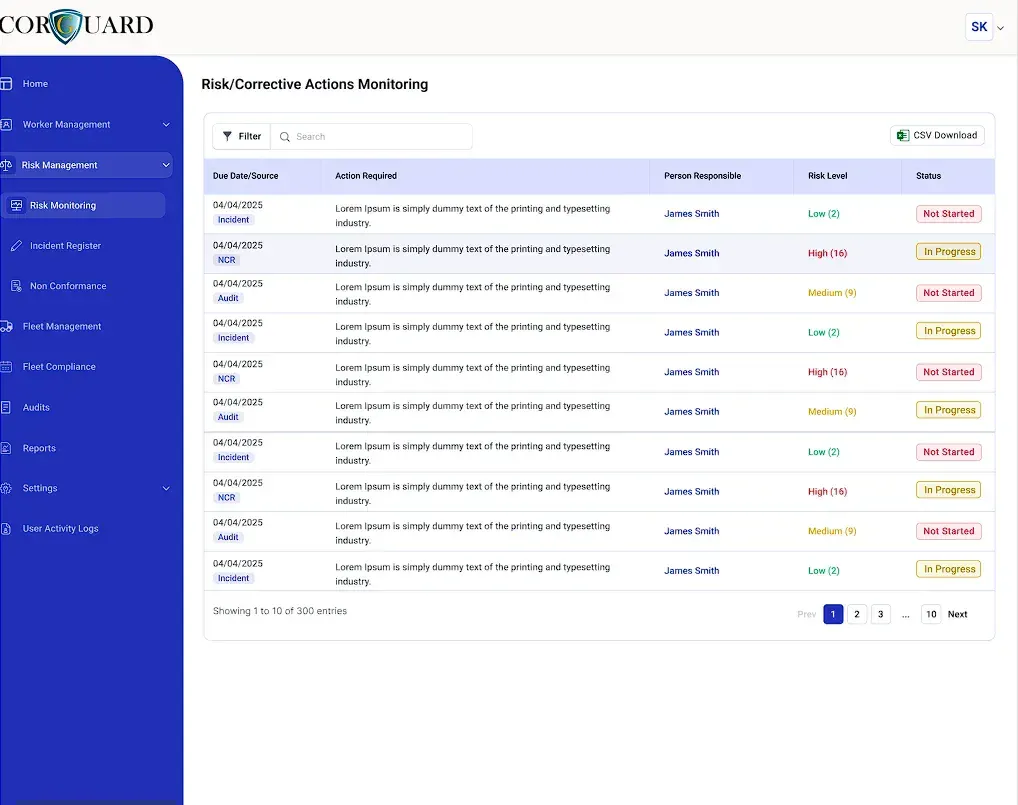
CoRGuard corrective action monitoring dashboard

Corrective actions

Turn audit findings, hazards and incidents into tracked actions.

Frequently asked questions

Questions people ask about this topic

What is the purpose of Top Strategies for Effective Supply Chain Risk Management?

Discover the best practices in supply chain risk management to mitigate threats and ensure operational continuity. Keep disruptions at bay effectively.

Who should read this page?

This page is useful for owner-operators, transport managers, executives, consignors, consignees, loaders, schedulers, contractors, and anyone who influences a heavy vehicle transport task.

What does MAEZ help transport businesses fix?

MAEZ helps Australian transport and supply-chain businesses identify Chain of Responsibility, HVNL, WHS, NHVAS, training, audit, document-control, and Safety Management System gaps, then turn those gaps into practical controls and evidence.

Is Chain of Responsibility training handled on this website?

MAEZ provides the advisory and risk pathway, but Chain of Responsibility training is delivered through cortraining.com.au. Where software is needed, CoRGuard supports the Safety Management System evidence workflow.

How does CoRGuard fit with MAEZ consulting?

MAEZ helps define the risk, obligations, controls, and implementation pathway. CoRGuard is the SaaS Safety Management System platform used when the business needs structured records, reminders, audits, maintenance, driver diary checks, inductions, corrective actions, and evidence reporting.