
MAEZ insight
$60,000 Fatigue Breach: Extended Liability Under the HVNL
A practical look at how fatigue breaches under the Heavy Vehicle National Law trigger extended liability for owners and influencing persons, and what transport operators can do to close the gaps.
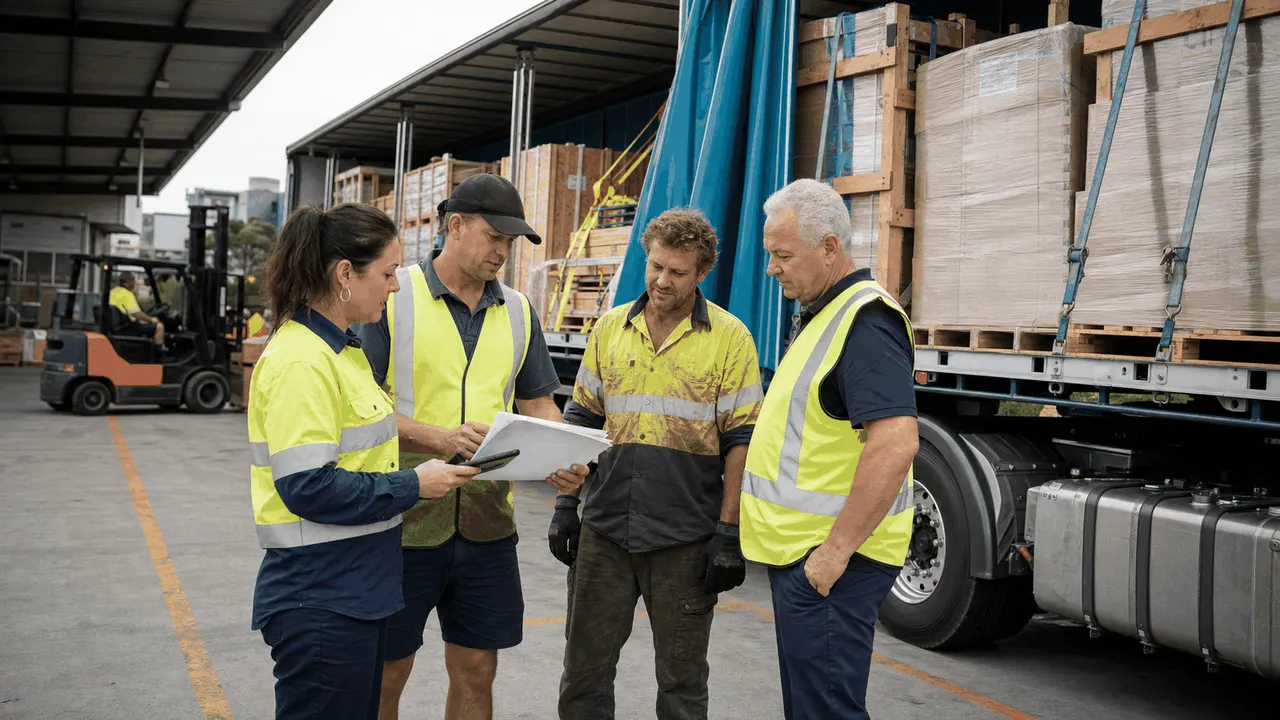
Loading controls need evidence, not assumptions.
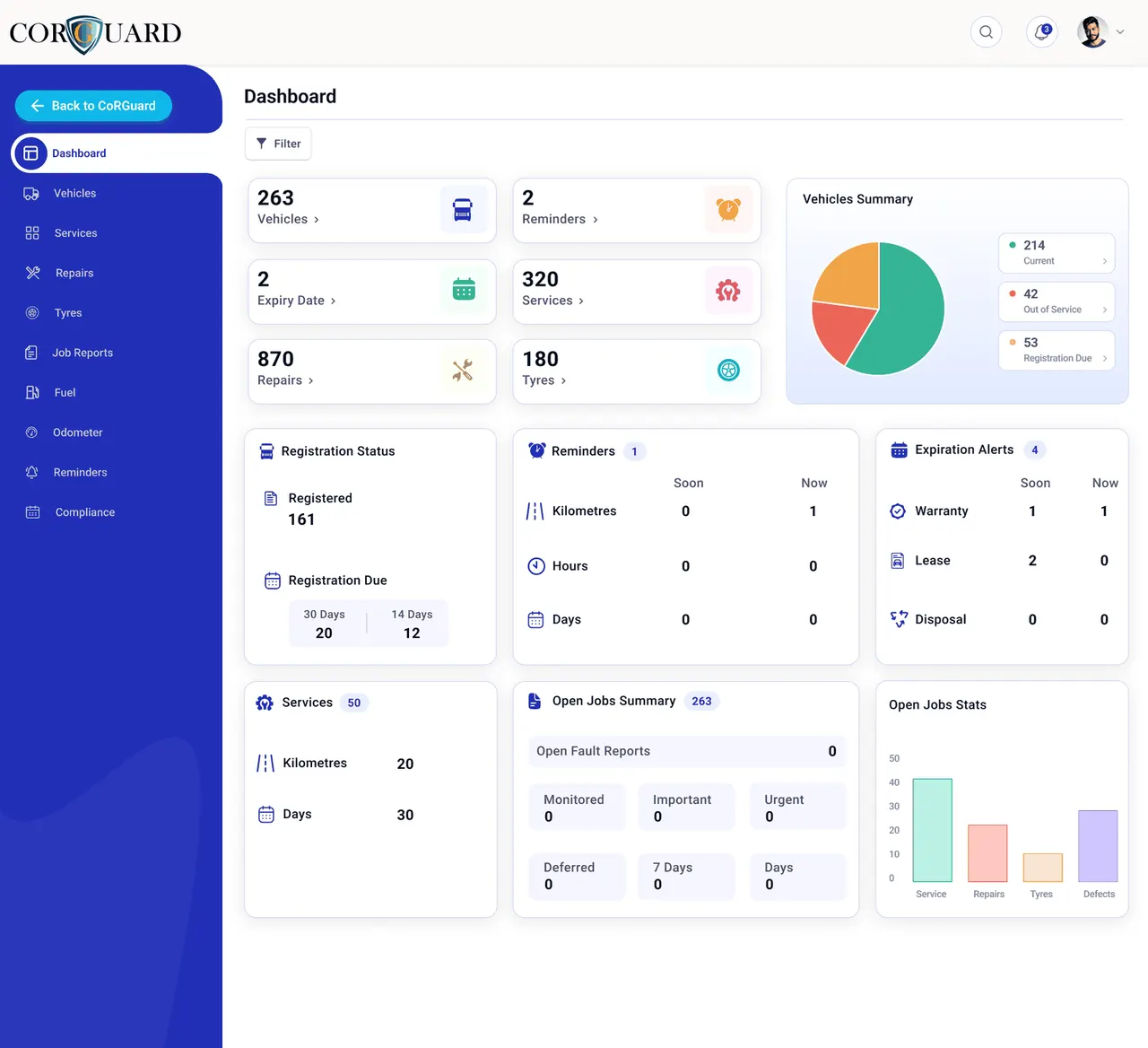
Daily fleet activity has to connect back to duties, controls, and review.

Due diligence means knowing whether the safety system is actually working.

Proof that freight promises do not create unsafe transport pressure.
Consignors
Freight terms, delivery windows, and KPIs must not push drivers into speed, fatigue, or mass breaches.
Consignees
Receiving rules, site access, and unloading delays are CoR controls that need to be set and evidenced.
Loaders
Mass, dimension, and load restraint decisions need documented checks, not assumptions.
Managers
Executives and managers need due-diligence evidence that the Safety Management System is actually working.
What happened in the $60,000 fatigue breach case?
A Queensland prosecution that exposed systemic fatigue failures
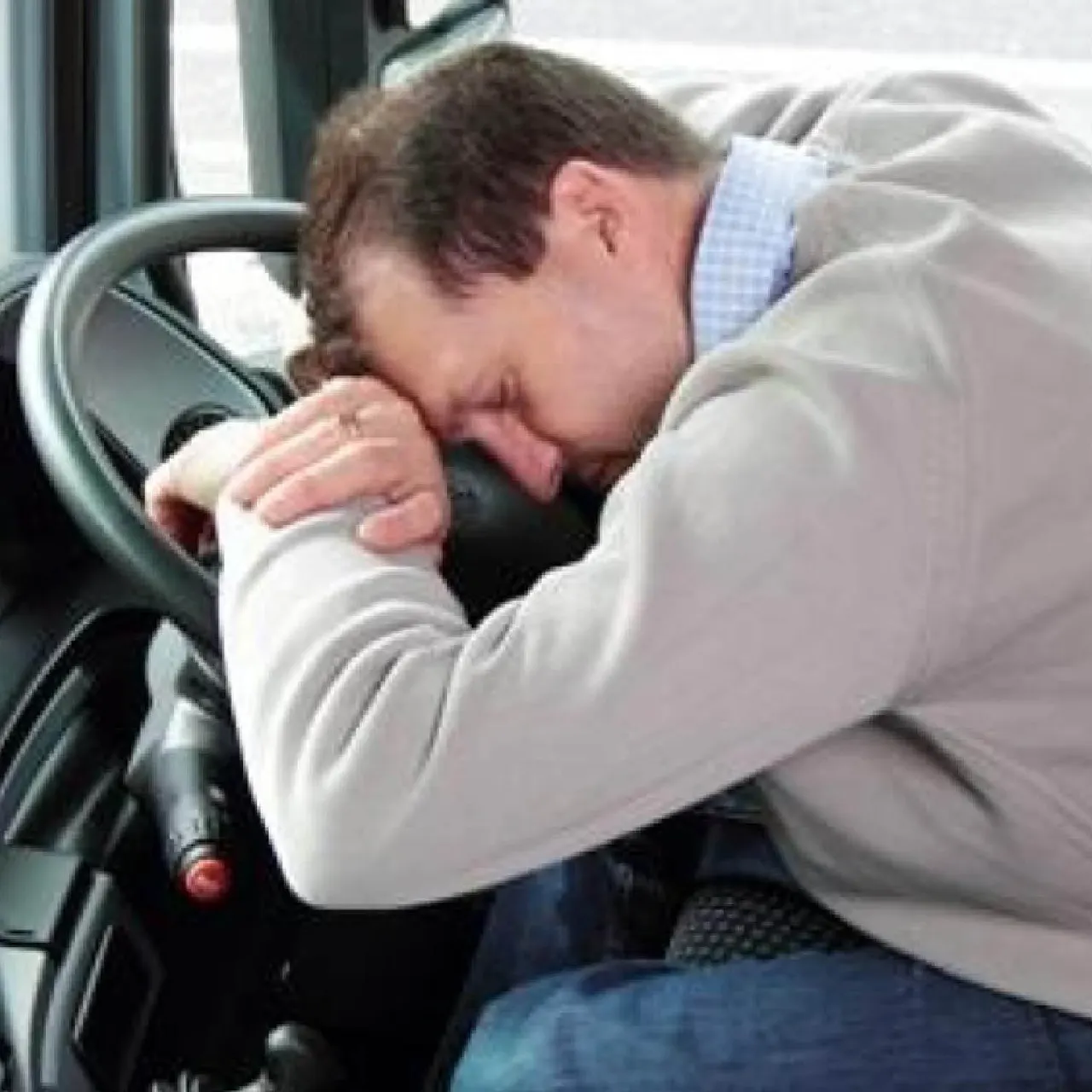
A $60,000 fine for a transport company and convictions for two drivers show how fatigue breaches under the Heavy Vehicle National Law (HVNL) trigger extended liability for owners and influencing persons — not just the driver behind the wheel. When a business has the tools to detect breaches but fails to act, every party with control or influence can be held responsible.
In Department of Transport and Main Roads (Qld) v Anonymous Transport Co., two drivers employed by a transport company breached their fatigue hours 22 times and 14 times respectively. The trucks they drove were fitted with GPS tracking equipment, which meant the company had the means to detect the breaches but failed to act on it.
The magistrate noted that it was clear the company failed to do everything reasonably practicable to prevent these breaches. Both drivers were also convicted and fined $14,000 and $6,000 respectively for the fatigue offences.
The company name cannot be published due to the outcome of the decision. For the purposes of learning from these events, the name is irrelevant — the lessons are what matter.
How does extended liability work under the HVNL?
Owners and influencing persons can be taken to have committed the same offence as the driver
Under the Heavy Vehicle National Law (HVNL), an extended liability offence means an offence committed by the person in control of a fatigue-regulated heavy vehicle because there has been a contravention of a fatigue management requirement in relation to that vehicle.
An influencing person means the owner of the heavy vehicle, or a person other than the owner or registered operator who controls or directly influences the operation of the heavy vehicle.
The key principle
If the person in control of a heavy vehicle commits an extended liability offence, each influencing person is also taken to have committed the offence.
In the $60,000 case, the person in control was each driver, the owner of the heavy vehicle was the transport company (body corporate), and the person who controls or directly influences the operation was the owner of the transport business.
For more on how these duties apply across the supply chain, see About Chain of Responsibility.
What did the 2015 Queensland case reveal about wilful blindness?
Claiming ignorance of systematic breaches is not a defence
In a separate 2015 court case, the owner of a Queensland transport company was found to have been acting in a way to maximise profit, with little regard for fatigue management legislation. To avoid detection, the owner attempted to maintain plausible deniability through wilful blindness to systematic breaches of the Regulation by drivers.
The court found this was done in order to avoid personal liability.
The takeaway
Claiming ignorance of systematic breaches is not a defence when the business had the systems and visibility to know what was happening. Wilful blindness exposes owners and managers to the same extended liability as if they had committed the offence themselves.
For a deeper look at how a chartered risk lens helps close these gaps, read Using a Chartered Risk Lens to Close Chain of Responsibility Gaps.
Which states can prosecute fatigue breaches under the HVNL?
The National Heavy Vehicle Law applies across most of Australia
Although the Department of Transport and Main Roads (Queensland) prosecuted the Toowoomba-based trucking company for offences between Queensland and NSW, the Heavy Vehicle National Law — widely known in supply-chain circles as Chain of Responsibility — can be used in all states and territories apart from the Northern Territory and Western Australia to prosecute others for fatigue breaches.
Heavy fines apply for those found to have systemic breaches. The legislation does not limit liability to the driver alone; it extends to every party whose influence or control contributed to the breach.
For operators preparing for upcoming legislative changes, see HVNL 2026 Changes and Chain of Responsibility Training Readiness.
What should transport operators take away from these cases?
GPS data, wilful blindness, and extended liability converge on one question
These cases highlight several operational lessons:
- Having technology is not enough. The company had GPS tracking but failed to use the data to prevent fatigue breaches. Evidence of capability without evidence of action can work against you.
- Ignorance is not a defence. Wilful blindness to systematic breaches does not protect owners or managers — it exposes them to extended liability.
- Every influencing person is on the hook. Drivers, owners, schedulers, and anyone who directly influences the transport task can be taken to have committed the offence.
- Systemic breaches attract heavier penalties. Isolated incidents are treated differently from patterns that suggest a culture of non-compliance.
MAEZ helps Australian transport businesses turn Chain of Responsibility obligations into practical controls, evidence, and training pathways so these gaps do not go unaddressed.
How can MAEZ help close fatigue and CoR gaps?
Find the gaps, fix the system, prove the controls
MAEZ helps transport operators deal with the compliance risk they already know is there. We help get the Safety Management System in order, protect NHVAS accreditation, reduce fine exposure, and connect training, evidence, and advisory pathways.
- Find — identify what is exposed before an auditor or regulator does.
- Fix — build SMS controls around how the transport business actually runs.
- Prove — use structured records and reviews to demonstrate the controls are working.
Chain of Responsibility training is delivered through a dedicated training platform, while MAEZ provides the advisory and risk pathway.
For a practical review of the controls, evidence, training, and SMS gaps that matter most to your operation, contact MAEZ.
How MAEZ works
Find the gaps. Fix the system. Prove the controls.
MAEZ helps transport operators deal with the compliance risk they already know is there. We help get the Safety Management System in order, protect NHVAS accreditation, reduce fine exposure, and connect training, evidence, and CoRGuard workflows where software is needed.
Find
Identify what is exposed before an auditor or regulator does.
Fix
Build the SMS controls around how the transport business actually runs.
Prove
Use CoRGuard where records, reminders, diaries, audits, and evidence need structure.
From advice to evidence
From MAEZ advice to a working Safety Management System
Advisory work should leave a practical implementation trail. These examples show how CoRGuard supports records, fatigue and driver diary checks, maintenance, audits, document control, inductions, corrective actions, and evidence review after MAEZ identifies the gaps.
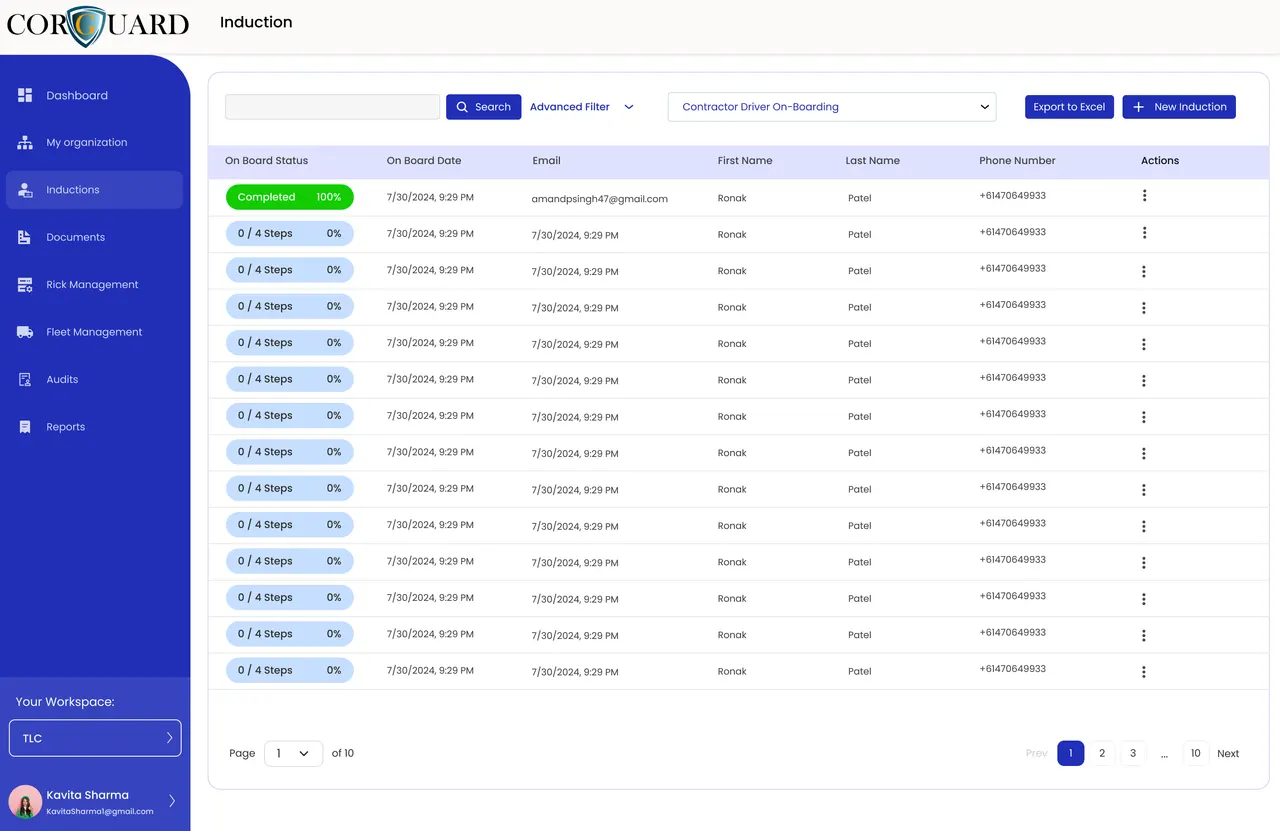
Training records
Connect training completion from cortraining.com.au to evidence and follow-up.
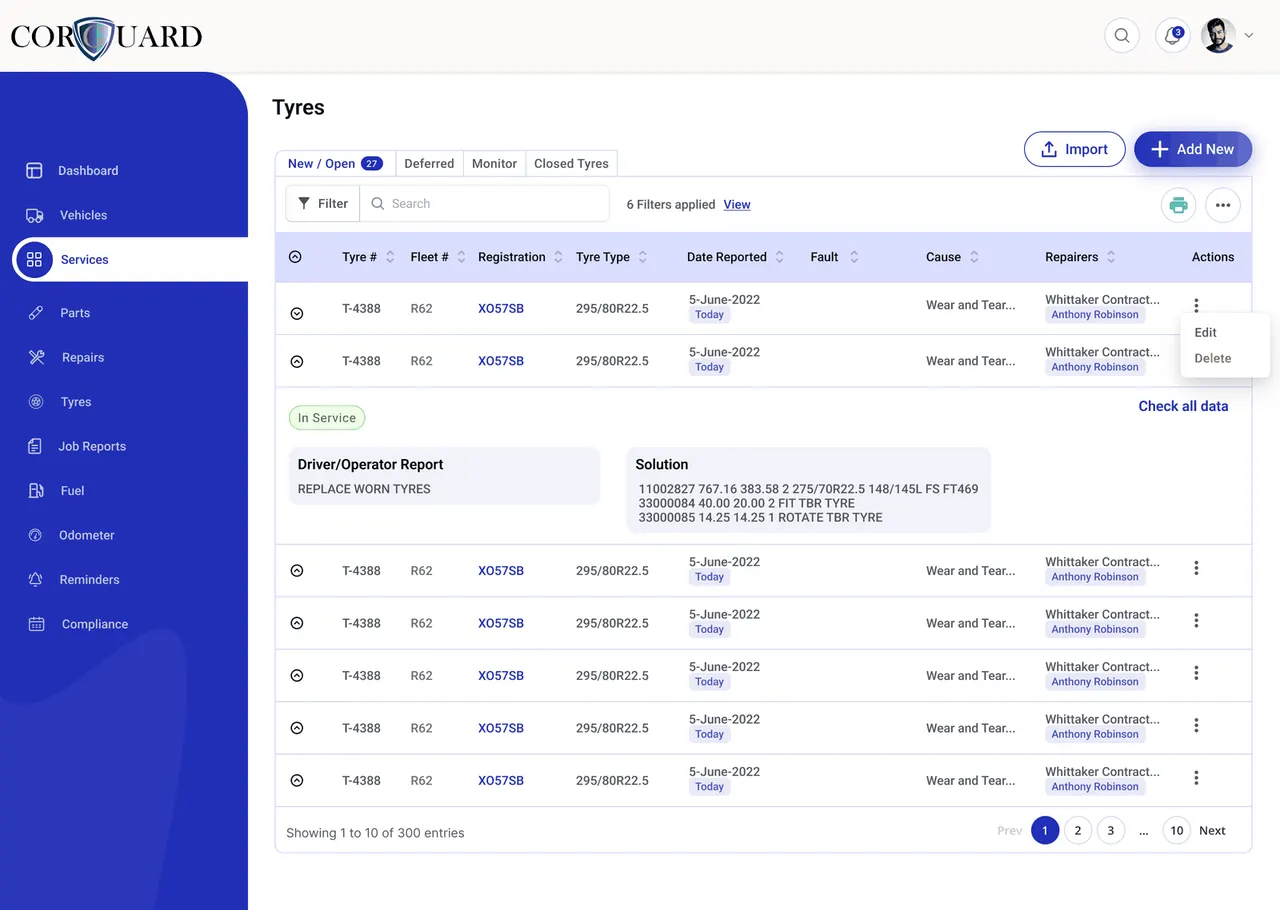
Driver diary checks
Connect fatigue and driver diary review back to manager visibility.
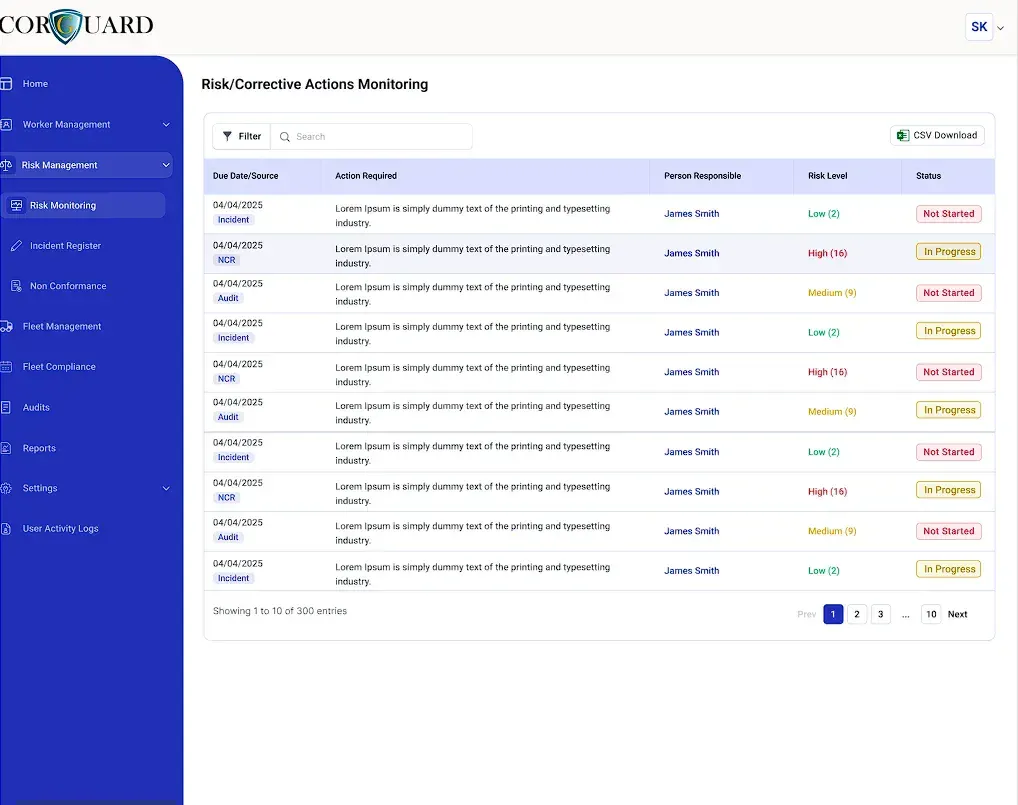
Corrective actions
Turn audit findings, hazards and incidents into tracked actions.
Keep exploring
Related Chain of Responsibility reading
MAEZ insight
How to Implement Chain of Responsibility
A visiting truck sales person injured, resulted in Holcim (Australia) Pty Ltd agreeing to an enforceable undertaking, having a total expenditure of $1,294,100.
MAEZ insight
Fleet Management
How Chain of Responsibility Affects Your Fleet Management Freight transport powers the Australian economy. It not only provides goods for thousands of people daily but also provides job opportunities to many others.
MAEZ insight
The Definitive Guide To Chain Of Responsibility (COR)
The changes in the chain of responsibility laws under Heavy Vehicle National Law (HVNL) were incorporated on 1st October 2018. These laws were aligned with workplace health and safety laws.
MAEZ insight
Penalties for Breaches of Heavy Vehicle National Law
HVNL refers to the Heavy Vehicle National Law, which defines minimum safety standards across the logistics network and significant penalties for the parties responsible for breaches.
MAEZ insight
Eifers Pty Ltd | NHVR Issues Enforceable Undertaking
Over the many years of operation at MAEZ we are continually staggered to find a lack of Mass control at varying types of business. What is interesting is that businesses that drive revenue from Mass related products, for example, Iron Ore, tend to be very specific with its Mass control, where others are not.
MAEZ insight
What Causes Collisions & How can Fleets Prevent Them? Experts Explain
A preventable accident is one in which the driver failed to do everything reasonably possible to avoid it — understanding collision causes is the first step in fleet prevention.
Frequently asked questions
Questions people ask about this topic
What is an extended liability offence under the HVNL?
Under the Heavy Vehicle National Law, an extended liability offence means an offence committed by the person in control of a fatigue-regulated heavy vehicle because there has been a contravention of a fatigue management requirement. Each influencing person — including the owner and anyone who controls or directly influences the operation — is taken to have committed the same offence.
Can a transport company be fined for driver fatigue breaches even if the company did not drive the vehicle?
Yes. In the $60,000 Queensland case, the transport company was fined because it had GPS tracking equipment that could detect the drivers' fatigue breaches but failed to act on the data. The magistrate found the company did not do everything reasonably practicable to prevent the breaches.
Is wilful blindness a defence against fatigue breach liability?
No. A 2015 Queensland court case found that an owner who attempted to maintain plausible deniability through wilful blindness to systematic fatigue breaches was doing so to avoid personal liability. Claiming ignorance is not a defence when the business had the systems and visibility to know what was happening.
Which Australian states can prosecute fatigue breaches under the HVNL?
The Heavy Vehicle National Law can be used to prosecute fatigue breaches in all states and territories apart from the Northern Territory and Western Australia. Liability extends to every party whose influence or control contributed to the breach, not just the driver.
What should transport operators do to reduce fatigue breach exposure?
Operators should actively use available technology such as GPS tracking to detect and prevent fatigue breaches, build SMS controls around real fleet operations, document evidence that controls are working, and ensure all influencing persons understand their Chain of Responsibility duties. Having the tools is not enough — evidence of action is what matters.