
MAEZ insight
Overloaded & Unrestrained: Duty of Care Beyond the HVNL
An overloaded and unrestrained light truck shows how duty of care applies even outside the Heavy Vehicle National Law — and what consignors, operators, and drivers should reasonably check.

Due diligence means knowing whether the safety system is actually working.

Proof that freight promises do not create unsafe transport pressure.
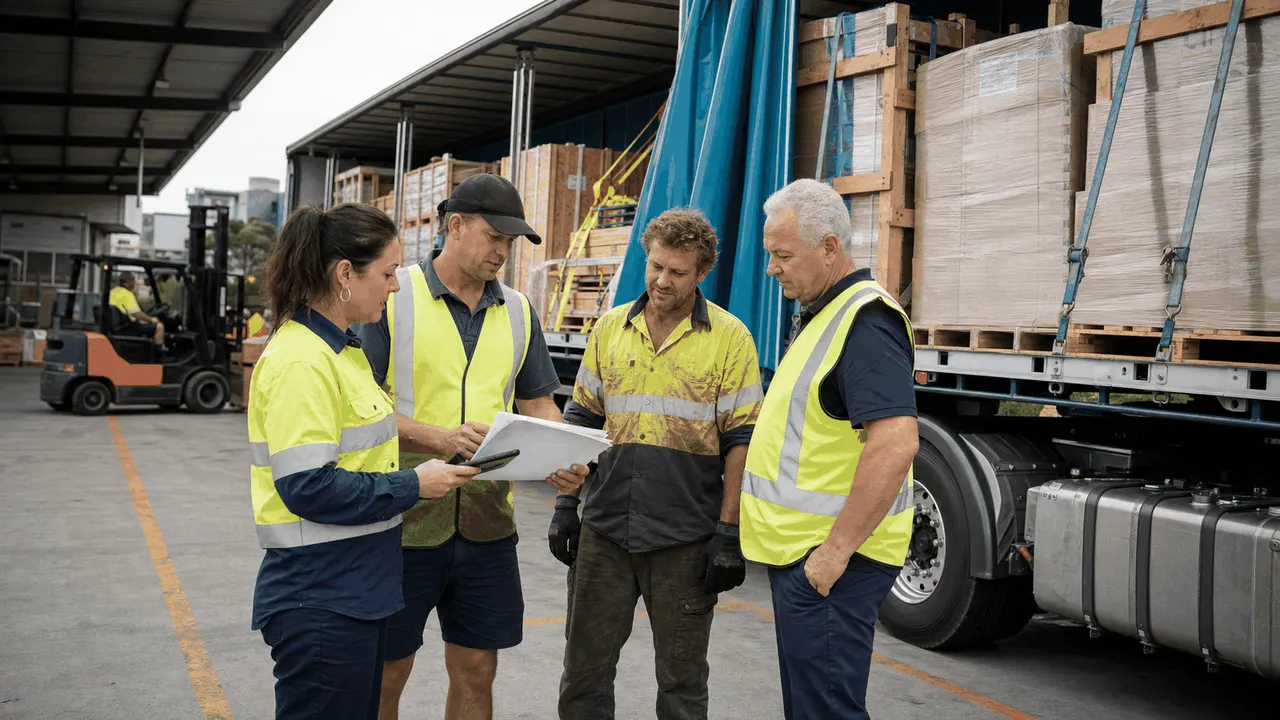
Loading controls need evidence, not assumptions.
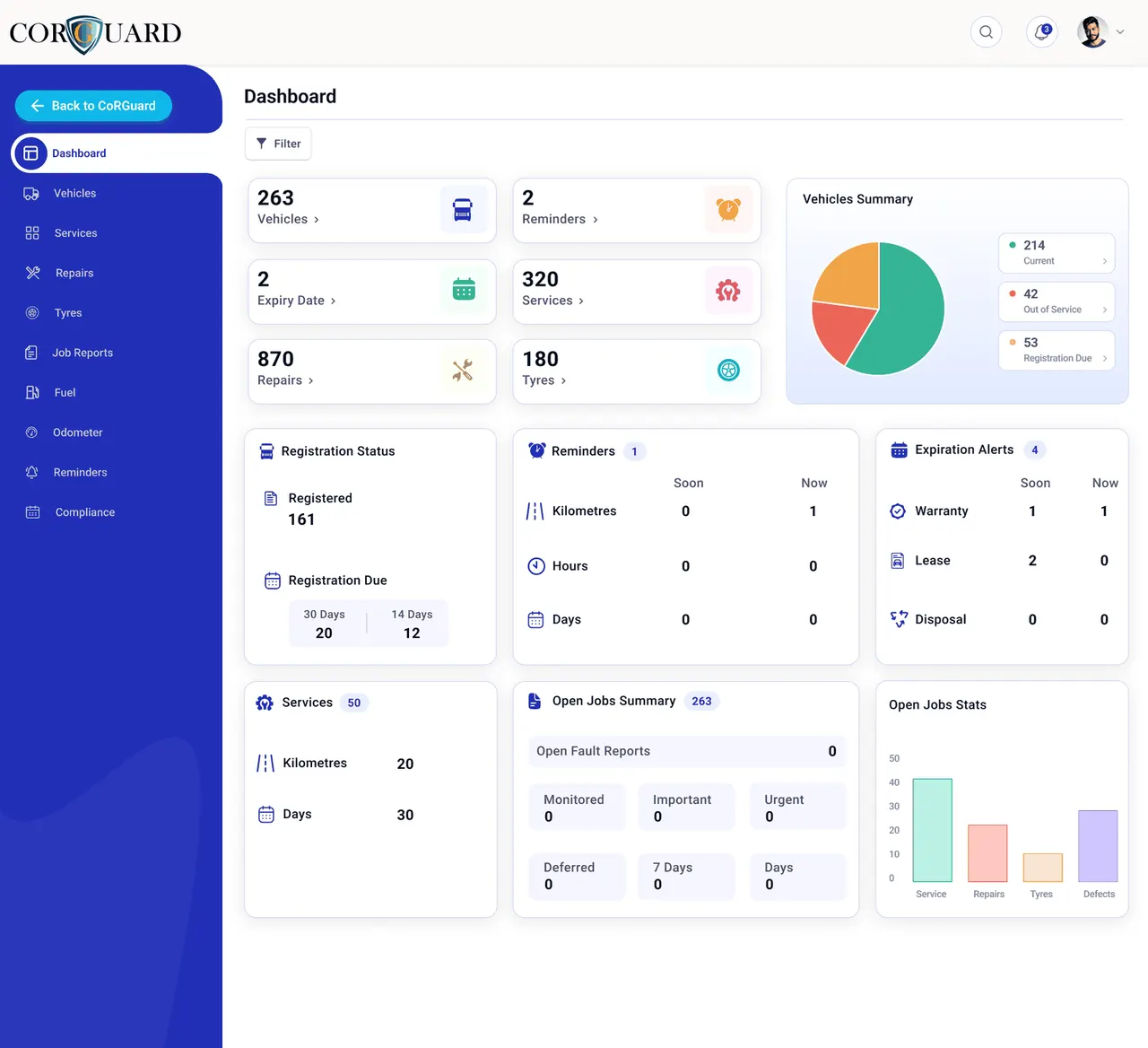
Daily fleet activity has to connect back to duties, controls, and review.
Consignors
Freight terms, delivery windows, and KPIs must not push drivers into speed, fatigue, or mass breaches.
Consignees
Receiving rules, site access, and unloading delays are CoR controls that need to be set and evidenced.
Loaders
Mass, dimension, and load restraint decisions need documented checks, not assumptions.
Managers
Executives and managers need due-diligence evidence that the Safety Management System is actually working.
When does duty of care apply beyond the HVNL?
Why a vehicle outside the HVNL is not automatically outside liability

Duty of care applies even when a vehicle falls outside the Heavy Vehicle National Law. A light truck that is overloaded and unrestrained may not be captured by the HVNL, but the owner, driver, and consignor can still be liable under work health and safety law and common law negligence for failing to take reasonable steps to ensure the transport task was safe.
The transport industry is going through a tough time, and legal liability is on everyone's radar. While many operators are trying to do the right thing — and investing hard-earned cash to do it — some simply don't. But the real question is simpler: even if you didn't know your ultimate legal liability, would you still throw a rope over the load?
Any decent, caring road user would. That instinct — to protect the people around you — is what duty of care is really about, whether or not a specific statute applies to your vehicle. For a broader look at how these obligations work across the supply chain, see About Chain of Responsibility.
What the evidence shows
Reading the picture: no restraint, overloaded, and bending the tray
The image tells a clear story. Based on what's visible:
- The vehicle has no load restraint.
- The vehicle is loaded beyond its mass restrictions — the tops of the pallets flare outwards, bending the tray of the truck.
- On the positive side, the load is unitised to the pallets, which helps given it appears to be loose items of potentially substantial weight.
Based on 20 years of experience, the vehicle looks like a Dyna 350 or 400 with a total capacity of approximately 3 to 4.5 tonnes GVM. That puts its payload capacity at roughly 1.5 to 2 tonnes.
The eight pallets, at an estimated 650 kg each, give a total load of 4.5 to 6 tonnes — well over the vehicle's rated capacity. Because the vehicle falls below the GVM threshold for the Heavy Vehicle National Law, it does not technically fall within the HVNL's scope. But that does not mean everyone involved is off the hook.
Duty of care outside the HVNL
Not liable under the HVNL does not mean no liability at all
The owner and driver still have a duty of care. They must ensure that their actions do not impact the lives of their employees or the public — even though they are not liable under the Heavy Vehicle National Law.
This is the point that catches people out. A vehicle being outside the HVNL does not remove the general duty of care that applies under work health and safety law and common law negligence.
If this driver had severely injured or killed someone, the consequences would have extended well beyond a traffic infringement. The consignor, in particular, may still have been held liable — even though they were not necessarily under the jurisdiction of the HVNL or directly responsible for on-road safety while the goods were in the driver's care.
A precedent: the Harvey Norman franchisee case
A Western Australian court held a franchisee liable for failing to assess risk
A Western Australian court found that a Harvey Norman franchisee was to pay 25% of the total sum paid by Harvey Norman Corporate to an injured customer. The reason: the franchisee made no attempt to conduct a risk assessment or check the risks involved before "sending its customers into an area where there was a foreseeable risk of injury which was not insignificant."
The court noted that "a reasonable store owner" would have conducted a risk assessment. A total of $865,000 was awarded in damages and costs, to be paid by the franchisee, Osborne Park Commercial Pty Ltd, who denied any wrongdoing.
The parallel is direct
If the driver in this case had severely injured or killed someone, the consignor could still have been held liable — not because of the HVNL, but because of a failure to take reasonable steps to ensure the transport task was safe.
What a consignor should have checked
Reasonable steps that apply regardless of HVNL thresholds
Even when a vehicle falls outside the HVNL, a consignor should still have ensured the following:
- A reasonable check on the vehicle's total capacity — could it legally and safely carry the load?
- A reasonable check that the driver was properly trained to ensure a risk-free transit of the goods.
- That the driver had the restraint required to secure the load safely, and that load restraint met Australian standards.
- That the driver understood the total mass and that it did not exceed the vehicle's maximum overall or axle mass capacity.
- That the driver could notify someone of potential hazards and could report or refuse the load.
These are not onerous regulatory requirements. They are the basic, reasonable checks that a court would expect any business in the supply chain to have made.
For help reviewing your own controls and evidence, consider CoR consulting with MAEZ.
Not mitigating risk puts businesses out
Thankfully no one was hurt — but the outcome could have been very different
Thankfully, no one was hurt in this case. But it could have been a different story — one you would have seen on the evening news rather than on a compliance blog.
If someone had been killed or seriously injured, the businesses responsible could have faced a substantial damages sum that puts most operators out of business. As Mark Bouris, known from Mentored, was quoted: "Companies go out of business for four main reasons…" — the fourth was not mitigating risk.
The core lesson
You do not need to be inside the HVNL to be exposed. You need to identify what is reasonable, put the controls in place, and be able to show you did it.
MAEZ helps Australian transport businesses turn Chain of Responsibility, HVNL, WHS, transport safety, and chartered risk obligations into practical training, advisory, audit, and implementation pathways. If you want a practical review of the gaps that matter most, contact MAEZ or explore our Chain of Responsibility training.
How MAEZ works
Find the gaps. Fix the system. Prove the controls.
MAEZ helps transport operators deal with the compliance risk they already know is there. We help get the Safety Management System in order, protect NHVAS accreditation, reduce fine exposure, and connect training, evidence, and CoRGuard workflows where software is needed.
Find
Identify what is exposed before an auditor or regulator does.
Fix
Build the SMS controls around how the transport business actually runs.
Prove
Use CoRGuard where records, reminders, diaries, audits, and evidence need structure.
From advice to evidence
From MAEZ advice to a working Safety Management System
Advisory work should leave a practical implementation trail. These examples show how CoRGuard supports records, fatigue and driver diary checks, maintenance, audits, document control, inductions, corrective actions, and evidence review after MAEZ identifies the gaps.
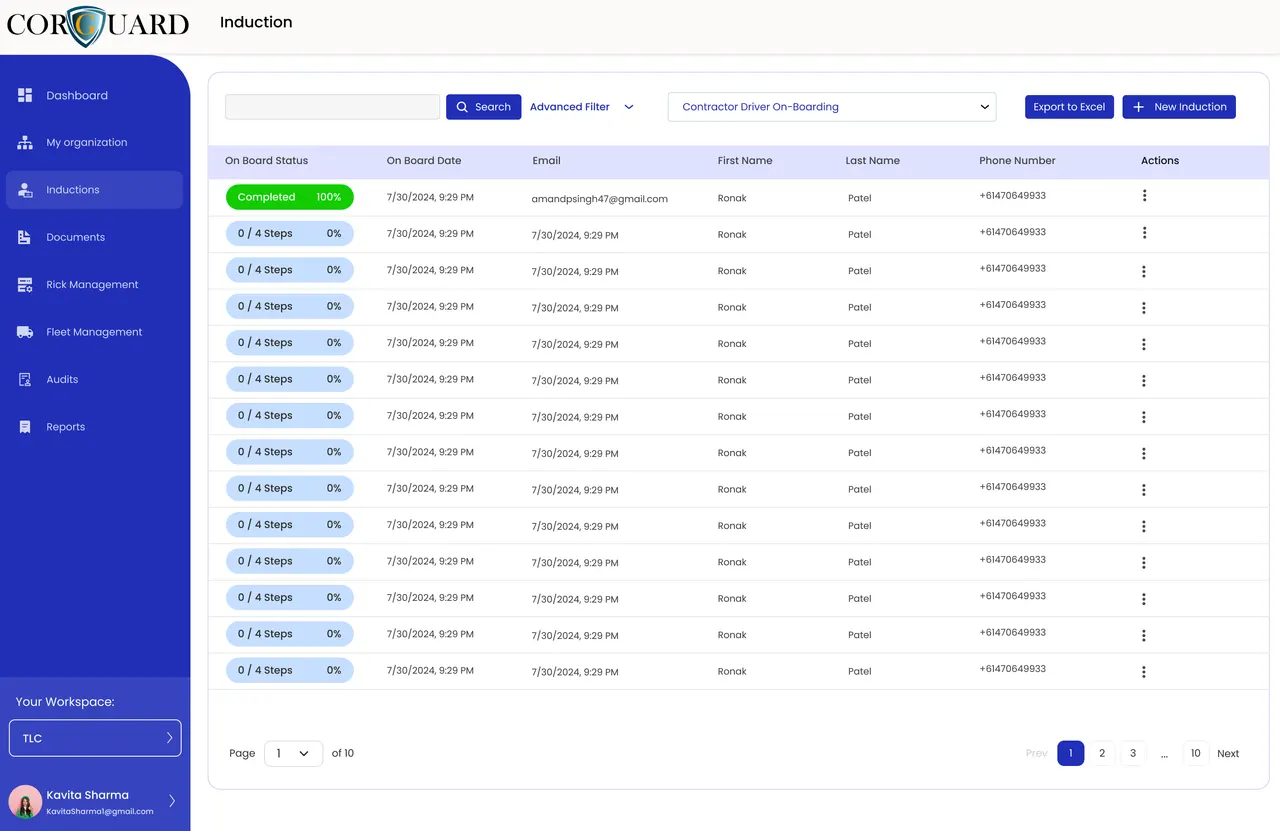
Training records
Connect training completion from cortraining.com.au to evidence and follow-up.
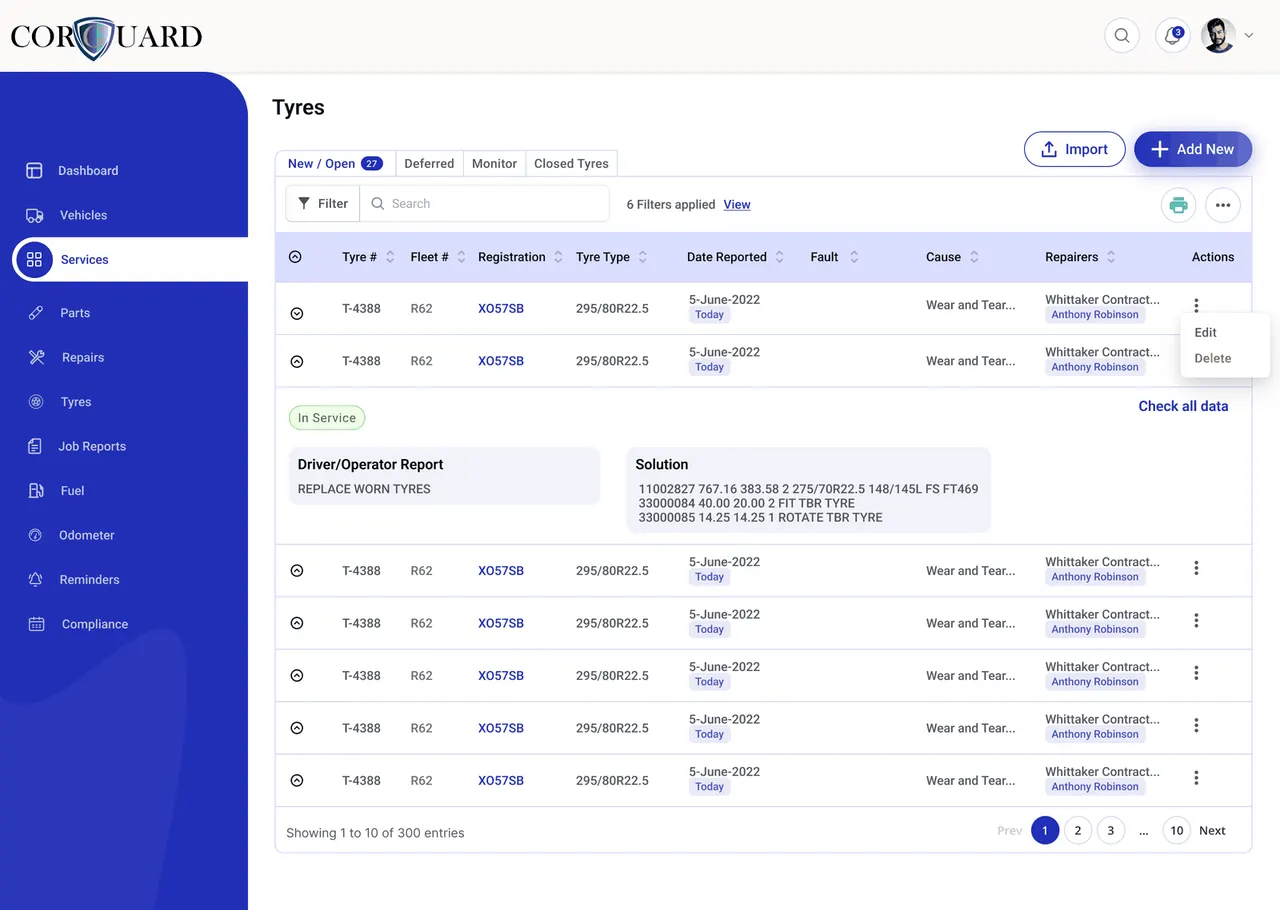
Driver diary checks
Connect fatigue and driver diary review back to manager visibility.
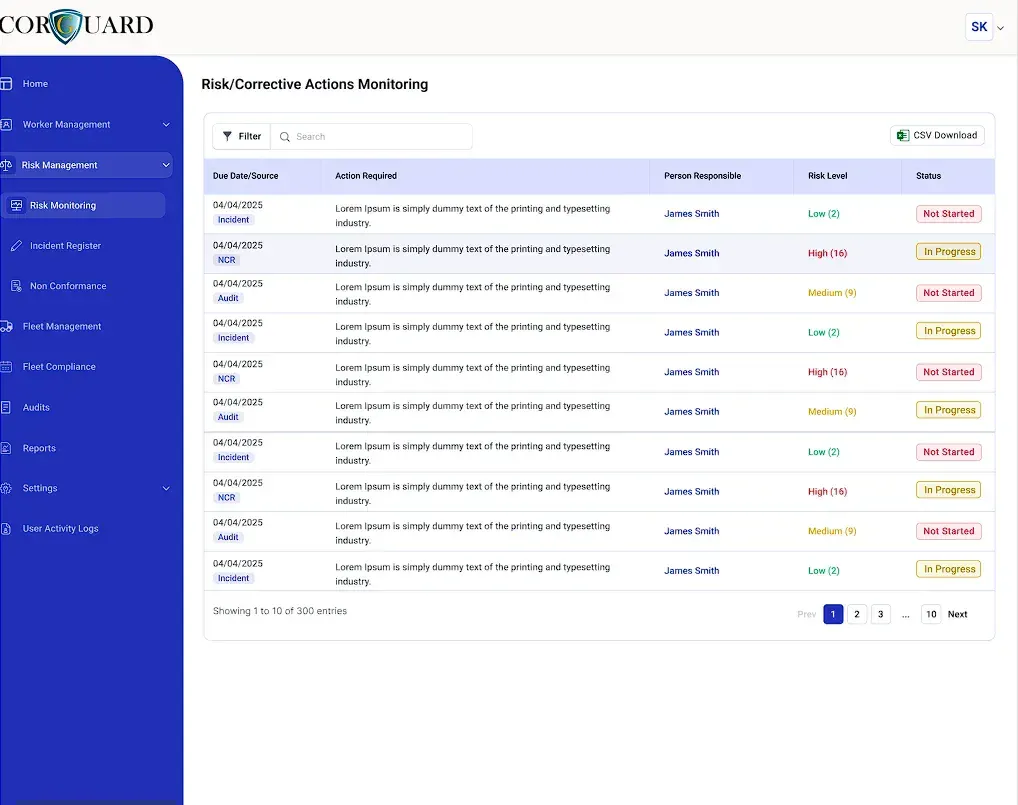
Corrective actions
Turn audit findings, hazards and incidents into tracked actions.
Keep exploring
Related Chain of Responsibility reading
MAEZ insight
Chain of Responsibility (or CoR) NSW
All listed parties in a road transport task within a supply chain, have specific obligations under the Heavy Vehicle National Law (or HVNL) …
MAEZ insight
Safety Notice Boards
When taking a look at another business during an audit, I’m looking for hundreds of different things, but one which usually takes people by surprise is whether or not I can find a safety notice board.
MAEZ insight
Logistics Management
Logistic management companies have spent and will spend multiple millions of dollars on the safety of their fleet and drivers. Of course, it’s great for business, it reduces risk for their own investments and ongoing financial targets.
MAEZ insight
Alert – Securing Trucks In A Dangerous World
ALERT: STOLEN HEAVY VEHICLE Companies are being reminded to take the theft of company vehicles seriously as a PCBU may have responsibility, for any damage caused.
MAEZ insight
HVNL Prosecution
Magistrate Mark Semmens is scathing in his findings against Bitumax, a Boral company which trades as Boral Asphalt; for a mass offence. The magistrate went on further to state that “I do not think this is a ‘basic’ case.
MAEZ insight
On Guard Safety Practises
Sometimes as a consultant, you know when your time is being wasted. One of those times was early 2018 for me when I sat in front of a prospective supplier.
Frequently asked questions
Questions people ask about this topic
Does the Heavy Vehicle National Law apply to light trucks below the GVM threshold?
No. A light truck that falls below the GVM threshold for the Heavy Vehicle National Law is not technically within the HVNL's scope. However, that does not remove liability — the owner, driver, and consignor can still be liable under work health and safety law and common law negligence.
Can a consignor be liable if the transport vehicle is outside the HVNL?
Yes. A consignor may still be held liable if they failed to take reasonable steps to ensure the transport task was safe — such as checking the vehicle's capacity, the driver's training, load restraint, and mass limits — even when the HVNL does not apply to the vehicle.
What reasonable checks should a consignor make before engaging a transport task?
A consignor should reasonably check that the vehicle can legally and safely carry the load, that the driver is properly trained, that load restraint meets Australian standards, that total mass does not exceed vehicle or axle limits, and that the driver can report or refuse an unsafe load.
What was the outcome of the Harvey Norman franchisee case?
A Western Australian court found a Harvey Norman franchisee liable for 25% of the total sum paid by Harvey Norman Corporate to an injured customer — $865,000 in damages and costs — because the franchisee failed to conduct a risk assessment before exposing customers to a foreseeable, non-insignificant risk of injury.
Why does duty of care matter even when the law is unclear?
Duty of care is about protecting the people around you — the instinct to throw a rope over a load even when you are unsure of your legal position. Courts expect reasonable steps regardless of whether a specific statute applies, and failing to mitigate risk can put a business out of operation.