
MAEZ insight
Understanding HVNL: A Practical Guide for Australian Transport Operators
A clear guide to the Heavy Vehicle National Law for transport operators: fatigue management, mass and dimension limits, vehicle standards, Chain of Responsibility, and NHVR enforcement.

Due diligence means knowing whether the safety system is actually working.

Proof that freight promises do not create unsafe transport pressure.

Loading controls need evidence, not assumptions.
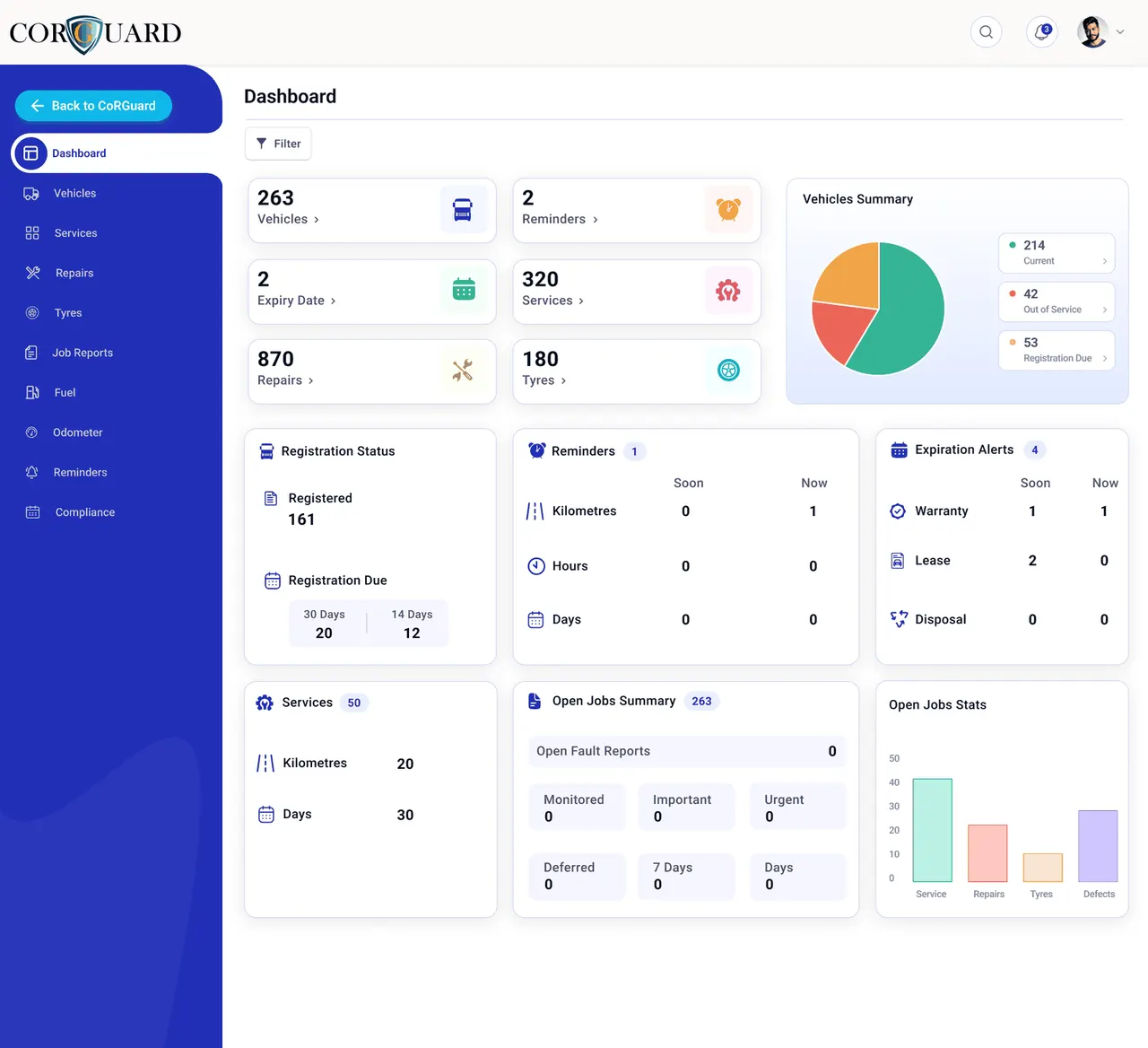
Daily fleet activity has to connect back to duties, controls, and review.
Consignors
Freight terms, delivery windows, and KPIs must not push drivers into speed, fatigue, or mass breaches.
Consignees
Receiving rules, site access, and unloading delays are CoR controls that need to be set and evidenced.
Loaders
Mass, dimension, and load restraint decisions need documented checks, not assumptions.
Managers
Executives and managers need due-diligence evidence that the Safety Management System is actually working.
What is the Heavy Vehicle National Law?
Australia's national regulatory framework for heavy vehicle operations
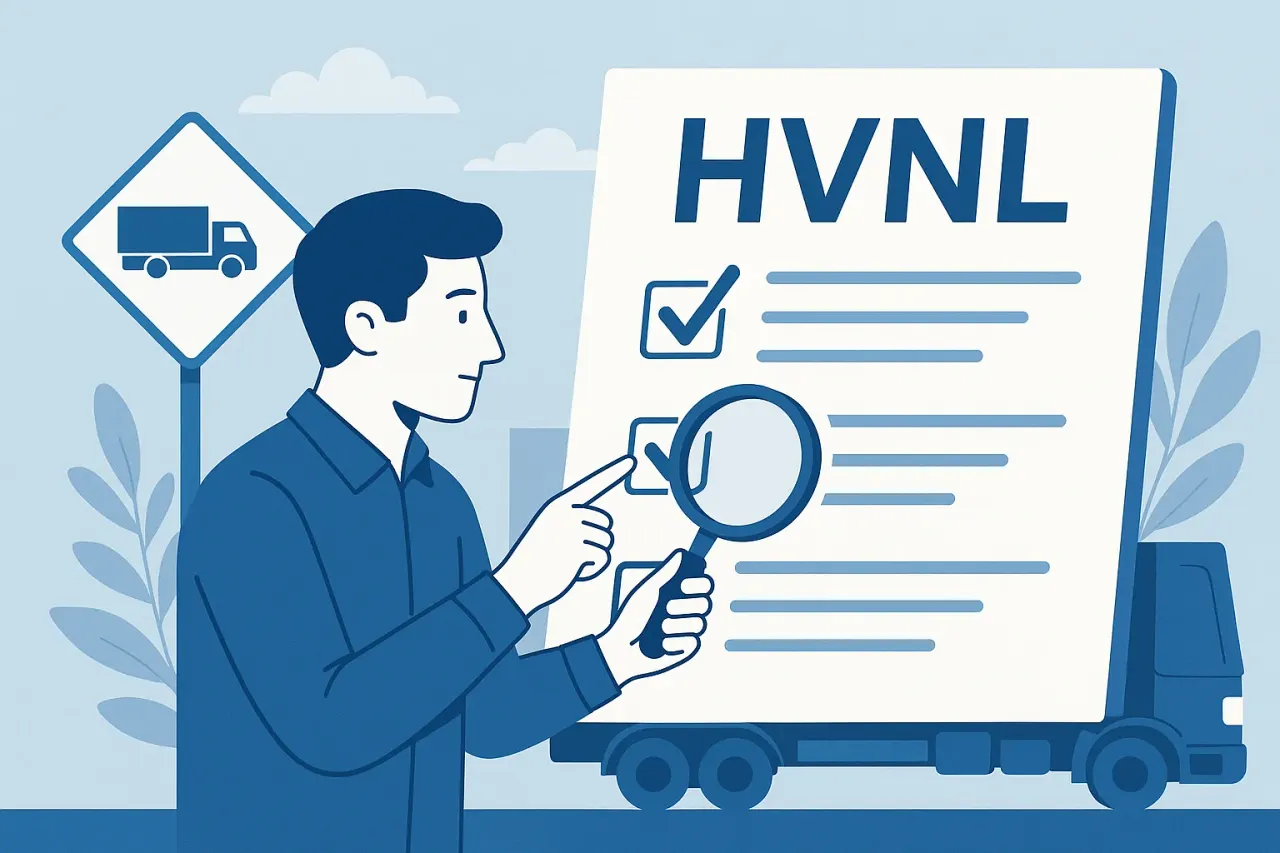
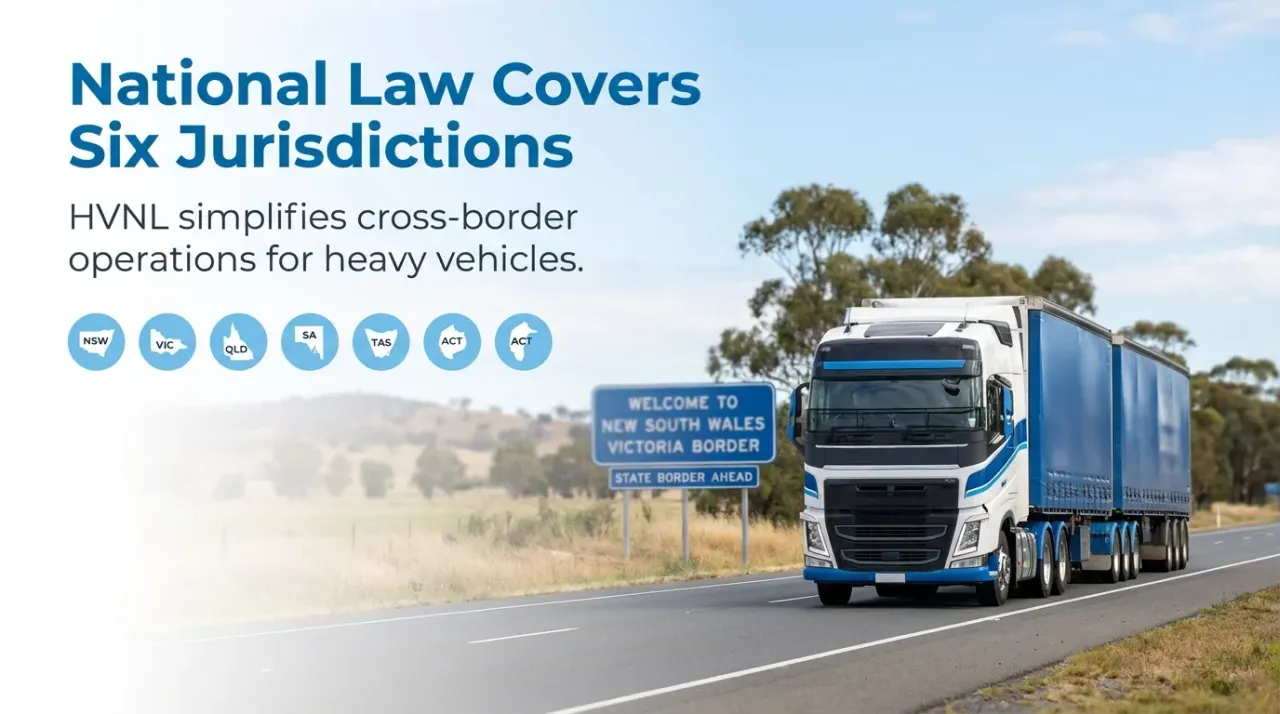
The Heavy Vehicle National Law (HVNL) is Australia's regulatory framework for managing heavy vehicle operations across six participating jurisdictions. It covers fatigue management, mass and dimension limits, vehicle standards, and Chain of Responsibility obligations, applying to vehicles with a gross vehicle mass of 4.5 tonnes or more.
Before the HVNL, operators crossing state borders navigated different rules in each jurisdiction, creating confusion and increased compliance costs. The national law consolidates what were previously fragmented state requirements into a single system managed by the National Heavy Vehicle Regulator (NHVR).
The HVNL applies in New South Wales, Victoria, South Australia, Tasmania, Queensland, and the Australian Capital Territory. Western Australia and the Northern Territory operate under their own heavy vehicle legislation.
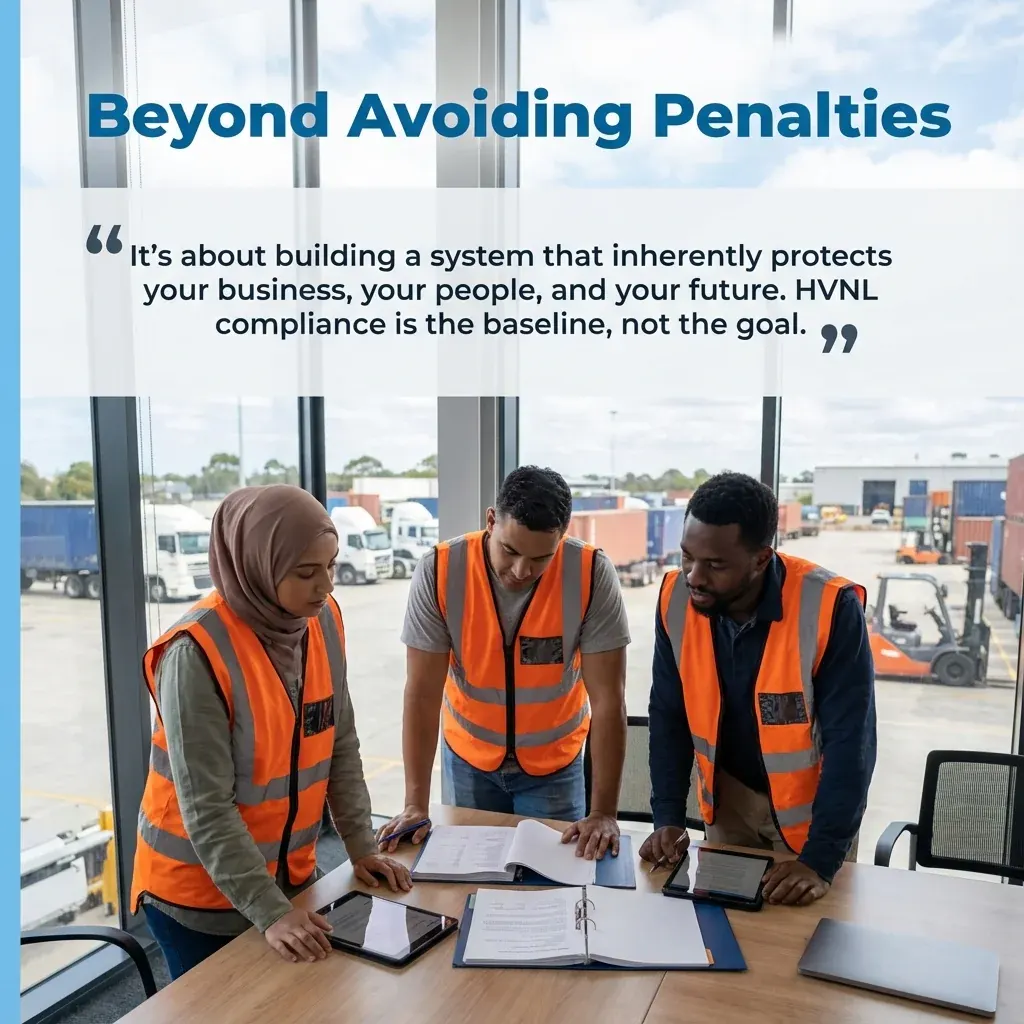
Understanding the HVNL isn't just about avoiding penalties — it's about building operational systems that protect your business, your people, and other road users. When you understand these requirements properly, compliance becomes a natural part of how you operate rather than a burden bolted onto existing processes.
What does the HVNL cover?
Four core regulatory areas with enforceable obligations
The HVNL establishes rules for commercial vehicle operations across participating jurisdictions. These aren't suggestions or guidelines — they are enforceable legal obligations with significant penalties for non-compliance.
Fatigue management
Rules control work and rest hours for drivers. These regulations specify maximum driving times, minimum rest breaks, and record-keeping requirements through work diaries or electronic systems.
Mass, dimension, and loading standards
These standards protect road infrastructure and other road users. Operators must ensure vehicles don't exceed weight limits, stay within dimension boundaries, and secure loads properly.
Vehicle standards and maintenance
Heavy vehicles must meet safety specifications. Regular inspections, defect repairs, and proper record-keeping demonstrate compliance with these technical requirements.
Speed compliance and access provisions
These govern where and how fast heavy vehicles can travel. Some routes require special permits, while others have restrictions based on vehicle configuration or load characteristics.
Who must comply with HVNL requirements?
Obligations extend well beyond drivers and transport operators
The HVNL applies to anyone involved in heavy vehicle operations, not just drivers. This creates a broad compliance net that captures multiple parties in the supply chain.
Transport operators hold primary responsibility for ensuring their vehicles comply. This includes fleet managers, owner-drivers, and companies operating heavy vehicle services. The responsibilities extend beyond simply hiring drivers and owning trucks.
Chain of Responsibility (CoR) extends legal obligations throughout the supply chain. Each party with control or influence over the transport task faces potential liability for breaches.
Key CoR parties and their obligations
- Transport operators — fatigue management, vehicle maintenance, driver training. Common risks: inadequate rest breaks, deferred maintenance.
- Consignors — realistic timeframes, accurate load information. Common risks: unrealistic delivery deadlines, incorrect weights.
- Consignees — reasonable unloading windows, scheduling flexibility. Common risks: narrow delivery windows, refusal to accept delayed loads.
- Loading managers — load securing, mass limits, load distribution. Common risks: overloading, poor restraint, unbalanced loads.
If your delivery deadlines force drivers to speed or skip rest breaks, you share liability for resulting breaches. Schedulers creating impossible timetables push drivers into non-compliance, and loading managers who allow overloading are part of any resulting breach.
What are executive responsibilities under the HVNL?
Personal due diligence obligations for directors and managers
Executive officers in companies involved with heavy vehicles hold personal obligations under CoR. Directors, managers, and other executives must exercise due diligence to prevent breaches — and these duties cannot be delegated away.
Due diligence requires:
- Acquiring knowledge about HVNL obligations
- Understanding your organisation's operations
- Ensuring appropriate resources for compliance
- Implementing systems to manage risks
- Verifying those systems work effectively
For executives and managers seeking a structured approach, Chain of Responsibility training for executives and managers provides practical guidance on meeting these due diligence requirements.
How does the NHVR enforce compliance?
A graduated enforcement model from warnings to prosecution
The National Heavy Vehicle Regulator (NHVR) administers the HVNL across participating jurisdictions. This national body replaced separate state regulators, creating consistency in how rules are interpreted and enforced.
The NHVR issues permits and accreditations, provides guidance on compliance requirements, conducts roadside enforcement activities, investigates serious breaches, and prosecutes significant violations. Their role combines education, support, and enforcement.
Graduated enforcement approach
- Minor breaches typically receive warnings or improvement notices
- Serious violations result in infringement notices with financial penalties
- Major or repeated breaches can lead to prosecution, vehicle grounding, or operator disqualification
Enforcement actions depend on breach severity, whether it's a first offence or repeated violation, the operator's compliance history, and the safety risks created. Operators demonstrating genuine attempts to comply generally receive more lenient treatment than those deliberately flouting requirements.
Roadside inspections remain a primary enforcement tool. NHVR officers and state police conduct checks on mass, dimension, load restraint, vehicle condition, fatigue compliance, and documentation. These inspections can occur randomly or target high-risk operators, routes, or times.
How does Chain of Responsibility establish liability?
Strict liability with a reasonable steps defence
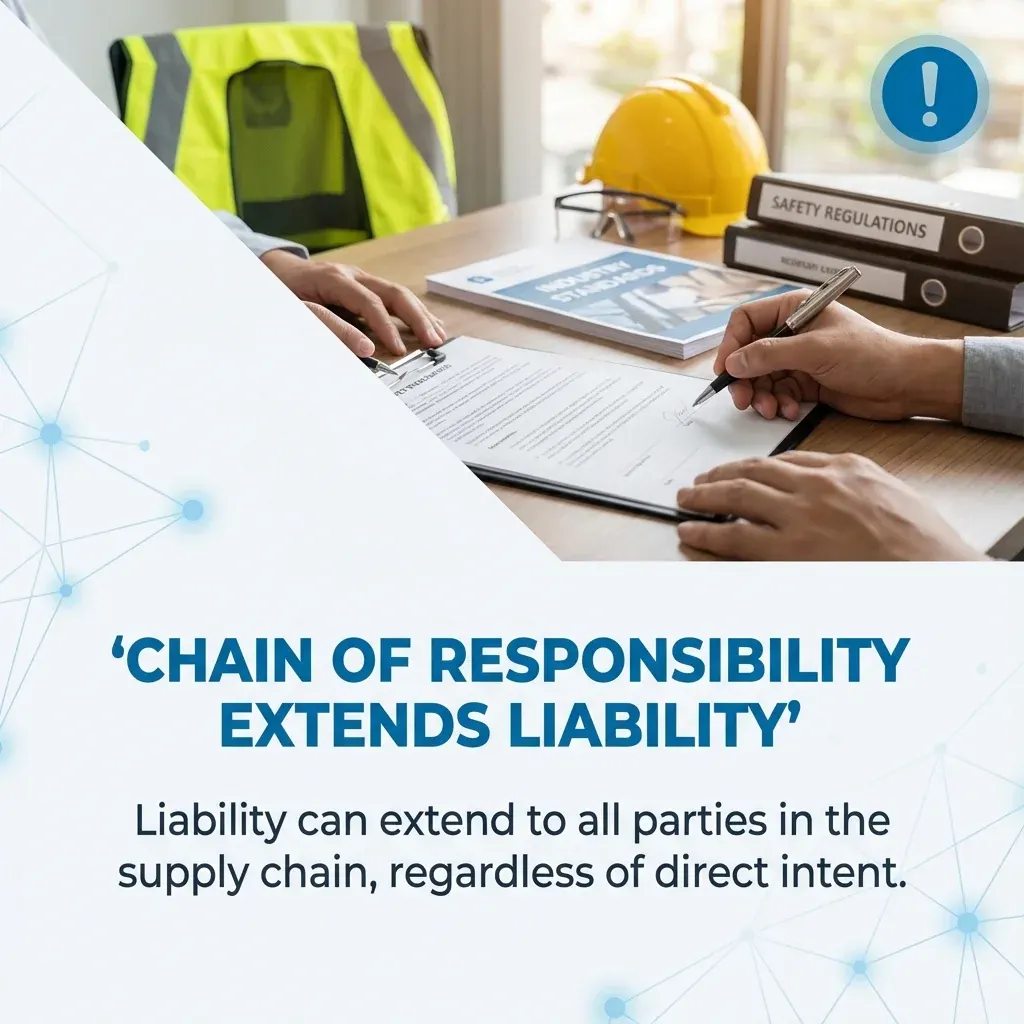
Chain of Responsibility represents the most significant aspect of the HVNL for most businesses. CoR extends liability beyond drivers and transport operators to everyone who influences whether breaches occur.
The framework recognises that transport safety depends on decisions made throughout the supply chain. A driver who speeds to meet an impossible deadline isn't solely responsible — the scheduler who created that deadline and the consignee who demanded it share liability.
Control versus influence
Control means direct authority over how transport occurs. An operator deciding vehicle routes, schedules, and driver assignments exercises clear control. Influence means affecting decisions without direct authority. A consignor specifying delivery times influences whether drivers can comply with rest requirements.
The law doesn't require intent to breach. You can be liable even if you didn't intend non-compliance. What matters is whether your actions or requirements contributed to the breach occurring.
The reasonable steps defence
CoR offences carry strict liability, meaning breaches can be proven without showing intent. However, the law provides a defence if you took all reasonable steps to prevent the breach.
Reasonable steps include implementing documented systems and procedures, providing adequate training to relevant personnel, monitoring compliance regularly, investigating breaches promptly, and taking corrective action when problems emerge.
This defence requires evidence. Verbal instructions or informal arrangements don't demonstrate reasonable steps. You need documented systems, training records, monitoring reports, and corrective action evidence. For a structured approach to building this evidence, CoR consulting can help identify and close gaps in your current systems.
What are the fatigue management requirements?
Work and rest rules that protect drivers and the public
Fatigue management rules prevent driver tiredness from causing incidents. These regulations specify maximum work hours, minimum rest periods, and record-keeping requirements. All drivers operating under the HVNL must follow work and rest rules.
Two main options exist: Standard Hours and Basic Fatigue Management (BFM). Advanced Fatigue Management (AFM) provides additional flexibility for accredited operators.
Standard Hours requirements
Standard Hours apply by default unless an operator has alternative accreditation. Under Standard Hours:
- Drivers cannot work more than 12 hours in any 24-hour period
- Drivers cannot drive more than 5.5 hours without a break
- Rest breaks must provide at least 30 continuous minutes after 5.5 hours driving
- Night work has additional restrictions
- Drivers cannot work more than a specified number of hours in longer periods measured at 7, 14, 28, and 84-day cycles
Operators seeking flexibility beyond Standard Hours can pursue BFM or AFM accreditation through the NHVR, which allows modified work and rest schedules subject to additional compliance conditions.
For operators who need their teams to understand these rules in practice, Chain of Responsibility training covers fatigue duties alongside broader CoR obligations.
Preparing for what's next
Understanding HVNL is the foundation — evidence closes the loop
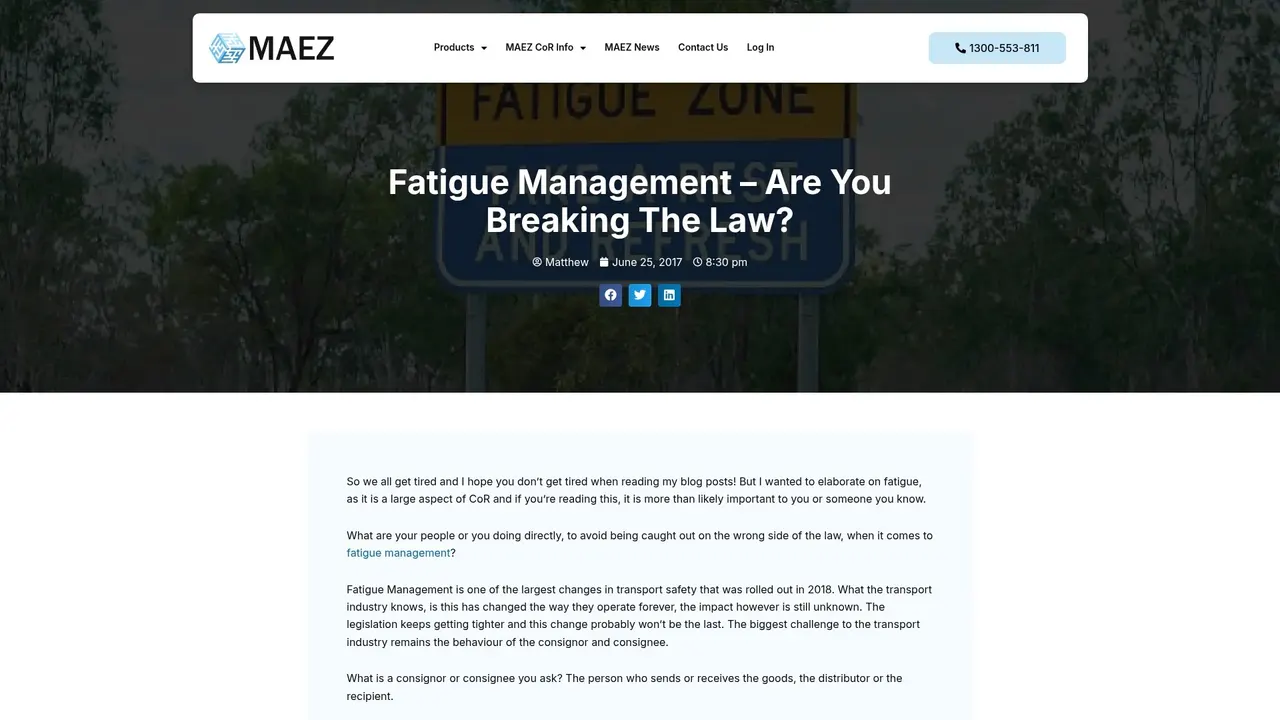
Understanding the HVNL is only the first step. The real work lies in building the systems, evidence, and training that demonstrate compliance to auditors and regulators.
Whether you're preparing for NHVAS accreditation, strengthening your Safety Management System, or closing CoR gaps before an incident occurs, the focus should be on practical, documented controls that match how your business actually runs.
Contact MAEZ for a practical review of the controls, evidence, training, and SMS gaps that matter most for your operation.
How MAEZ works
Find the gaps. Fix the system. Prove the controls.
MAEZ helps transport operators deal with the compliance risk they already know is there. We help get the Safety Management System in order, protect NHVAS accreditation, reduce fine exposure, and connect training, evidence, and CoRGuard workflows where software is needed.
Find
Identify what is exposed before an auditor or regulator does.
Fix
Build the SMS controls around how the transport business actually runs.
Prove
Use CoRGuard where records, reminders, diaries, audits, and evidence need structure.
From advice to evidence
From MAEZ advice to a working Safety Management System
Advisory work should leave a practical implementation trail. These examples show how CoRGuard supports records, fatigue and driver diary checks, maintenance, audits, document control, inductions, corrective actions, and evidence review after MAEZ identifies the gaps.
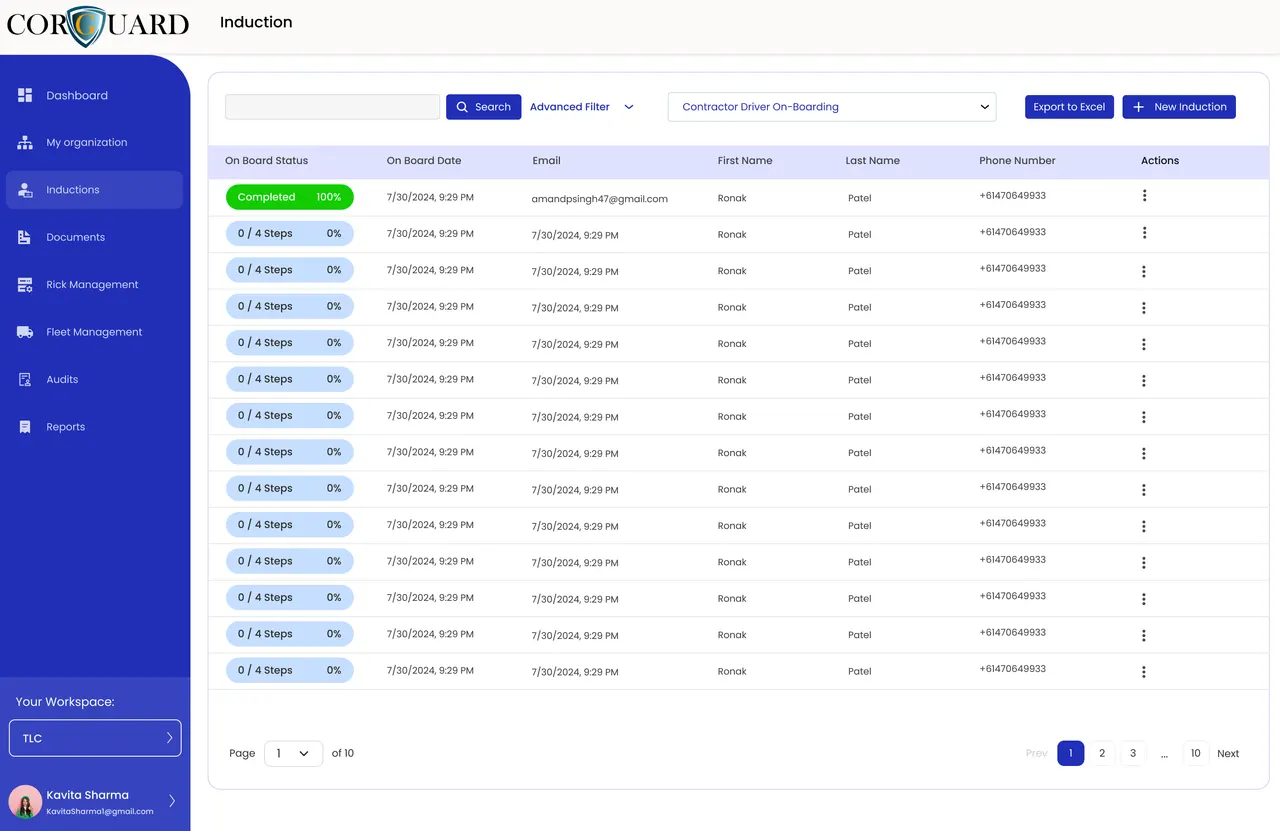
Training records
Connect training completion from cortraining.com.au to evidence and follow-up.
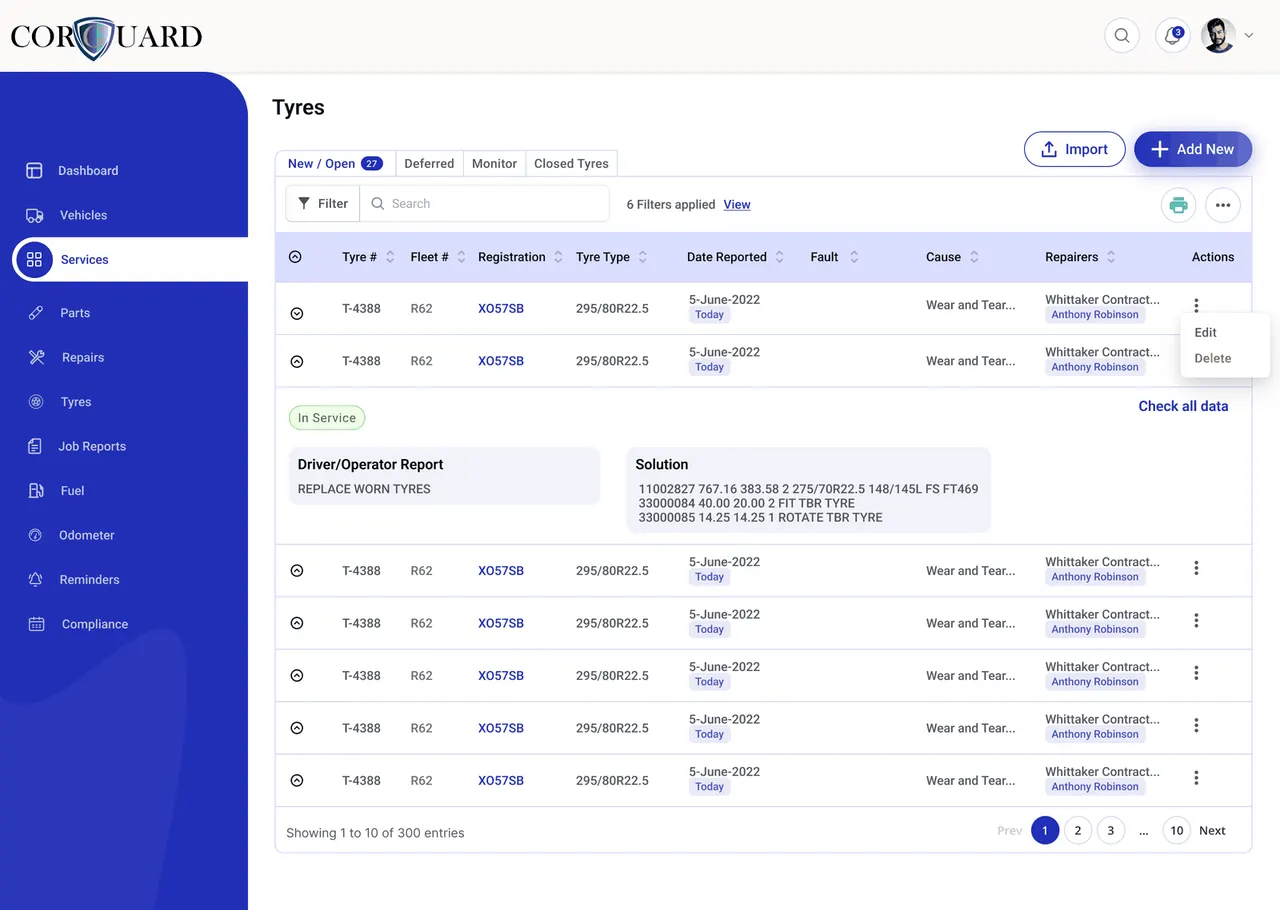
Driver diary checks
Connect fatigue and driver diary review back to manager visibility.
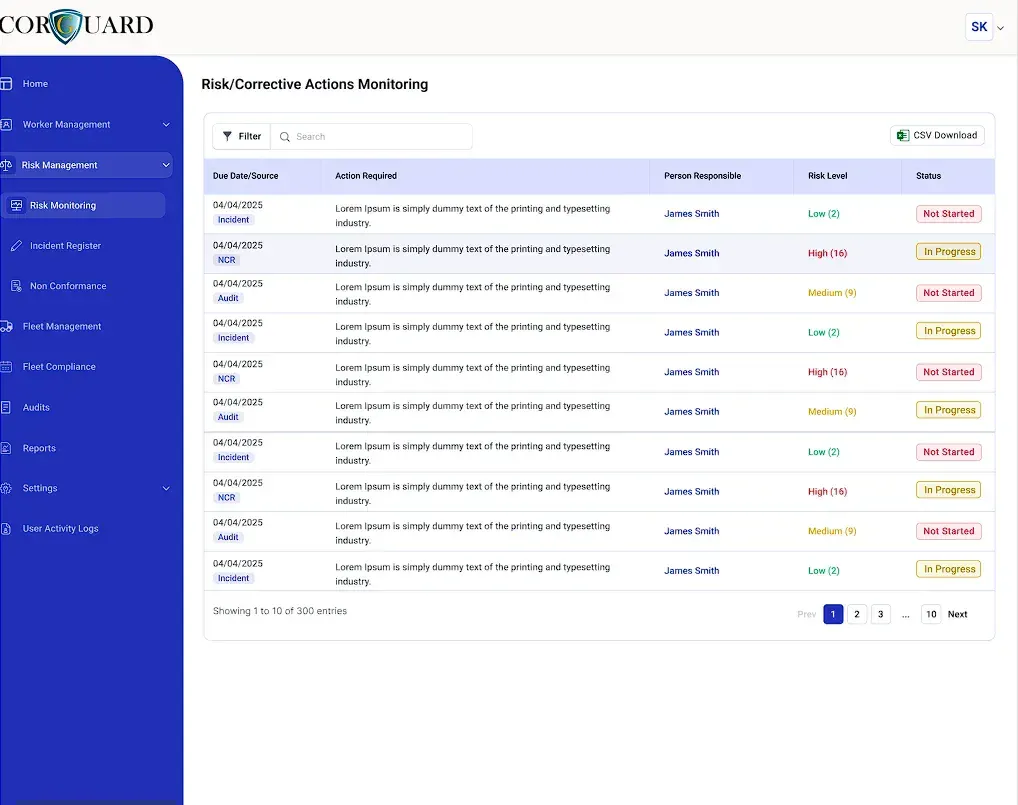
Corrective actions
Turn audit findings, hazards and incidents into tracked actions.
Keep exploring
Related Chain of Responsibility reading
MAEZ insight
Essential HVNL Compliance Checklist for Transport Operators
Ensure your transport operations meet NHVR standards with our essential HVNL compliance checklist. Streamline safety and regulatory compliance effortlessly.
MAEZ insight
Essential Tools for an Effective Safety Management System
Discover essential Safety Management System tools to enhance compliance, identify hazards, and build robust safety cultures in your organization.
MAEZ insight
Effective Strategies for Mitigating Supply Chain Risks
Explore effective supply chain risk mitigation strategies to enhance resilience, efficiency, and reduce business disruptions with structured frameworks.
MAEZ insight
Understanding the Importance of ISO 45001 for Workplace Safety
Explore the importance of ISO 45001 in enhancing workplace safety by preventing injuries and promoting a proactive health management approach.
MAEZ insight
Effective Strategies for Managing Supply Chain Risks
Learn how to manage supply chain risks effectively with structured strategies. Discover vulnerabilities and safeguard operations from disruptions.
MAEZ insight
Effective Risk Mitigation Strategies for Supply Chains
Discover effective risk mitigation strategies in supply chain to manage disruptions, enhance resilience, and ensure operational continuity.
Frequently asked questions
Questions people ask about this topic
What vehicles does the HVNL apply to?
The HVNL applies to vehicles with a gross vehicle mass of 4.5 tonnes or more across six participating jurisdictions: New South Wales, Victoria, South Australia, Tasmania, Queensland, and the Australian Capital Territory. Western Australia and the Northern Territory operate under their own heavy vehicle legislation.
Can I be liable under the HVNL if I don't drive or own trucks?
Yes. Under Chain of Responsibility, anyone with control or influence over the transport task — including consignors, consignees, schedulers, and loading managers — can be held liable for breaches they contribute to, even without intent. The law focuses on whether your actions or requirements contributed to the breach occurring.
What is the reasonable steps defence under the HVNL?
The reasonable steps defence allows a party to avoid liability if they can prove they took all reasonable steps to prevent a breach. This requires documented evidence such as systems and procedures, training records, monitoring reports, and corrective action logs — verbal instructions or informal arrangements are not sufficient.
What are the Standard Hours fatigue rules for drivers?
Under Standard Hours, drivers cannot work more than 12 hours in any 24-hour period, cannot drive more than 5.5 hours without a break, and must take at least 30 continuous minutes of rest after 5.5 hours of driving. Cumulative limits also apply across 7, 14, 28, and 84-day cycles.
What are executive due diligence obligations under the HVNL?
Executive officers must personally exercise due diligence to prevent HVNL breaches by acquiring knowledge of obligations, understanding their organisation's operations, ensuring resources for compliance, implementing risk management systems, and verifying those systems work. These duties cannot be delegated away.