
MAEZ insight
Why an SMS Matters in the Heavy Vehicle Industry
Understand why a Safety Management System is essential under the Heavy Vehicle National Law, how Chain of Responsibility distributes duty, and how MAEZ helps Australian operators build practical compliance.
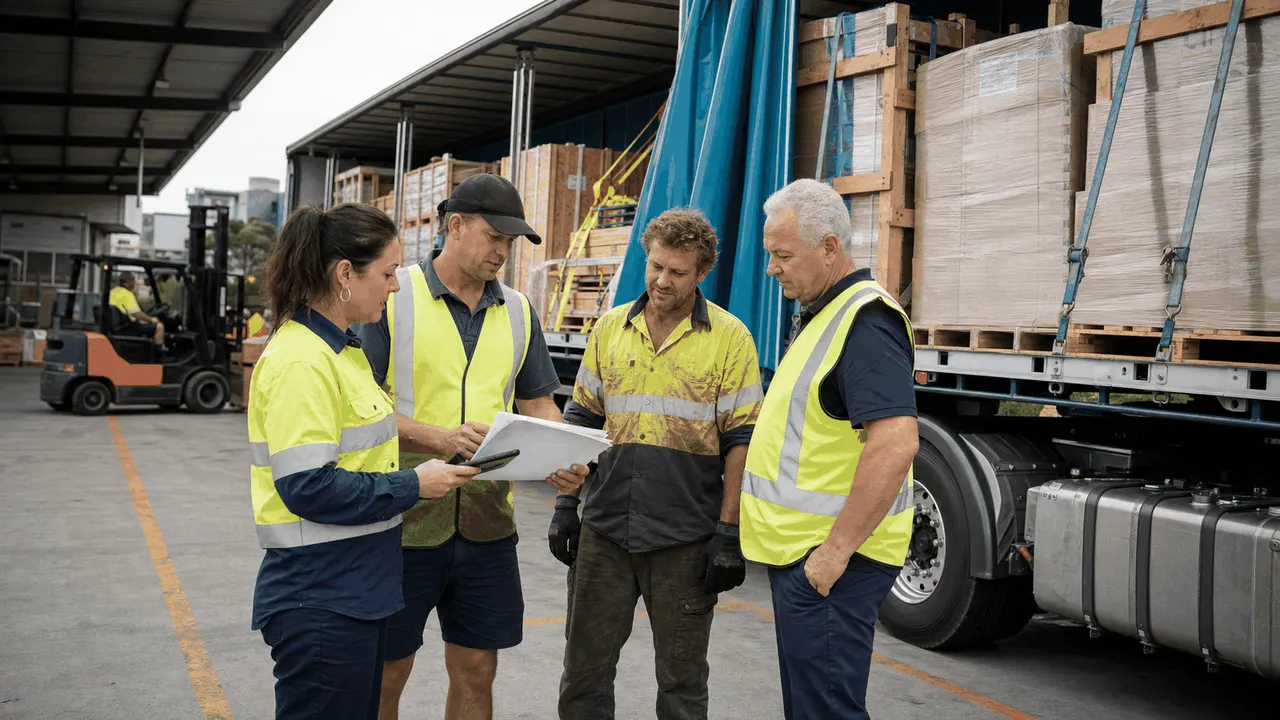
Receiving windows, site rules, and unloading delays can all shape the transport task.
Unloading decisions can affect safety, scheduling, and responsibility.
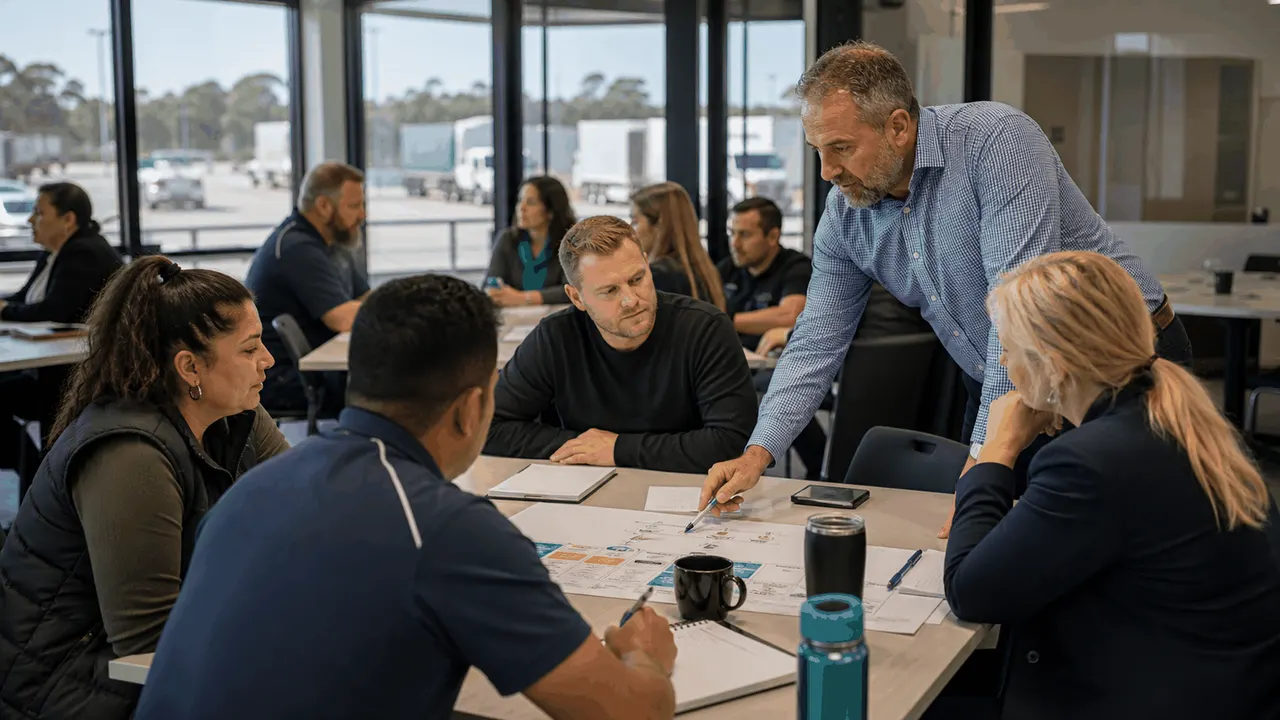
Managers need a clear view of gaps before audit or enforcement pressure arrives.

Contractor controls should be verified before the work starts.
Consignors
Freight terms, delivery windows, and KPIs must not push drivers into speed, fatigue, or mass breaches.
Consignees
Receiving rules, site access, and unloading delays are CoR controls that need to be set and evidenced.
Loaders
Mass, dimension, and load restraint decisions need documented checks, not assumptions.
Managers
Executives and managers need due-diligence evidence that the Safety Management System is actually working.
Why the HVNL makes a Safety Management System essential
The legal and operational case for an SMS in Australian heavy vehicle transport.
A Safety Management System (SMS) is the structured framework an Australian heavy vehicle operator uses to identify hazards, implement controls, train people, and keep the records that auditors and regulators expect. Under the Heavy Vehicle National Law (HVNL), safety is a shared duty across the entire transport supply chain — not just the driver's responsibility. An SMS gives your business a practical way to meet that duty and prove it with evidence rather than relying on good intentions.
The HVNL underpins safety and compliance for heavy vehicle operations across Australia. At its core is the Chain of Responsibility, which distributes accountability across every party in the transport supply chain — from consignors and consignees through to loaders, schedulers, managers, and executives.
For owner-operators and transport businesses, this means safety is not a single person's job. It is a shared duty that runs from the top of the organisation to every person who influences a transport task. Without an SMS, you have no structured way to demonstrate that you are managing risk responsibly.
- Identify hazards before they become incidents
- Implement controls tailored to how your business actually runs
- Train your people on their specific CoR duties
- Keep the records auditors and regulators expect
- Build an evidence trail that stands up under scrutiny
How Chain of Responsibility shares the safety duty
Every party in the supply chain carries legal and ethical obligations.

The CoR framework means that anyone who influences a transport task has a role in managing safety. That duty looks different depending on where you sit in the chain.
Executives and managers
Routine tasks such as checking vehicle registration and ensuring fleet maintenance is current are not trivial — they are non-negotiable. They reflect a legal and ethical commitment to safety that runs from the top of the organisation down.
Office and administration teams
Compliance checks, document control, and record-keeping are the administrative backbone of CoR. Every tick box on a checklist — from rego checks to compliance forms — contributes to the evidence trail.
Fleet managers and logistics planners
Fleet managers carry the burden of due diligence. An oversight in logistics planning or a failure to follow NHVR requirements is a gap in responsibility, not just an administrative error.
Understanding where your role sits in the chain is the first step toward meeting your duty. CoR training gives each person the knowledge they need to act confidently within their specific responsibilities.
What the HVNL and Master Code require
The two pillars that define your compliance obligations.
The HVNL is not simply about heavy fines for non-compliance. It establishes a nationwide commitment to safety standards across heavy vehicle operations. Meticulous vehicle audits, maintenance records, and registration checks are the practical expressions of that commitment.
The Master Code sits alongside the HVNL as an industry-recognised guide to safe transport practices. It reinforces the essential elements of the law and gives operators a structured way to demonstrate they are managing risk responsibly.
Together, these instruments set the expectations that auditors and regulators measure your business against — whether you are preparing for NHVAS accreditation or responding to an enforcement action.
- The HVNL defines the legal duties every party in the supply chain must meet
- The Master Code provides an industry-recognised framework for meeting those duties
- Both set the benchmark auditors and regulators use to assess your operation
Key risks every transport operation must manage
Recognising hazards before they become incidents.
Transport logistics carries inherent risks. Recognising them early is the first step toward controlling them. Each of these risks can compound — a missed maintenance check combined with a tight schedule and poor weather is how minor gaps become serious incidents.
Operational hazards
- Inadequate registration checks or expired vehicle credentials
- Subpar maintenance rounds or missed service intervals
- Poor scheduling that pushes drivers into fatigue risk
Human factors
- Driver fatigue and pressure to meet unrealistic deadlines
- Complacency in following NHVR guidelines
- Gaps in training or inductions for new contractors
External factors
- Unpredictable weather and road conditions
- Delays at receiving sites that extend driver hours
- Changes in customer demands that alter the transport task
Proactive risk management for transport operators
Getting ahead of risk instead of reacting to it.
Effective risk management is proactive, not reactive. It means picturing where risk looms and putting controls in place before an incident or audit forces your hand.
Scenario forecasting is a practical starting point. Walk through the stages of your transport task — dispatch, loading, transit, unloading — and identify where things could go wrong. Then build controls around those points.
Education is the other half of the equation. A transport chain is only as strong as its weakest link. Keeping your team informed about HVNL changes, NHVR expectations, and CoR duties empowers them to make better decisions in the moment. Chain of Responsibility training gives your people the knowledge they need to act confidently.
- Walk through each stage of your transport task and identify failure points
- Build controls around those points before an incident occurs
- Keep your team trained on HVNL changes and NHVR expectations
- Review and update controls as your operation evolves
How every role contributes to transport safety
Safety is choreographed, not improvised.
Every person in the transport task carries a safety responsibility. When each role understands its part, the whole system works.
Administration
They are the record-keepers of safety — ensuring compliance forms, registration checks, and CoR documentation are complete and accessible.
Drivers
They are the frontline of compliance. With hands on the wheel, they manage fatigue, vehicle condition, and load safety in real time.
Logistics managers
They are the strategists. Their job is to ensure that planning decisions — routes, schedules, loads — do not translate into risks on the road.
When these roles work together within a structured SMS, safety becomes a system, not a coincidence.
Turn compliance into a practical system with MAEZ
Advisory, training, and evidence pathways for Australian operators.
MAEZ helps Australian transport businesses turn Chain of Responsibility, HVNL, WHS, and NHVAS obligations into practical training, advisory, audit, and implementation pathways. We help you find the gaps before an auditor or regulator does, build SMS controls around how your business actually runs, and prove your controls with structured evidence.
Where software is the right next step, CoRGuard supports the evidence workflow — covering training records, driver diary checks, maintenance, audits, document control, inductions, and corrective actions.
Ready to strengthen your SMS and CoR practices? Contact MAEZ for a practical review of the controls, evidence, training, and gaps that matter most to your operation. You can also explore our CoR consulting service for a hands-on risk review tailored to your business.
How MAEZ works
Find the gaps. Fix the system. Prove the controls.
MAEZ helps transport operators deal with the compliance risk they already know is there. We help get the Safety Management System in order, protect NHVAS accreditation, reduce fine exposure, and connect training, evidence, and CoRGuard workflows where software is needed.
Find
Identify what is exposed before an auditor or regulator does.
Fix
Build the SMS controls around how the transport business actually runs.
Prove
Use CoRGuard where records, reminders, diaries, audits, and evidence need structure.
From advice to evidence
From MAEZ advice to a working Safety Management System
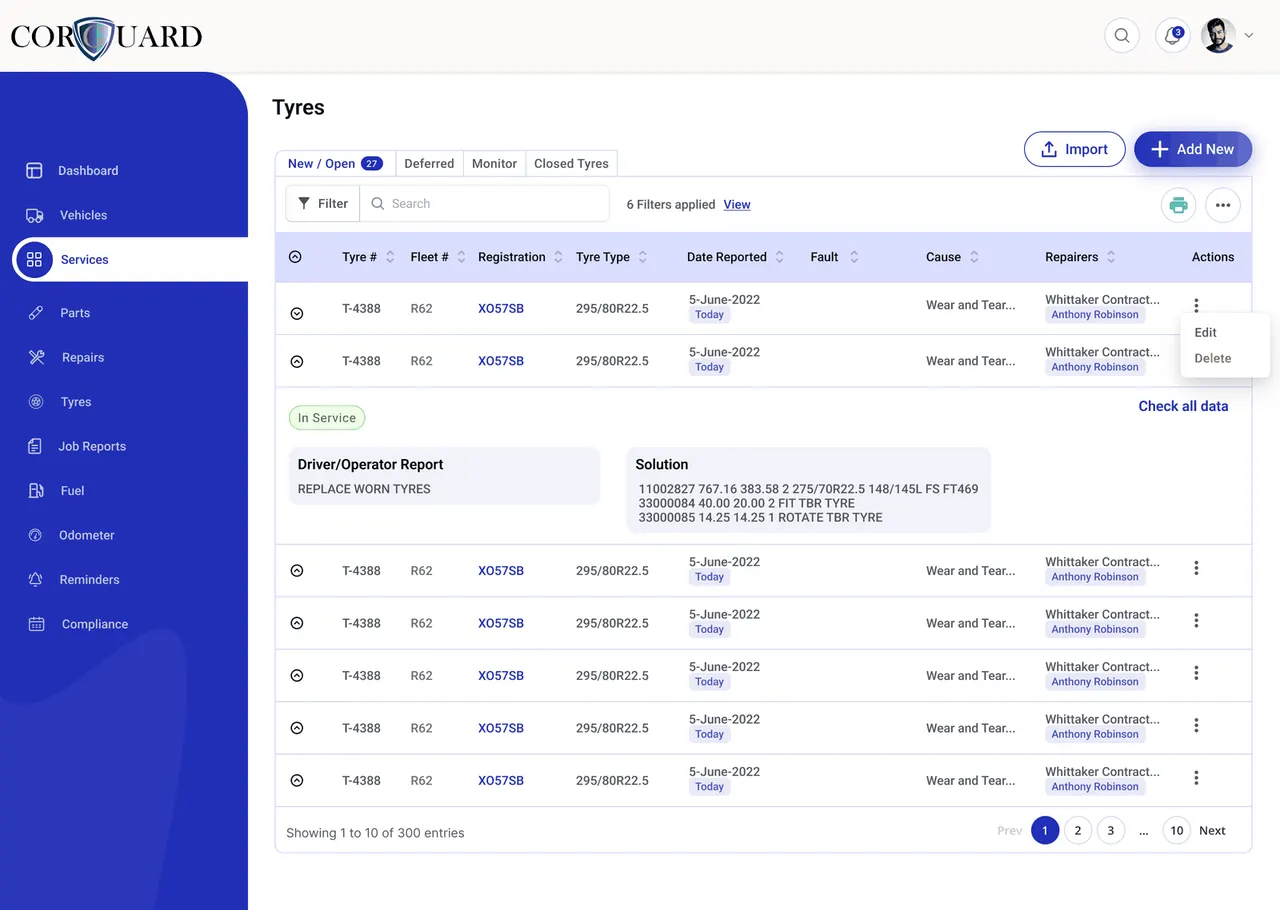
Advisory work should leave a practical implementation trail. These examples show how CoRGuard supports records, fatigue and driver diary checks, maintenance, audits, document control, inductions, corrective actions, and evidence review after MAEZ identifies the gaps.
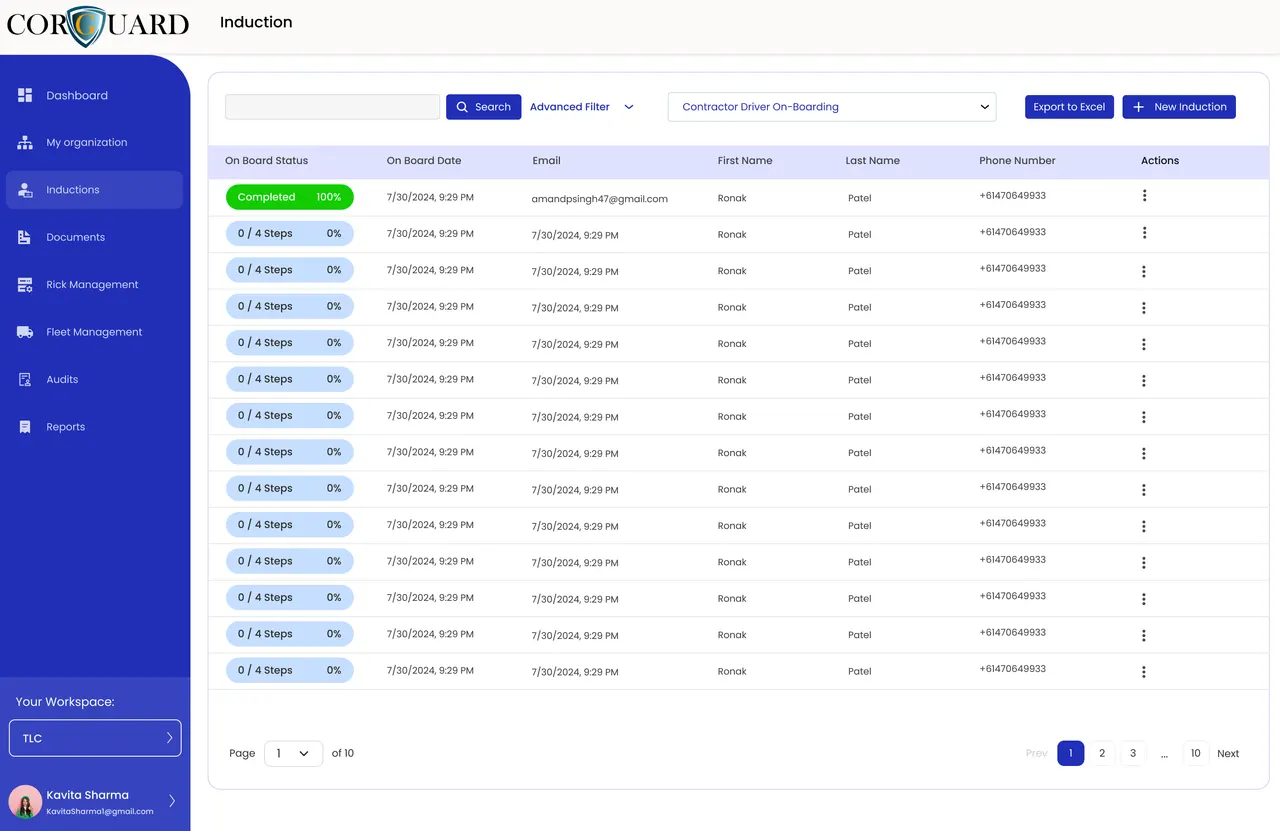
Training records
Connect training completion from cortraining.com.au to evidence and follow-up.
Driver diary checks
Connect fatigue and driver diary review back to manager visibility.
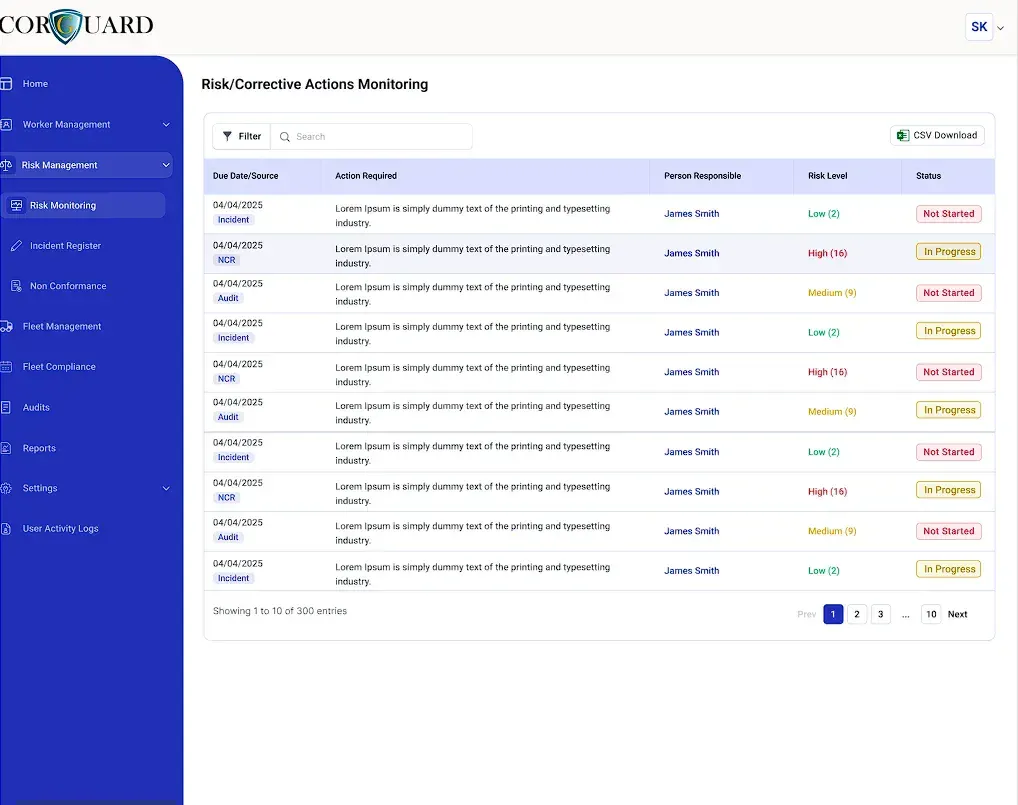
Corrective actions
Turn audit findings, hazards and incidents into tracked actions.
Keep exploring
Related Chain of Responsibility reading
MAEZ insight
Your Duty Of Care
A three-year-old boy, who was under the duty of care of Goodstart Early Learning, was found dead inside a minibus that was parked outside the Hambledon State School in the southern Cairns suburb of Edmonton on Tuesday 25th Feb 2020.
MAEZ insight
What Is Corporate Derivative Liability?
CASE STUDY: SAPOL vs The Trustee for FURLER FAMILY TRUST. Companies are being reminded to take speed restrictions seriously after a corporate derivative liability prosecution.
MAEZ insight
Chain of Responsibility Policy
Laws structure our everyday lives and tell us what we can or cannot do in certain circumstances; they are there to protect us from each other and to maintain a peaceful place to live, or at least as friendly as possible. Take the legislation that governs the speed we can use when travelling on our roads.
MAEZ insight
Chain of Responsibility (or CoR) in Victoria
October 2018 saw the first major changes to the Heavy Vehicle National Law (HVNL) since its 2014 adoption, which affect changes to Chain of Responsibility (or CoR) in Victoria.
MAEZ insight
Why Chain of Responsibility Matters to Your Business
Understanding and implementing an effective Chain of Responsibility (CoR) strategy is not only a matter of legislative compliance under the Heavy Vehicle National Law (HVNL), it is also crucial to the running of a successful business in the supply chain sector.
MAEZ insight
How Do Heavy Vehicle Operators Get Accreditation For Their Safety & Compliance?
The National Heavy Vehicle Accreditation Scheme (NHVAS), that is controlled by state and territory road transport agencies, was first introduced in 1999 as an alternative compliance scheme. In 2014, the NHVR took over the state based systems and now administer all aspects of the NHVAS.
Frequently asked questions
Questions people ask about this topic
Why does a heavy vehicle operator need a Safety Management System?
A Safety Management System gives an operator a structured framework to identify hazards, implement controls, train people, and keep the records auditors and regulators expect under the HVNL. Without one, a business relies on good intentions rather than evidence to demonstrate compliance.
How does Chain of Responsibility affect different roles in a transport business?
Chain of Responsibility distributes safety duty across every party who influences a transport task — from executives and managers responsible for vehicle registration and maintenance, to administration teams handling compliance records, to fleet managers and logistics planners carrying due diligence obligations.
What is the relationship between the HVNL and the Master Code?
The HVNL establishes the legal safety standards for heavy vehicle operations across Australia, while the Master Code is an industry-recognised guide that reinforces those standards and gives operators a structured way to demonstrate they are managing risk responsibly. Together they set the benchmark auditors and regulators use to assess compliance.
What are the most common risks a transport operation must manage under an SMS?
Common risks include inadequate registration checks, missed maintenance intervals, poor scheduling that drives fatigue, complacency in following NHVR guidelines, gaps in contractor inductions, unpredictable weather, and receiving-site delays that extend driver hours.
How does MAEZ help transport operators build a practical SMS?
MAEZ helps operators identify CoR, HVNL, WHS, and NHVAS gaps before an auditor does, builds SMS controls around how the business actually runs, and proves those controls with structured evidence. Where software is needed, CoRGuard supports training records, driver diary checks, maintenance, audits, and corrective actions.