
MAEZ insight
Demystifying HVNL Regulations: A Comprehensive Guide
A practical guide to the Heavy Vehicle National Law (HVNL) for Australian transport operators—covering who the law applies to, Chain of Responsibility duties, five key regulation areas, and executive obligations.
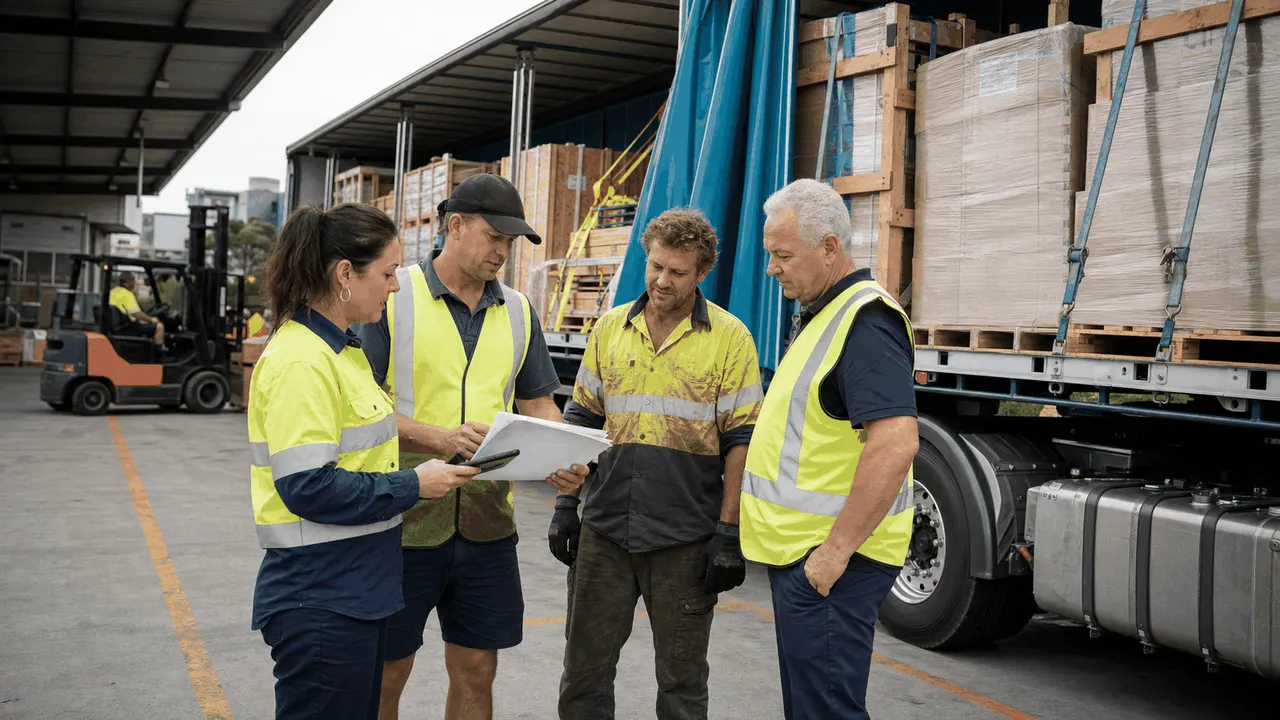
Receiving windows, site rules, and unloading delays can all shape the transport task.
Unloading decisions can affect safety, scheduling, and responsibility.
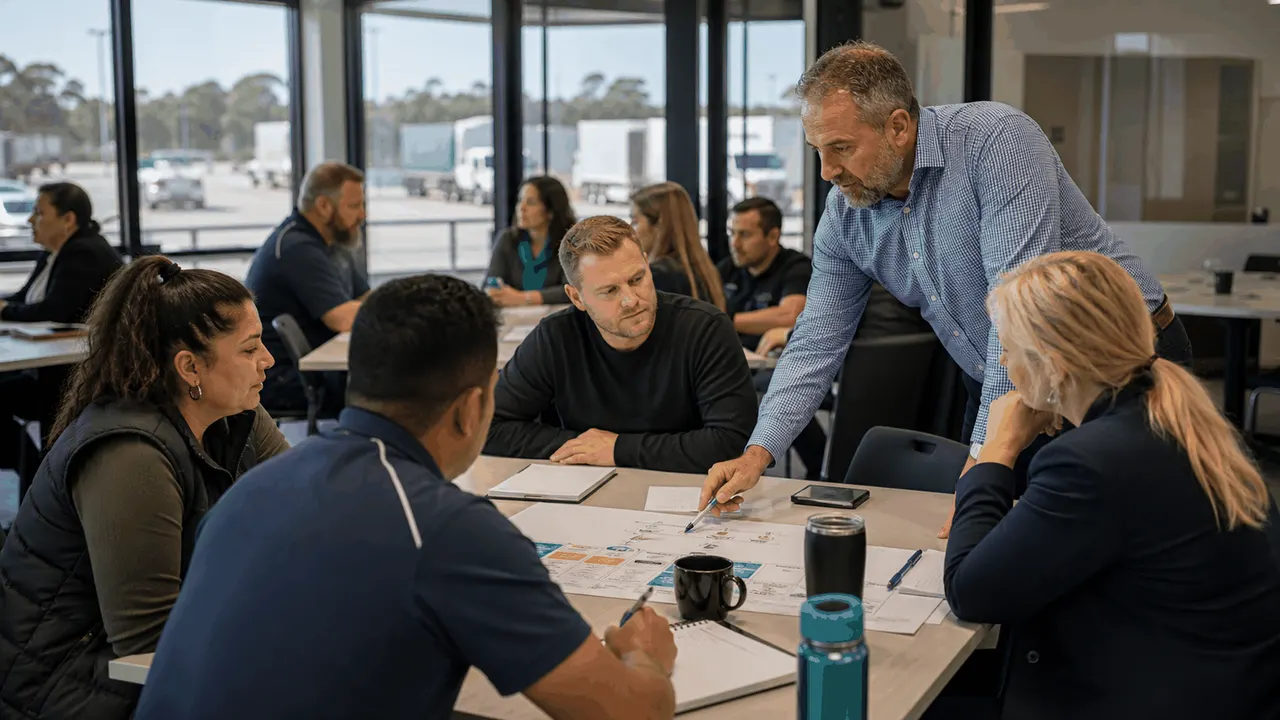
Managers need a clear view of gaps before audit or enforcement pressure arrives.

Contractor controls should be verified before the work starts.
Consignors
Freight terms, delivery windows, and KPIs must not push drivers into speed, fatigue, or mass breaches.
Consignees
Receiving rules, site access, and unloading delays are CoR controls that need to be set and evidenced.
Loaders
Mass, dimension, and load restraint decisions need documented checks, not assumptions.
Managers
Executives and managers need due-diligence evidence that the Safety Management System is actually working.
What is the Heavy Vehicle National Law (HVNL)?
One harmonised framework for heavy vehicles over 4.5 tonnes GVM
The Heavy Vehicle National Law (HVNL) is a harmonised national framework that regulates heavy vehicles over 4.5 tonnes GVM in participating Australian states and territories. It replaced multiple state-based systems with a single, consistent set of rules administered by the National Heavy Vehicle Regulator (NHVR), applying to every party in the supply chain.
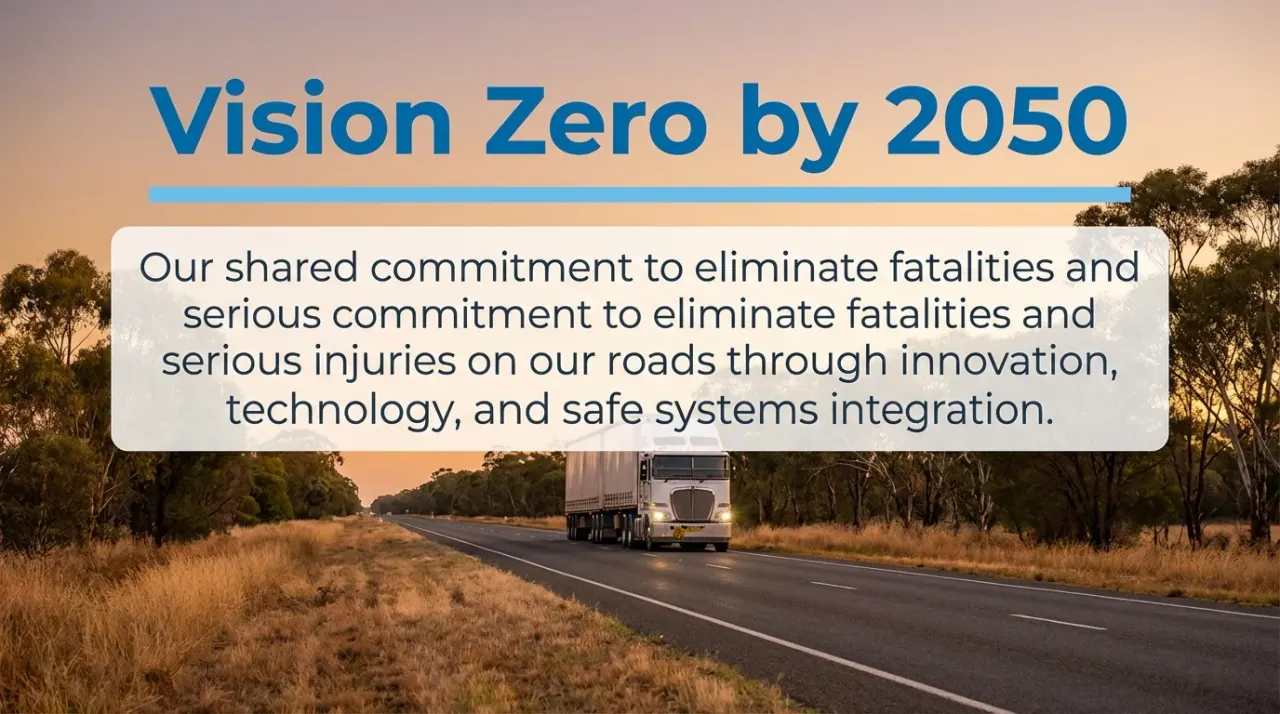
The law took effect in 2014, bringing together road transport regulations from the ACT, NSW, Queensland, South Australia, Tasmania, and Victoria under one legislative umbrella. The NHVR's Heavy Vehicle Productivity Plan aligns regulatory and productivity work with national road safety strategies seeking to reduce road trauma and work towards long-term 'Vision Zero' objectives—including zero deaths and serious injuries on Australian roads by 2050.
This is not red tape for the sake of it. The law applies whether you drive the truck, schedule the journey, load the cargo, or pay for the transport. Everyone in the supply chain shares responsibility for safe, compliant heavy vehicle operations.
Who administers HVNL and which jurisdictions participate?
The NHVR as central authority across six states and territories
The NHVR administers HVNL across participating jurisdictions. It issues permits, monitors compliance, conducts enforcement, and provides industry education. The regulator operates independently from state road authorities while working with state and territory agencies on enforcement activities.
The NHVR also develops guidance materials, registers industry codes of practice, and manages access schemes for heavy vehicles requiring special permits. For transport operators, the NHVR is the central authority for heavy vehicle compliance questions—whether you need a permit, want to understand an obligation, or are preparing for an audit.
Participating jurisdictions
Six Australian jurisdictions participate in HVNL:
- Australian Capital Territory
- New South Wales
- Queensland
- South Australia
- Tasmania
- Victoria
Western Australia and the Northern Territory maintain separate heavy vehicle legislation. For transport operators working across state borders, HVNL eliminates regulatory variations. One set of rules applies whether you are hauling freight from Sydney to Brisbane or Melbourne to Adelaide. This national approach reduces compliance complexity for businesses operating fleets across multiple states and creates consistent obligations for operators, drivers, schedulers, consignors, and loaders throughout the supply chain.
What are HVNL's five key regulation areas?
Each regulation addresses distinct safety risks in heavy vehicle transport
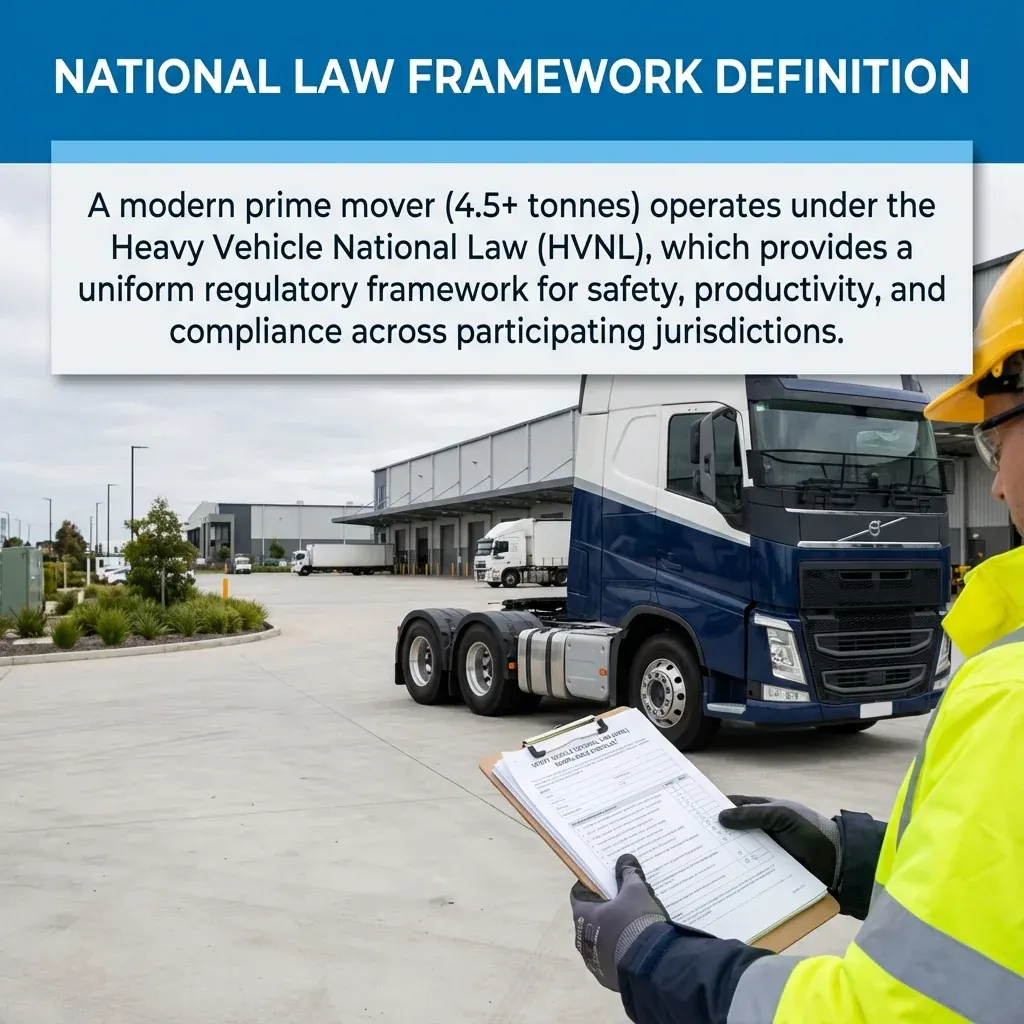
HVNL covers five critical operational areas through specific regulations. Each addresses distinct safety risks in heavy vehicle transport.
General Heavy Vehicle Regulation
The overarching framework that establishes Chain of Responsibility duties across the supply chain.
Fatigue Management
Sets driver rest and work hour limits, with work diary compliance requirements for fatigue-regulated heavy vehicles.
Mass, Dimension and Loading
Governs vehicle weight, load security, and dimensional limits, including weighbridge certification requirements.
Vehicle Registration
Requires current registration display for vehicle identification and tracking purposes.
Vehicle Standards
Covers roadworthiness and maintenance, requiring regular safety inspections to keep vehicles in compliant condition.
For a deeper look at how these obligations distribute across roles in your supply chain, see our guide to Chain of Responsibilities for Australian HVNL duty holders.
Who does HVNL apply to?
Every party in the supply chain, not just drivers and operators
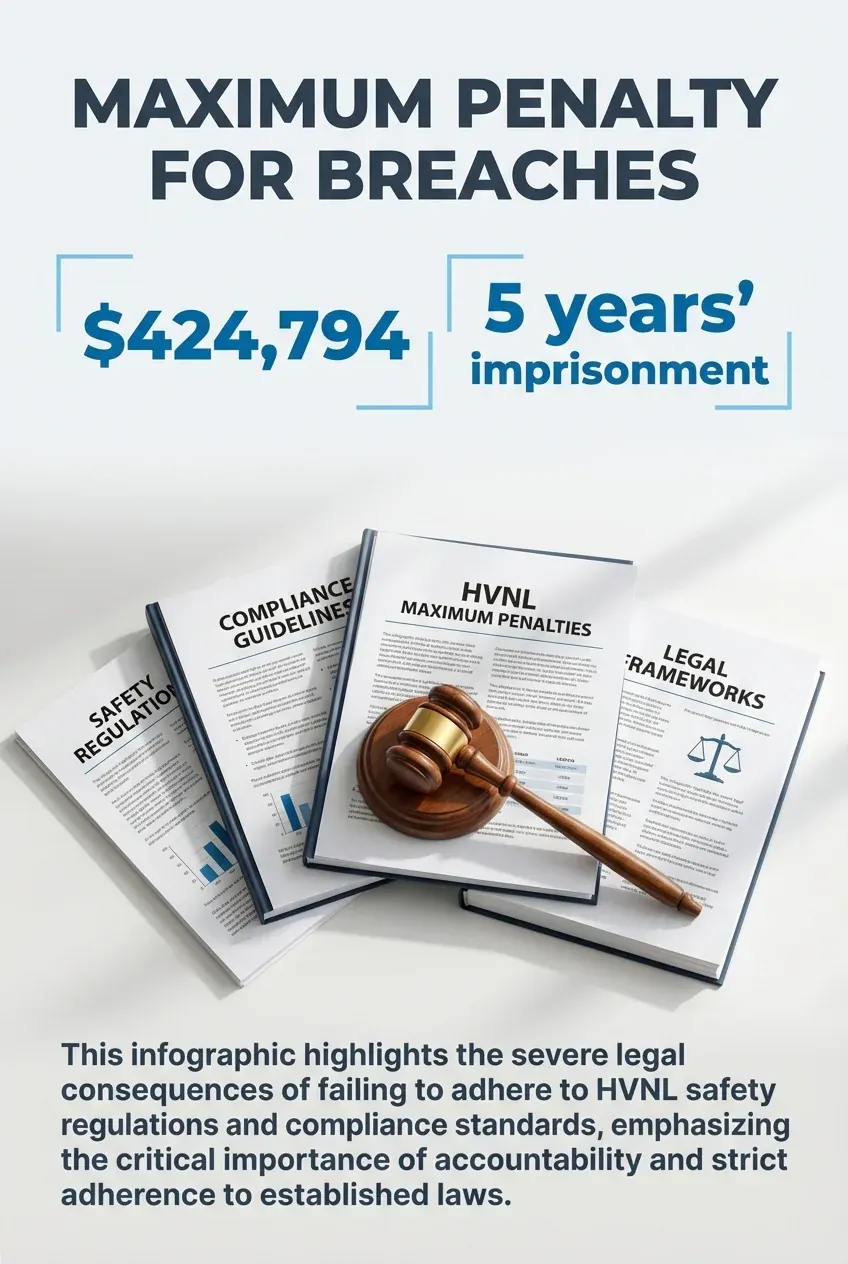
HVNL applies to every person involved in heavy vehicle transport activities. The 4.5-tonne gross vehicle mass (GVM) threshold determines coverage—any vehicle with a GVM exceeding 4.5 tonnes falls under HVNL when operating in participating jurisdictions. This includes prime movers, rigid trucks, buses, and trailers, whether registered for road use or operating under temporary permits.
HVNL identifies specific parties with direct compliance obligations, each with defined responsibilities based on their role in the transport task:
- Operators — fleet ownership and management, vehicle maintenance, driver management, compliance systems
- Drivers — work hour compliance, vehicle inspection, load security verification
- Schedulers — journey planning, reasonable timeframes, fatigue management consideration
- Consignors — accurate load information, reasonable delivery expectations
- Loaders — load restraint, weight distribution, dimensional compliance
These are not isolated obligations. Each party's actions affect others in the supply chain. When schedulers set unrealistic timeframes, drivers face pressure to breach fatigue limits. When consignors provide inaccurate weights, loaders cannot properly secure cargo.
To build practical understanding of these shared obligations, explore our Chain of Responsibility training for Australian operators.
What are executive officer duties under HVNL?
Directors and senior managers carry personal, non-delegable obligations

Company directors and senior managers carry specific obligations under HVNL. Executive officers must exercise due diligence to ensure their organisation complies with the law.
Due diligence includes:
- Acquiring knowledge about HVNL requirements
- Understanding the organisation's operations
- Ensuring appropriate resources are allocated for compliance
- Implementing verification processes
- Establishing incident reporting systems
These duties apply whether executives have direct operational involvement or not. Board members and managing directors cannot delegate their due diligence obligations to compliance managers or external consultants. This executive accountability ensures compliance is not treated as an operational issue alone—it requires leadership engagement with safety systems and resource allocation for proper risk management.
For targeted guidance, see our resource on Chain of Responsibility training for executives and managers.
How does Chain of Responsibility work?
Accountability distributed across every party that influences the transport task
Chain of Responsibility (CoR) is HVNL's foundational principle. It distributes legal accountability across every party influencing safe, compliant heavy vehicle operations—because breaches rarely result from driver decisions alone. Systemic pressures throughout the supply chain contribute to unsafe practices: schedulers setting tight timeframes, consignors demanding unrealistic delivery windows, and operators maintaining inadequate vehicles all influence driver behaviour.
The law addresses this by making each party accountable for their contribution to breaches. You can face prosecution even if you never touched the truck or met the driver.
Primary duty and reasonably practicable measures
Every party in the CoR carries a primary duty to ensure their transport activities do not cause or contribute to breaches. This applies to mass, dimension, loading, speed, fatigue, and vehicle standards requirements. The primary duty requires taking reasonably practicable measures to eliminate or minimise safety risks, considering:
- Available knowledge about the hazard
- Likelihood and severity of harm
- Cost versus risk-reduction benefit
- Available ways of eliminating or minimising risk
This is not a tick-box compliance exercise. It demands genuine risk assessment and implementation of control measures appropriate to identified hazards.
Shared liability across the supply chain
Multiple parties can face prosecution for the same breach. When an overloaded truck is intercepted, enforcement agencies investigate who contributed to the overload. The loader who secured the cargo, the consignor who provided weight information, the scheduler who set pickup times, and the operator who failed to verify weights might all share liability.
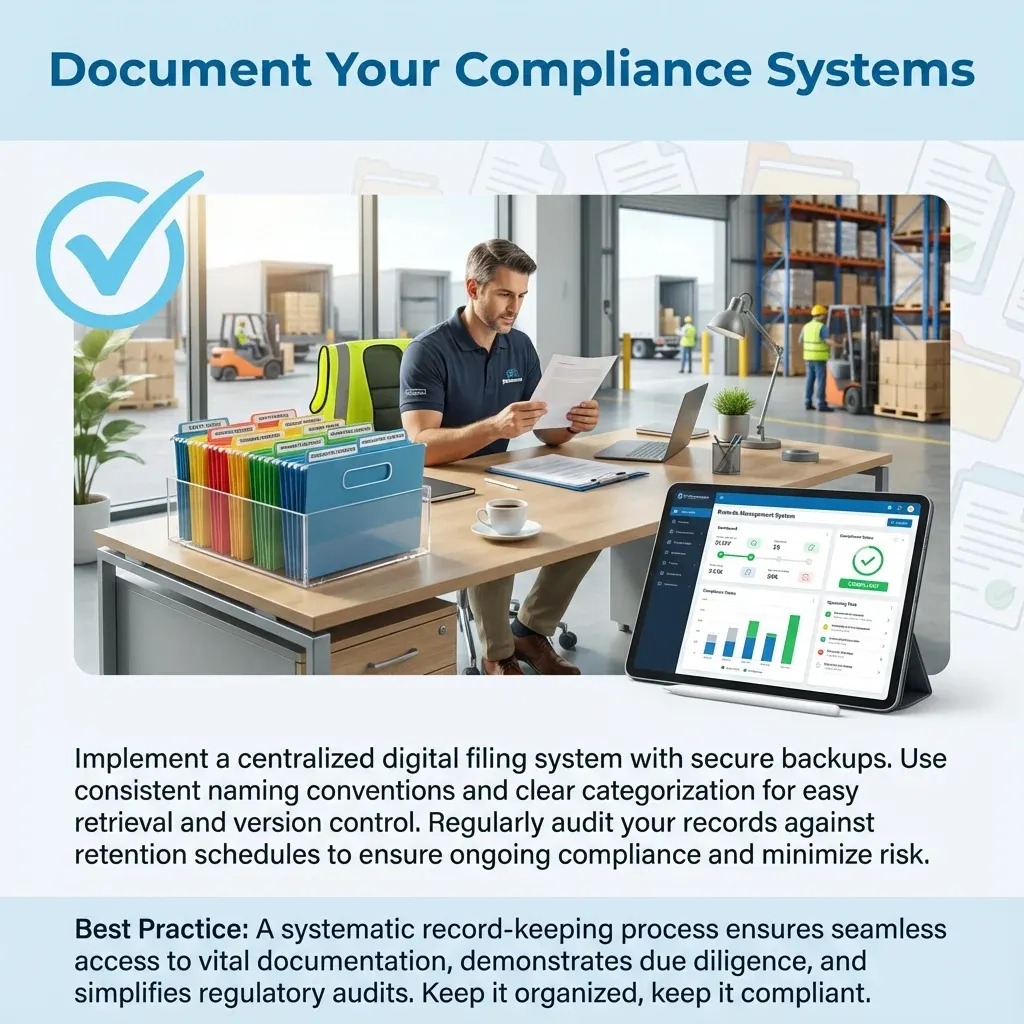
For a Category 1 primary safety duty offence, an individual can face a maximum penalty of $424,794 and/or up to 5 years' imprisonment. Courts treat serious breaches as criminal matters, not administrative violations.
To understand your obligations in detail, visit our About Chain of Responsibility page, or if you need a practical risk review, learn about our Chain of Responsibility consulting.
How MAEZ works
Find the gaps. Fix the system. Prove the controls.
MAEZ helps transport operators deal with the compliance risk they already know is there. We help get the Safety Management System in order, protect NHVAS accreditation, reduce fine exposure, and connect training, evidence, and CoRGuard workflows where software is needed.
Find
Identify what is exposed before an auditor or regulator does.
Fix
Build the SMS controls around how the transport business actually runs.
Prove
Use CoRGuard where records, reminders, diaries, audits, and evidence need structure.
From advice to evidence
From MAEZ advice to a working Safety Management System
Advisory work should leave a practical implementation trail. These examples show how CoRGuard supports records, fatigue and driver diary checks, maintenance, audits, document control, inductions, corrective actions, and evidence review after MAEZ identifies the gaps.
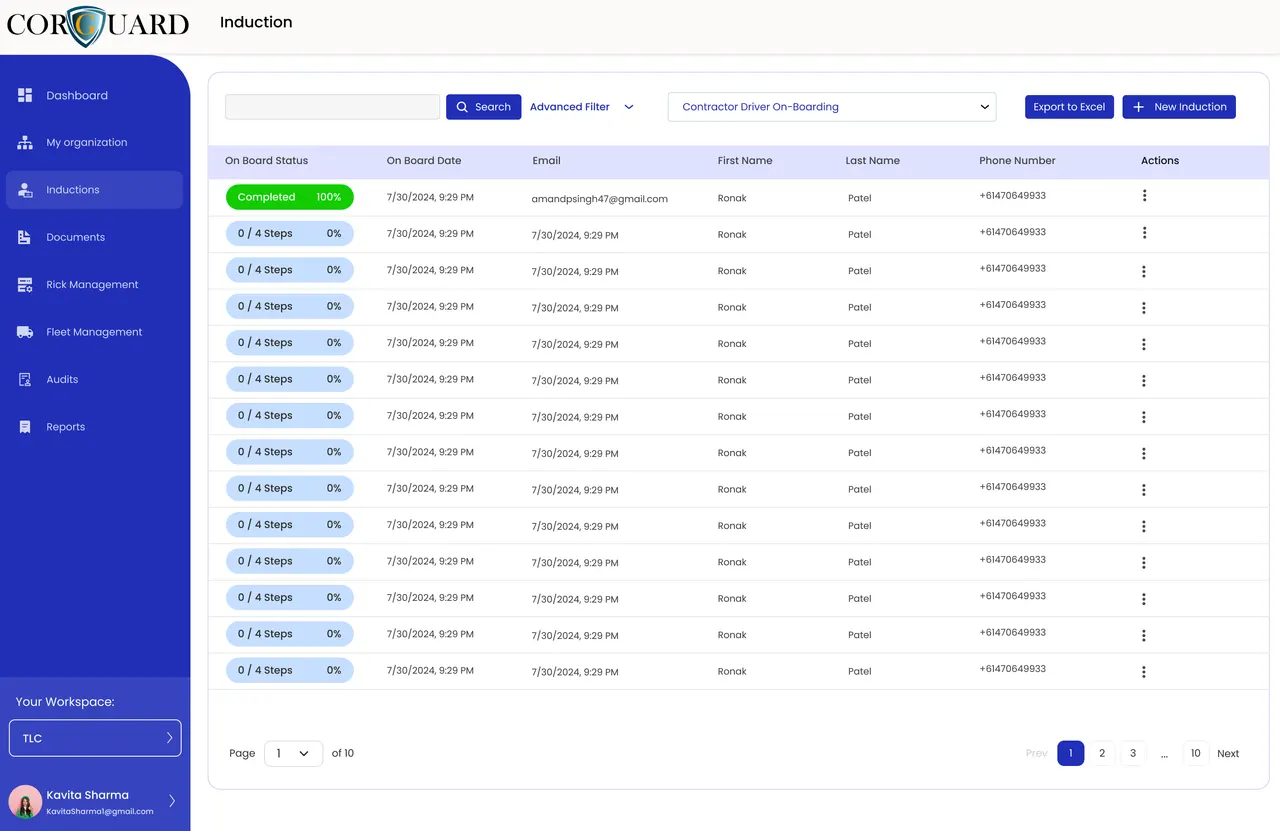
Training records
Connect training completion from cortraining.com.au to evidence and follow-up.
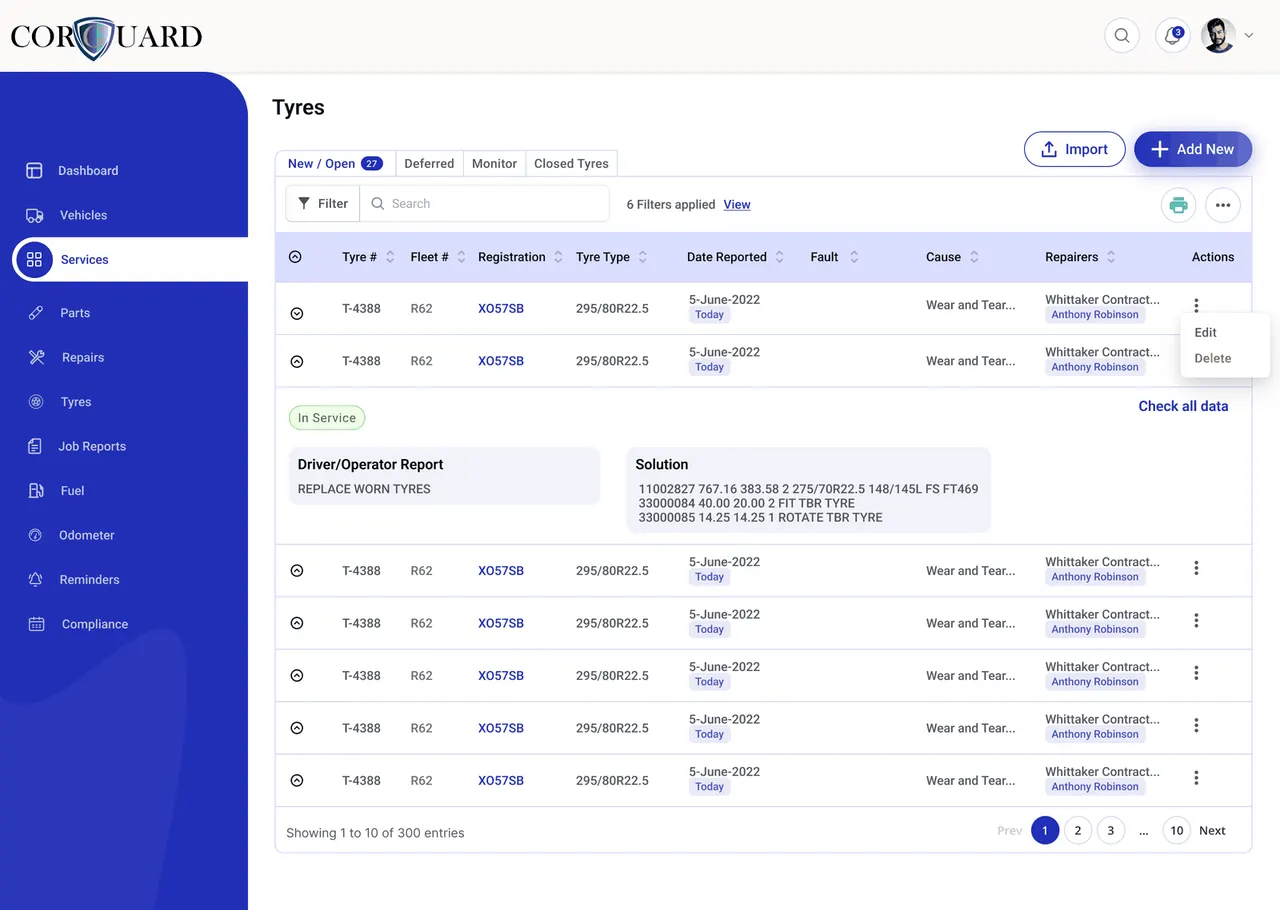
Driver diary checks
Connect fatigue and driver diary review back to manager visibility.
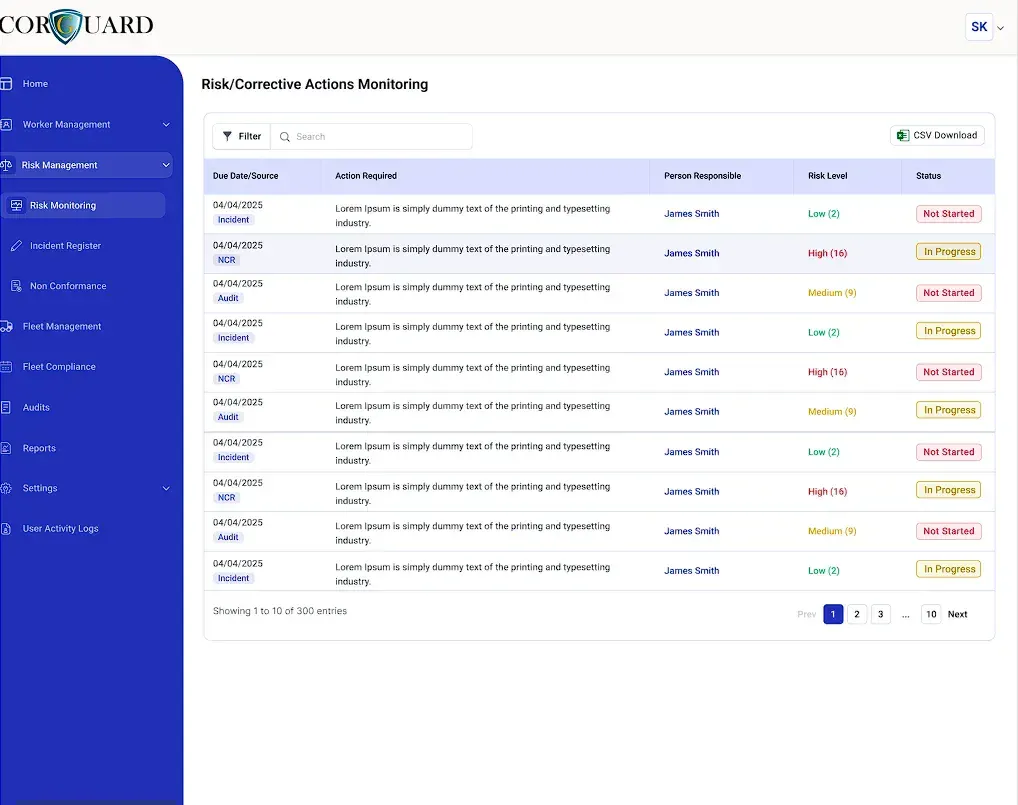
Corrective actions
Turn audit findings, hazards and incidents into tracked actions.
Keep exploring
Related Chain of Responsibility reading
MAEZ insight
Understanding HVNL Compliance: A Step-by-Step Guide
Learn how to comply with HVNL effectively with our step-by-step guide. Ensure safety and legal adherence in your transport supply chain.
MAEZ insight
Top Tips for Ensuring Chain of Responsibility Compliance
Discover essential chain of responsibility compliance tips to enhance safety, protect business interests, and ensure legal adherence under HVNL.
MAEZ insight
Essential Chain of Responsibility Checklist for 2023
Stay compliant with the Chain of Responsibility Checklist 2023. Ensure safety under HVNL with our comprehensive guide for transport operators and managers.
MAEZ insight
Understanding the Latest HVNL Updates and Changes
Stay informed on HVNL updates and changes with our detailed guide. Learn about new compliance rules and safety management systems effectively.
MAEZ insight
Crafting an Effective Transport Safety Management Plan
Learn how to craft an effective transport safety management plan to prevent crashes, reduce injuries, and ensure operational continuity in your organization.
MAEZ insight
Top Strategies for Effective Supply Chain Risk Management
Discover the best practices in supply chain risk management to mitigate threats and ensure operational continuity. Keep disruptions at bay effectively.
Frequently asked questions
Questions people ask about this topic
What vehicles are covered by the Heavy Vehicle National Law?
The HVNL covers any vehicle with a gross vehicle mass (GVM) exceeding 4.5 tonnes operating in participating jurisdictions, including prime movers, rigid trucks, buses, and trailers—whether registered for road use or operating under temporary permits.
Which Australian states and territories operate under HVNL?
Six jurisdictions participate in HVNL: the Australian Capital Territory, New South Wales, Queensland, South Australia, Tasmania, and Victoria. Western Australia and the Northern Territory maintain separate heavy vehicle legislation.
Can company directors delegate their HVNL due diligence obligations?
No. Executive officers, including board members and managing directors, must exercise due diligence personally and cannot delegate these obligations to compliance managers or external consultants, regardless of their direct operational involvement.
What penalties apply for a Category 1 primary safety duty offence under HVNL?
For a Category 1 primary safety duty offence, an individual can face a maximum penalty of $424,794 and/or up to 5 years' imprisonment. Courts treat serious breaches as criminal matters, not administrative violations.
Can multiple parties be prosecuted for the same HVNL breach?
Yes. Under Chain of Responsibility, multiple parties can face prosecution for the same breach. When an overloaded truck is intercepted, enforcement agencies investigate everyone who contributed—including loaders, consignors, schedulers, and operators—who may all share liability.