
MAEZ insight
Understanding HVNL Compliance: A Step-by-Step Guide
A practical step-by-step guide to HVNL compliance for Australian transport operators. Learn who must comply, what the primary duty requires, and how to build sustainable Chain of Responsibility adherence.

Due diligence means knowing whether the safety system is actually working.

Proof that freight promises do not create unsafe transport pressure.
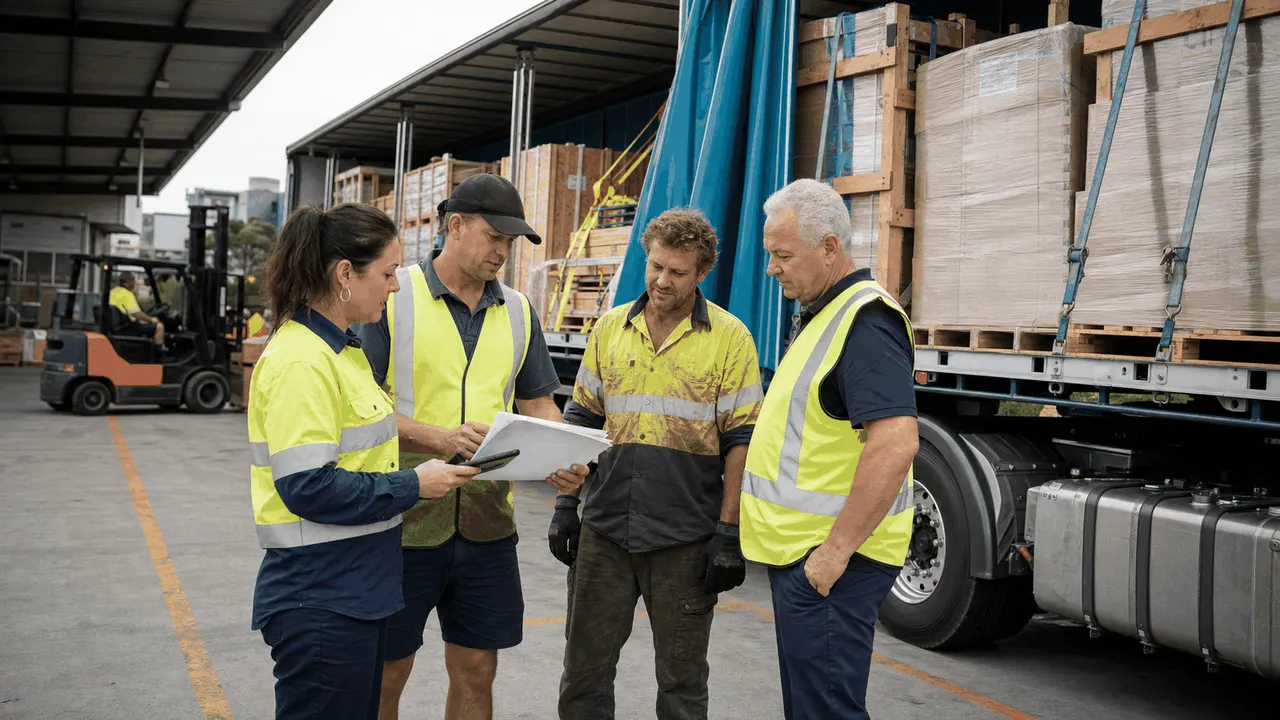
Loading controls need evidence, not assumptions.
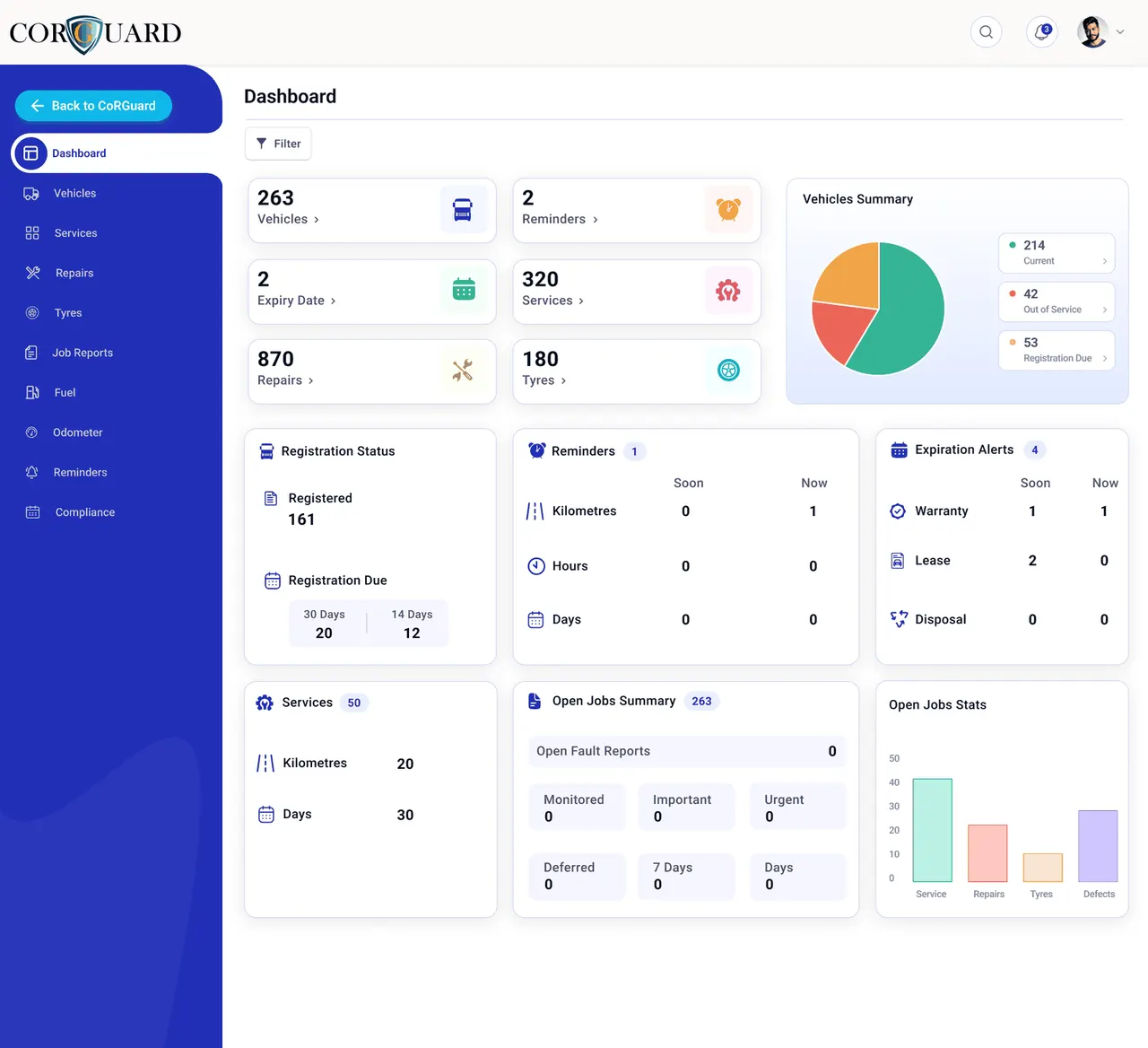
Daily fleet activity has to connect back to duties, controls, and review.
Consignors
Freight terms, delivery windows, and KPIs must not push drivers into speed, fatigue, or mass breaches.
Consignees
Receiving rules, site access, and unloading delays are CoR controls that need to be set and evidenced.
Loaders
Mass, dimension, and load restraint decisions need documented checks, not assumptions.
Managers
Executives and managers need due-diligence evidence that the Safety Management System is actually working.
What HVNL Compliance Really Means
Active safety management across the entire supply chain
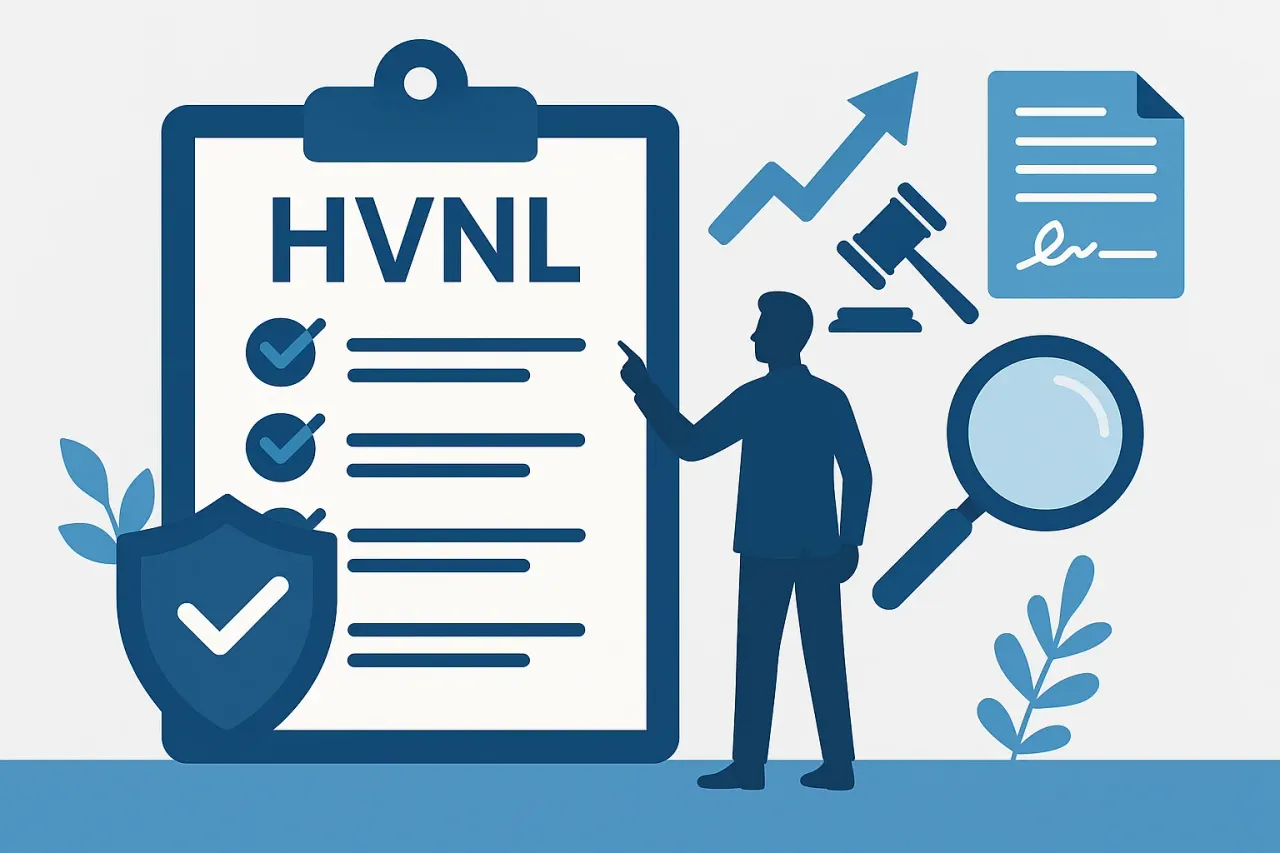
HVNL compliance means actively managing heavy vehicle safety across your entire supply chain under Australia's Heavy Vehicle National Law. Every party with control or influence over transport operations — operators, consignors, loaders, schedulers, and executives — carries a positive duty to eliminate or minimise risks so far as is reasonably practicable, supported by documented systems, training, and evidence.
Most businesses fail not because they ignore safety, but because they treat HVNL compliance as a driver-only concern. The Chain of Responsibility (CoR) framework applies statutory duties across your supply chain, meaning schedulers, consignors, loaders, consignees, and operators all share legal responsibility for preventing fatigue breaches, mass limit violations, load restraint failures, and vehicle standard defects. You cannot contract out of these obligations through commercial agreements or outsourcing arrangements.
This guide walks through the steps required to build and maintain genuine HVNL compliance — covering who must comply, what the primary duty entails, how to implement practical controls, and why a Safety Management System forms the foundation of sustainable adherence.
Understanding the Heavy Vehicle National Law
Uniform national regulations for vehicles over 4.5 tonnes
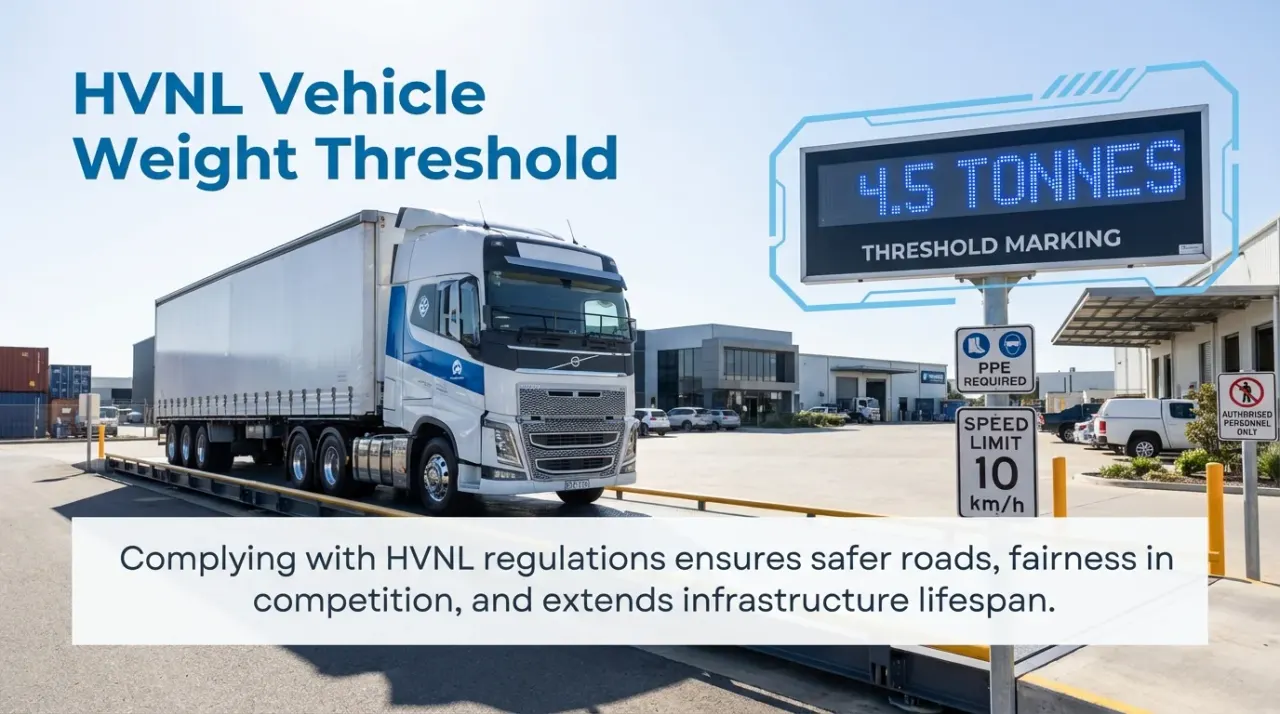
The Heavy Vehicle National Law establishes uniform regulations for vehicles over 4.5 tonnes gross vehicle mass operating across Australia. Under HVNL, a heavy vehicle includes a motor vehicle or combination with a gross vehicle mass or aggregate trailer mass of more than 4.5 tonnes.
This threshold captures a wide range of commercial transport activities:
- Prime movers
- Rigid trucks
- Semi-trailers
- B-doubles
- Road trains
All of these fall under HVNL jurisdiction when they exceed the mass threshold. The National Heavy Vehicle Regulator administers the HVNL across participating jurisdictions, creating consistency for operators working across state boundaries. This replaces previous fragmented state-based systems with national standards for compliance, enforcement, and accreditation.
What Chain of Responsibility Means for Your Business
Shared, non-transferable legal duties across the supply chain
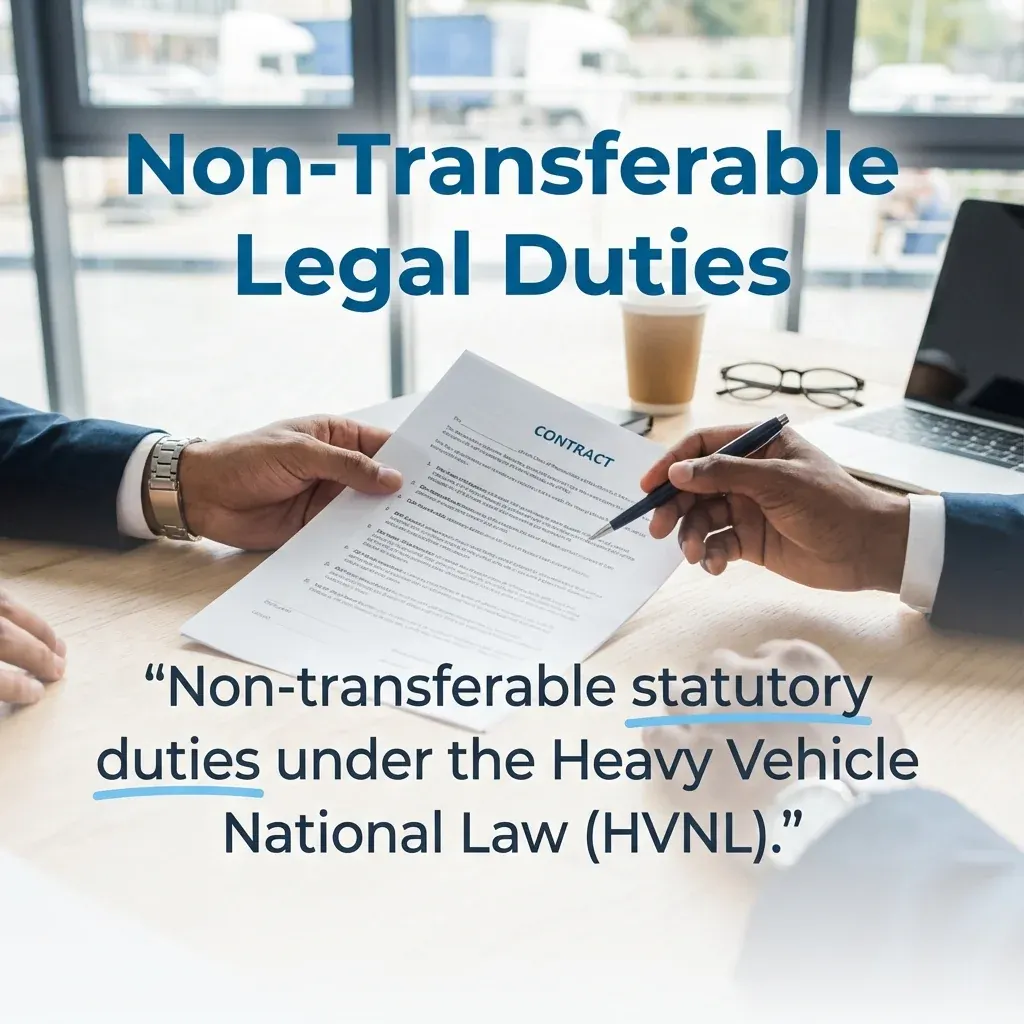
Chain of Responsibility represents the core safety philosophy within HVNL. Rather than placing sole responsibility on drivers, CoR recognises that multiple parties influence transport safety outcomes. Each party in the supply chain who has control or influence over transport activities must ensure their actions do not cause or contribute to breaches.
This applies whether you employ drivers directly or engage transport providers through contracts. CoR duties are non-transferable — parties cannot contract out of their statutory responsibilities through outsourcing, subcontracting, or commercial terms. Your contractual arrangements do not remove your legal obligations under HVNL.
Three principles underpin the HVNL framework:
Safety obligations extend beyond the driver
All parties with influence over transport activities carry duties — not just the person behind the wheel.
Duties require positive action
You must take proactive steps to prevent breaches, not merely avoid direct involvement.
The standard is "reasonably practicable"
This considers risk severity, likelihood, available controls, and implementation costs. High-risk scenarios with severe potential consequences require more extensive controls, even if costly. Lower risks may justify simpler measures.
These principles shift compliance from reactive to proactive. You must identify risks before they cause incidents, implement controls proportionate to the risk level, and continuously monitor effectiveness. The HVNL approach aligns with contemporary workplace health and safety legislation — both frameworks emphasise systematic risk management, documented procedures, worker consultation, and executive accountability through due diligence obligations.
For a deeper look at how CoR duties apply to different parties, see our guide on what Australian HVNL duty holders need to understand. You can also learn more in our overview of Chain of Responsibility.
Who Must Comply: Identifying Your Role
Your role determines your precise obligations
HVNL compliance responsibilities extend to specific parties based on their role and influence in transport activities. Understanding which category applies to your business determines your precise obligations.
Operators
Operators include businesses or individuals who own or lease heavy vehicles for transport purposes. This encompasses fleet owners, prime contractors managing vehicles, and businesses that hire vehicles for commercial use. Operators carry direct responsibility for vehicle standards, maintenance systems, and driver compliance. You must ensure vehicles meet roadworthiness requirements, maintain service records, implement inspection procedures, and verify drivers hold appropriate licences and medical certification. These duties extend to fatigue management systems, mass compliance procedures, and load restraint verification — and cannot be delegated away through contracts.
Schedulers, Consignors, and Loaders
Schedulers control or influence driver work and rest times through delivery deadlines, pickup schedules, or route requirements. Consignors dispatch goods for transport and often determine loading requirements, weight specifications, and delivery timing. Loaders physically place goods in or on vehicles and secure loads. Your scheduling decisions, loading instructions, and contract terms must not create pressure that encourages speeding, fatigue breaches, or overloading. Loaders must ensure loads comply with mass limits, do not exceed dimension restrictions, and are properly restrained to prevent movement or loss during transport.
Consignees, Drivers, and Other Parties
Consignees receive goods at destination and may influence unloading timing, waiting periods, or return schedules. Your receiving processes must not create conditions that encourage drivers to breach HVNL requirements. Drivers carry personal responsibility for work diary requirements, fatigue rules, mass limits, and vehicle standards — but driver obligations do not reduce other parties' CoR duties. Additional parties include loading managers, packing contractors, freight forwarders, and any other person who exercises control or influence over transport activities.
Executive Officers and Due Diligence
Executive officers of companies involved in heavy vehicle operations carry specific due diligence obligations. You must acquire and maintain knowledge of HVNL requirements, understand business operations, ensure appropriate resources for compliance, implement information systems to monitor adherence, and verify control measures operate effectively. These duties cannot be delegated to managers or consultants — while you can engage specialists to develop systems and provide advice, executive accountability for due diligence remains with company officers. For targeted guidance, see our resource on CoR training for executives and managers.
The Primary Duty: Your Core Safety Obligations
A positive duty to prevent breaches so far as is reasonably practicable
The primary duty establishes the fundamental obligation for all CoR parties. You must ensure, so far as is reasonably practicable, that your conduct does not cause or contribute to breaches of HVNL safety provisions.
Understanding "Reasonably Practicable"
Reasonably practicable sets the compliance standard. This legal concept requires you to implement controls unless the cost is grossly disproportionate to the risk reduction achieved. The assessment considers several factors:
- The likelihood of hazards occurring in your operations
- The degree of harm that could result from identified risks
- What you know or should reasonably know about hazards and control methods
- The availability and suitability of controls
- The cost of implementing available controls relative to the risk
This creates a sliding scale — high-risk scenarios with severe potential consequences require more extensive controls, even if costly. Lower risks may justify simpler, less expensive measures.
What the Primary Duty Covers
Your primary duty applies across four critical safety areas:
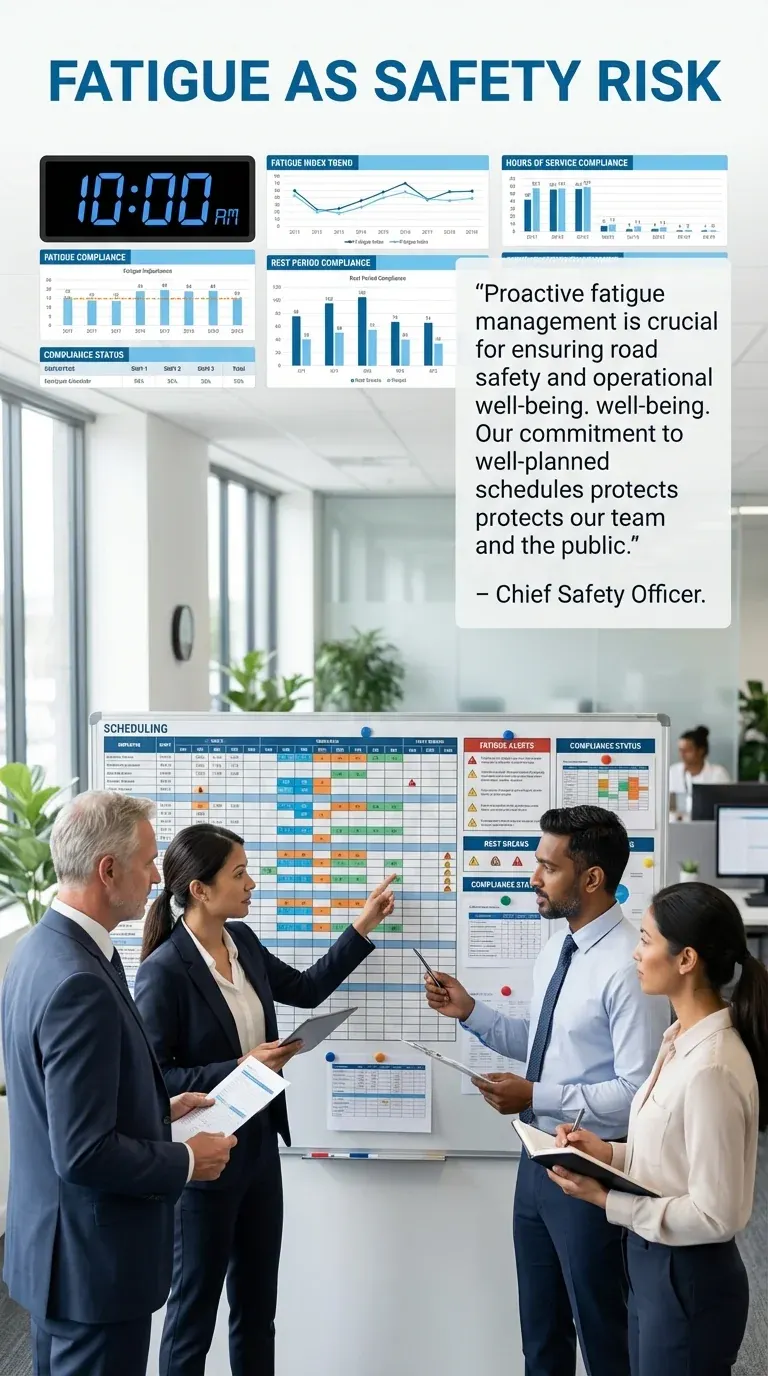
- Fatigue — Your scheduling, delivery timing, and contract terms must not create pressure for drivers to work beyond legal hours or manipulate work diaries. Fatigue is treated as a safety risk within CoR, and parties with control or influence have a positive duty to ensure their conduct does not cause or encourage breaches.
- Mass and dimension — Your loading practices, payload specifications, and vehicle selection must prevent overloading. Loads must not exceed axle group limits, gross vehicle mass ratings, or height, width, and length restrictions.
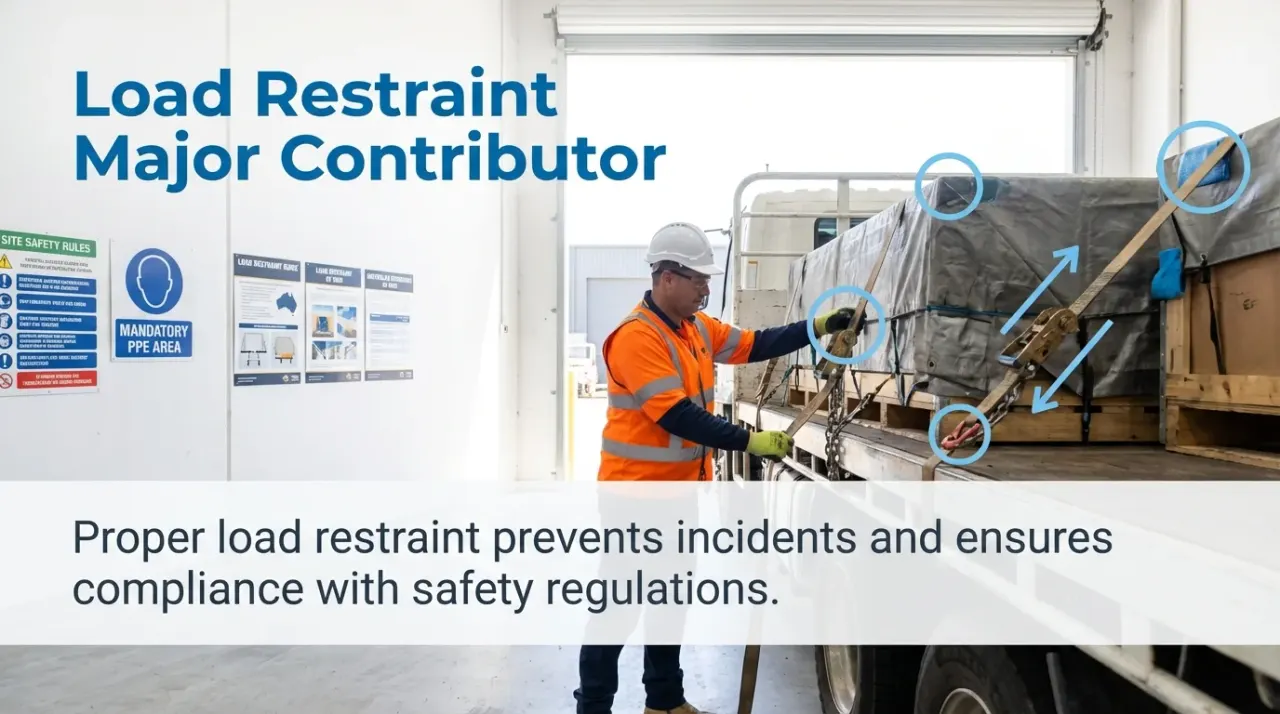
- Load restraint — Proper securing methods, appropriate restraint equipment, and verification that loads will not shift or fall during normal transport conditions are essential. Load restraint failures are a major contributor to heavy vehicle incidents.
- Vehicle standards — Your vehicles must meet safety, emissions, and anti-theft requirements, with documented inspection and repair procedures covering roadworthiness and defect reporting.
Positive Obligations and Proactive Management
The primary duty creates positive obligations. Simply avoiding direct violations is insufficient. You must take active steps to prevent breaches across your sphere of influence — implementing systems to identify risks, establishing controls to manage identified hazards, training workers on safety procedures, monitoring compliance effectiveness, and adjusting controls when deficiencies emerge. Using subcontractors, labour hire arrangements, or owner-drivers does not transfer your primary duty to those parties. Each retains their own CoR obligations while you maintain yours.
Building Compliance Step by Step
Five connected stages for sustainable HVNL adherence
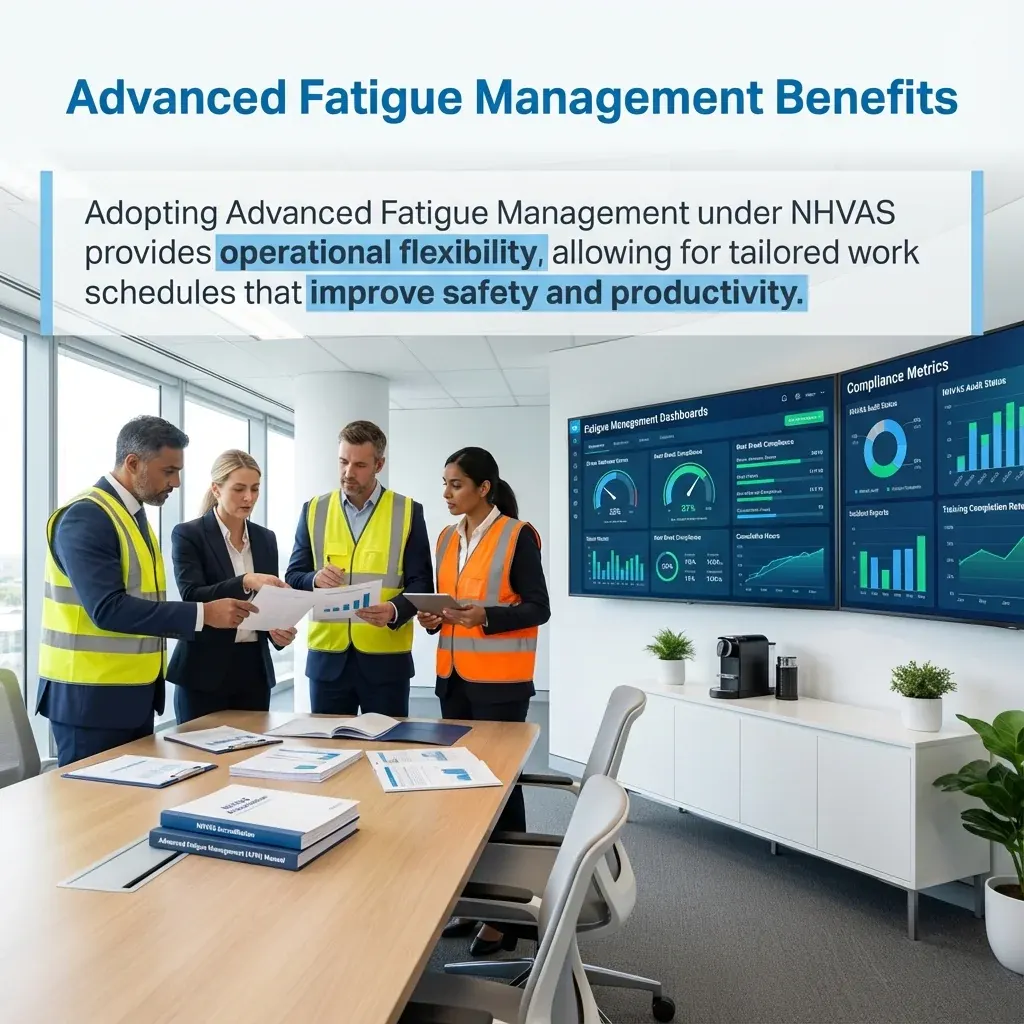
Building HVNL compliance requires systematic implementation across five connected stages. Each builds on the previous step to create sustainable adherence rather than a one-off exercise.
The process moves from understanding your obligations through to implementing documented systems, training your people, monitoring effectiveness, and continuously improving. A Safety Management System forms the foundation — giving you a structured framework to identify risks, apply controls, and generate the evidence regulators expect.
Get Hands-On Support
If you need support to review your current position or close specific gaps, CoR consulting can help you assess where you stand. For building internal capability, CoR training equips your team with practical knowledge tailored to their roles. You can also contact MAEZ to discuss a tailored compliance roadmap for your operation.
For operators preparing for upcoming regulatory changes, our guide on HVNL 2026 changes and CoR training readiness provides forward-looking guidance.
How MAEZ works
Find the gaps. Fix the system. Prove the controls.
MAEZ helps transport operators deal with the compliance risk they already know is there. We help get the Safety Management System in order, protect NHVAS accreditation, reduce fine exposure, and connect training, evidence, and CoRGuard workflows where software is needed.
Find
Identify what is exposed before an auditor or regulator does.
Fix
Build the SMS controls around how the transport business actually runs.
Prove
Use CoRGuard where records, reminders, diaries, audits, and evidence need structure.
From advice to evidence
From MAEZ advice to a working Safety Management System
Advisory work should leave a practical implementation trail. These examples show how CoRGuard supports records, fatigue and driver diary checks, maintenance, audits, document control, inductions, corrective actions, and evidence review after MAEZ identifies the gaps.
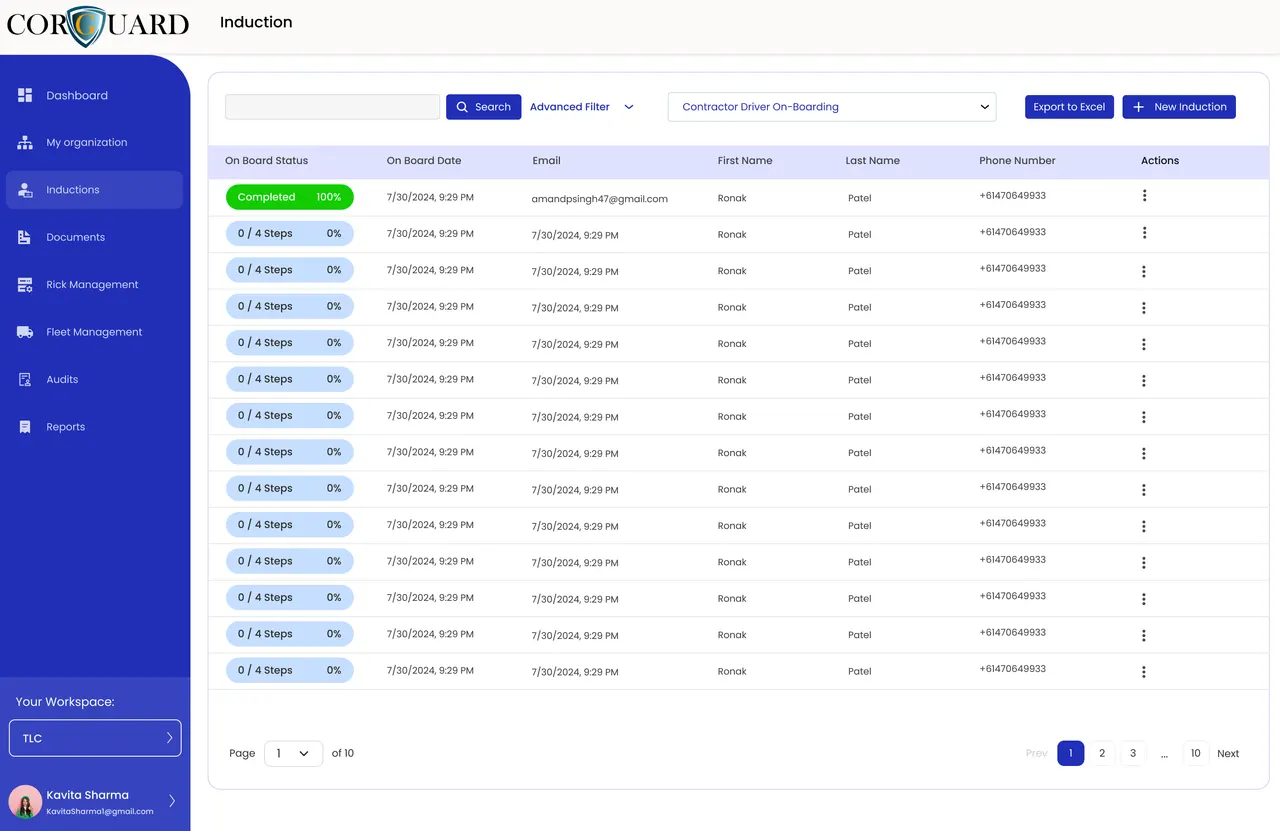
Training records
Connect training completion from cortraining.com.au to evidence and follow-up.
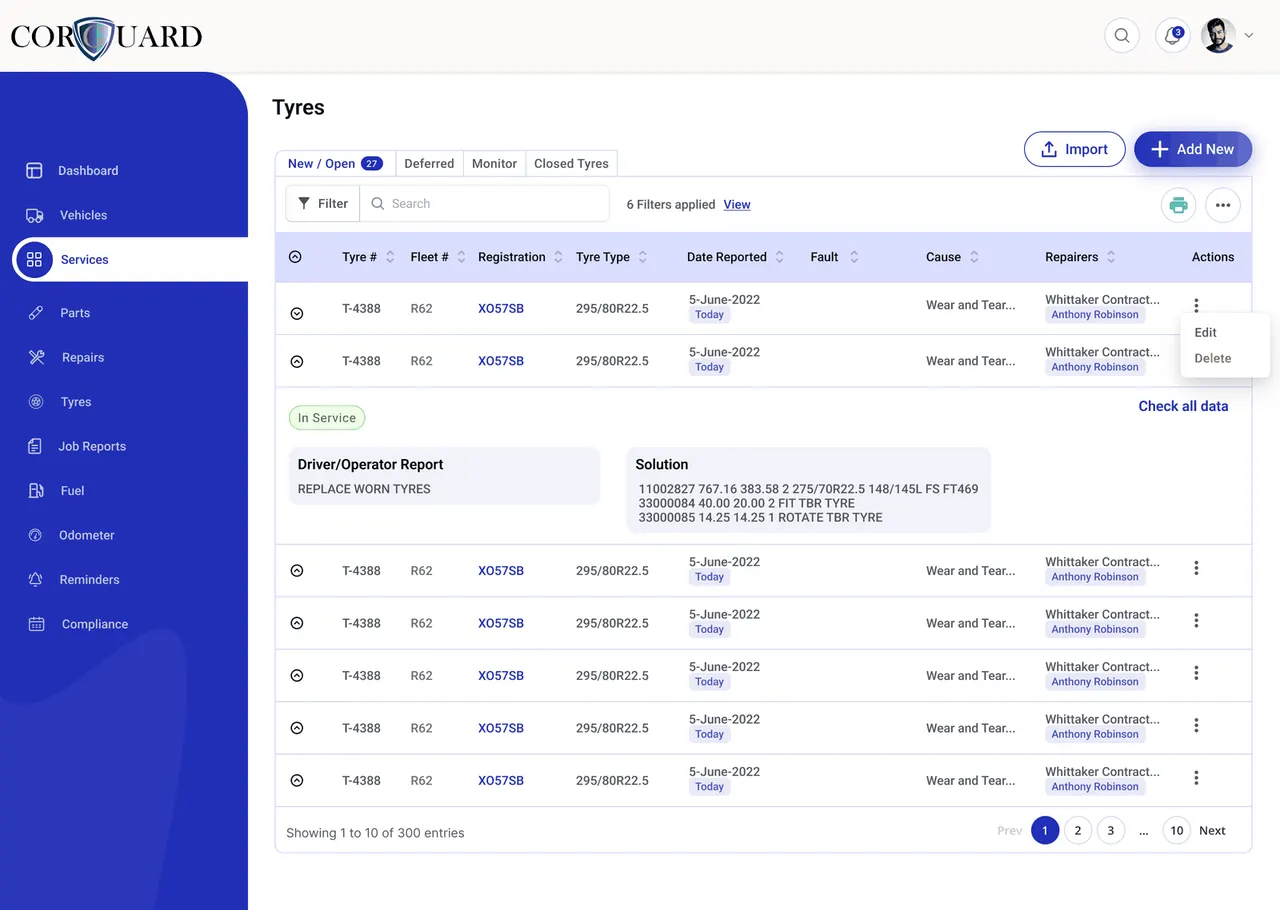
Driver diary checks
Connect fatigue and driver diary review back to manager visibility.
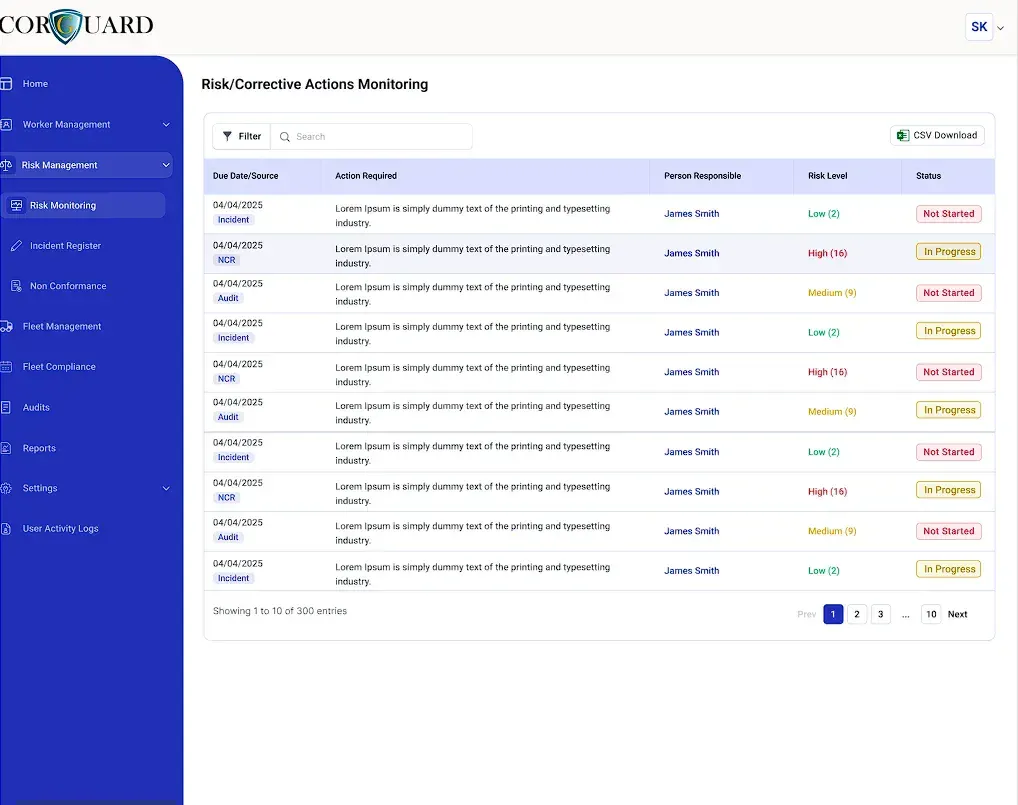
Corrective actions
Turn audit findings, hazards and incidents into tracked actions.
Keep exploring
Related Chain of Responsibility reading
MAEZ insight
Top Tips for Ensuring Chain of Responsibility Compliance
Discover essential chain of responsibility compliance tips to enhance safety, protect business interests, and ensure legal adherence under HVNL.
MAEZ insight
Essential Chain of Responsibility Checklist for 2023
Stay compliant with the Chain of Responsibility Checklist 2023. Ensure safety under HVNL with our comprehensive guide for transport operators and managers.
MAEZ insight
Understanding the Latest HVNL Updates and Changes
Stay informed on HVNL updates and changes with our detailed guide. Learn about new compliance rules and safety management systems effectively.
MAEZ insight
Crafting an Effective Transport Safety Management Plan
Learn how to craft an effective transport safety management plan to prevent crashes, reduce injuries, and ensure operational continuity in your organization.
MAEZ insight
Top Strategies for Effective Supply Chain Risk Management
Discover the best practices in supply chain risk management to mitigate threats and ensure operational continuity. Keep disruptions at bay effectively.
MAEZ insight
Mastering Chain of Responsibility: Top Best Practices
Discover the top best practices for mastering the chain of responsibility. Enhance your coding with flexible, maintainable solutions today!
Frequently asked questions
Questions people ask about this topic
What does HVNL compliance require of Australian transport operators?
HVNL compliance requires businesses to actively manage safety across the entire transport supply chain by implementing documented safety systems, training all supply chain participants, conducting regular risk assessments, maintaining comprehensive records, and ensuring executive oversight through due diligence. Every party with control or influence over heavy vehicle operations carries a positive duty to eliminate or minimise risks so far as is reasonably practicable.
Can I contract out of my Chain of Responsibility obligations?
No. CoR duties are non-transferable — you cannot contract out of your statutory responsibilities through outsourcing, subcontracting, or commercial terms. Your contractual arrangements do not remove your legal obligations under HVNL, and using subcontractors or owner-drivers does not transfer your primary duty to those parties.
Who must comply with the Heavy Vehicle National Law?
HVNL compliance responsibilities extend to operators, schedulers, consignors, loaders, consignees, drivers, executive officers, and any other party who exercises control or influence over transport activities involving vehicles over 4.5 tonnes gross vehicle mass. Each party's specific obligations depend on their role and degree of influence.
What does "reasonably practicable" mean under the HVNL primary duty?
"Reasonably practicable" requires you to implement controls unless the cost is grossly disproportionate to the risk reduction achieved. The assessment considers the likelihood of hazards, the degree of potential harm, what you know or should know about hazards and controls, the availability and suitability of controls, and the cost of implementation relative to the risk.
What safety areas does the HVNL primary duty cover?
The primary duty covers four critical safety areas: fatigue management, mass and dimension compliance, load restraint, and vehicle standards. Your conduct must not cause or contribute to breaches in any of these areas so far as is reasonably practicable.