
MAEZ insight
Penalties for Breaches of Heavy Vehicle National Law (HVNL)
Understand HVNL penalties, infringement notices, court-imposed fines, demerit points, and Chain of Responsibility duty-holder exposure for Australian transport operators.

Proof that freight promises do not create unsafe transport pressure.
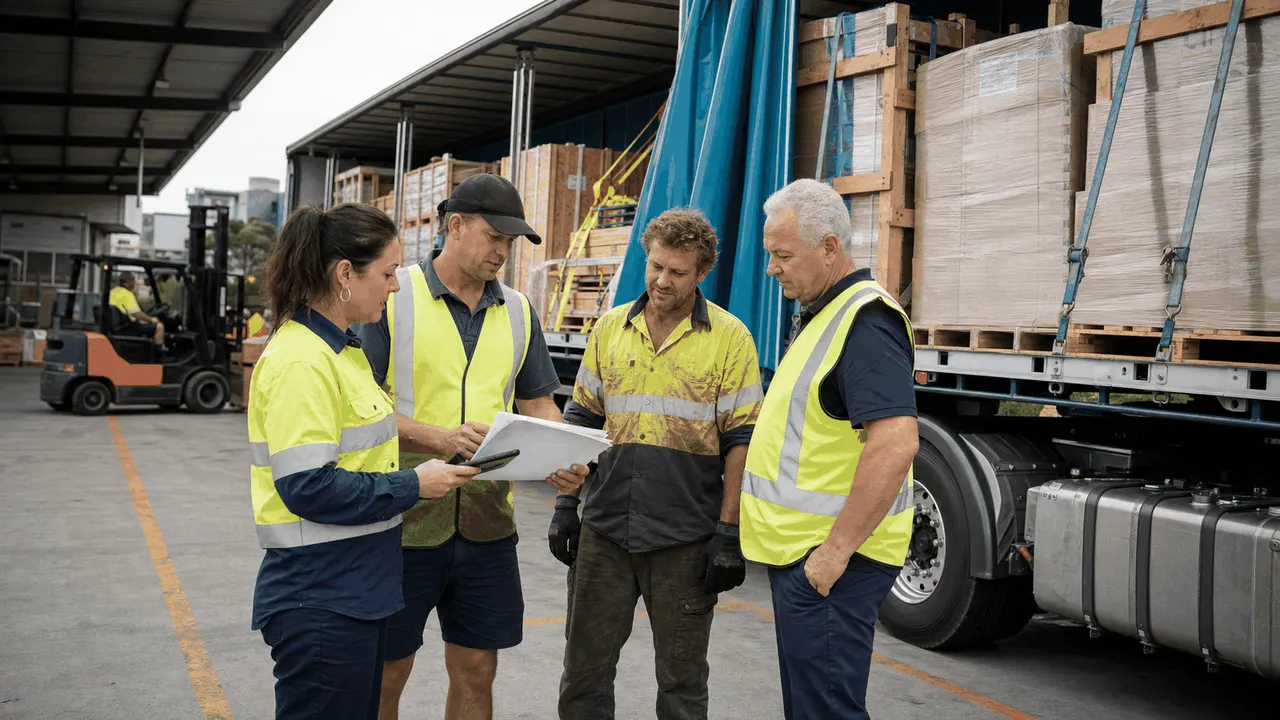
Loading controls need evidence, not assumptions.
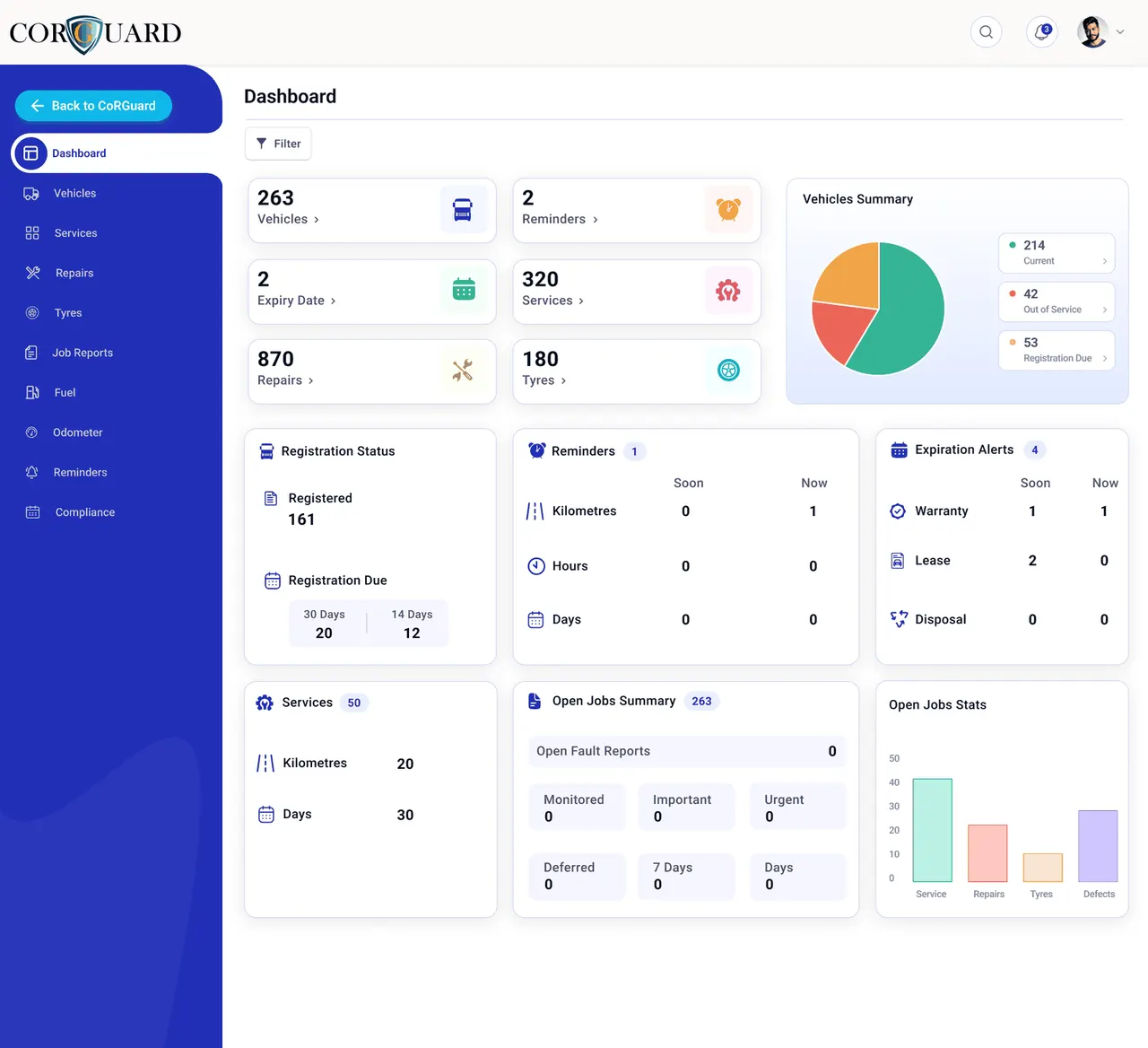
Daily fleet activity has to connect back to duties, controls, and review.

Due diligence means knowing whether the safety system is actually working.
Consignors
Freight terms, delivery windows, and KPIs must not push drivers into speed, fatigue, or mass breaches.
Consignees
Receiving rules, site access, and unloading delays are CoR controls that need to be set and evidenced.
Loaders
Mass, dimension, and load restraint decisions need documented checks, not assumptions.
Managers
Executives and managers need due-diligence evidence that the Safety Management System is actually working.
What are the penalties for breaching the Heavy Vehicle National Law?
Penalties for breaching the Heavy Vehicle National Law (HVNL) include infringement notices, court-imposed fines, and demerit points. Breaches are classified into three categories — Category 3 (lower-level), Category 2 (serious), and Category 1 (most serious). Penalty exposure extends beyond drivers to all Chain of Responsibility duty holders, including executives, managers, consignors, loaders, and operators.
Of the 330 offences in the HVNL, 144 are infringeable and 186 are not. Only eight of the 330 offences carry demerit point penalties. The severity of the penalty depends on the category of breach and whether the matter is resolved by infringement notice or prosecuted in court.
For a broader look at how duty holders fit into this framework, see Chain of Responsibilities: What Australian HVNL Duty Holders Need to Understand.
What is the Heavy Vehicle National Law (HVNL)?
The national framework for heavy vehicle safety and compliance
The Heavy Vehicle National Law (HVNL) sets the minimum standards for safety across Australia's logistics network and defines penalties for those responsible for road safety. It applies to heavy vehicles over 4.5 tonnes gross vehicle mass in participating states and territories.
The HVNL and its regulations came into effect on 10 February 2014. It brought together industry and government to build a national approach to heavy vehicle legislation and regulation, based on the National Transport Commission's model laws.
By creating a consistent legal framework across participating jurisdictions, the HVNL replaced fragmented state-based rules with a single set of obligations covering vehicle operations, safety standards, compliance, and enforcement.
What does the HVNL cover?
Scope of the national law for heavy vehicle operators
The HVNL covers a wide range of operational and administrative matters relevant to heavy vehicle transport, including:
- Performance-Based Standards (PBS) vehicles
- Intelligent Access Program (IAP) and road access permits
- Accreditation and paperwork requirements
- Vehicle standards, safety, weight, packing, and dimension
- Fatigue management
- Mass and dimension compliance
- Safe loading requirements
- Registration and vehicle standards
- Compliance, fines, infringements, and penalties
- General administration matters
The legislative elements provide detailed requirements surrounding each of these areas, giving operators, consignors, loaders, and other supply-chain parties clear obligations they must meet.
What types of penalties apply under the HVNL?
Infringeable offences, court-imposed penalties, and demerit points
The HVNL sets out three main types of penalties and infringements:
Infringeable offences
An infringeable offence allows the individual who receives the notice to choose between paying the penalty specified in the notice or having the matter resolved by a court. Under the HVNL, the payment threshold for infringeable offences is fixed at 10% of the maximum court-imposed punishment. An infringeable offence results in an infringement notice being issued, which describes the claimed offence — usually a strict liability offence. This aligns with the Australian Law Reform Commission's suggestion that infringements be limited to 20% or less of the maximum fine a court can impose.
Court-imposed penalties
Some more serious offences are not infringeable and must be prosecuted in court. The HVNL states the maximum penalty a court can impose for these offences.
Demerit points
Under the HVNL, a driver's licence has demerit points attached to it. Demerit points are regulated through the road traffic laws of each state and territory. Of the 330 offences in the HVNL, 144 are infringeable and 186 are not. Only eight of the 330 offences carry demerit point penalties.
What are the maximum penalties and penalty categories?
Category 1, 2, and 3 exposures for companies and individuals
As of January 2021, the Heavy Vehicle Regulator has initiated many enforceable actions and multiple court cases involving major offences for what was previously considered insignificant logistics work. Each of those penalties could expose operators to significant fines.
For companies and individuals, penalties are classified into three tiers:
- Category 3 — lower-level breaches
- Category 2 — more serious breaches
- Category 1 — the most serious breaches, carrying the highest maximum penalties
The HVNL expressly states that an executive must ensure, to the extent reasonably practical, that all measures are made available to ensure a safe transportation task within the logistics network they influence. Even where a director is not actively involved in day-to-day operations, it is their responsibility to know, comprehend, and safeguard the safety of the entire firm.
This means that penalty exposure is not limited to drivers — it extends up through management and executive levels. For practical guidance on executive obligations, see Chain of Responsibility Training for Executives and Managers.
How do penalties connect to Chain of Responsibility?
Shared duty across the supply chain
The Chain of Responsibility (CoR) framework shifts accountability away from the traditional owner-operator paradigm and toward a shared duty for all parties in the supply chain who control or influence heavy vehicle transport activities. All liable parties share the legal duty for the safety of transportation and logistics activities.
The goal of CoR is to ensure that everyone in the supply chain has responsibility for preventing HVNL violations. If you are designated as a party in the Chain of Responsibility and you exercise — or have the potential to exercise — control or influence over any transport task, you have a responsibility to ensure the HVNL is followed.
For practical guidance on understanding your role, see About Chain of Responsibility or explore Chain of Responsibility training options. For a structured risk review, consider CoR consulting.
How MAEZ helps reduce HVNL penalty exposure
Practical advisory, training, and evidence pathways
MAEZ helps Australian transport businesses turn Chain of Responsibility, HVNL, WHS, transport safety, and chartered risk obligations into practical training, advisory, audit, and implementation pathways. We help operators identify the compliance gaps that create penalty exposure, build Safety Management System controls around how the business actually runs, and structure the evidence needed to demonstrate due diligence.
Key areas where MAEZ can assist include:
- CoR and HVNL training for managers, executives, and supply-chain parties
- CoR consulting and practical risk reviews
- Safety Management System development and review
- NHVAS accreditation support
- Audit, document control, and corrective-action guidance
For a practical review of the controls, evidence, training, and SMS gaps that matter most to your operation, contact MAEZ. For a deeper look at closing CoR gaps using a chartered risk lens, see Using a Chartered Risk Lens to Close Chain of Responsibility Gaps in Australian Transport.
Disclaimer: The information provided on this page is for educational purposes only. Get in touch with a certified professional for advice specific to your circumstances regarding Chain of Responsibility legislation and penalties under the HVNL.
How MAEZ works
Find the gaps. Fix the system. Prove the controls.
MAEZ helps transport operators deal with the compliance risk they already know is there. We help get the Safety Management System in order, protect NHVAS accreditation, reduce fine exposure, and connect training, evidence, and CoRGuard workflows where software is needed.
Find
Identify what is exposed before an auditor or regulator does.
Fix
Build the SMS controls around how the transport business actually runs.
Prove
Use CoRGuard where records, reminders, diaries, audits, and evidence need structure.
From advice to evidence
From MAEZ advice to a working Safety Management System
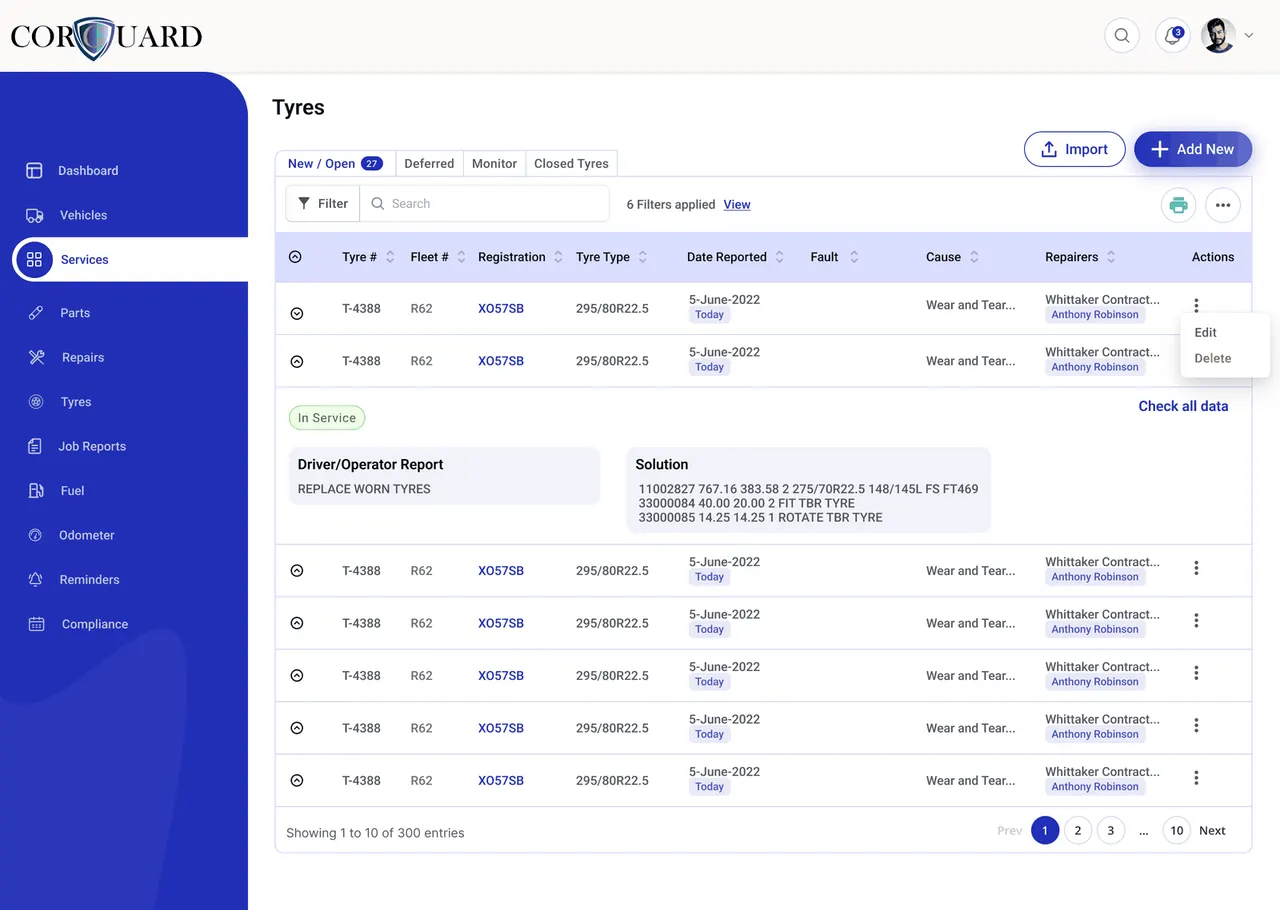
Advisory work should leave a practical implementation trail. These examples show how CoRGuard supports records, fatigue and driver diary checks, maintenance, audits, document control, inductions, corrective actions, and evidence review after MAEZ identifies the gaps.
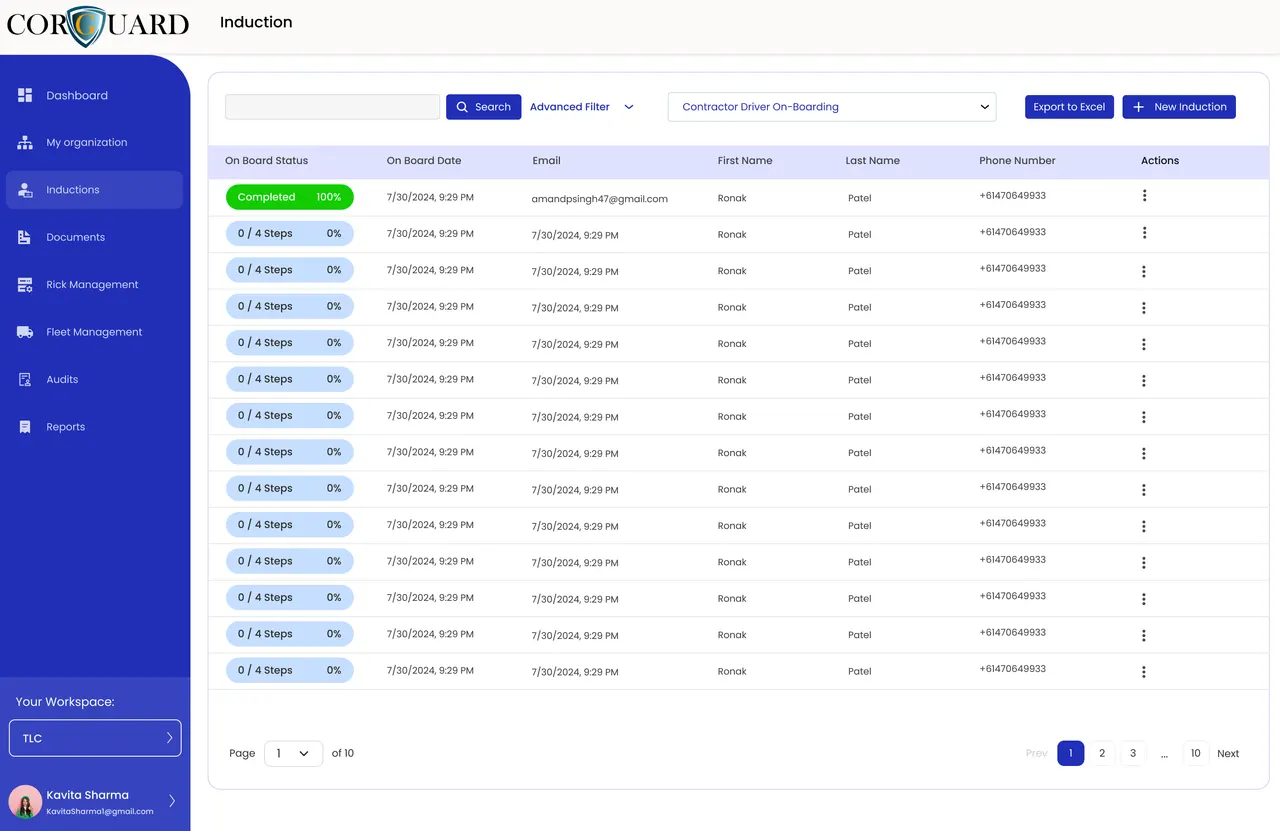
Training records
Connect training completion from cortraining.com.au to evidence and follow-up.
Driver diary checks
Connect fatigue and driver diary review back to manager visibility.
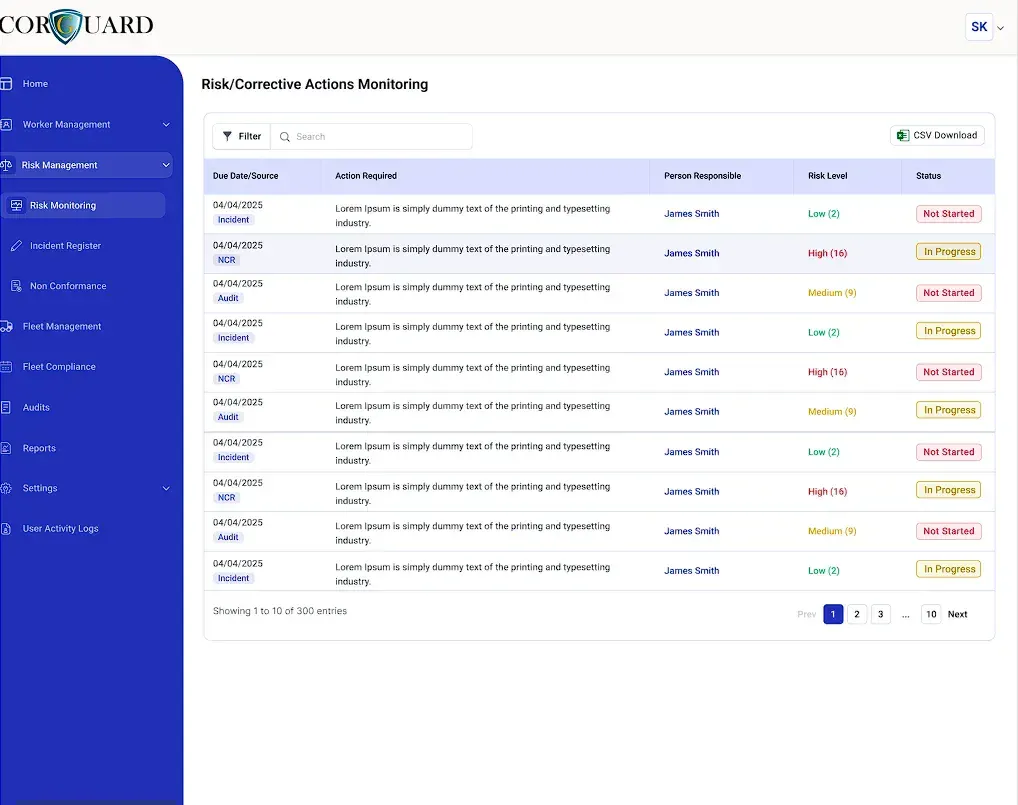
Corrective actions
Turn audit findings, hazards and incidents into tracked actions.
Keep exploring
Related Chain of Responsibility reading
MAEZ insight
Eifers Pty Ltd | NHVR Issues Enforceable Undertaking
Over the many years of operation at MAEZ we are continually staggered to find a lack of Mass control at varying types of business. What is interesting is that businesses that drive revenue from Mass related products, for example, Iron Ore, tend to be very specific with its Mass control, where others are not.
MAEZ insight
What Causes Collisions & How can Fleets Prevent Them? Experts Explain
A preventable accident is one in which the driver failed to do everything reasonably possible to avoid it — understanding collision causes is the first step in fleet prevention.
MAEZ insight
The Impact of Driver-Facing Cameras on Road Safety and the Transport Sector in Australia
The safety of our roads is of paramount importance, particularly in the transport sector. In Australia, the safety of the transport sector relies heavily on the Heavy Vehicle National Law (HVNL) and state-based workplace safety legislation. One key area of focus for transport safety is the use of driver-facing cameras.
MAEZ resource
Chain of Responsibility Training Sydney
Practical Chain of Responsibility training for Sydney transport operators, schedulers, loaders and executives — delivered on-site across Sydney or online, mapped to the current HVNL.
MAEZ resource
Chain of Responsibility Training Melbourne
Practical Chain of Responsibility training for Melbourne transport operators, schedulers, loaders and executives — delivered on-site across Melbourne or online, mapped to the current HVNL.
MAEZ resource
Chain of Responsibility Training Brisbane
Practical Chain of Responsibility training for Brisbane transport operators, schedulers, loaders and executives — delivered on-site across Brisbane or online, mapped to the current HVNL.
Frequently asked questions
Questions people ask about this topic
How many offences are in the HVNL and how many are infringeable?
There are 330 offences in the HVNL. Of these, 144 are infringeable offences that can be resolved by paying a penalty notice, and 186 are not infringeable and must be prosecuted in court. Only eight of the 330 offences carry demerit point penalties.
What is the payment threshold for an infringeable offence under the HVNL?
Under the HVNL, the payment threshold for infringeable offences is fixed at 10% of the maximum court-imposed punishment. This aligns with the Australian Law Reform Commission's suggestion that infringement penalties be limited to 20% or less of the maximum fine a court can impose.
What are the three penalty categories under the HVNL?
HVNL penalties are classified into three tiers: Category 3 covers lower-level breaches, Category 2 covers more serious breaches, and Category 1 covers the most serious breaches carrying the highest maximum penalties. The category depends on the severity of the offence and the level of risk involved.
Can executives and managers be penalised under the HVNL even if they are not involved in day-to-day operations?
Yes. The HVNL states that an executive must ensure, to the extent reasonably practical, that all measures are made available to ensure a safe transportation task. Even where a director is not actively involved in daily operations, it is their responsibility to know, comprehend, and safeguard the safety of the entire firm.
Who in the supply chain can be exposed to HVNL penalties?
Penalty exposure extends to all Chain of Responsibility duty holders who control or influence a transport task — including drivers, operators, consignors, consignees, loaders, schedulers, managers, and executives. The CoR framework shifts accountability from the driver alone to a shared duty across the entire supply chain.