
MAEZ insight
Checking Registration Currency | CoR and HVNL Rego Check Guidance
Why registration currency checks matter under Chain of Responsibility and HVNL. Practical guidance for owner-operators, fleet managers, and executives on rego checks, risk management, and safety compliance.

Proof that freight promises do not create unsafe transport pressure.
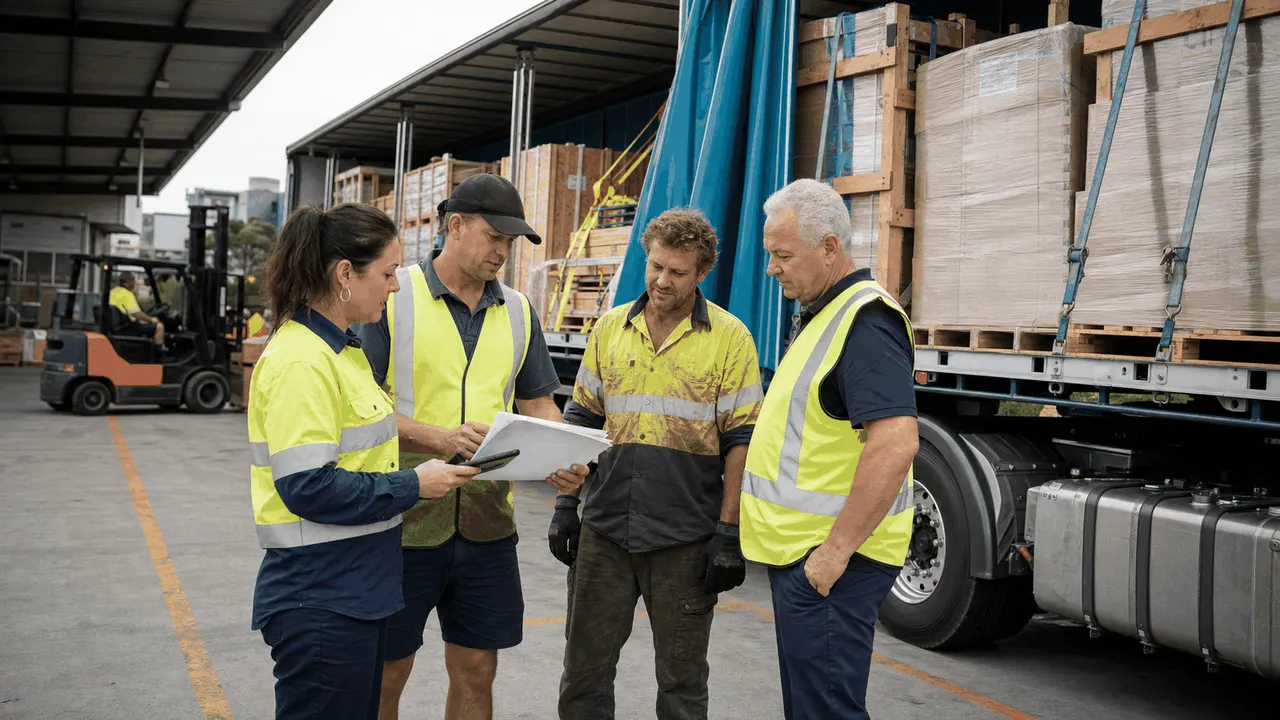
Loading controls need evidence, not assumptions.
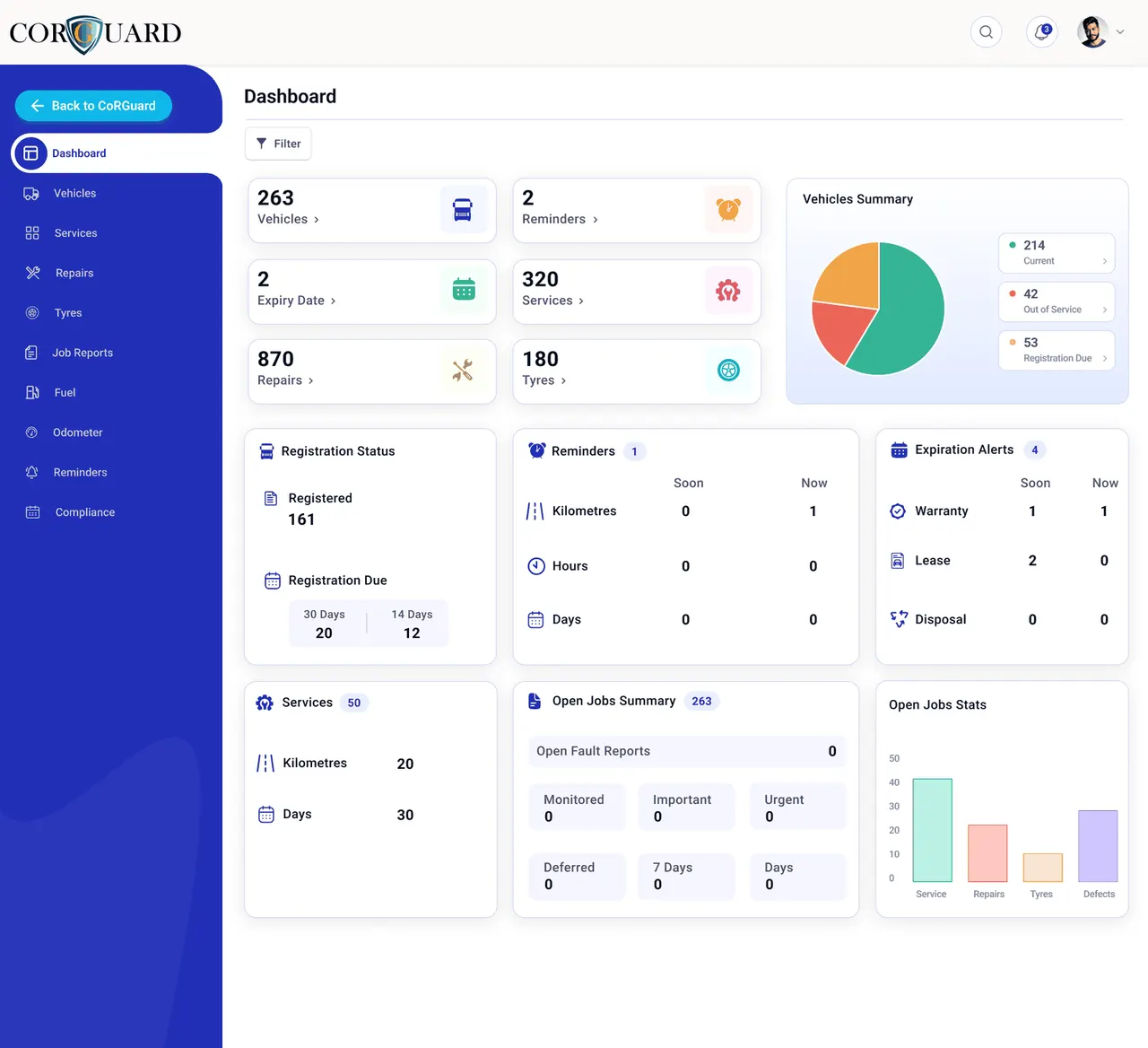
Daily fleet activity has to connect back to duties, controls, and review.

Due diligence means knowing whether the safety system is actually working.
Consignors
Freight terms, delivery windows, and KPIs must not push drivers into speed, fatigue, or mass breaches.
Consignees
Receiving rules, site access, and unloading delays are CoR controls that need to be set and evidenced.
Loaders
Mass, dimension, and load restraint decisions need documented checks, not assumptions.
Managers
Executives and managers need due-diligence evidence that the Safety Management System is actually working.
Why registration currency checks matter under CoR
A frontline safety control, not a box-ticking exercise
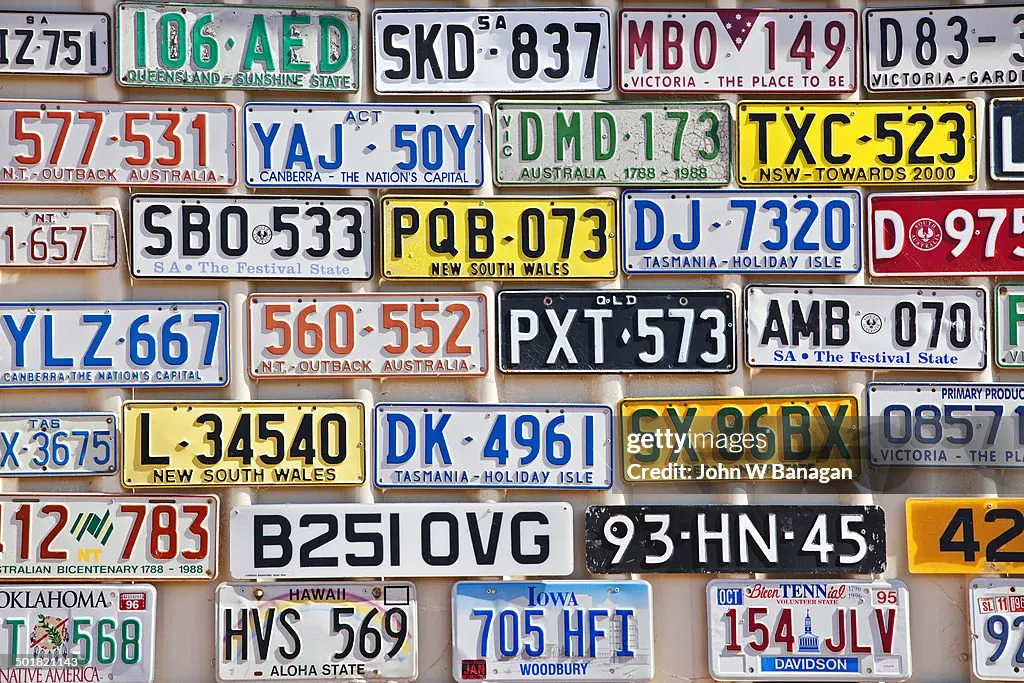
Registration currency checks are a frontline safety control under the Chain of Responsibility (CoR) and the Heavy Vehicle National Law (HVNL) — not an administrative box-ticking exercise. A rego check confirms that every heavy vehicle in your fleet is legally registered and roadworthy before it carries a load, protecting your business from penalties and the public from preventable incidents.
Complying with CoR does more than safeguard your business from legal penalties. It fosters a culture of safety that pre-empts risks which could lead to severe road incidents. Anticipating potential risks and developing contingency plans is crucial for every participant in the transport chain.
A regular task such as checking registration and ensuring fleet maintenance is up to speed is never trivial. It reflects a legal and ethical commitment to safety that everyone in the transport chain shares — from executives and managers to drivers and office staff.
How CoR duties apply across your team
Every role in the transport chain carries a safety obligation
The Chain of Responsibility extends legal duties to anyone who influences a transport task. Registration checks and broader compliance touch multiple roles across your operation.
- Executives — Due diligence means knowing whether the safety system is actually working. A rego check is not administrative trivia; it is a non-negotiable signal of commitment to nationwide safety standards.
- Office teams — Engaging in rego lookups is just the start. The real work is upholding the standards and protocols that preclude risk before a vehicle leaves the yard.
- Fleet managers — They are the custodians of due diligence. An oversight in logistics planning or a bypass of NHVR regulations is a dent in responsibility — and a potential compliance breach.
- Drivers — With hands on the wheel, they are the frontline of compliance, but their efforts depend on the systems behind them.
When each role understands its part, the entire chain strengthens. Role-based CoR training helps every team member connect their daily tasks to their safety duties.
The legal landscape: HVNL and registration checks
Two pillars shape registration and maintenance obligations
The Heavy Vehicle National Law (HVNL) is more than a schedule of fines — it affirms a commitment to nationwide safety standards. In practice, meticulous vehicle audits and rego-check practices can be the difference between operational excellence and costly legal entanglements.
Under the HVNL, authorised officers may enter and inspect a heavy vehicle for monitoring purposes. They can examine any part of the vehicle, its equipment and load, and look for, check the details of, or film a registration item, label or other thing required to be displayed under Australian road law. This means registration currency is not optional — it is a measurable, auditable control.
The Master Code complements the HVNL by reinforcing its essential elements. It illuminates the path to safety and compliance for operators who want to do more than the bare minimum. Together, these instruments mean that a lapsed registration is not just an administrative oversight — it is evidence of a broken safety control.
Key industry risks and how to fortify against them
Recognising risks is the prelude to extinguishing them
The logistics landscape comes with hazards that can escalate into serious safety incidents. Understanding them is the first step to building effective controls.
- Operational hazards — Stemming from inadequate rego lookups to subpar maintenance rounds, these are the risks you can catch early with routine checks.
- Human factors — Covering a spectrum from driver fatigue to complacency in meeting NHVR guidelines.
- External factors — Including unpredictable environmental conditions that impact logistics operations.
None of these risks exist in isolation. A lapsed registration combined with a fatigue-affected driver and poor scheduling creates a compounding effect that no single control can offset. Each risk feeds the others, which is why a CoR risk review looks at the whole system rather than isolated tasks.
Proactive risk management over reactive fixes
Foresee the risk, then build the control
Effective risk management is proactive, not reactive. It means picturing the stages where risk looms and plotting strategic responses before things go wrong. It is not just about keeping up to date with your rego checks — it is about ensuring that your fleet is not posing a risk to the general public.
Scenario forecasting is essential: what happens if a vehicle's registration lapses mid-journey? What controls catch it before an authorised officer does? A logistics chain is only as strong as its weakest link.
A proactive approach to learning — such as staying abreast of updates from BITRE or the NTC — empowers chain members to circumvent potential issues before they become incidents. Structured CoR training builds this proactive mindset across your team.
Elevate your compliance knowledge with MAEZ
Turn registration checks and CoR obligations into second nature
MAEZ helps Australian businesses turn Chain of Responsibility, HVNL, WHS, transport safety, and chartered risk obligations into practical training, advisory, audit, and implementation pathways. We help transport operators deal with the compliance risk they already know is there — protecting NHVAS accreditation, reducing fine exposure, and connecting training, evidence, and SMS workflows.
Where software is the right next step, CoRGuard at chainresponsibility.au supports the evidence workflow — records, reminders, audits, maintenance, driver diary checks, inductions, corrective actions, and evidence reporting.
Ready to move from mere participant to safety leader? Contact MAEZ for a practical review of the controls, evidence, training, and SMS gaps that matter most to your operation.
How MAEZ works
Find the gaps. Fix the system. Prove the controls.
MAEZ helps transport operators deal with the compliance risk they already know is there. We help get the Safety Management System in order, protect NHVAS accreditation, reduce fine exposure, and connect training, evidence, and CoRGuard workflows where software is needed.
Find
Identify what is exposed before an auditor or regulator does.
Fix
Build the SMS controls around how the transport business actually runs.
Prove
Use CoRGuard where records, reminders, diaries, audits, and evidence need structure.
From advice to evidence
From MAEZ advice to a working Safety Management System
Advisory work should leave a practical implementation trail. These examples show how CoRGuard supports records, fatigue and driver diary checks, maintenance, audits, document control, inductions, corrective actions, and evidence review after MAEZ identifies the gaps.
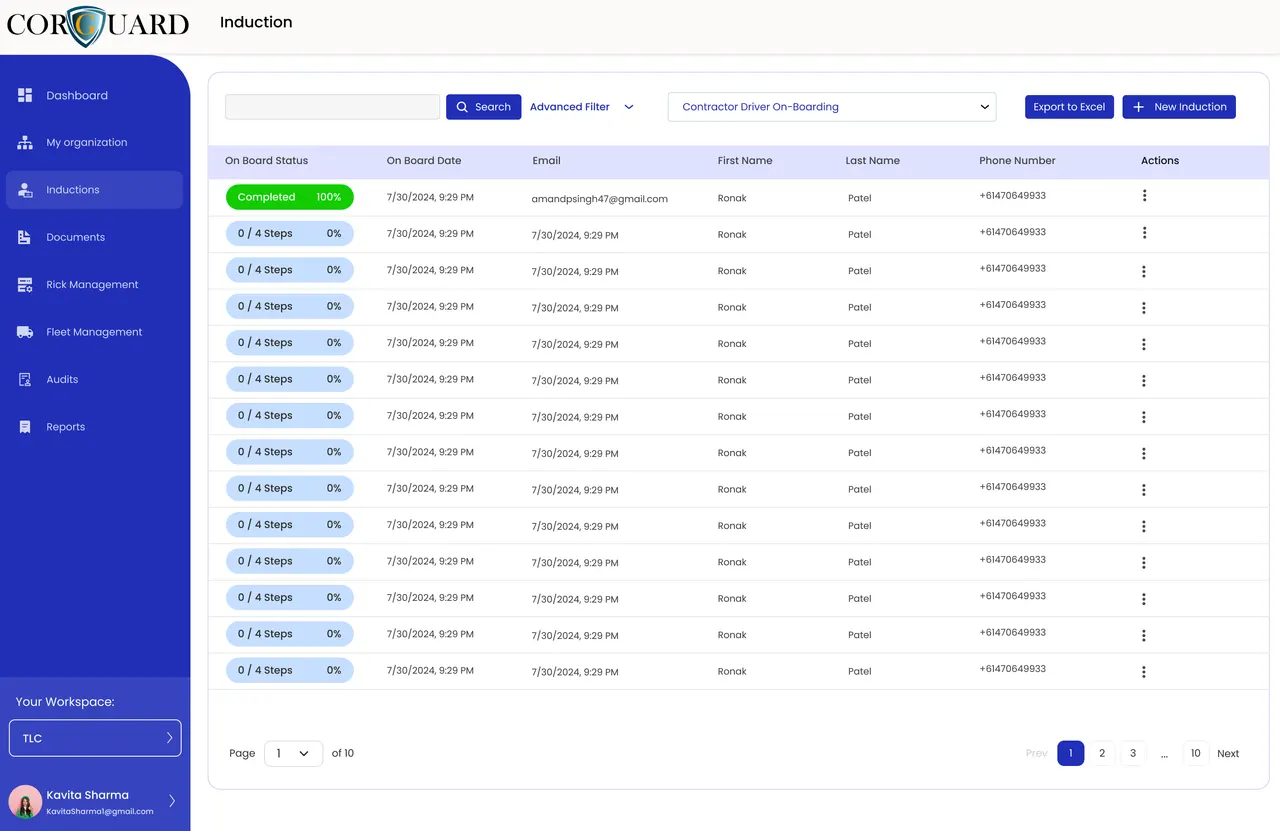
Training records
Connect training completion from cortraining.com.au to evidence and follow-up.
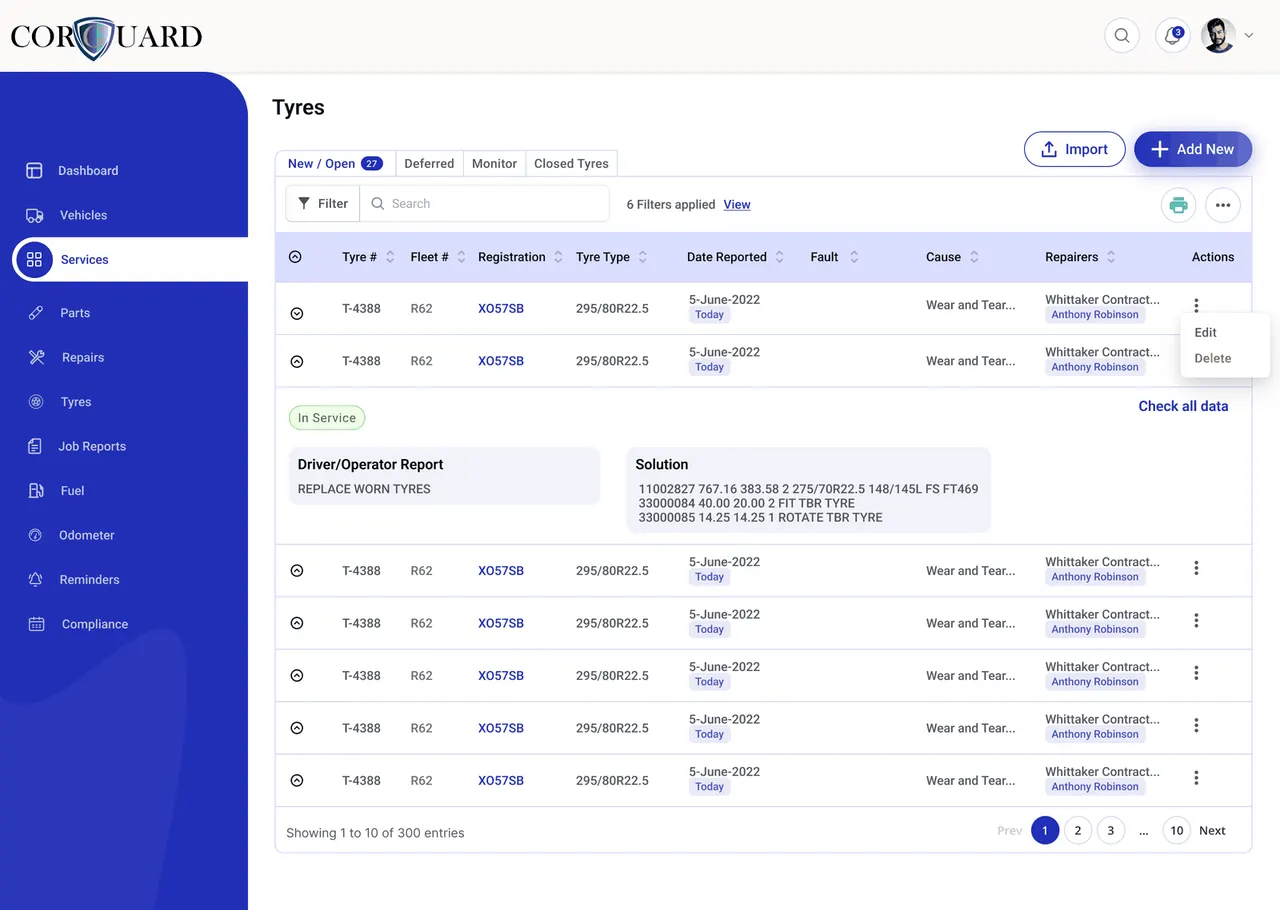
Driver diary checks
Connect fatigue and driver diary review back to manager visibility.
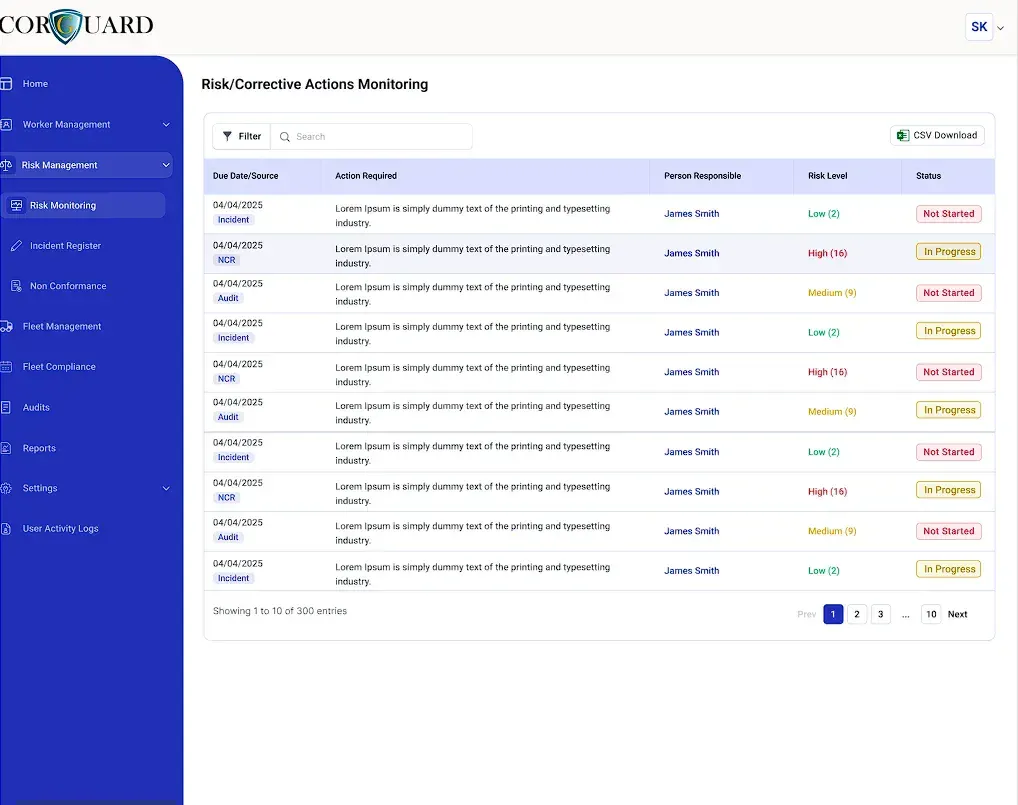
Corrective actions
Turn audit findings, hazards and incidents into tracked actions.
Keep exploring
Related Chain of Responsibility reading
MAEZ insight
Journey Planners
Navigating the intricate network of the heavy vehicle transport industry requires meticulous precision, unwavering attention to detail, and a deep-seated commitment to safety.
MAEZ insight
Significant Increase in CoR Fines & Prosecutions
Are you feeling the rise in living costs? How would your corporation pay penalties for $3,546,390 for a Category 1 offence? How would your family cope if you had to face jail time?
MAEZ insight
The Imperative of Incorporating a Chain of Responsibility Policy in Your Enterprise
The safety of our roads is of paramount importance, particularly in the transport sector. In Australia, the safety of the transport sector relies heavily on the Heavy Vehicle National Law (HVNL) and state-based workplace safety legislation. One key area of focus for transport safety is the use of driver-facing cameras.
MAEZ insight
Would You Sign Off A Cheque For $18m?
A large grain manufacturer was slugged with an $18m fine by the then RTA, for a total of 330 breaches or individual offences, about $55K for each offence. The allegation was that the business which was accepting loads, were accepting loads grossly overloaded!
MAEZ insight
Responsibility; Who’s at fault in the Chain of Responsibility?
Late last week on the NSW Police FB blog, it reported that a transport company (Many people will know who) was caught with unsafe loads coming out of a major retailers distribution centre.
MAEZ insight
Trucks Crash Too
I know what you’re all possibly saying to yourself now. Something along the lines of, “We’re fine, we have our drivers sign a fitness to drive form”. Let me explain to you further, that this is not good enough, it won’t save you from a potential prosecution.
Frequently asked questions
Questions people ask about this topic
What is a registration currency check and why does it matter under CoR?
A registration currency check confirms that every heavy vehicle in your fleet is legally registered and roadworthy before it carries a load. Under the Chain of Responsibility and HVNL, it is a frontline safety control — not an administrative task — because an unregistered vehicle on the road is evidence of a broken safety system.
Who in the transport chain is responsible for rego checks?
Every role that influences a transport task shares the duty. Executives must verify the safety system is working, fleet managers are custodians of due diligence, office teams must uphold pre-departure protocols, and drivers rely on the systems behind them. CoR extends legal duties to all of these parties.
Can an authorised officer check registration details during a heavy vehicle inspection?
Yes. Under the HVNL, an authorised officer may inspect a heavy vehicle, examine its equipment and load, and look for, check the details of, or film a registration item, label or other thing required to be displayed under Australian road law.
What happens if a vehicle's registration lapses mid-journey?
A lapsed registration mid-journey exposes the operator, driver, and other chain parties to potential CoR breaches. Proactive risk management — including pre-departure rego checks and scenario forecasting — is designed to catch a lapsed registration before an authorised officer does.
How does MAEZ help with registration checks and CoR compliance?
MAEZ provides advisory, training, and audit pathways that turn rego checks and broader CoR obligations into practical controls and evidence. Where structured records, reminders, and audits are needed, CoRGuard software supports the Safety Management System evidence workflow.