
MAEZ insight
NSW Truck Accident Investigations: A Reminder of Chain of Responsibility Obligations
A fatal B-Double crash near Tooraweenah, NSW underscores why every party in the transport chain must take safety, Chain of Responsibility, and evidence obligations seriously.
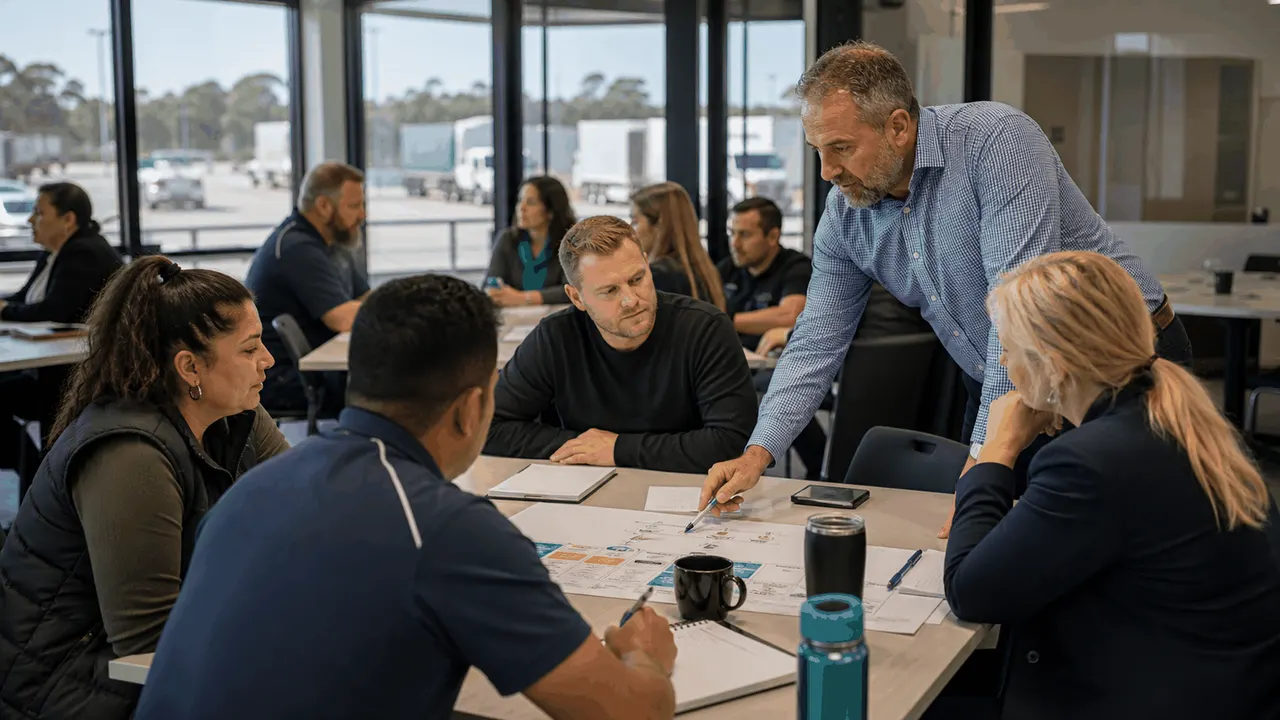
Managers need a clear view of gaps before audit or enforcement pressure arrives.

Contractor controls should be verified before the work starts.
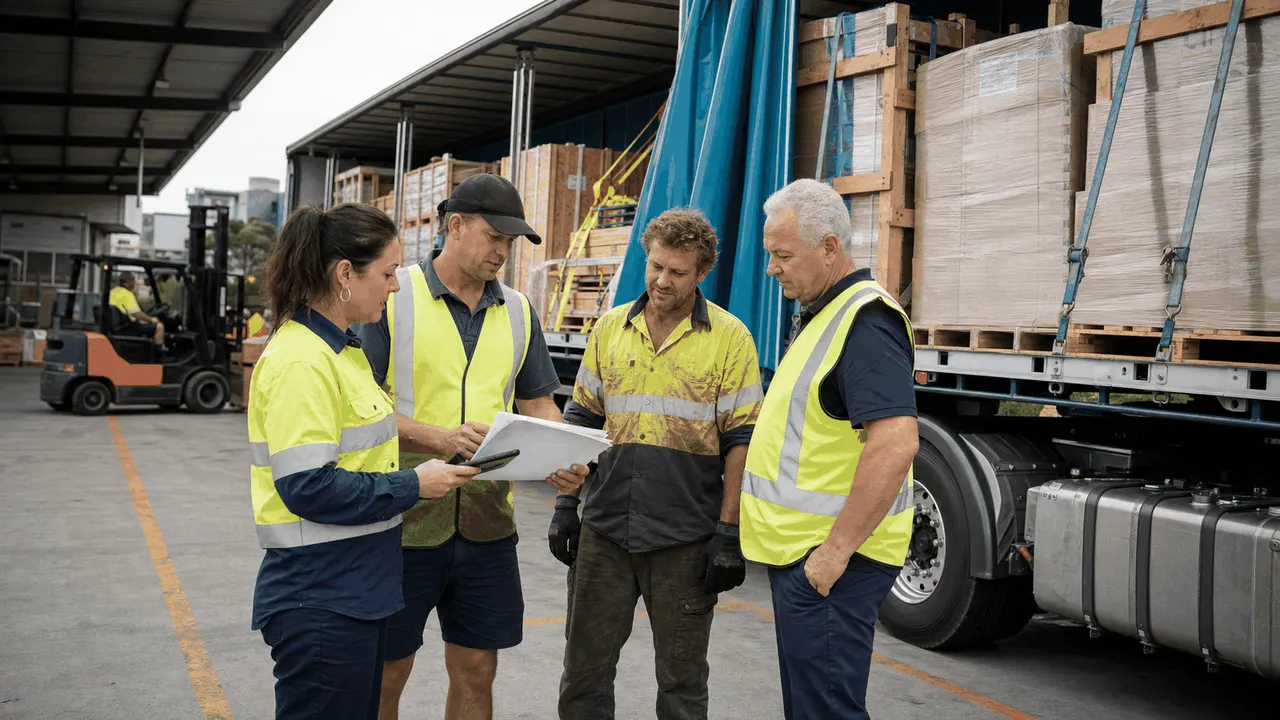
Receiving windows, site rules, and unloading delays can all shape the transport task.
Unloading decisions can affect safety, scheduling, and responsibility.
Consignors
Freight terms, delivery windows, and KPIs must not push drivers into speed, fatigue, or mass breaches.
Consignees
Receiving rules, site access, and unloading delays are CoR controls that need to be set and evidenced.
Loaders
Mass, dimension, and load restraint decisions need documented checks, not assumptions.
Managers
Executives and managers need due-diligence evidence that the Safety Management System is actually working.
What this accident means for transport operators
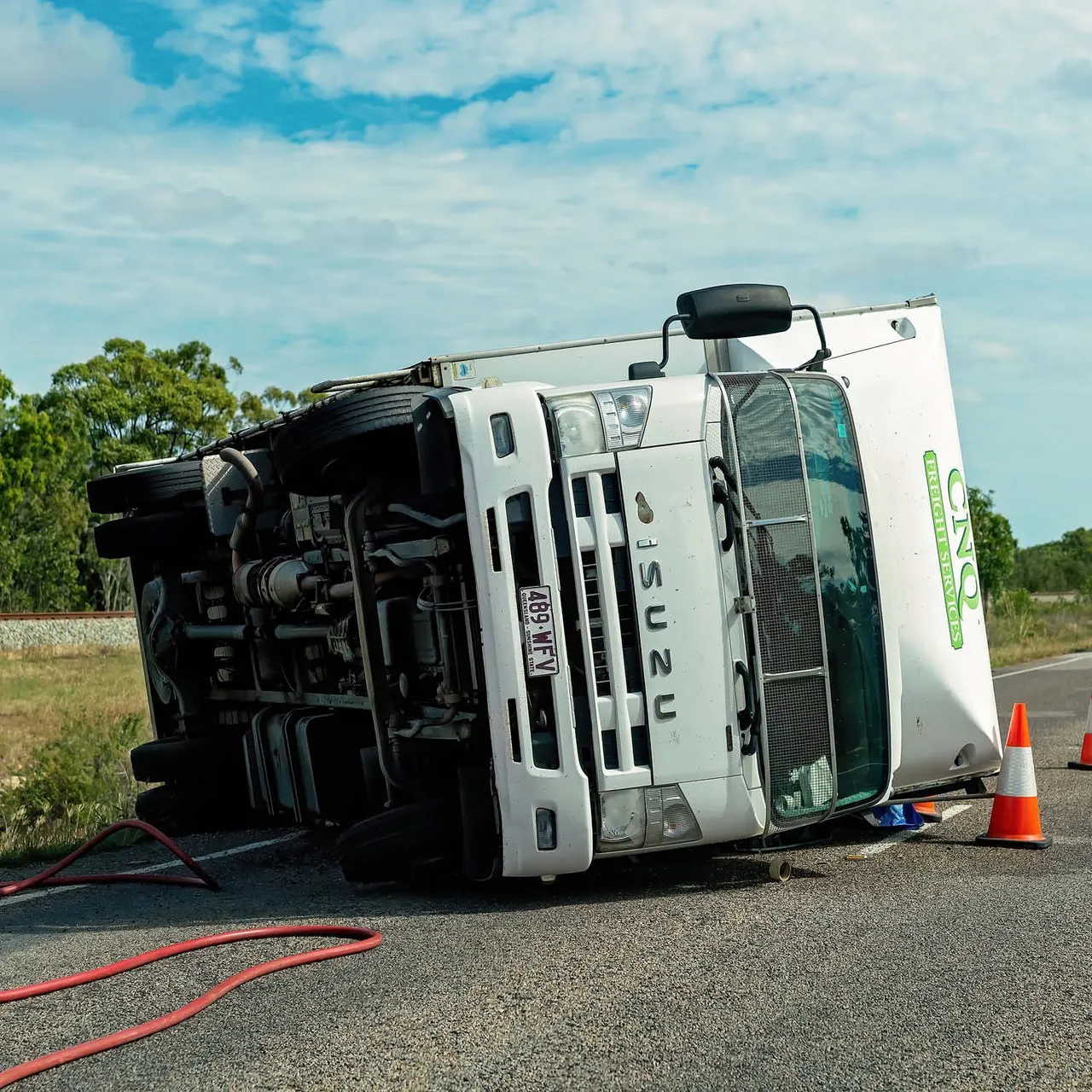
A fatal B-Double crash near Tooraweenah, NSW is a stark reminder that every party in the transport chain — consignors, operators, drivers, schedulers, loaders, and receivers — must actively manage the safety risks they influence. Under the Heavy Vehicle National Law, responsibility for safety is shared across the entire supply chain, not just the driver behind the wheel.
The 34-year-old driver died at the scene after his truck left the Newell Highway, down an embankment, and into a paddock at around 2:30 pm on a Saturday afternoon. Traffic heading south to Gilgandra was held up for hours. NSW Police had not yet disclosed the driver's identity.
This story, as sad as it is, happens all too often. One life is too many. Every operator, manager, scheduler, consignor, consignee, loader, and contractor in the transport chain has a role to play in preventing these outcomes.
Why Chain of Responsibility obligations matter now
Shared responsibility is already law, not a future concept
Chain of Responsibility (CoR) reforms under the HVNL exist because no single party can carry the full burden of transport safety alone. Each party in the chain must actively manage the risks they influence.
That means:
- Verifying contractor controls before work begins
- Ensuring fatigue and driver diary checks are visible to managers
- Reviewing receiving windows, site rules, and unloading delays that shape the transport task
- Documenting training, inductions, and corrective actions
When one party in the chain fails to manage their risk, the consequences extend far beyond that party — they reach drivers, families, and other road users.
For a deeper look at how duty-holder obligations work in practice, see Chain of Responsibilities: What Australian HVNL Duty Holders Need to Understand. You can also learn more at About Chain of Responsibility.
How MAEZ helps transport operators respond
Practical training, advisory, audit, and implementation pathways
MAEZ helps Australian transport businesses turn Chain of Responsibility, HVNL, WHS, transport safety, and chartered risk obligations into practical training, advisory, audit, and implementation pathways.
The approach is built around three steps:
- Find — Identify what is exposed before an auditor or regulator does.
- Fix — Build Safety Management System (SMS) controls around how the transport business actually runs.
- Prove — Use structured evidence workflows where records, reminders, diaries, audits, and corrective actions need organisation.
This helps operators deal with compliance risk they already know is there — protecting NHVAS accreditation, reducing fine exposure, and connecting training to evidence.
Explore CoR consulting or Chain of Responsibility training for practical next steps.
Building a culture of safety, not just paperwork
Investigations into fatal crashes like this one are a stark reminder that compliance is not about ticking boxes — it is about people. Every control, every diary check, every site rule, and every contractor verification exists to reduce the chance of someone not going home.
We all need to support change from the front and stop waiting for others to do it for us. No operator wants it to be someone they know next time.
If your business needs a practical review of the controls, evidence, training, and SMS gaps that matter most, contact MAEZ to get started.
How MAEZ works
Find the gaps. Fix the system. Prove the controls.
MAEZ helps transport operators deal with the compliance risk they already know is there. We help get the Safety Management System in order, protect NHVAS accreditation, reduce fine exposure, and connect training, evidence, and CoRGuard workflows where software is needed.
Find
Identify what is exposed before an auditor or regulator does.
Fix
Build the SMS controls around how the transport business actually runs.
Prove
Use CoRGuard where records, reminders, diaries, audits, and evidence need structure.
From advice to evidence
From MAEZ advice to a working Safety Management System
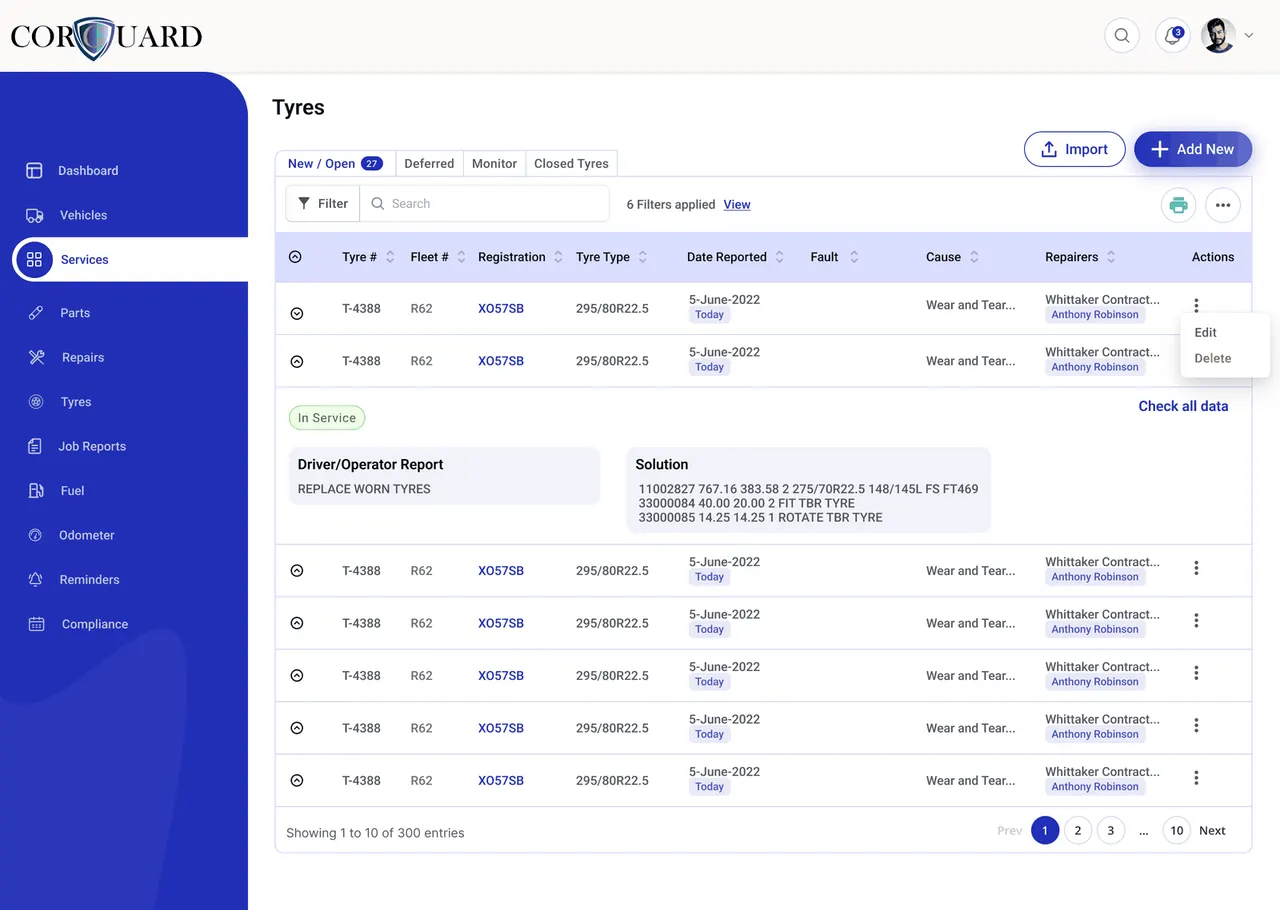
Advisory work should leave a practical implementation trail. These examples show how CoRGuard supports records, fatigue and driver diary checks, maintenance, audits, document control, inductions, corrective actions, and evidence review after MAEZ identifies the gaps.
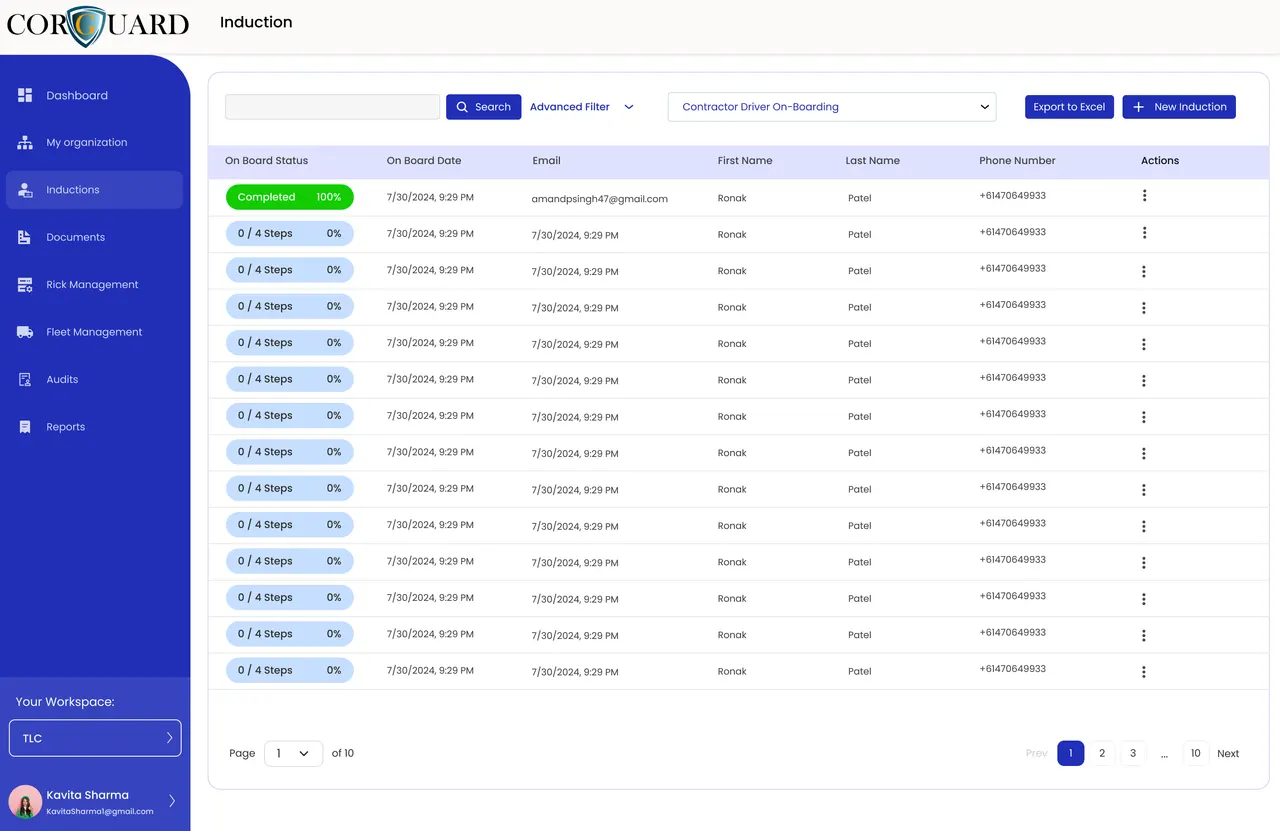
Training records
Connect training completion from cortraining.com.au to evidence and follow-up.
Driver diary checks
Connect fatigue and driver diary review back to manager visibility.
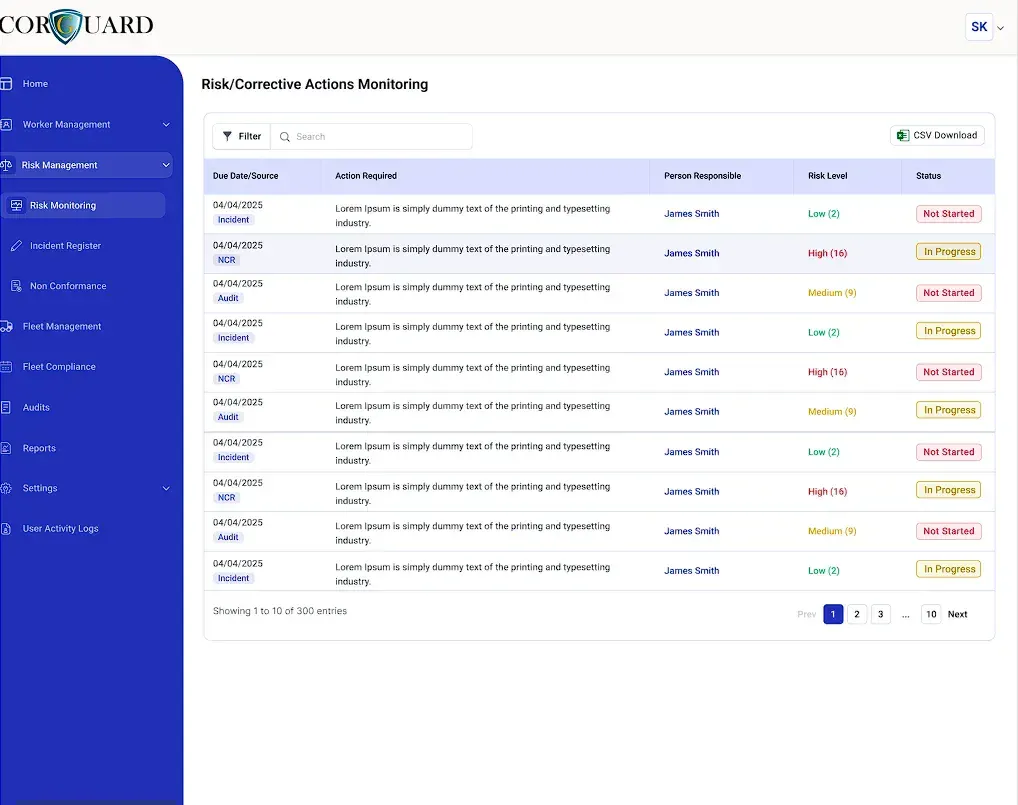
Corrective actions
Turn audit findings, hazards and incidents into tracked actions.
Keep exploring
Related Chain of Responsibility reading
MAEZ insight
Electronic Work Diary
Heavy vehicle drivers must record their working hours, rest hours, and transportation data to synchronise and make work data trackable under Chain of Responsibility law.
MAEZ insight
Fatigue Management – Are You Breaking The Law?
The behaviour that transport providers are challenged most by, is the lack of understanding these entities, both consignor and consignee, have on the transport aspect of the supply chain, more o on the fatigue management of drivers in the transport task.
MAEZ insight
Managing Risk or Assessing Risk, Do You Know The Difference?
When it comes to risk assessment, there are six elements.Identify the element upon which risk exists. What could cause you problems?
MAEZ insight
What Is A Duty Holder Under the Heavy Vehicle National Law?
The Heavy Vehicle National Law (HVNL) is pivotal for ensuring the safety and compliance of heavy vehicle operations in Australia. Central to this framework is the Chain of Responsibility (CoR), which distributes accountability across various parties in the transport supply chain.
MAEZ insight
Checking Registration Currency
Complying with CoR not only safeguards from legal penalties but also fosters a culture of safety, pre-emptively addressing risks that could lead to severe road incidents. Anticipating potential risks and developing contingency plans is crucial.
MAEZ insight
Journey Planners
Navigating the intricate network of the heavy vehicle transport industry requires meticulous precision, unwavering attention to detail, and a deep-seated commitment to safety.
Frequently asked questions
Questions people ask about this topic
What is the purpose of this page on NSW truck accident investigations?
A fatal B-Double crash near Tooraweenah, NSW underscores why every party in the transport chain must take safety, CoR, and evidence obligations seriously — not just the driver.
Who should read this page?
This page is useful for owner-operators, transport managers, executives, consignors, consignees, loaders, schedulers, contractors, and anyone who influences a heavy vehicle transport task.
What does MAEZ help transport businesses fix?
MAEZ helps Australian transport and supply-chain businesses identify Chain of Responsibility, HVNL, WHS, NHVAS, training, audit, document-control, and Safety Management System gaps, then turn those gaps into practical controls and evidence.
How does CoRGuard fit with MAEZ consulting?
MAEZ helps define the risk, obligations, controls, and implementation pathway. CoRGuard is the SaaS Safety Management System platform used when the business needs structured records, reminders, audits, maintenance, driver diary checks, inductions, corrective actions, and evidence reporting.
Is Chain of Responsibility training handled on this website?
MAEZ provides the advisory and risk pathway, but Chain of Responsibility training is delivered through cortraining.com.au. Where software is needed, CoRGuard supports the Safety Management System evidence workflow.