
MAEZ insight
What Is a Duty Holder Under the Heavy Vehicle National Law?
Understand who counts as a duty holder under the HVNL, what the primary duty of care requires, and how the Chain of Responsibility distributes accountability across the transport supply chain.

Due diligence means knowing whether the safety system is actually working.

Proof that freight promises do not create unsafe transport pressure.
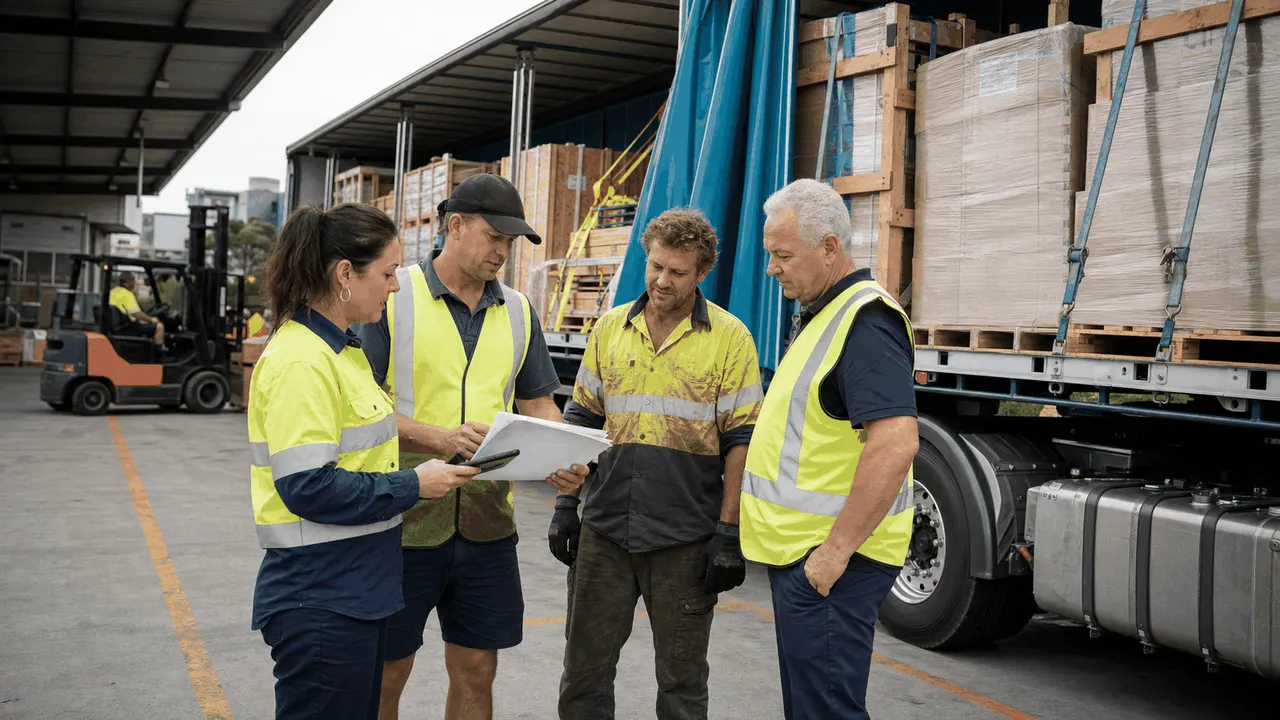
Loading controls need evidence, not assumptions.
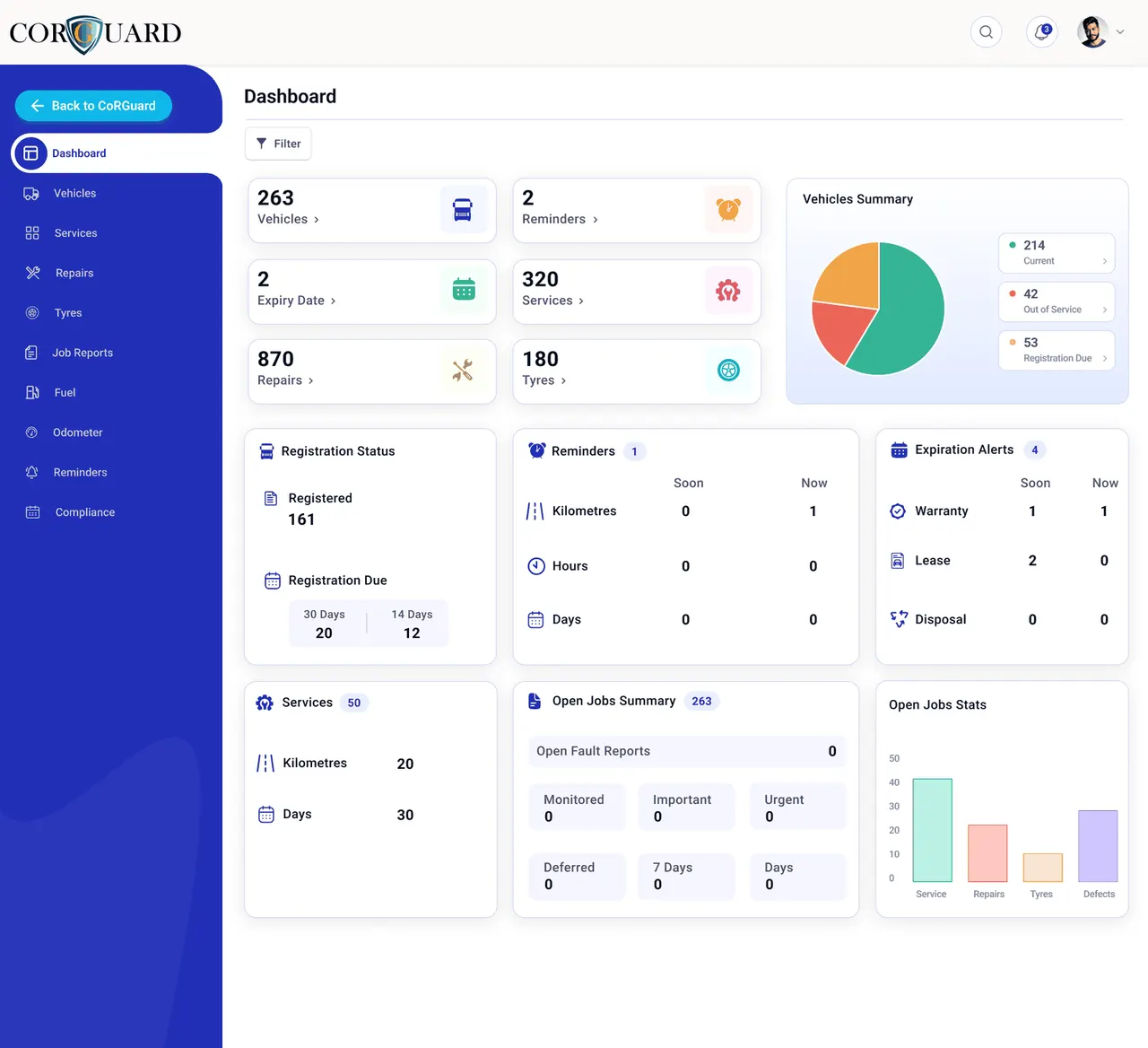
Daily fleet activity has to connect back to duties, controls, and review.
Consignors
Freight terms, delivery windows, and KPIs must not push drivers into speed, fatigue, or mass breaches.
Consignees
Receiving rules, site access, and unloading delays are CoR controls that need to be set and evidenced.
Loaders
Mass, dimension, and load restraint decisions need documented checks, not assumptions.
Managers
Executives and managers need due-diligence evidence that the Safety Management System is actually working.
What is a duty holder under the HVNL?
A direct answer to the page's core question

A duty holder under the Heavy Vehicle National Law (HVNL) is any party in the transport supply chain who can influence the safety of a heavy vehicle operation. This includes employers, operators, schedulers, consignors, consignees, packers, loading managers, and loaders. Each duty holder holds a primary duty of care to ensure, so far as is reasonably practicable, the safety of their transport activities.
This concept sits at the heart of the Chain of Responsibility: rather than placing safety accountability solely on the driver, the HVNL recognises that decisions made well before a truck leaves the depot—such as scheduling, loading, and consignment—can have just as much impact on road safety as what happens behind the wheel.
What the HVNL means for your transport operation
A national framework that extends safety accountability well beyond the driver

The Heavy Vehicle National Law (HVNL) is the legislative framework that regulates heavy vehicle safety and compliance across Australia. At its core sits the Chain of Responsibility (CoR), a concept that distributes accountability across every party in the transport supply chain who can influence safety outcomes.
Rather than placing the burden solely on the driver, the HVNL recognises that employers, operators, schedulers, consignors, consignees, packers, loading managers, and loaders all share responsibility for keeping heavy vehicles safe and compliant on the road.
The HVNL also established the National Heavy Vehicle Regulator (NHVR), which enforces the law, provides guidance to duty holders, and oversees compliance across the industry. Understanding where you fit in this framework is the first step toward meeting your obligations.
What is the Chain of Responsibility?
Shared accountability across the entire supply chain
The Chain of Responsibility is a foundational legal principle within the HVNL. It holds that any party with the ability to influence the safety of a heavy vehicle operation should be held responsible for ensuring safety standards are met.
This approach moves away from the outdated model of blaming only the driver. Instead, it recognises that decisions made well before a truck leaves the depot—such as scheduling, loading, and consignment—can have just as much impact on safety as what happens behind the wheel.
The HVNL's principle of shared responsibility means that every party in the transport process must take proactive steps to identify and manage risks. By distributing accountability, the law promotes a collaborative approach to road safety rather than relying on one person to carry the weight alone.
For a deeper look at how these obligations work in practice, see Chain of Responsibilities: What Australian HVNL Duty Holders Need to Understand.
The primary duty of care explained
What the HVNL requires every duty holder to do
Under the HVNL, all parties within the Chain of Responsibility hold a primary duty of care to ensure, so far as is reasonably practicable, the safety of their transport activities. This means taking proactive steps to identify, assess, and mitigate risks associated with heavy vehicle operations.
This duty aligns closely with general workplace health and safety laws. Just as WHS legislation requires businesses to manage risks to protect workers and the public, the HVNL extends that same logic to transport activities on the road. The overlap means duty holders need integrated safety management practices that satisfy both frameworks.
The HVNL also places a specific duty on executives of legal entities to exercise due diligence to ensure the business complies with its safety obligations. In practice, this means executives must actively understand the risks, ensure appropriate controls exist, and verify those controls are working—not simply assume everything is handled.
Executive due diligence in practice
- Actively understand the safety risks your transport activities create.
- Ensure appropriate controls are in place to manage those risks.
- Verify the controls are working through periodic review and gap assessment.
- Do not delegate and forget—due diligence means knowing whether the safety system is actually working.
Who are the duty holders under the HVNL?
Each role carries responsibilities tailored to its position in the supply chain
The HVNL identifies several categories of duty holders, each with obligations matched to the influence they have over transport activities:
- Employers and prime contractors — ensuring drivers are adequately trained, fit for duty, and that vehicles are maintained and roadworthy.
- Operators — overseeing the safe operation and maintenance of heavy vehicles and ensuring compliance with all safety regulations.
- Schedulers — creating realistic schedules that do not encourage speeding or breaches of work and rest hours.
- Consignors and consignees — ensuring goods are properly packed, do not exceed mass or dimension limits, and that accurate transport information is provided.
- Packers — securing goods to prevent movement during transit using appropriate materials and methods.
- Loading managers — managing safe loading and unloading practices to avoid vehicle damage and ensure balanced loads.
- Loaders and unloaders — following safe loading and unloading procedures to prevent accidents and ensure load security.
Each role connects to the others. A breakdown in one area—such as an unrealistic schedule or an overloaded consignment—can create pressure that compromises safety further down the chain.
Why understanding your role matters
Compliance is collaborative, not compartmentalised
By distributing responsibility across the supply chain, the HVNL promotes a culture of shared accountability and proactive risk management. No single party can achieve compliance in isolation; safety outcomes depend on each duty holder understanding and fulfilling their specific obligations.
When duty holders actively manage risks, the result is fewer accidents, better-protected drivers and the public, and smoother transport operations. It also strengthens your position if the NHVR ever reviews your compliance, because you can demonstrate that responsibilities were understood and addressed rather than overlooked.
For operators looking to build practical evidence of their compliance efforts, CoR consulting and targeted CoR training can help close gaps and give your team the knowledge to meet these obligations confidently.
Key takeaways for duty holders
Practical steps to stay on top of your HVNL obligations
Understanding your role as a duty holder is not just about avoiding penalties; it is about contributing to a safer transport industry. The HVNL framework is built on the idea that shared responsibility leads to better outcomes for everyone on the road. A few things to keep in mind:
- Know your role — identify which duty holder categories apply to your business and what each requires.
- Document your controls — training records, maintenance schedules, loading procedures, and scheduling practices all serve as evidence that you are meeting your primary duty.
- Review regularly — controls are only effective if they are working in practice. Periodic review and gap assessments help you stay ahead of issues.
- Train your team — ensure everyone in the supply chain understands their responsibilities, from executives to frontline staff.
If you need help working through these steps, contact MAEZ for practical guidance tailored to your operation.
How MAEZ works
Find the gaps. Fix the system. Prove the controls.
MAEZ helps transport operators deal with the compliance risk they already know is there. We help get the Safety Management System in order, protect NHVAS accreditation, reduce fine exposure, and connect training, evidence, and CoRGuard workflows where software is needed.
Find
Identify what is exposed before an auditor or regulator does.
Fix
Build the SMS controls around how the transport business actually runs.
Prove
Use CoRGuard where records, reminders, diaries, audits, and evidence need structure.
From advice to evidence
From MAEZ advice to a working Safety Management System
Advisory work should leave a practical implementation trail. These examples show how CoRGuard supports records, fatigue and driver diary checks, maintenance, audits, document control, inductions, corrective actions, and evidence review after MAEZ identifies the gaps.
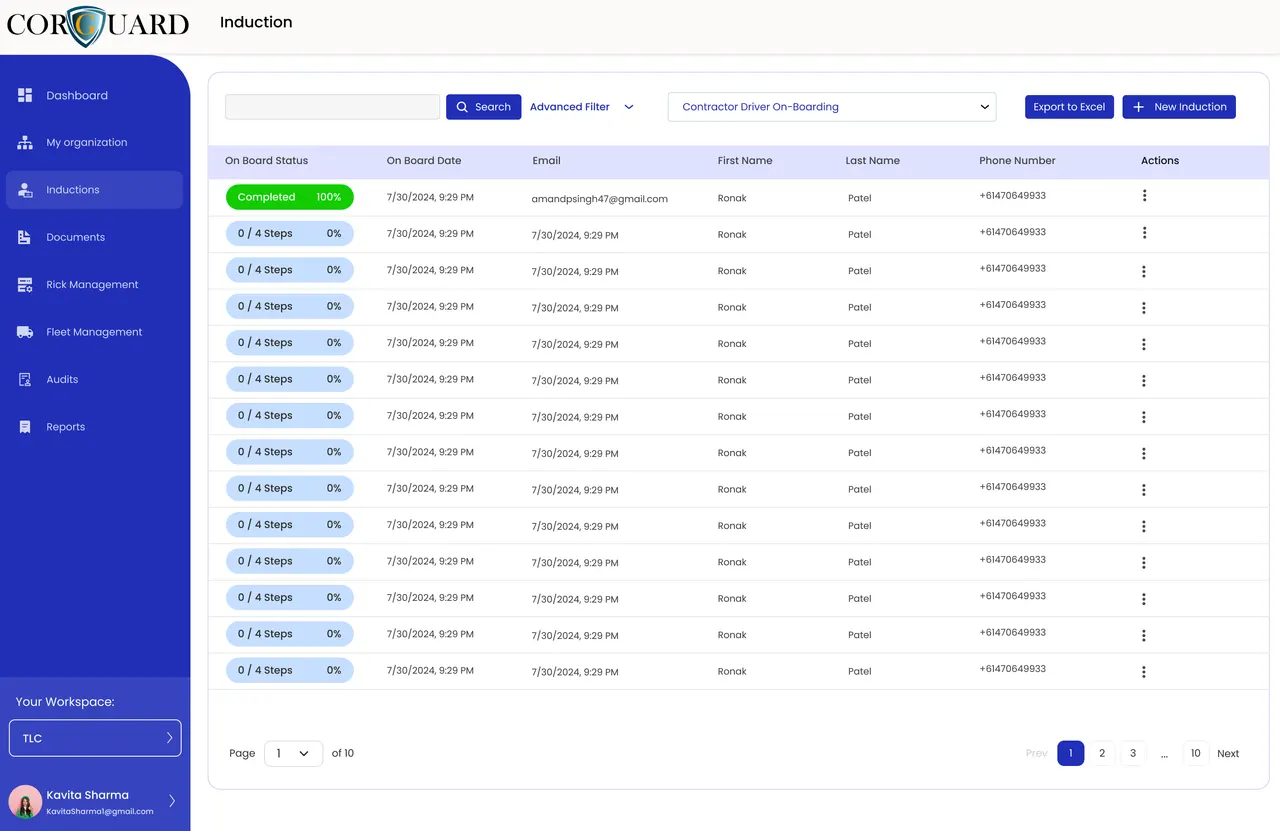
Training records
Connect training completion from cortraining.com.au to evidence and follow-up.
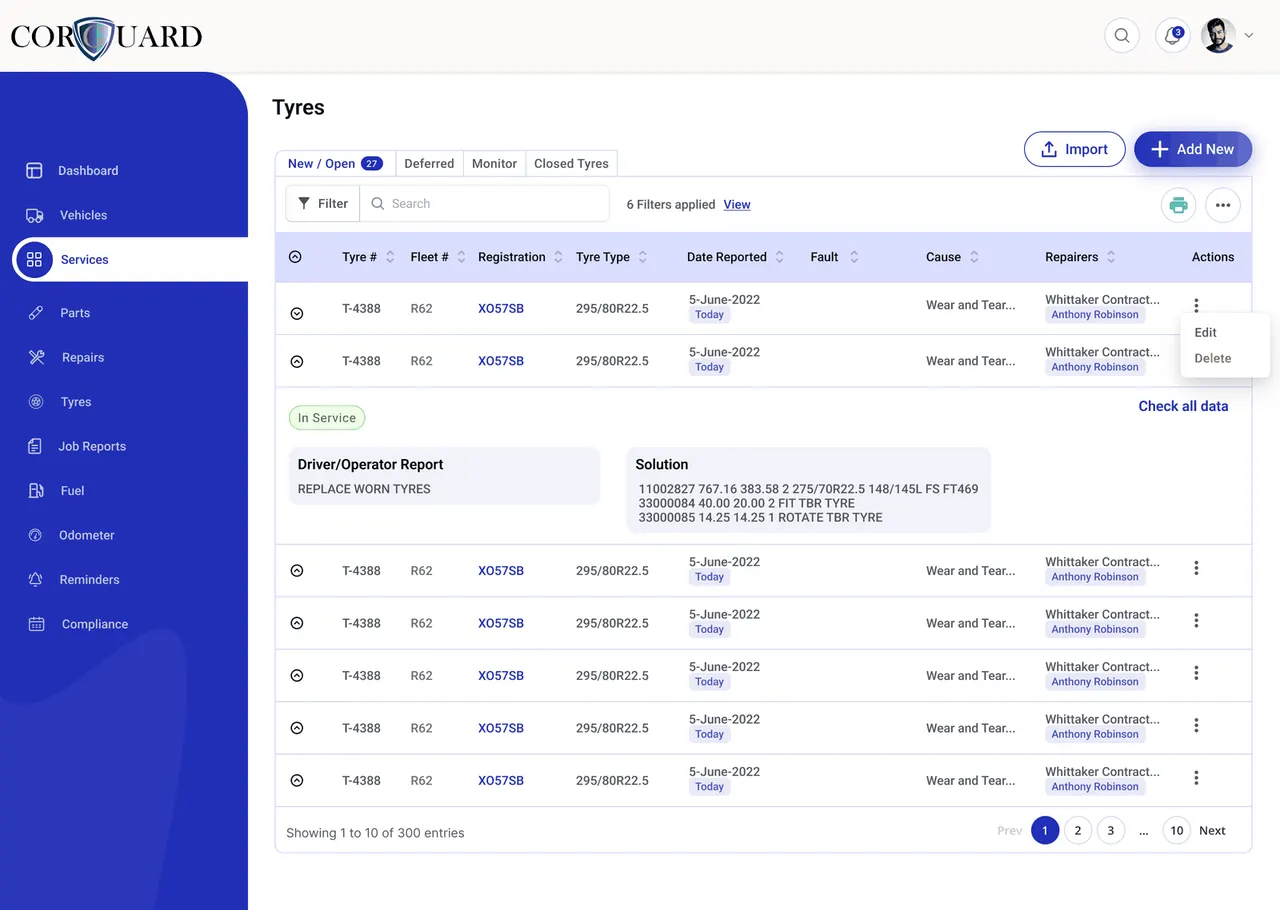
Driver diary checks
Connect fatigue and driver diary review back to manager visibility.
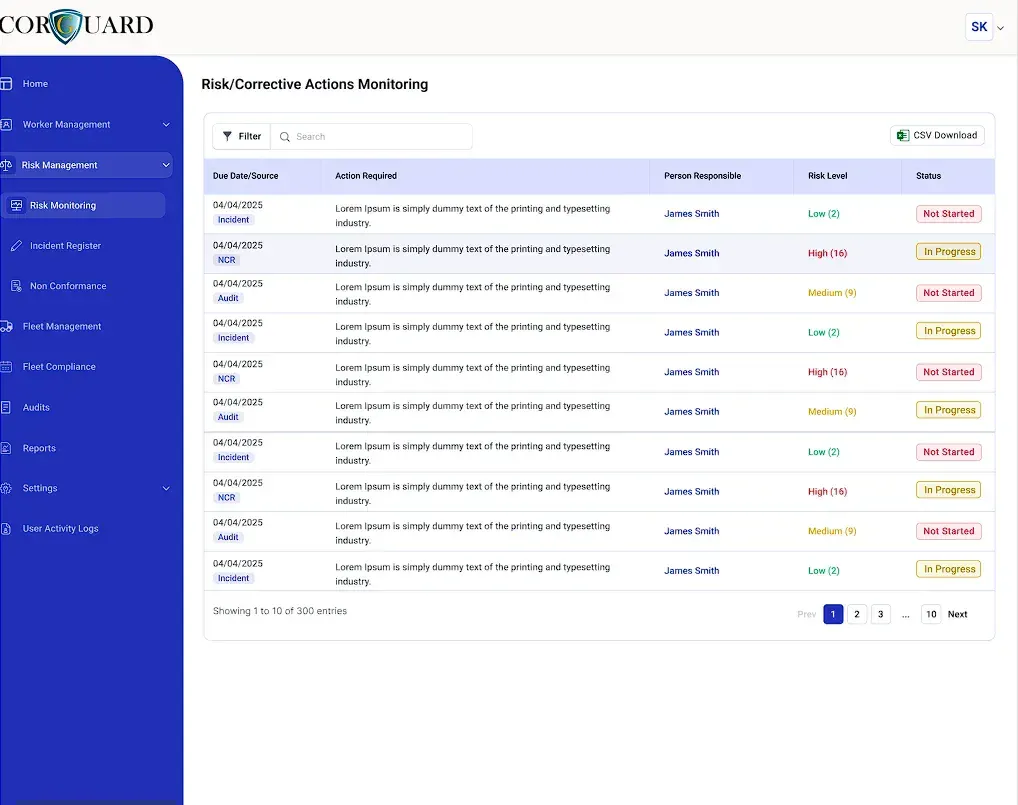
Corrective actions
Turn audit findings, hazards and incidents into tracked actions.
Keep exploring
Related Chain of Responsibility reading
MAEZ insight
Checking Registration Currency
Complying with CoR not only safeguards from legal penalties but also fosters a culture of safety, pre-emptively addressing risks that could lead to severe road incidents. Anticipating potential risks and developing contingency plans is crucial.
MAEZ insight
Journey Planners
Navigating the intricate network of the heavy vehicle transport industry requires meticulous precision, unwavering attention to detail, and a deep-seated commitment to safety.
MAEZ insight
Significant Increase in CoR Fines & Prosecutions
Are you feeling the rise in living costs? How would your corporation pay penalties for $3,546,390 for a Category 1 offence? How would your family cope if you had to face jail time?
MAEZ insight
The Imperative of Incorporating a Chain of Responsibility Policy in Your Enterprise
The safety of our roads is of paramount importance, particularly in the transport sector. In Australia, the safety of the transport sector relies heavily on the Heavy Vehicle National Law (HVNL) and state-based workplace safety legislation. One key area of focus for transport safety is the use of driver-facing cameras.
MAEZ insight
Would You Sign Off A Cheque For $18m?
A large grain manufacturer was slugged with an $18m fine by the then RTA, for a total of 330 breaches or individual offences, about $55K for each offence. The allegation was that the business which was accepting loads, were accepting loads grossly overloaded!
MAEZ insight
Responsibility; Who’s at fault in the Chain of Responsibility?
Late last week on the NSW Police FB blog, it reported that a transport company (Many people will know who) was caught with unsafe loads coming out of a major retailers distribution centre.
Frequently asked questions
Questions people ask about this topic
Who is considered a duty holder under the Heavy Vehicle National Law?
A duty holder under the HVNL is any party in the transport supply chain who can influence the safety of a heavy vehicle operation, including employers, prime contractors, operators, schedulers, consignors, consignees, packers, loading managers, loaders, and unloaders. Each holds a primary duty of care to ensure, so far as is reasonably practicable, the safety of their transport activities.
What does the primary duty of care require under the HVNL?
The primary duty of care requires all parties in the Chain of Responsibility to take proactive steps to identify, assess, and mitigate risks associated with heavy vehicle operations, so far as is reasonably practicable. Executives of legal entities also have a specific due diligence obligation to actively understand risks, ensure controls exist, and verify those controls are working.
How does the Chain of Responsibility distribute accountability?
The Chain of Responsibility distributes accountability across every party in the transport supply chain who can influence safety outcomes, rather than placing the burden solely on the driver. Decisions made before a truck leaves the depot—such as scheduling, loading, and consignment—are recognised as having as much impact on safety as what happens on the road.
What is the executive's due diligence duty under the HVNL?
Executives of legal entities must exercise due diligence to ensure the business complies with its HVNL safety obligations. In practice, this means actively understanding the risks, ensuring appropriate controls exist, and verifying those controls are working rather than simply assuming everything is handled.
How can transport operators build evidence of their HVNL compliance?
Operators can build evidence by documenting training records, maintenance schedules, loading procedures, and scheduling practices, and by reviewing those controls regularly to confirm they work in practice. CoR consulting and targeted training can help identify gaps and give teams the knowledge to meet their obligations confidently.