
MAEZ insight
Managing Risk or Assessing Risk: Do You Know the Difference?
Understand the practical difference between risk assessment and risk management in Australian transport supply chains, and how each connects to Chain of Responsibility, WHS, and Safety Management System obligations.

Proof that freight promises do not create unsafe transport pressure.
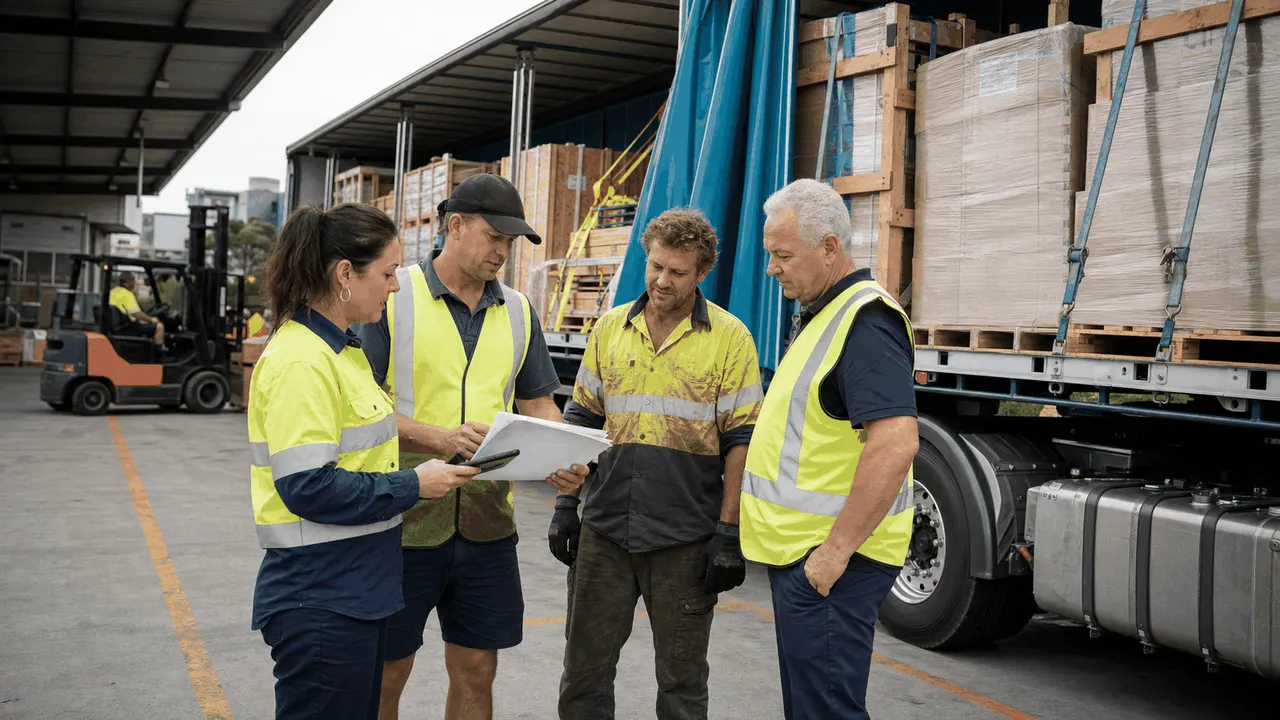
Loading controls need evidence, not assumptions.
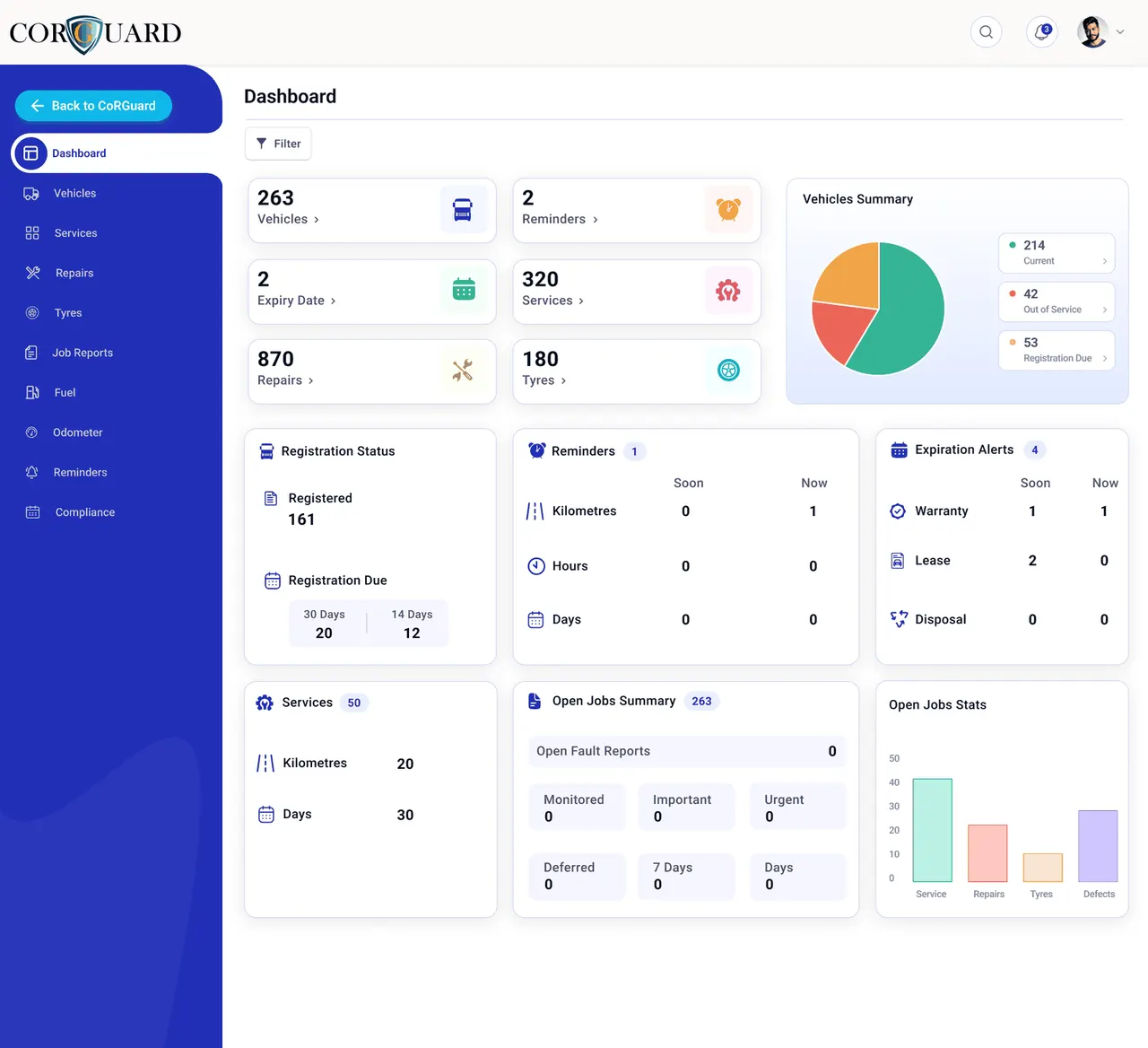
Daily fleet activity has to connect back to duties, controls, and review.

Due diligence means knowing whether the safety system is actually working.
Consignors
Freight terms, delivery windows, and KPIs must not push drivers into speed, fatigue, or mass breaches.
Consignees
Receiving rules, site access, and unloading delays are CoR controls that need to be set and evidenced.
Loaders
Mass, dimension, and load restraint decisions need documented checks, not assumptions.
Managers
Executives and managers need due-diligence evidence that the Safety Management System is actually working.
Risk assessment vs risk management: what's the difference?
Two related but distinct processes every transport operator needs to understand

Risk assessment is about identifying something that might go wrong, categorising it, and working to reduce the likelihood of it occurring. Risk management is about dealing with something you know will happen, and either removing it or reducing its impact. Most people use the terms interchangeably, but they describe two distinct processes with different intents and outcomes.
In supply chain roles, many people do not actively discuss risk within their day-to-day decisions or the environment around them. Often this comes down to one factor: time. But the growing demand for safety and cost reduction means time spent assessing risk is no longer optional. Time is also not an excuse for setting aside safety-related risks.
The key difference is intent. Risk assessment works to reduce the likelihood of something that may or may not happen. Risk management works to remove or reduce the impact of something you know will happen. Understanding this distinction matters because it determines whether you prioritise prevention or impact reduction — and that choice feeds directly into your Chain of Responsibility and WHS obligations.
The six elements of risk assessment
A structured approach to identifying and reducing likely problems
Risk assessment follows six elements that work together to reduce the likelihood of a risk occurring — not to eliminate something already known to be inevitable.
- Identify the element upon which risk exists — what could cause you problems?
- Assess the likelihood of the risk, using a method similar to WHS teams in your workplace.
- Plan to manage or remove the risk from existence. You need a road map before you begin.
- Implement the plan you have devised to remove or mitigate the risk.
- Monitor your results. This is critical and the element you need to manage upwards.
- Control your risk by using the results to change or enhance your efforts further.
The aim is to reduce the likelihood of the risk occurring, rather than to eliminate something that is already known to be inevitable.
The four stages of the risk management cycle
For risks you know will happen, the focus shifts to removal or impact reduction
Risk management has four main stages in its cycle, designed for problems you already know will occur.
- Plan or identify the risk at hand, first and foremost.
- Assess the risk by categorising it — this is really important in risk management.
- Handle the risk by either removing it or implementing a risk aversion tactic.
- Monitor and report on the risk so you understand the probability and impact over time.
Known vs uncertain risks
Risks come in several forms, including financial, health and safety, infrastructure impact, and systems impact. Whatever the risk, there are two ways to look at it: will it possibly happen, or is it going to happen?
If you know it will happen, you need to risk manage the problem. The order of preference is to first manage the risks you know will occur, then turn to the uncertain ones. Once you reach risks that may occur, you can risk assess them and work through an order of priority.
Safety events and the limits of foreseeability
Unforeseen events are not automatically a failure of risk assessment
Many people get hung up on safety-related events such as injuries. Yes, it is a tragedy when anyone gets hurt in the workplace or worse. But if something has not been risk assessed, it may simply mean no one knew the event could occur. No one knows what they don't know — so don't feel threatened if something unforeseen was not first risk assessed.
What happens after an event matters most
Once an injury or safety breach does occur, it should automatically be placed through a risk management process. It may not be executed right away — other risks may take priority — but it is something that needs to be managed, not assessed for its likelihood of occurring. The event has already happened; the focus is now on impact and prevention of recurrence.
Risk assessment also doesn't have to be confined to the production floor. It can be extended into vendor purchase agreements, service level agreements, and other commercial arrangements. The level of consideration depends on the impact an element will have on your business.
Practical steps to manage supply chain risk
Quick actions that build visibility and accountability
Within your supply chain, there are a few quick things you can do to improve your business:
- Build and maintain a working risk spreadsheet and share it with your team.
- Cost the risk or assign a score, then work on the worst offenders first.
- Raise risks with your peers and management team — working as a group is a force to be reckoned with.
- Revisit the list often — say once per week — to see how you are tracking.
These simple habits help ensure risks do not sit silently with one person. Shared visibility is what turns a list into a working control.
Adding known risks to your register
If you want to stand out as a supply chain leader, adding a known problem to a risk management spreadsheet — with an attributed cost — goes a long way, provided you then mitigate it. If you are unsure of when the risk will occur, place it on your to-do list as a secondary priority.
Corporate derivative liability and executive exposure
Executives who knew or ought to have known are personally exposed
Corporate derivative liability applies where an executive knew, or ought reasonably to have known, of the conduct constituting an offence — or that there was a substantial risk the offence would be committed.
The Fleurieu case
The owners of the Fleurieu tourist company referenced in the original article should have known about the risks within their organisation and allocated suitable budget and resources to prevent an issue arising from one of their truck drivers speeding. Proper Chain of Responsibility training would have helped prevent the 'unknown' in this case, giving the business the opportunity to fully understand its risks and reduce its liability under the Act.
For executives and managers, CoR training tailored to your role is a practical starting point. Understanding the difference between risk assessment and risk management is part of meeting the due diligence expectations placed on officers under both HVNL and WHS law.
How MAEZ helps turn risk into action
From advisory to evidence — a practical pathway for transport operators
MAEZ helps Australian businesses turn Chain of Responsibility, HVNL, WHS, transport safety, and chartered risk obligations into practical training, advisory, audit, and implementation pathways. The approach is straightforward: find the gaps, fix the system, and prove the controls.
MAEZ helps transport operators deal with the compliance risk they already know is there — getting the Safety Management System in order, protecting NHVAS accreditation, reducing fine exposure, and connecting training and evidence workflows.
Where software is the right next step, CoRGuard supports the evidence workflow — records, reminders, diaries, audits, document control, inductions, corrective actions, and evidence reporting. For a practical review of the controls, evidence, training, and SMS gaps that matter most to your operation, contact MAEZ.
How MAEZ works
Find the gaps. Fix the system. Prove the controls.
MAEZ helps transport operators deal with the compliance risk they already know is there. We help get the Safety Management System in order, protect NHVAS accreditation, reduce fine exposure, and connect training, evidence, and CoRGuard workflows where software is needed.
Find
Identify what is exposed before an auditor or regulator does.
Fix
Build the SMS controls around how the transport business actually runs.
Prove
Use CoRGuard where records, reminders, diaries, audits, and evidence need structure.
From advice to evidence
From MAEZ advice to a working Safety Management System
Advisory work should leave a practical implementation trail. These examples show how CoRGuard supports records, fatigue and driver diary checks, maintenance, audits, document control, inductions, corrective actions, and evidence review after MAEZ identifies the gaps.
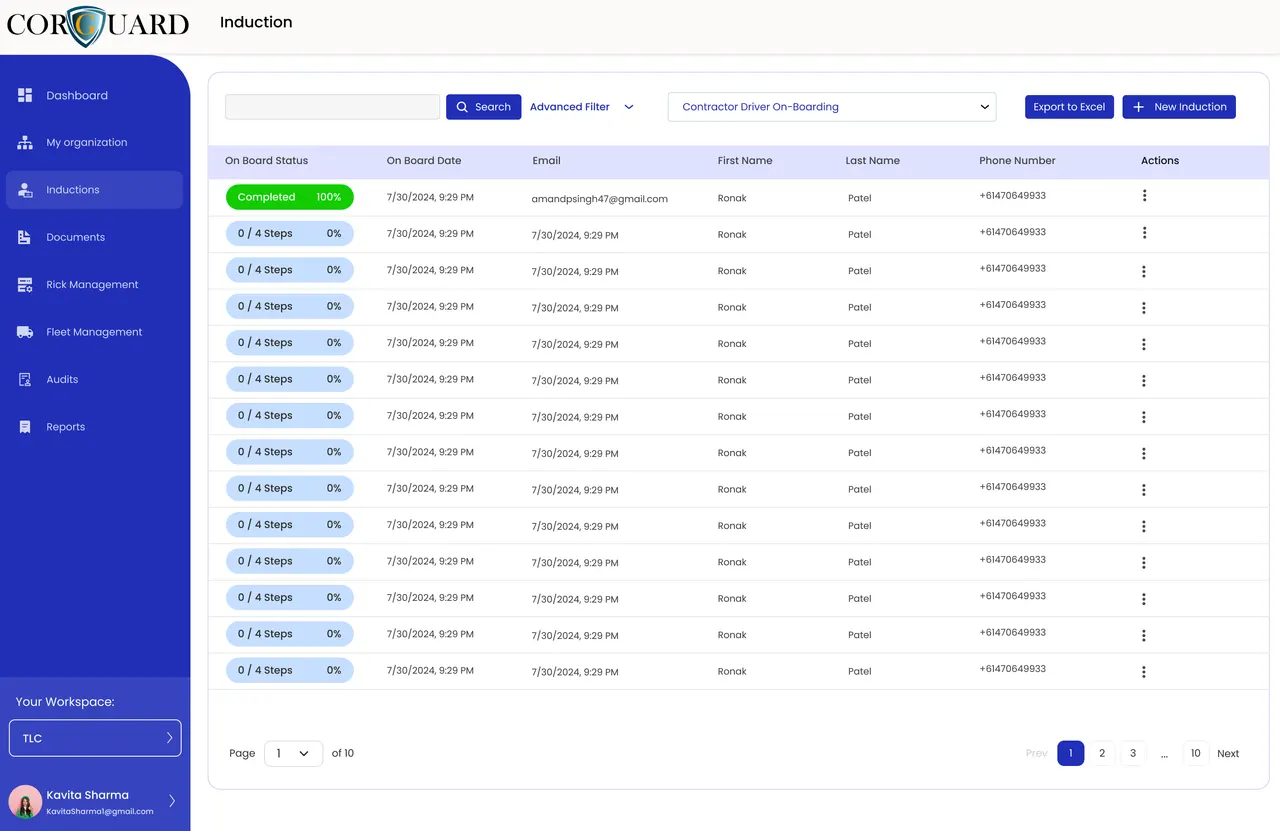
Training records
Connect training completion from cortraining.com.au to evidence and follow-up.
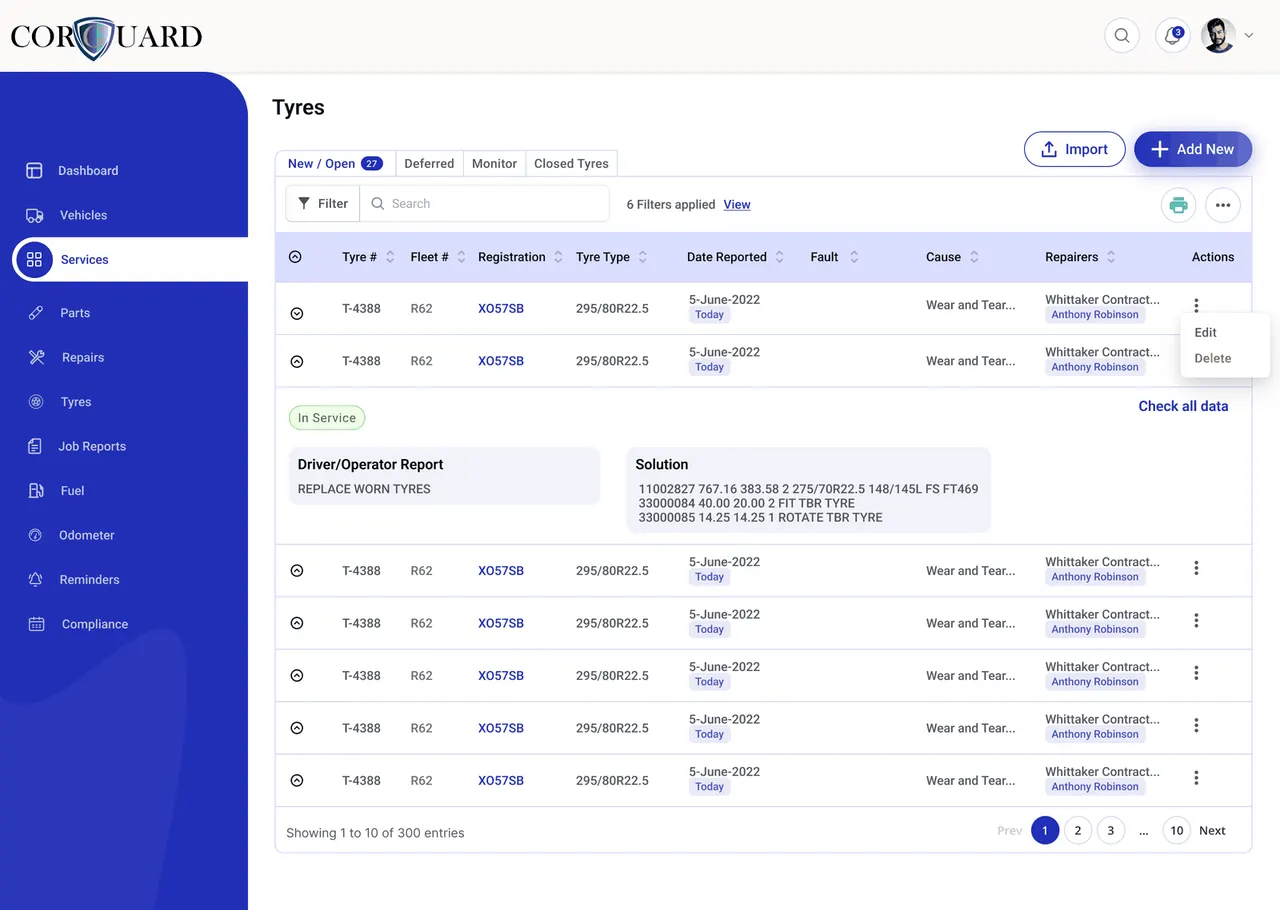
Driver diary checks
Connect fatigue and driver diary review back to manager visibility.
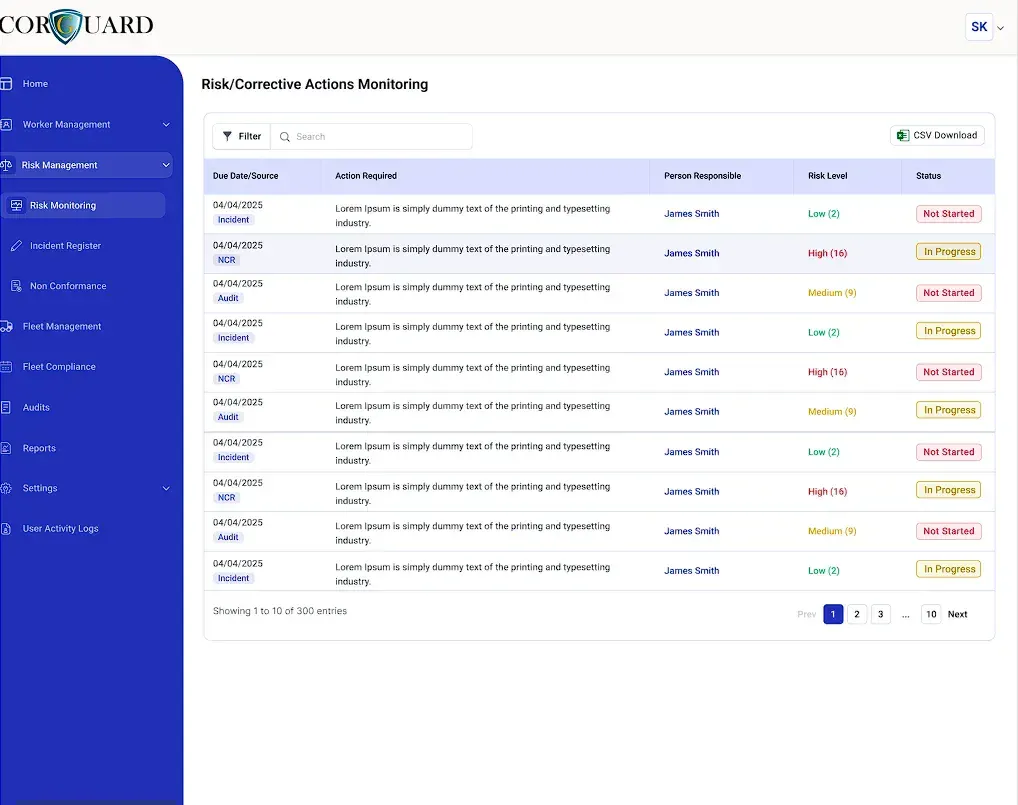
Corrective actions
Turn audit findings, hazards and incidents into tracked actions.
Keep exploring
Related Chain of Responsibility reading
MAEZ insight
What Is A Duty Holder Under the Heavy Vehicle National Law?
The Heavy Vehicle National Law (HVNL) is pivotal for ensuring the safety and compliance of heavy vehicle operations in Australia. Central to this framework is the Chain of Responsibility (CoR), which distributes accountability across various parties in the transport supply chain.
MAEZ insight
Checking Registration Currency
Complying with CoR not only safeguards from legal penalties but also fosters a culture of safety, pre-emptively addressing risks that could lead to severe road incidents. Anticipating potential risks and developing contingency plans is crucial.
MAEZ insight
Journey Planners
Navigating the intricate network of the heavy vehicle transport industry requires meticulous precision, unwavering attention to detail, and a deep-seated commitment to safety.
MAEZ insight
Significant Increase in CoR Fines & Prosecutions
Are you feeling the rise in living costs? How would your corporation pay penalties for $3,546,390 for a Category 1 offence? How would your family cope if you had to face jail time?
MAEZ insight
The Imperative of Incorporating a Chain of Responsibility Policy in Your Enterprise
The safety of our roads is of paramount importance, particularly in the transport sector. In Australia, the safety of the transport sector relies heavily on the Heavy Vehicle National Law (HVNL) and state-based workplace safety legislation. One key area of focus for transport safety is the use of driver-facing cameras.
MAEZ insight
Would You Sign Off A Cheque For $18m?
A large grain manufacturer was slugged with an $18m fine by the then RTA, for a total of 330 breaches or individual offences, about $55K for each offence. The allegation was that the business which was accepting loads, were accepting loads grossly overloaded!
Frequently asked questions
Questions people ask about this topic
What is the difference between risk assessment and risk management?
Risk assessment is about identifying something that might go wrong and working to reduce the likelihood of it occurring. Risk management is about dealing with something you know will happen and either removing it or reducing its impact.
How does corporate derivative liability affect executives in transport?
Corporate derivative liability applies where an executive knew, or ought reasonably to have known, of conduct constituting an offence or that there was a substantial risk it would be committed. Executives who fail to understand and resource risk controls can be personally exposed under the Act.
What should happen after a safety event or injury occurs?
Once a safety event occurs, it should be placed through a risk management process rather than risk assessed for likelihood. The event has already happened, so the focus shifts to impact reduction and prevention of recurrence.
Can risk assessment extend beyond the production floor?
Yes. Risk assessment can be extended into vendor purchase agreements, service level agreements, and other commercial arrangements. The level of consideration depends on the impact an element will have on your business.
What practical steps can transport operators take to manage supply chain risk?
Build and share a working risk spreadsheet with your team, cost or score each risk and tackle the worst first, raise risks with peers and management as a group, and revisit the list weekly. Shared visibility turns a static list into a working control.