
MAEZ insight
Electronic Work Diary for Australian Heavy Vehicle Operators
How NHVR-approved electronic work diaries help Australian transport operators manage driver fatigue, comply with HVNL work-and-rest rules and Chain of Responsibility, and build practical compliance evidence.

Due diligence means knowing whether the safety system is actually working.

Proof that freight promises do not create unsafe transport pressure.

Loading controls need evidence, not assumptions.
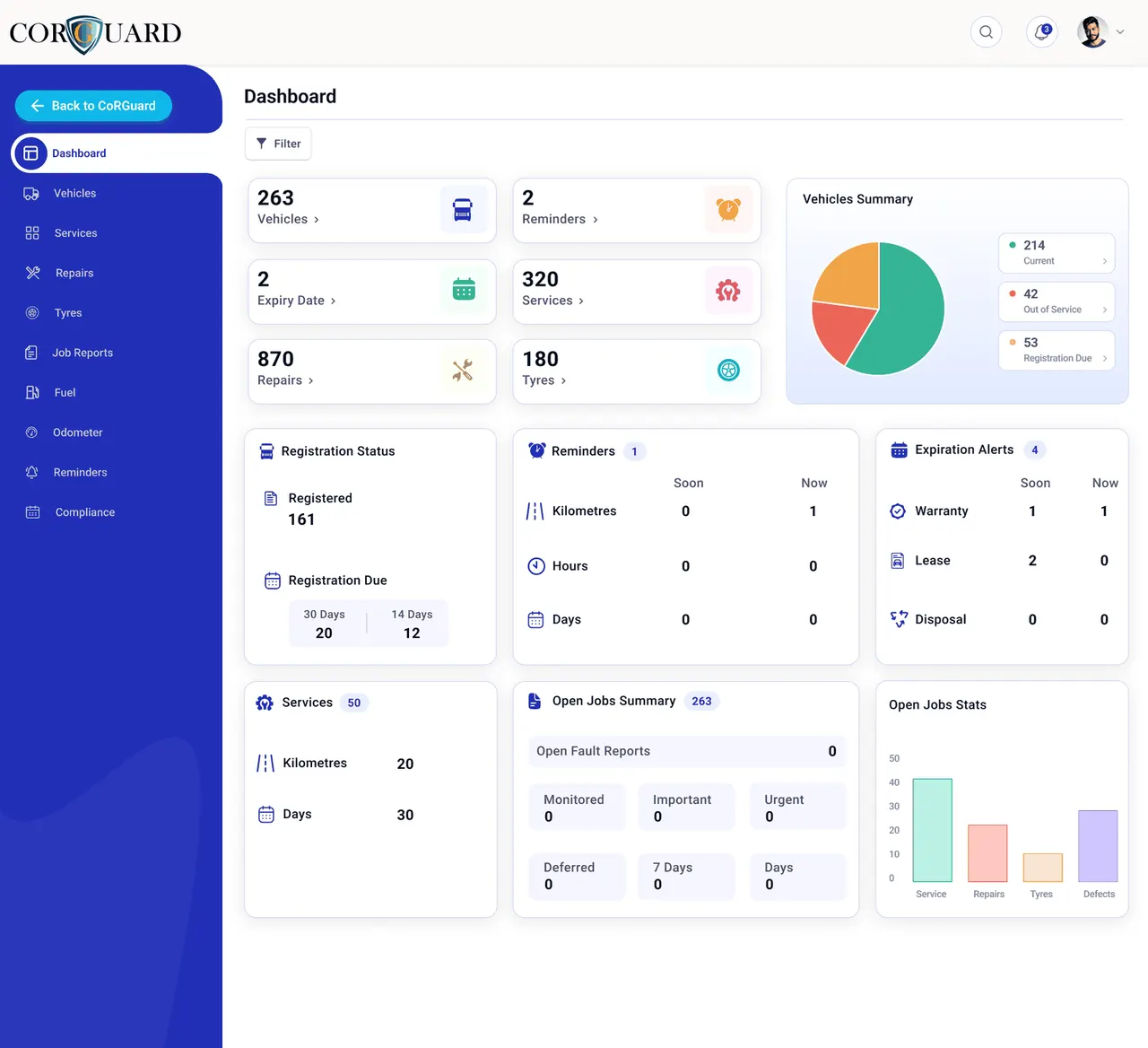
Daily fleet activity has to connect back to duties, controls, and review.
Consignors
Freight terms, delivery windows, and KPIs must not push drivers into speed, fatigue, or mass breaches.
Consignees
Receiving rules, site access, and unloading delays are CoR controls that need to be set and evidenced.
Loaders
Mass, dimension, and load restraint decisions need documented checks, not assumptions.
Managers
Executives and managers need due-diligence evidence that the Safety Management System is actually working.
What is an electronic work diary?
A digital alternative to the written work diary for heavy vehicle drivers
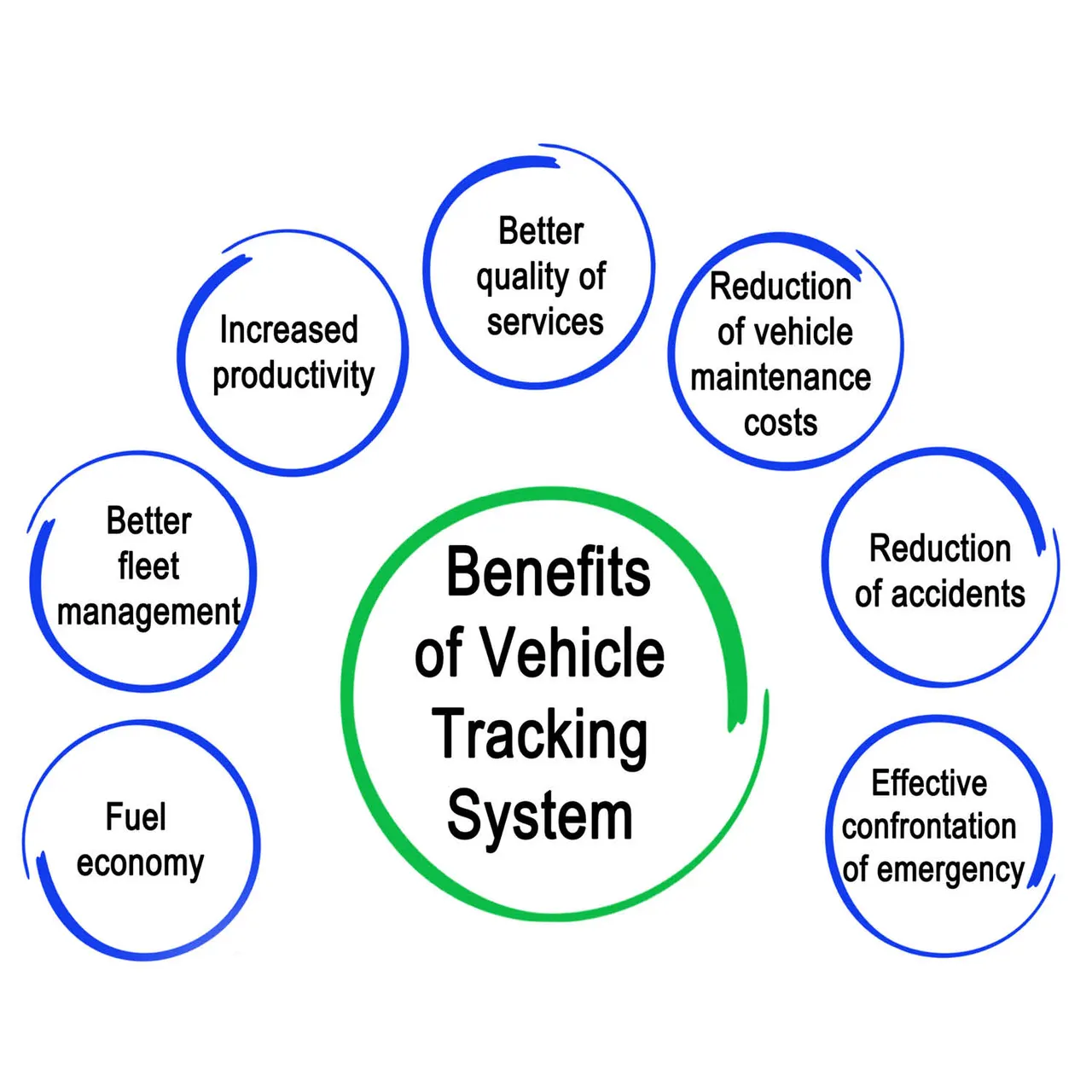
An electronic work diary (EWD) is an NHVR-approved digital logbook that synchronises with a heavy vehicle's engine to automatically record a driver's work and rest times. It replaces the manual written work diary required under the Heavy Vehicle National Law (HVNL), reducing human error and providing accurate, tamper-resistant records for fatigue compliance and Chain of Responsibility evidence.
Heavy vehicle drivers must record their working hours, rest hours, and transportation data so that work time is trackable and consistent with Chain of Responsibility obligations under the HVNL. A written work diary has long been the regulatory default, but manual entries are time-consuming, prone to error, and vulnerable to manipulation under employer or scheduling pressure.
An EWD typically takes the form of a small in-cab tablet with mobile connectivity and data-collection sensors that record vehicle speed and other operating parameters. Registered vehicle and driver data can be tracked from the office or reviewed during a roadside inspection, supporting both compliance and operational visibility for the business.
When and why are electronic logbooks required?
Reducing fatigue risk and manual-diary inaccuracy

Driver fatigue is one of the most serious regulatory risks in the transport and logistics industry. Driving while tired or sleep-deprived is a leading cause of heavy vehicle accidents, which is why work and rest hours are restricted under the HVNL's fatigue management provisions.
Under the HVNL, drivers of fatigue-regulated heavy vehicles must carry and maintain a work diary recording their work and rest times. The HVNL sets out categories of fatigue breaches and duties on employers, prime contractors, operators, and schedulers to ensure driver compliance with those hours.
Manual diaries rely on handwritten entries, which introduces the risk of errors, omissions, and even deliberate manipulation under employer pressure. An NHVR-approved electronic work diary addresses these weaknesses by recording data automatically, ensuring greater accuracy and reducing the compliance burden on drivers and operators alike.
For operators managing Chain of Responsibility obligations, an EWD provides a stronger evidentiary foundation than a paper diary — especially when regulators or auditors ask whether the business has taken reasonable steps to manage fatigue risk.
Benefits of an electronic logbook for operators
Compliance, cost savings, and safer driving behaviour

Transport operators, fleet managers, and supply chain businesses are increasingly adopting electronic logbooks to meet Chain of Responsibility duties while reducing operational costs. The benefits extend beyond simple record-keeping:
- Accurate Hours of Service (HOS) tracking — engine-synchronised records remove manual entry errors and support fatigue compliance.
- Reduced fuel costs — telematics data can identify speeding, harsh braking, and inefficient driving patterns for correction.
- Less paperwork for drivers — drivers spend more time driving and less time maintaining manual logs.
- Improved maintenance scheduling — engine hours and vehicle data support proactive servicing and reduce unplanned downtime.
- Stronger CoR evidence — digital records provide a clearer audit trail for regulators and compliance reviews.
- Better safety outcomes — real-time rest-break prompts encourage drivers to take the breaks they need under standard fatigue management rules.
These advantages compound when EWD data is connected to a broader Safety Management System that links fatigue records to manager oversight, corrective actions, and audit readiness.
How do electronic logbooks support fatigue management?
Real-time feedback on rest breaks and fatigue risk
Fatigue can be caused by lack of sleep, night driving, long shifts, and overtime. A driver who has been awake for 24 hours has a significantly higher risk of an accident, making fatigue management central to transport safety and a core focus of HVNL fatigue regulations.
An electronic logbook supports fatigue management by giving drivers real-time feedback on when their next rest break is required under the applicable fatigue rules. Drivers also receive event, rule, and historical breakdowns so they can understand their fatigue position at a glance.
The system can flag dangerous behaviour or unjustifiable schedules, notifying drivers when they need to find a rest stop. For long-distance operations common in supply chain and logistics, this reduces overall fatigue risk and supports the operator's duty to ensure driver compliance with work and rest hours.
Because the data is captured automatically, there is no opportunity for a driver to delay or skip a diary entry under pressure — the record reflects what actually happened, which is exactly what an auditor or regulator will look for.
How do electronic logbooks work?
From driver login to automated engine data capture
Electronic logbooks synchronise with a vehicle's engine and automatically record duty status, vehicle location, speed, engine hours, fuel level, and driver identification. The process is straightforward for drivers:
- Log in with a driver PIN or account on the in-cab device.
- Select the vehicle and trailer for the trip.
- Choose a duty status — driving, on-duty, or personal conveyance.
- Select the trip purpose from the available categories.
Once the entry is complete, data flows into reporting systems that the finance and compliance teams can review. Some systems also offer geofence reporting to track visits and turnaround times.
Because records are captured digitally, no one is forced to type manual entries, and the data can be transferred to designated safety officials for HOS monitoring and audit readiness. This reduces the administrative burden on drivers while giving the operator a real-time view of fleet activity.
Connecting EWD records to your compliance system
From diary data to Chain of Responsibility evidence
An electronic work diary on its own does not guarantee compliance — it is one control within a broader Safety Management System. Operators still need to connect diary data back to manager visibility, fatigue review, corrective actions, and audit evidence.
For Australian operators, this means linking EWD records to:
- Driver diary checks reviewed by a responsible manager.
- Chain of Responsibility training so executives, managers, and drivers understand their duties.
- Corrective action workflows that turn breaches or near-misses into tracked improvements.
- NHVAS accreditation evidence showing the fatigue management system is operating as intended.
If you need a practical review of how your EWD data connects to your SMS, CoR duties, and NHVAS readiness, contact MAEZ for advisory support. We help you identify the gaps between your digital records and the controls, training, and evidence an auditor will expect to see.
How MAEZ works
Find the gaps. Fix the system. Prove the controls.
MAEZ helps transport operators deal with the compliance risk they already know is there. We help get the Safety Management System in order, protect NHVAS accreditation, reduce fine exposure, and connect training, evidence, and CoRGuard workflows where software is needed.
Find
Identify what is exposed before an auditor or regulator does.
Fix
Build the SMS controls around how the transport business actually runs.
Prove
Use CoRGuard where records, reminders, diaries, audits, and evidence need structure.
From advice to evidence
From MAEZ advice to a working Safety Management System
Advisory work should leave a practical implementation trail. These examples show how CoRGuard supports records, fatigue and driver diary checks, maintenance, audits, document control, inductions, corrective actions, and evidence review after MAEZ identifies the gaps.
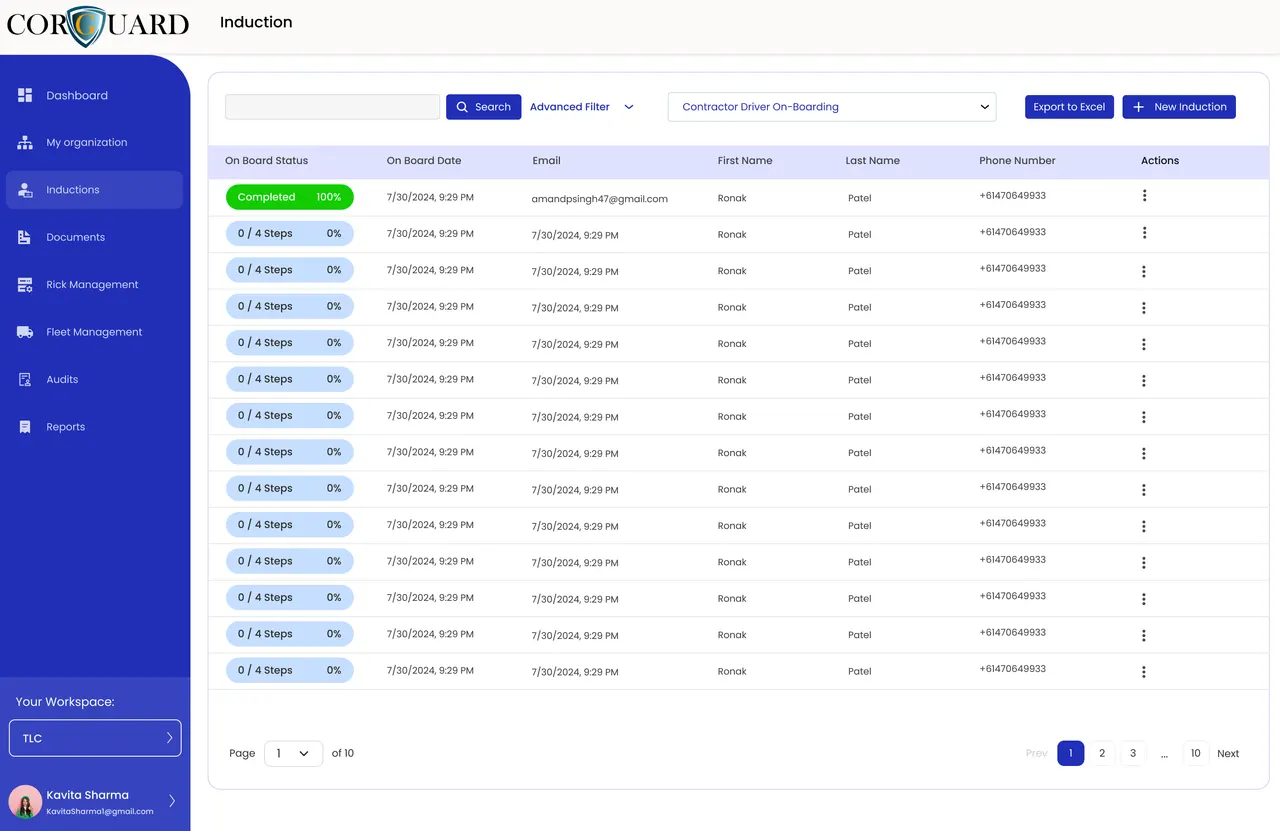
Training records
Connect training completion from cortraining.com.au to evidence and follow-up.
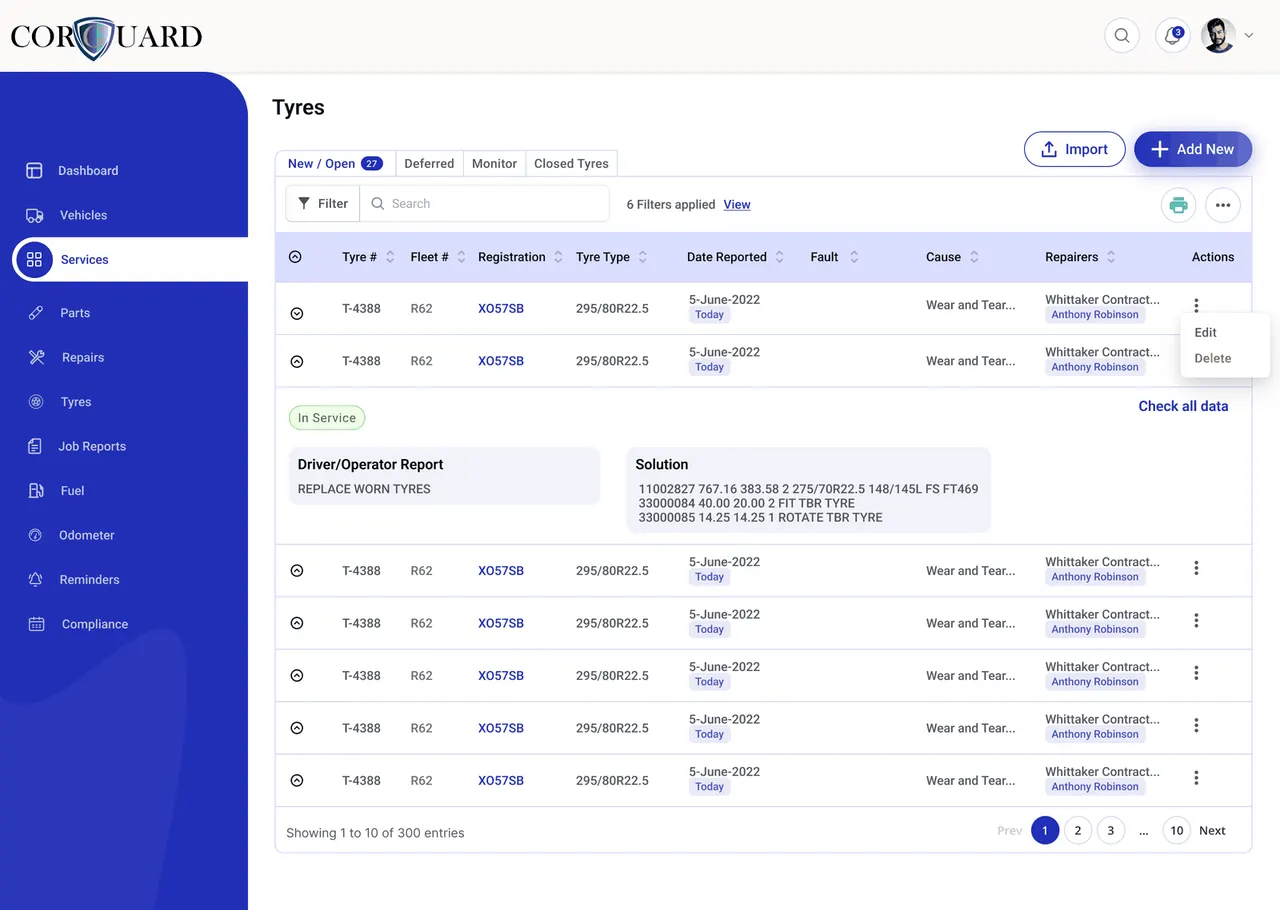
Driver diary checks
Connect fatigue and driver diary review back to manager visibility.
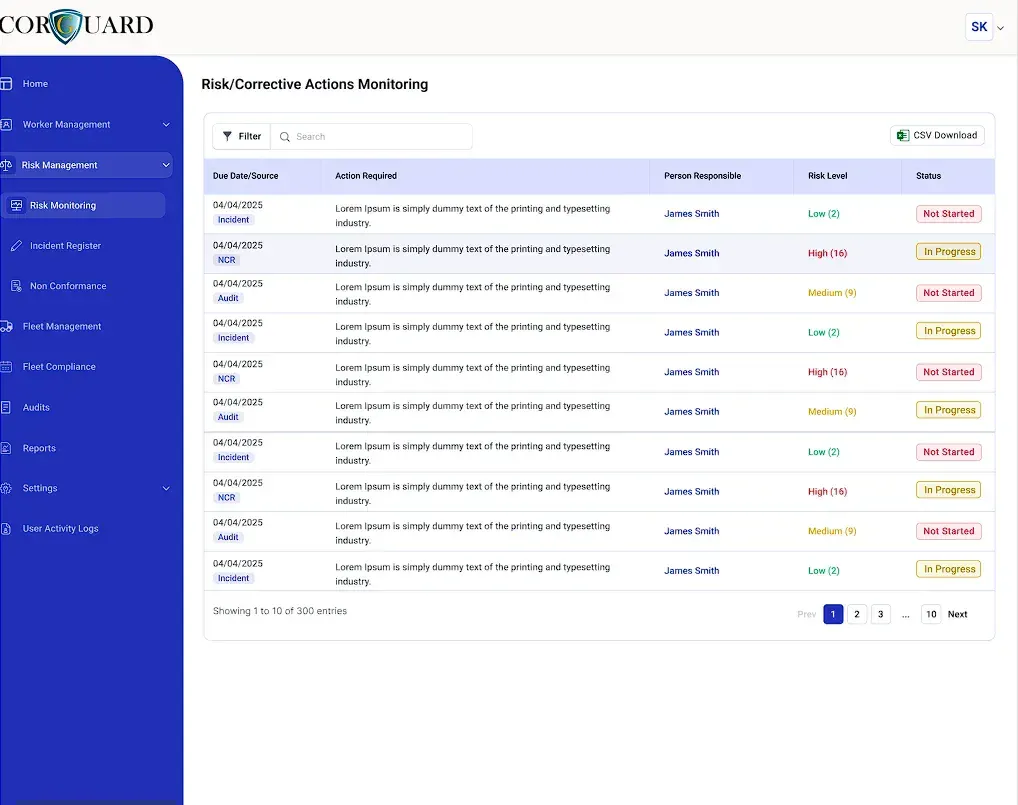
Corrective actions
Turn audit findings, hazards and incidents into tracked actions.
Keep exploring
Related Chain of Responsibility reading
MAEZ insight
Fatigue Management – Are You Breaking The Law?
The behaviour that transport providers are challenged most by, is the lack of understanding these entities, both consignor and consignee, have on the transport aspect of the supply chain, more o on the fatigue management of drivers in the transport task.
MAEZ insight
Managing Risk or Assessing Risk, Do You Know The Difference?
When it comes to risk assessment, there are six elements.Identify the element upon which risk exists. What could cause you problems?
MAEZ insight
What Is A Duty Holder Under the Heavy Vehicle National Law?
The Heavy Vehicle National Law (HVNL) is pivotal for ensuring the safety and compliance of heavy vehicle operations in Australia. Central to this framework is the Chain of Responsibility (CoR), which distributes accountability across various parties in the transport supply chain.
MAEZ insight
Checking Registration Currency
Complying with CoR not only safeguards from legal penalties but also fosters a culture of safety, pre-emptively addressing risks that could lead to severe road incidents. Anticipating potential risks and developing contingency plans is crucial.
MAEZ insight
Journey Planners
Navigating the intricate network of the heavy vehicle transport industry requires meticulous precision, unwavering attention to detail, and a deep-seated commitment to safety.
MAEZ insight
Significant Increase in CoR Fines & Prosecutions
Are you feeling the rise in living costs? How would your corporation pay penalties for $3,546,390 for a Category 1 offence? How would your family cope if you had to face jail time?
Frequently asked questions
Questions people ask about this topic
What is an electronic work diary under the HVNL?
An electronic work diary (EWD) is an NHVR-approved digital logbook that synchronises with a heavy vehicle's engine to automatically record a driver's work and rest times. It replaces the manual written work diary required under the Heavy Vehicle National Law for drivers of fatigue-regulated heavy vehicles.
Does an electronic work diary guarantee Chain of Responsibility compliance?
No. An EWD is one control within a broader Safety Management System. Operators still need to connect diary data to manager oversight, fatigue review, corrective actions, CoR training, and NHVAS accreditation evidence to demonstrate that the fatigue management system is actually working.
Who is required to use a work diary under the HVNL?
Drivers of fatigue-regulated heavy vehicles must carry and maintain a work diary recording their work and rest times under the HVNL. This obligation applies whether the driver uses a manual written diary or an NHVR-approved electronic work diary.
What data does an electronic work diary capture automatically?
An EWD synchronises with the vehicle's engine to automatically record duty status, vehicle location, speed, engine hours, fuel level, and driver identification. Drivers log in with a PIN, select the vehicle and trailer, choose a duty status, and the system handles the rest without manual data entry.
How does an electronic work diary reduce fatigue risk?
An EWD gives drivers real-time feedback on when their next rest break is required under the applicable fatigue rules and can flag dangerous behaviour or unjustifiable schedules. This supports the operator's duty to ensure driver compliance with work and rest hours and provides an accurate audit trail that manual diaries cannot match.