
MAEZ insight
Fatigue Management – Are You Breaking the Law?
How consignors and consignees unknowingly create commercial pressure on drivers under Chain of Responsibility fatigue laws, the legal risks since October 2018, and three practical steps to stay compliant.
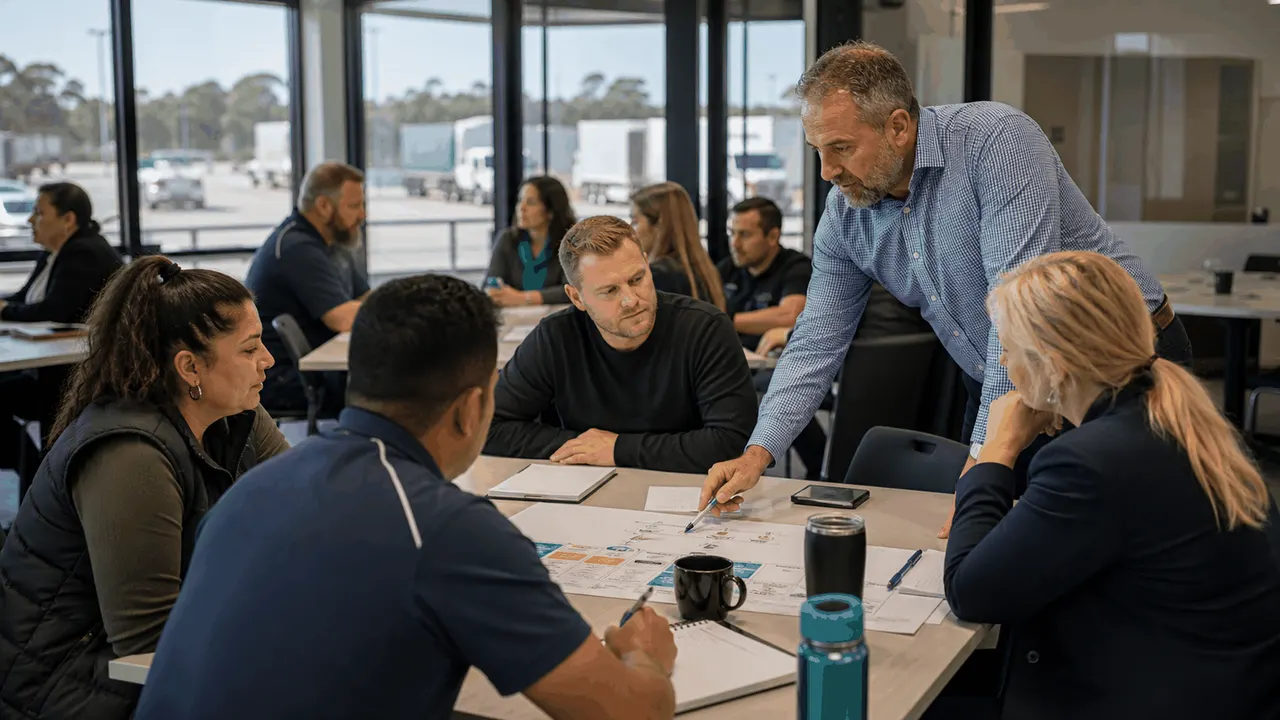
Managers need a clear view of gaps before audit or enforcement pressure arrives.

Contractor controls should be verified before the work starts.
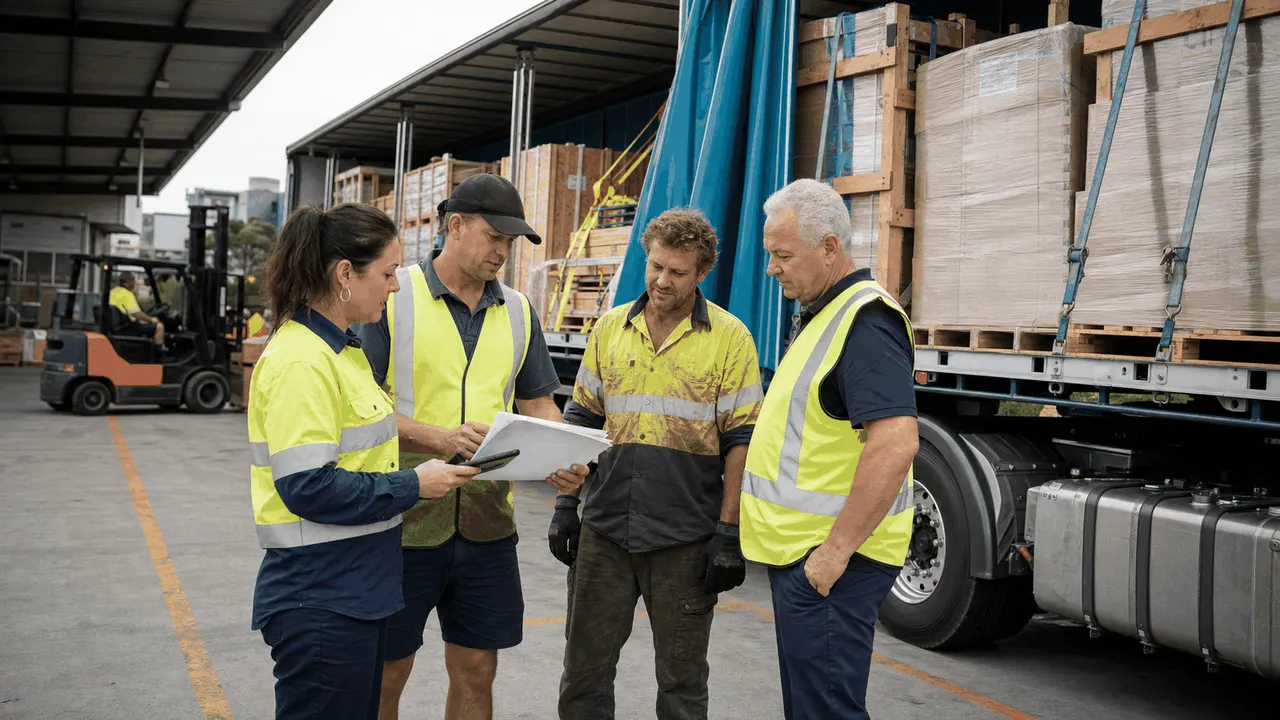
Receiving windows, site rules, and unloading delays can all shape the transport task.
Unloading decisions can affect safety, scheduling, and responsibility.
Consignors
Freight terms, delivery windows, and KPIs must not push drivers into speed, fatigue, or mass breaches.
Consignees
Receiving rules, site access, and unloading delays are CoR controls that need to be set and evidenced.
Loaders
Mass, dimension, and load restraint decisions need documented checks, not assumptions.
Managers
Executives and managers need due-diligence evidence that the Safety Management System is actually working.
What fatigue management means under Chain of Responsibility
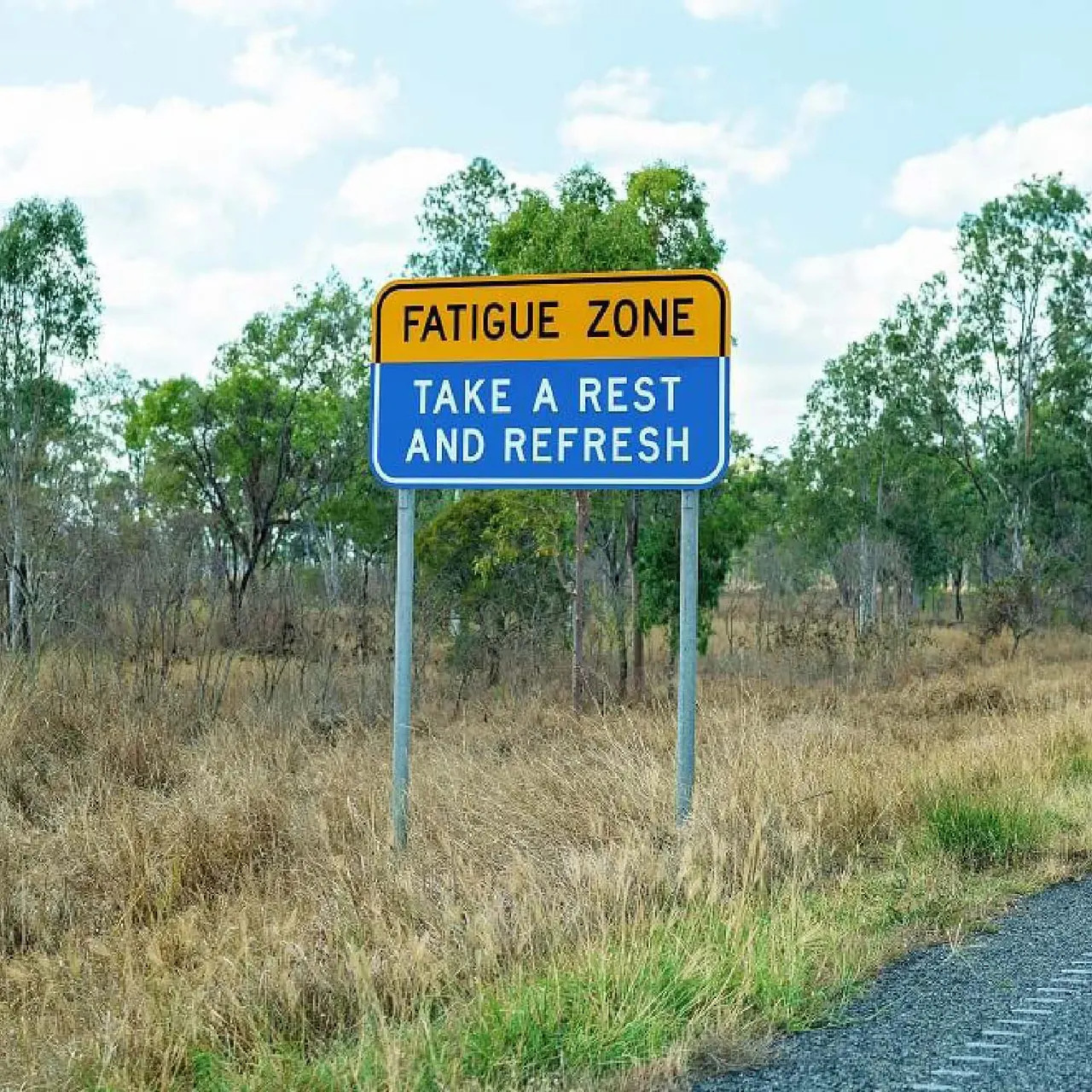
Fatigue management under the Chain of Responsibility means every party in the supply chain — not just drivers and transport operators — shares a legal duty to ensure drivers are not pressured to breach work and rest hours. Since 1 October 2018, strengthened HVNL provisions have made consignors, consignees, loaders, and schedulers liable when their commercial decisions create fatigue risk.
The Heavy Vehicle National Law (HVNL) addresses driver fatigue under Chapter 6, covering work and rest hours, work diary requirements, and the obligations of every party in the chain. The 2018 reforms tightened these obligations across the entire supply chain, and the legislation has continued to evolve since.
If you send, receive, load, schedule, or manage freight, fatigue management is your responsibility. The real question is what you or your people are doing directly to avoid being caught on the wrong side of the law.
Learn more about the Chain of Responsibility framework and how it applies to your role.
The biggest gap: consignors and consignees who don't know the law
The biggest challenge to the transport industry remains the behaviour of the consignor and consignee — the people who send or receive the goods. Transport providers are challenged most by the lack of understanding these entities have about the transport aspect of the supply chain, particularly fatigue management of drivers.
Transport providers increasingly find themselves caught in the middle. What is most alarming is that a lot of consignors don't even know they are breaking the law daily. Consignees can be even worse — many think they just receive the goods and have no further obligation.
Both consignors and consignees seem to lack understanding of the Chain of Responsibility legislation in most examples. This gap in awareness is what puts the entire chain at risk.
For a practical breakdown of duty holder obligations, see Chain of Responsibilities: What Australian HVNL Duty Holders Need to Understand.
Commercial pressure: how poor planning creates fatigue risk
One of the biggest pitfalls consignees and consignors have in common is that they don't plan well enough. This puts pressure on the chain to support their needs, causing transport companies to hurry — creating issues in fatigue management and speed management.
That pressure gets passed further down the chain, potentially all the way to the driver.
If an accident occurs and it is proven that the supply chain rushed the delivery of goods, this is called commercial pressure. It is a recognised risk factor under the HVNL fatigue provisions, and it can be traced back through every party that influenced the transport task.
Key sources of commercial pressure
- Unrealistic pickup or delivery deadlines set without consulting the transport operator
- Poorly timed receiving windows that force drivers to wait, then rush to the next stop
- Last-minute schedule changes that compress available driving hours
- Unloading delays that eat into a driver's rest or work time budget
Legal consequences: who is liable when the chain rushes
If commercial pressure is proven in the courts, the directors of the consignor and/or the consignee — right down to the person who made the call to the transport company to get goods delivered ASAP — are liable for prosecution and harsh penalties.
These penalties have applied since 1 October 2018, when the strengthened CoR provisions came into effect. The law doesn't just target drivers and transport operators. Every party in the chain who influences the transport task shares the obligation to ensure fatigue is managed properly.
This means individuals — not just corporations — can face personal prosecution. Directors, dispatchers, warehouse managers, and anyone whose decisions shaped the transport task can be held accountable.
For a structured review of where your operation stands, consider practical CoR consulting to identify gaps before an auditor or regulator does.
Three steps consignors and consignees should take now
Practical actions that reduce fatigue risk across the supply chain
If you're a consignor, consignee, or any party in the supply chain, take the time to do three things:
1. Consult with your transport operators
Talk to both internal and external operators with an emphasis on ensuring sound fatigue management across the transport task. Understand the real constraints of work and rest hours before setting deadlines.
2. Ensure your people are trained in CoR legislation
Practical Chain of Responsibility training gives your team the understanding they need to avoid creating unlawful pressure. Training should be role-based and relevant to how your people actually interact with the transport task.
3. Ensure the transport task has an active safety system
Maintain a Safety Management System with a focus on transport safety improvement and a special emphasis on fatigue management. The system should connect policies, procedures, records, and corrective actions.
These steps are not optional extras. They are the baseline controls every duty holder in the chain should have in place to manage fatigue risk and demonstrate compliance.
How MAEZ helps you manage fatigue and CoR obligations
Advisory, training, and evidence pathways for Australian transport businesses
MAEZ helps Australian businesses turn Chain of Responsibility, HVNL, WHS, transport safety, and chartered risk obligations into practical training, advisory, audit, and implementation pathways.
We help transport operators deal with the compliance risk they already know is there — getting the Safety Management System in order, protecting NHVAS accreditation, reducing fine exposure, and connecting training, evidence, and workflow tools where needed.
- Find — identify what is exposed before an auditor or regulator does.
- Fix — build SMS controls around how the transport business actually runs.
- Prove — use structured records and evidence to demonstrate the controls are working.
For practical CoR training, MAEZ delivers through Chain of Responsibility course pathways. Where software is the right next step, CoRGuard supports the evidence workflow for fatigue records, driver diary checks, audits, and corrective actions.
Ready to review your gaps? Contact MAEZ for a practical review of the controls, evidence, training, and SMS gaps that matter most to your operation.
How MAEZ works
Find the gaps. Fix the system. Prove the controls.
MAEZ helps transport operators deal with the compliance risk they already know is there. We help get the Safety Management System in order, protect NHVAS accreditation, reduce fine exposure, and connect training, evidence, and CoRGuard workflows where software is needed.
Find
Identify what is exposed before an auditor or regulator does.
Fix
Build the SMS controls around how the transport business actually runs.
Prove
Use CoRGuard where records, reminders, diaries, audits, and evidence need structure.
From advice to evidence
From MAEZ advice to a working Safety Management System
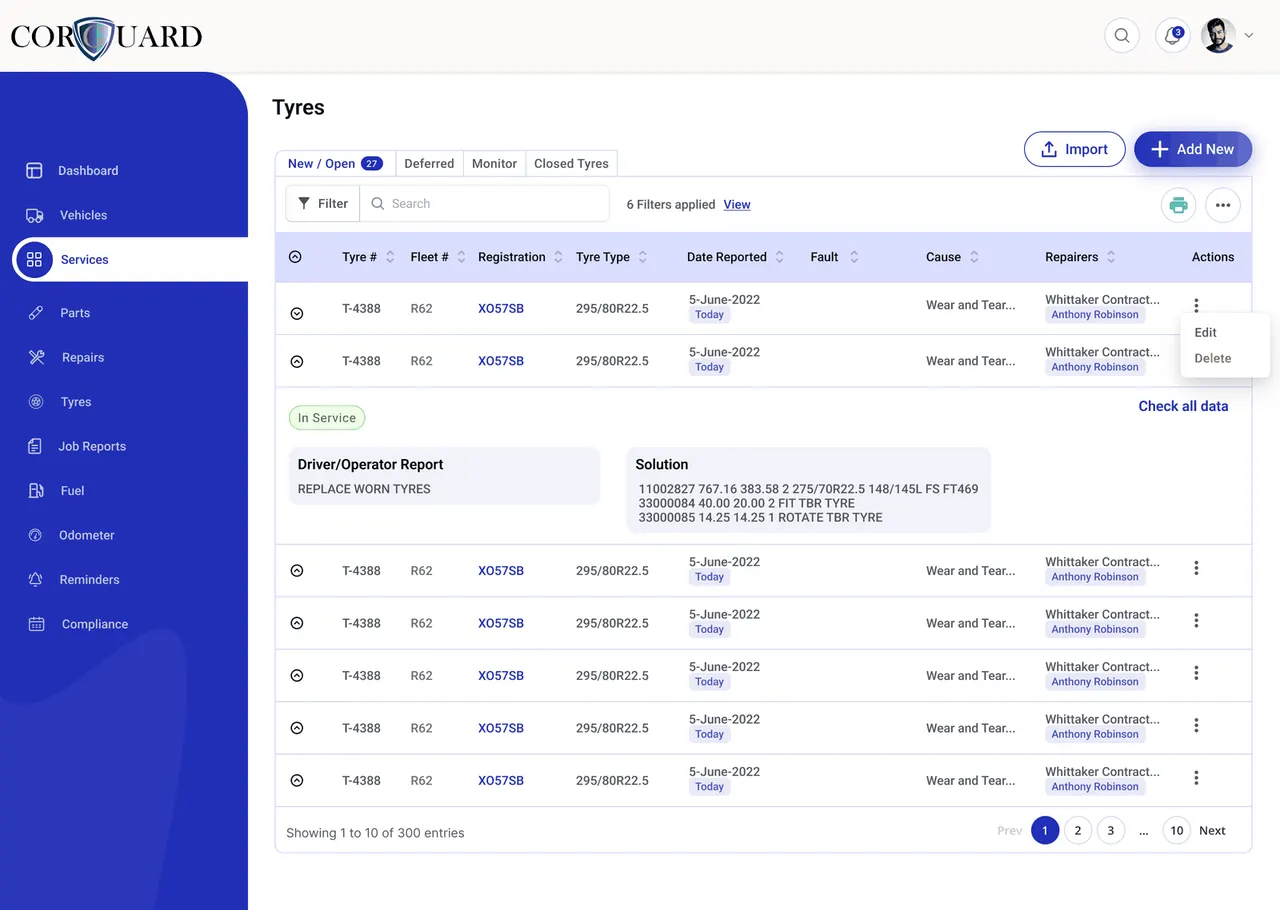
Advisory work should leave a practical implementation trail. These examples show how CoRGuard supports records, fatigue and driver diary checks, maintenance, audits, document control, inductions, corrective actions, and evidence review after MAEZ identifies the gaps.
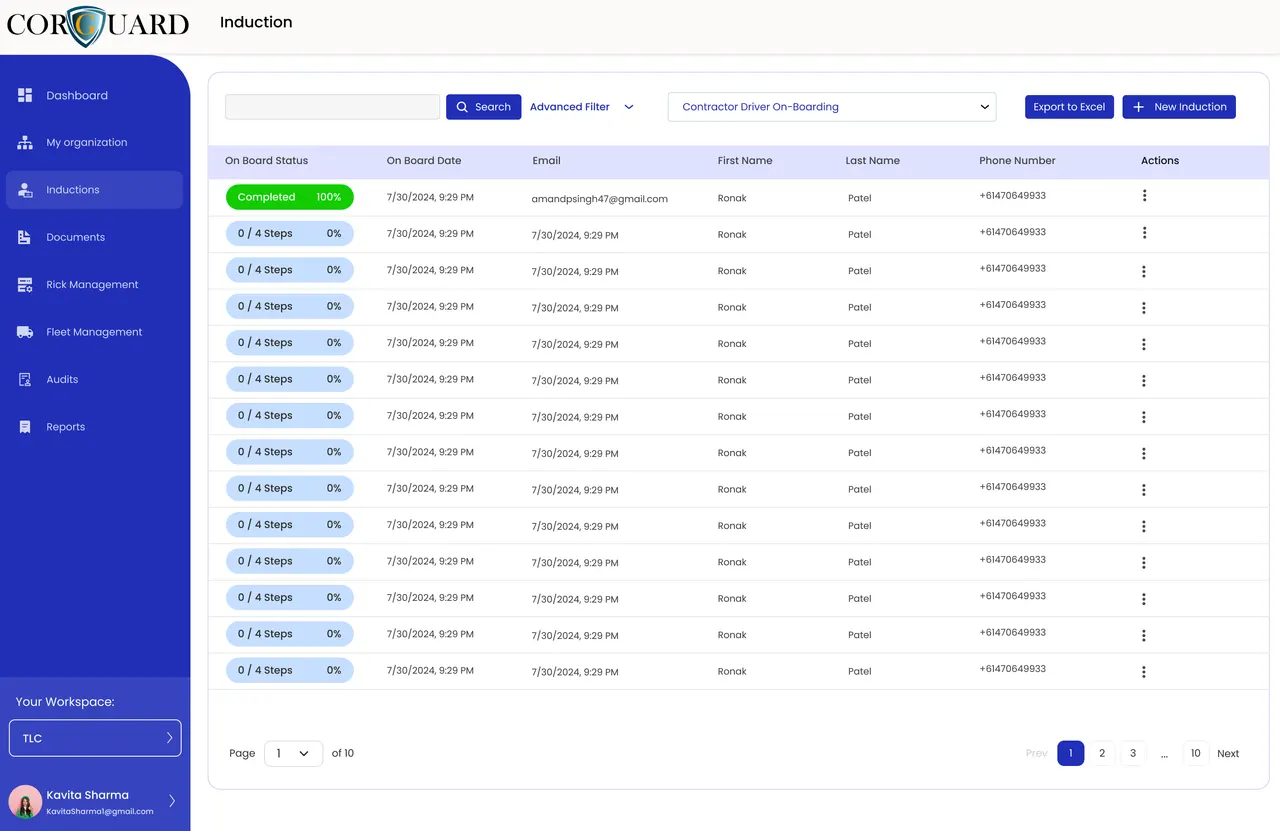
Training records
Connect training completion from cortraining.com.au to evidence and follow-up.
Driver diary checks
Connect fatigue and driver diary review back to manager visibility.
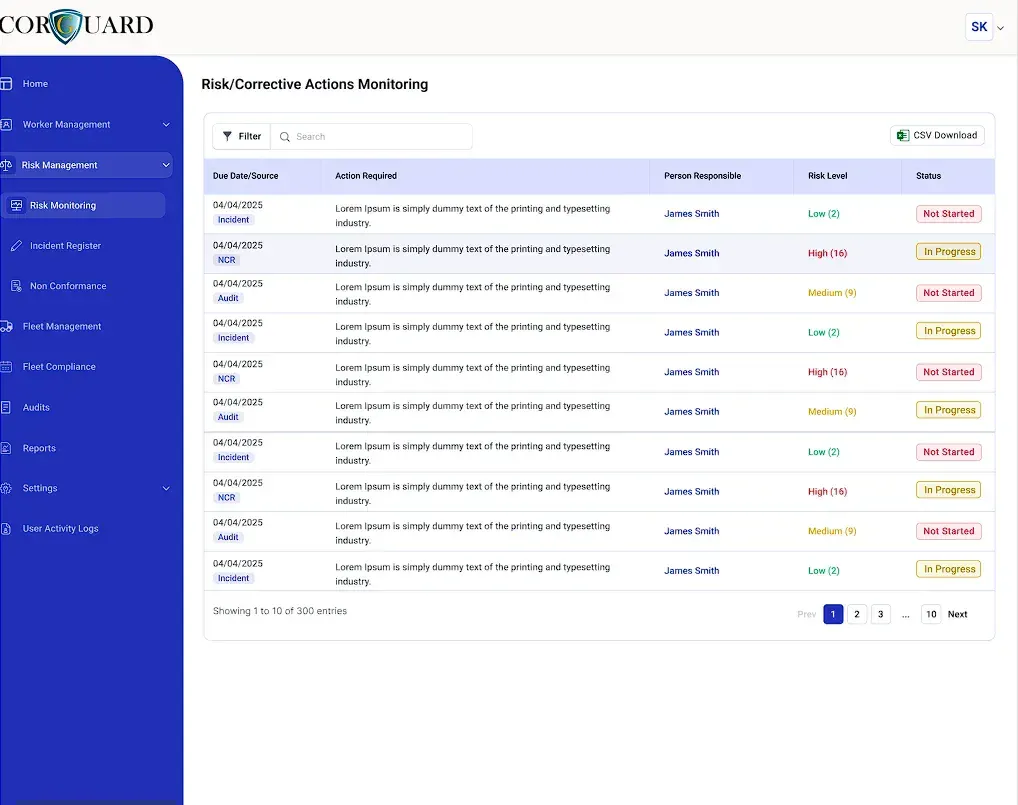
Corrective actions
Turn audit findings, hazards and incidents into tracked actions.
Keep exploring
Related Chain of Responsibility reading
MAEZ insight
Managing Risk or Assessing Risk, Do You Know The Difference?
When it comes to risk assessment, there are six elements.Identify the element upon which risk exists. What could cause you problems?
MAEZ insight
What Is A Duty Holder Under the Heavy Vehicle National Law?
The Heavy Vehicle National Law (HVNL) is pivotal for ensuring the safety and compliance of heavy vehicle operations in Australia. Central to this framework is the Chain of Responsibility (CoR), which distributes accountability across various parties in the transport supply chain.
MAEZ insight
Checking Registration Currency
Complying with CoR not only safeguards from legal penalties but also fosters a culture of safety, pre-emptively addressing risks that could lead to severe road incidents. Anticipating potential risks and developing contingency plans is crucial.
MAEZ insight
Journey Planners
Navigating the intricate network of the heavy vehicle transport industry requires meticulous precision, unwavering attention to detail, and a deep-seated commitment to safety.
MAEZ insight
Significant Increase in CoR Fines & Prosecutions
Are you feeling the rise in living costs? How would your corporation pay penalties for $3,546,390 for a Category 1 offence? How would your family cope if you had to face jail time?
MAEZ insight
The Imperative of Incorporating a Chain of Responsibility Policy in Your Enterprise
The safety of our roads is of paramount importance, particularly in the transport sector. In Australia, the safety of the transport sector relies heavily on the Heavy Vehicle National Law (HVNL) and state-based workplace safety legislation. One key area of focus for transport safety is the use of driver-facing cameras.
Frequently asked questions
Questions people ask about this topic
Can a consignor or consignee be prosecuted for a driver fatigue breach?
Yes. Since 1 October 2018, strengthened Chain of Responsibility provisions under the HVNL make every party who influences the transport task liable for fatigue management failures — including consignors, consignees, directors, and individuals who created commercial pressure.
What is commercial pressure under the HVNL fatigue provisions?
Commercial pressure is when a party in the supply chain rushes the delivery of goods in a way that forces a driver to breach work and rest hours. It is a recognised risk factor that can be traced back through every party that influenced the transport task.
Do consignees have Chain of Responsibility obligations if they only receive goods?
Yes. Receiving goods still makes a consignee a party in the chain. Receiving windows, site rules, and unloading delays can all shape the transport task and create fatigue risk, so consignees share the obligation to manage that risk.
What three steps should consignors and consignees take to manage fatigue risk?
Consult with transport operators to ensure sound fatigue management, ensure your people are trained in CoR legislation, and maintain an active Safety Management System with a focus on fatigue management.
How does MAEZ support fatigue management compliance?
MAEZ provides advisory, training, audit, and implementation pathways that help identify CoR and fatigue gaps, build SMS controls around the business, and use structured records and evidence to demonstrate compliance — with CoRGuard supporting the evidence workflow where software is needed.